




Brown Leather Volumes
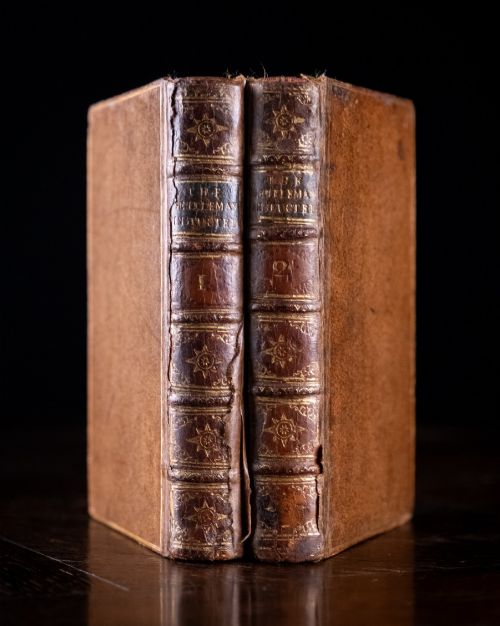
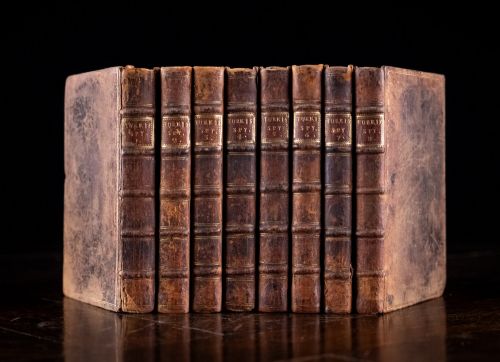
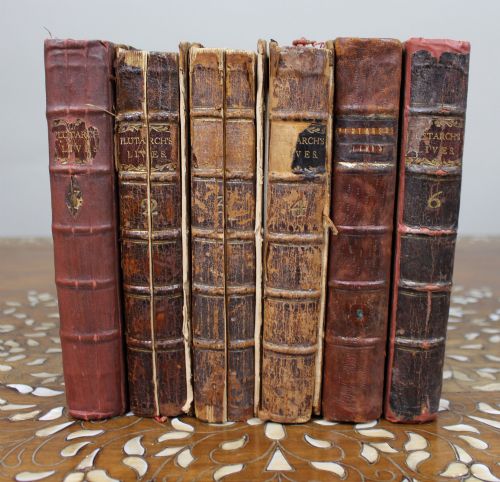
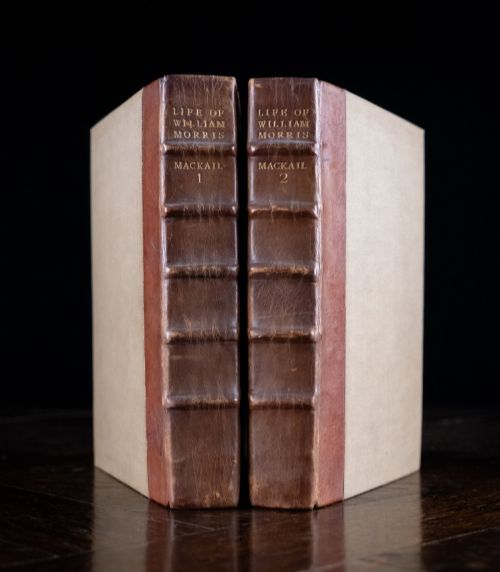
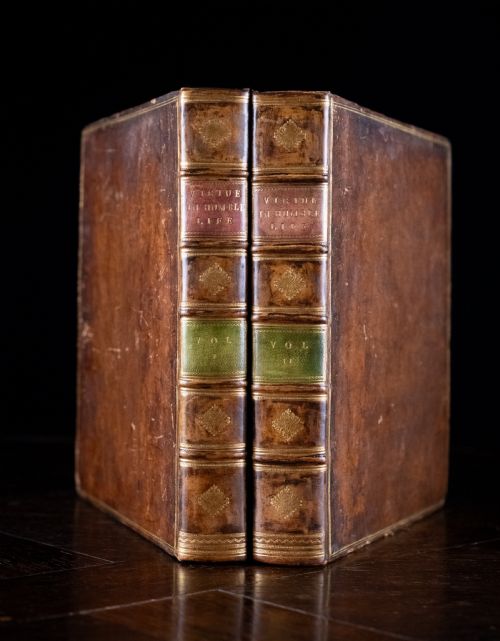
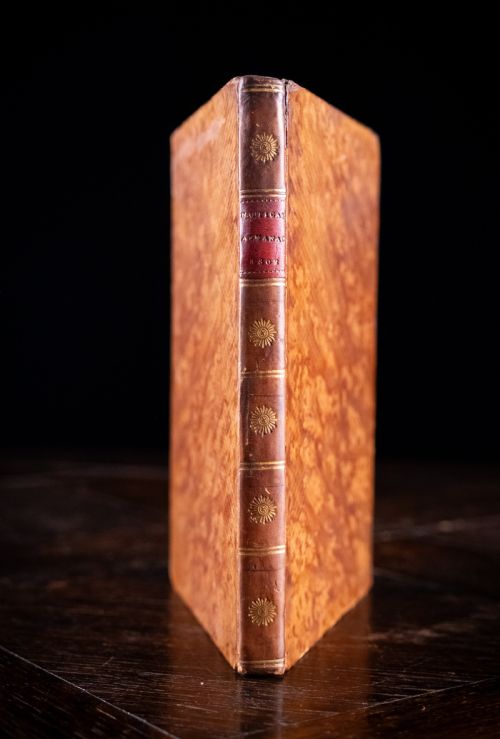
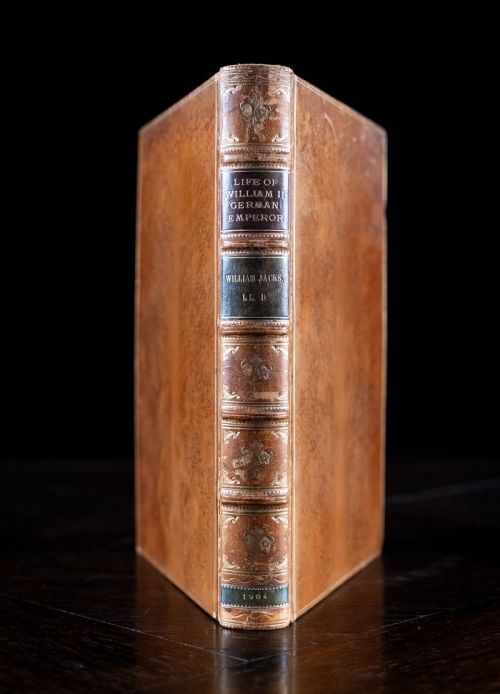
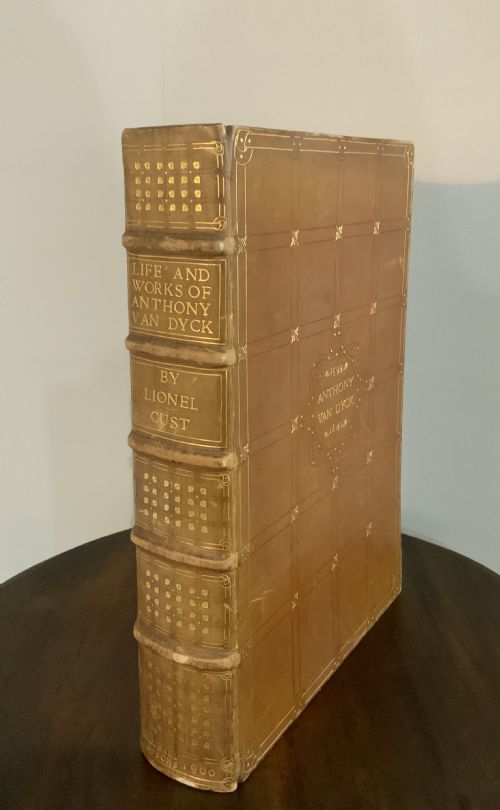
Brown leather volumes bring centuries of thought, literature, and history into the room, bound in durable hides and finished with decorative tooling.
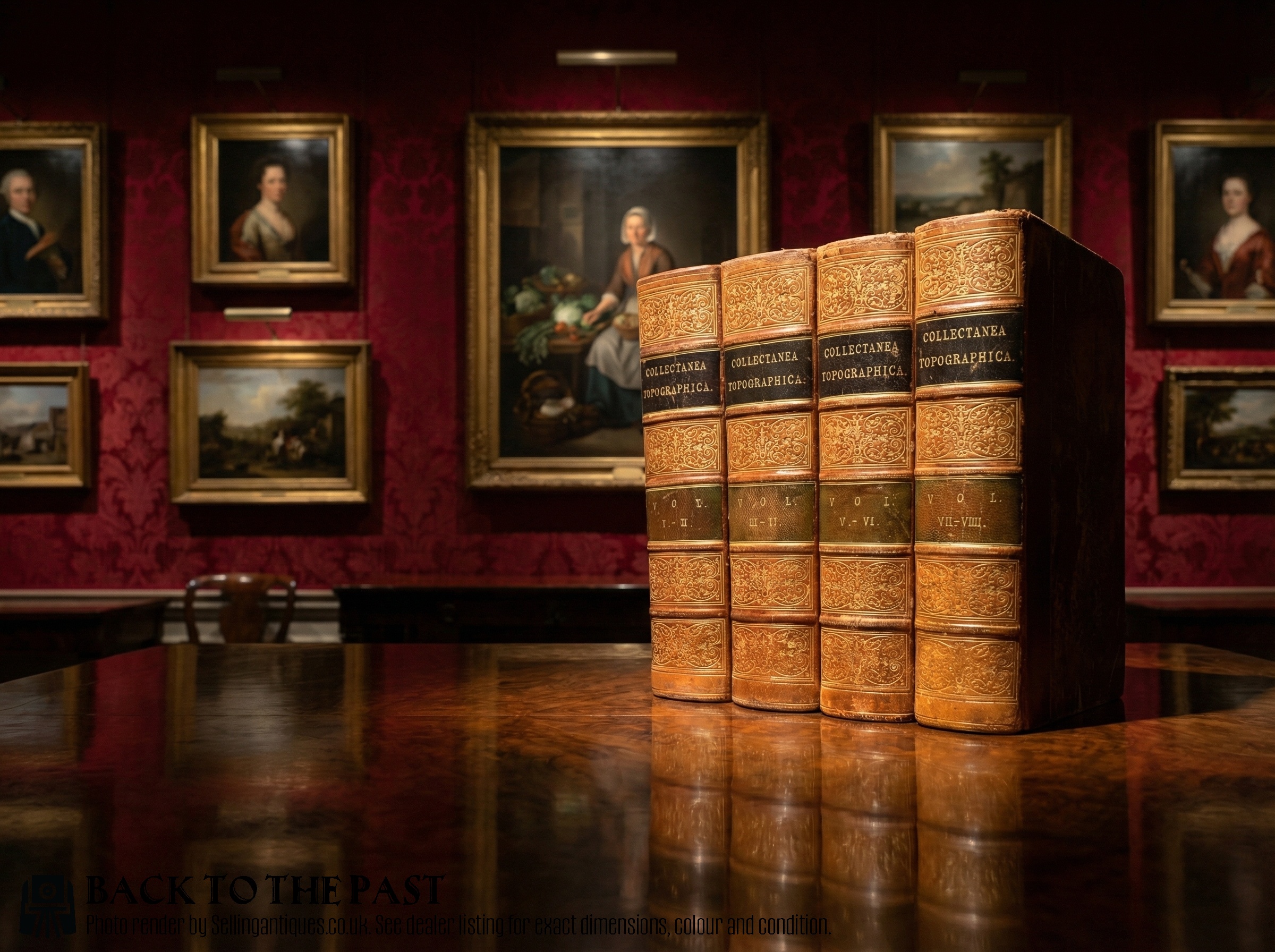
Brown Leather Volumes
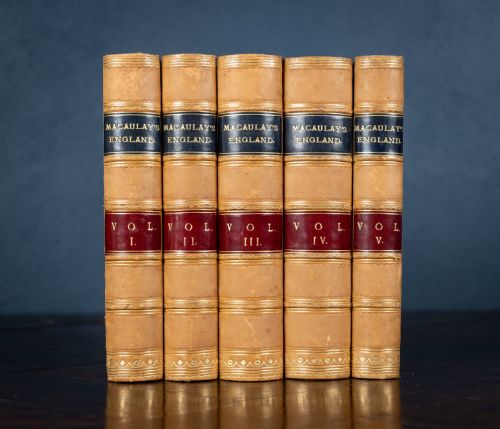
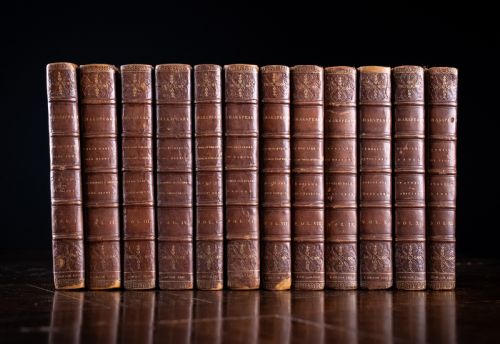
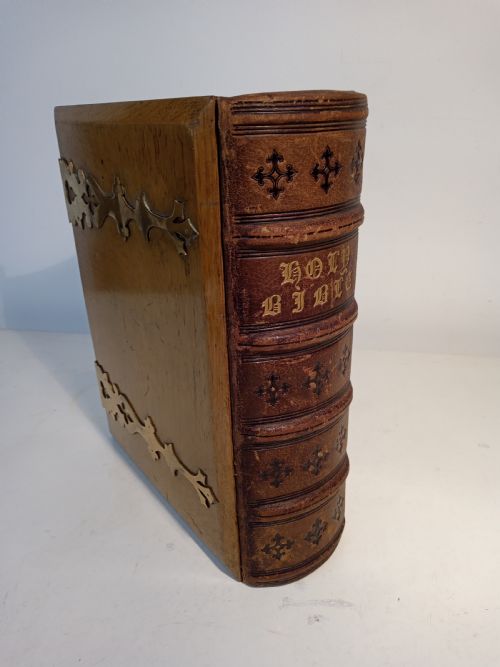
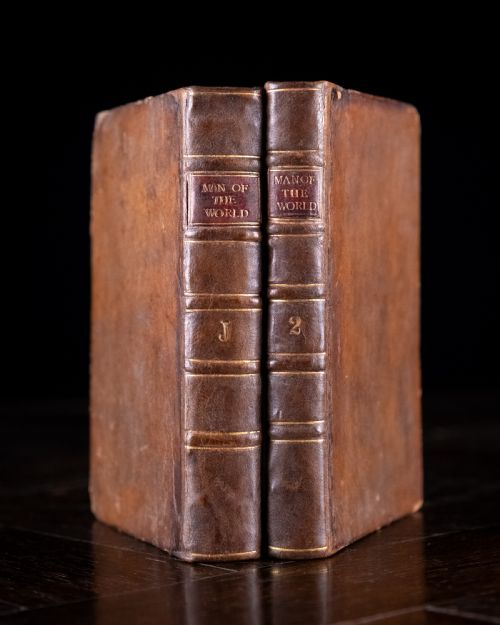
When you search for brown leather volumes, you encounter antiquarian books, multi-volume sets, and miniature books spanning the eighteenth, nineteenth, and early twentieth centuries. These pieces encompass everything from single historical biographies and religious texts to extensive multi-volume literary works and sporting magazines.
The selections on this page are most commonly Victorian and Georgian sets, alongside Edwardian editions and earlier eighteenth-century prints. Collectors find individual leather bound books alongside long runs of matching volumes that once filled estate libraries.
The forms range from compact pocket-sized editions to large folio volumes, often retaining their original calfskin or calfskin leather covers, sometimes accompanied by marbled paper ends and detailed plates.
How they were made
Binders constructed these books using sturdy paper sewn into signatures, then encased them in calfskin or general leather bindings over stiff boards. The durability of the materials ensured that centuries of handling left the text blocks largely intact.
Craftsmen applied gold leaf to the spines and covers through tooling, pressing heated metal stamps onto the leather to create decorative lettering, raised bands, and intricate border patterns. Marbled paper frequently lined the inner boards and flyleaves, introducing contrasting colour and pattern to the interior.
Listings feature paper, leather, gold leaf, calfskin, cloth, marbled paper, and gilt across Victorian, Georgian, and Edwardian periods.
What varies in quality
The standard of a volume often rests on the uniformity of a set and the crispness of its gilt tooling. Complete multi-volume editions that retain their original matching bindings command greater interest than assembled sets with mismatched spines.
The depth and clarity of the original gold leaf application distinguish finer publications from simpler utilitarian bindings. Additionally, the presence of original plates, engravings, and marbled endpapers elevates the overall execution of the work.
J. and R. Tonson·Jean Dassier·J. Wheble
The Brown Leather Volumes Glossary
- Calfskin
- A fine, smooth leather prepared from the hide of a calf, frequently used for quality bookbindings during the eighteenth and nineteenth centuries. It takes tooling and polishing exceptionally well.
- Gilt
- A thin layer of gold applied to the edges of paper or impressed into leather bindings using gold leaf. This technique protected the materials while adding a reflective decorative finish.
- Raised bands
- The horizontal ridges visible on a book's spine, created by the cords or strings to which the internal sections are sewn. They serve both a structural purpose and as a guide for decorative tooling.
- Marbled paper
- Paper decorated with a colourful, swirling pattern resembling marble, produced by floating paints on a liquid bath and transferring them to the sheet. Binders routinely used this material for endpapers.
Brown Leather Volumes: Frequently Asked Questions
What are brown leather volumes?
Brown leather volumes are antique and antiquarian books bound in calfskin or leather, typically originating from the eighteenth to the early twentieth centuries. They include single biographies, poetry collections, and multi-volume sets of historical or literary works.
These books were produced for domestic libraries and study rooms, often featuring gold leaf lettering and decorative tooling on the spines.
How were these books used?
Owners read, studied, and displayed these volumes within private libraries, drawing rooms, and institutional collections. Multi-volume sets allowed readers to explore extensive subjects such as history, natural philosophy, and complete literary works.
Beyond reading, uniform sets served as decorative elements that signalled scholarship and social standing in period homes.
How do I live with leather bound books?
Living with these volumes involves placing them away from direct sunlight and excessive humidity to protect the leather and paper from drying out. Allowing adequate air circulation around bookshelves helps preserve the organic materials.
Handling the books with care ensures the historical bindings and delicate raised bands remain stable for years to come.
How do I tell periods apart?
Georgian bindings often feature simpler, restrained calfskin covers with subtle gilt lines, reflecting eighteenth-century design sensibilities. Victorian and Regency examples frequently introduce more elaborate blind stamping, richer gold tooling, and varied spine decorations.
Edwardian editions tend to display cleaner, uniform cloth or leather combinations, often marking the transition into twentieth-century publishing styles.