
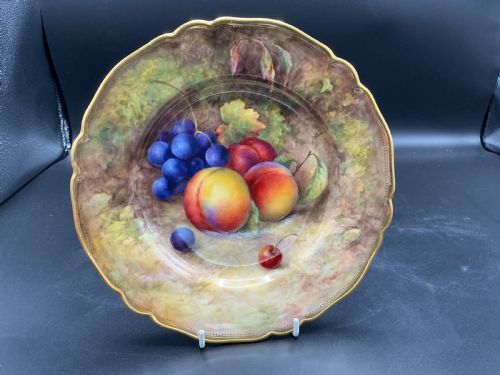
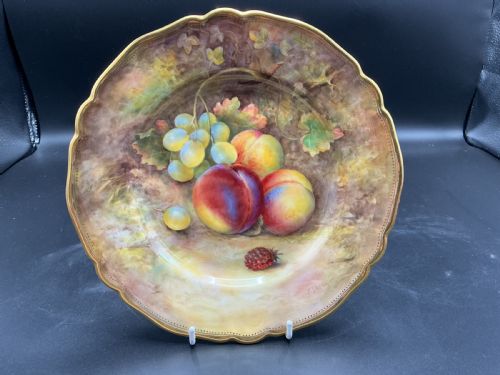
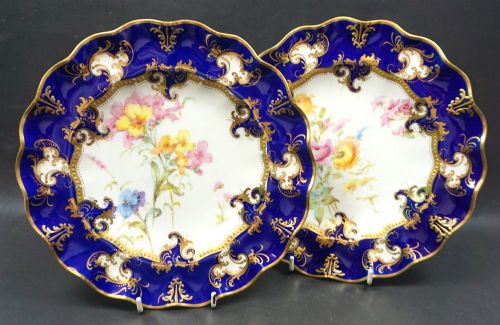
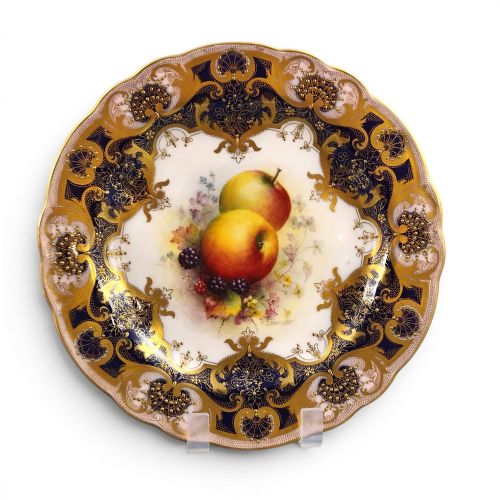
Gilt Porcelain Wall Plate
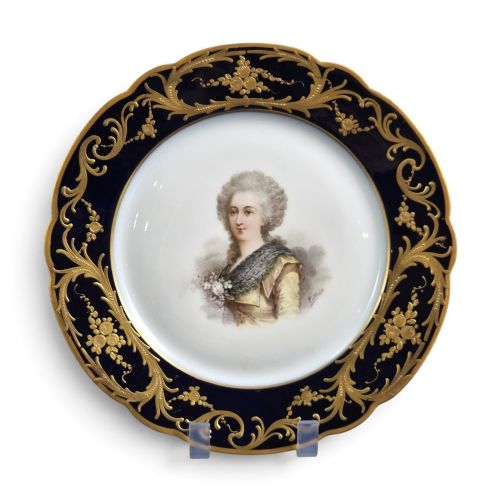
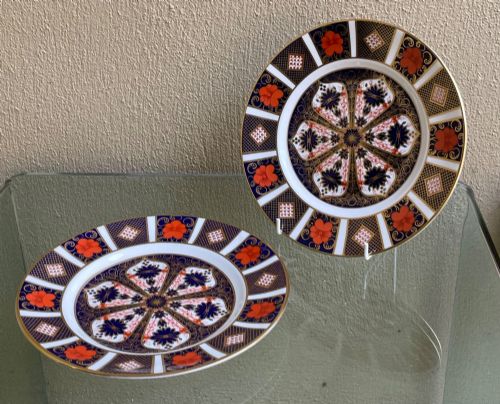
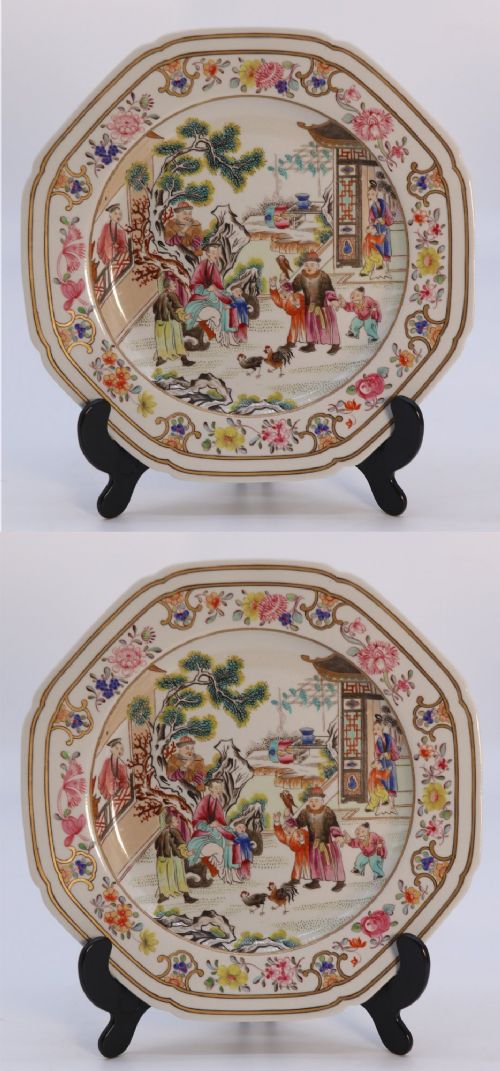
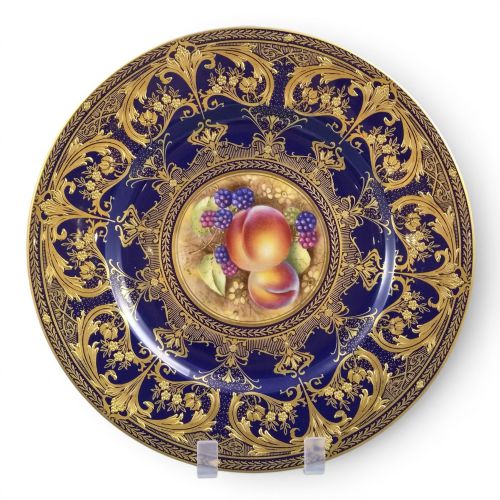
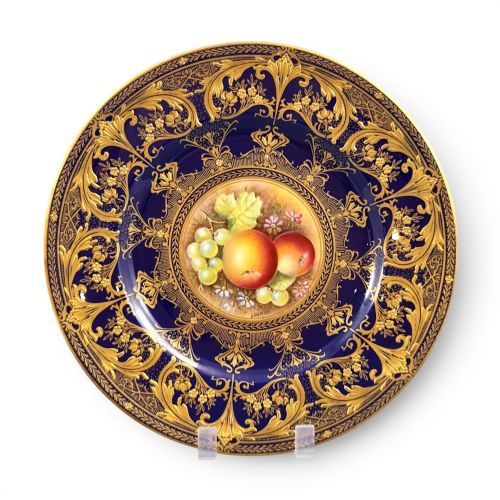
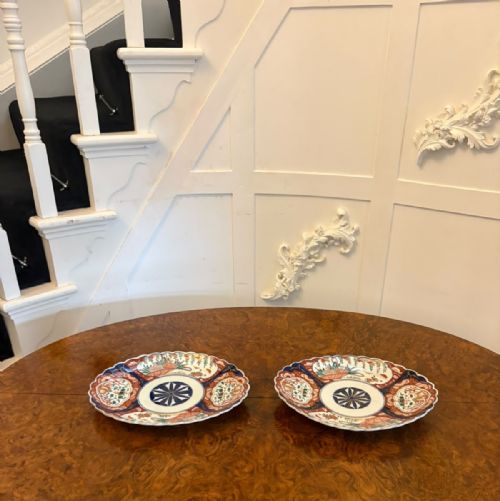
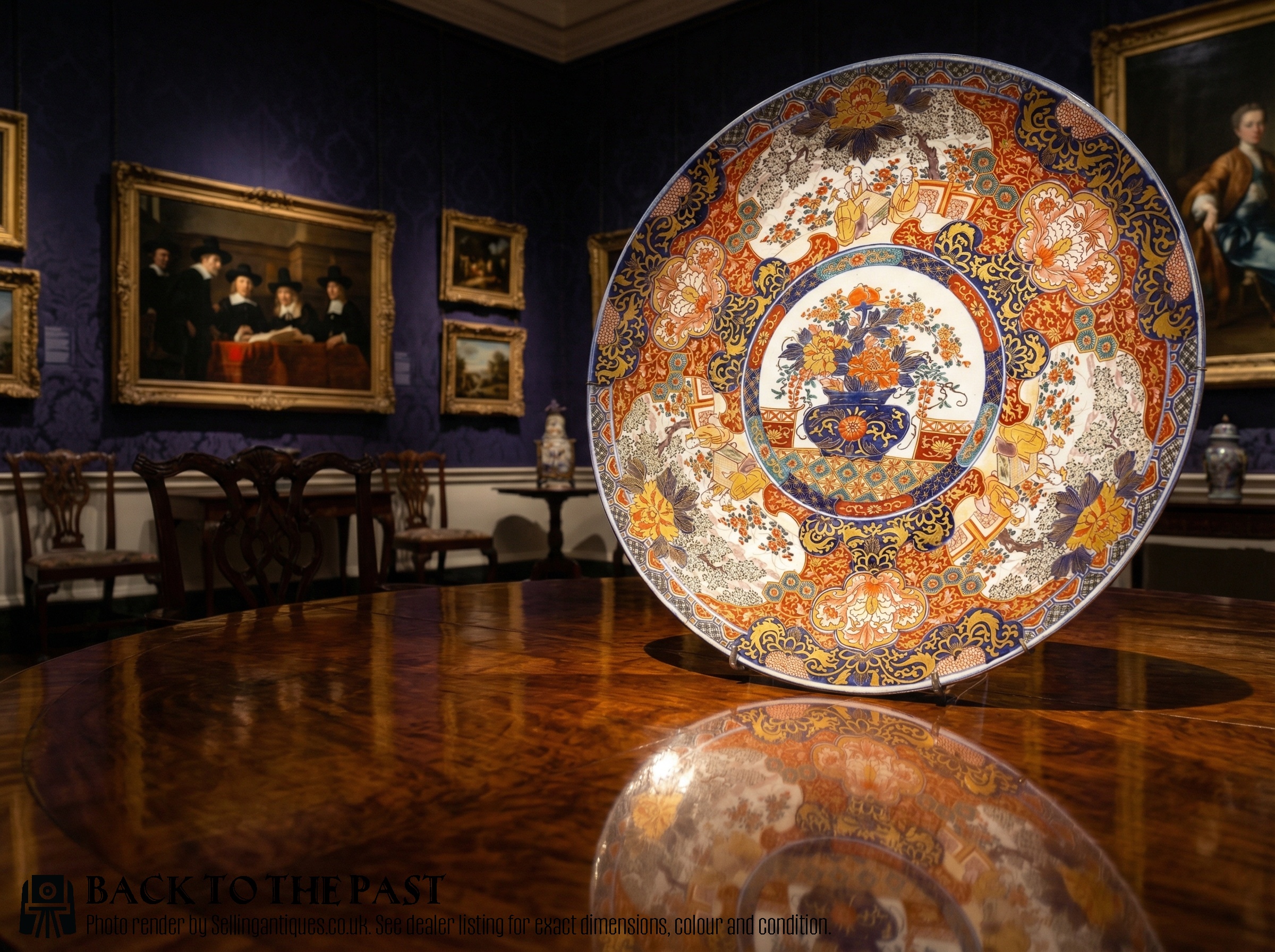
These gilt porcelain wall plate pieces bring bold Imari patterns and rich Canton enamels straight to your wall.

Understanding the gilt porcelain wall plate
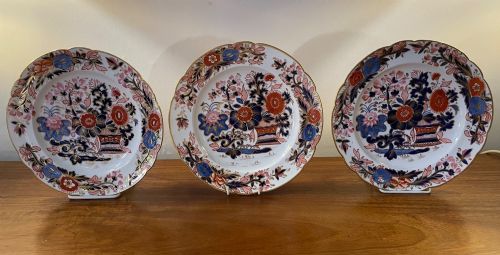
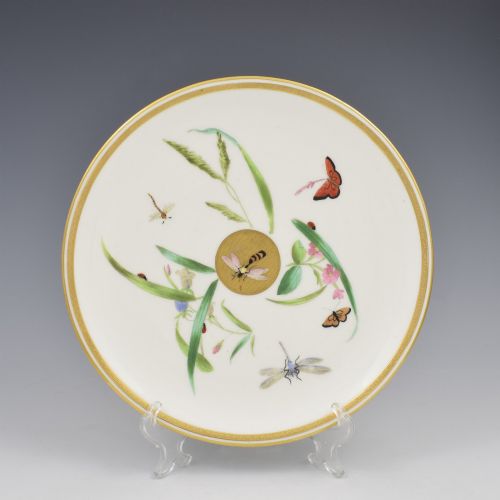
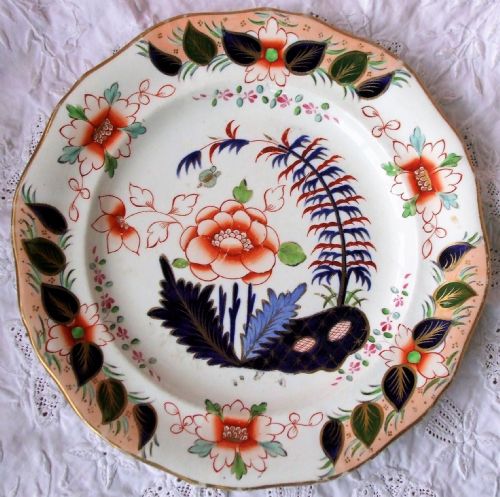
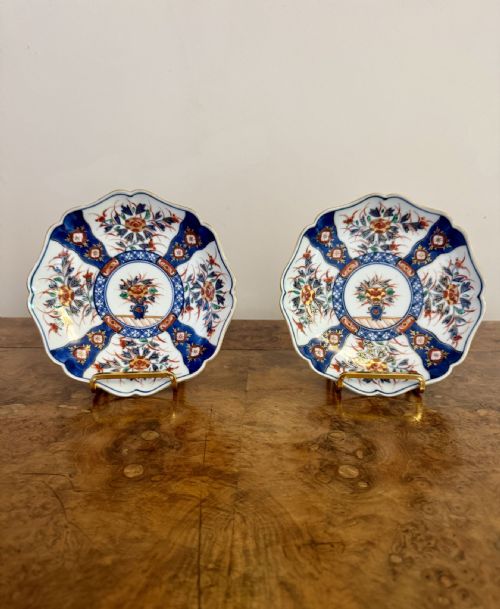
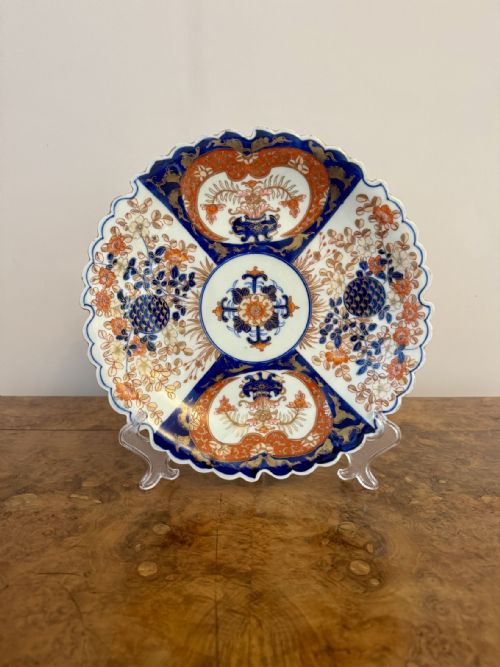
A gilt porcelain wall plate brings together historic ceramics and striking decorative styles from the nineteenth and early twentieth centuries. When searching for a gilt porcelain wall plate, collectors typically encounter large chargers and decorative plates spanning Japanese Imari, Victorian Imari, and Chinese Export traditions.
The available selection ranges from Ashworth ironstone dinner plates dated around 1870 to Meiji period Japanese chargers and Canton Rose Medallion plates. These items serve primarily as wall-hanging focal points rather than functional tableware, celebrated for their generous scale and vibrant palettes.
Materials and construction
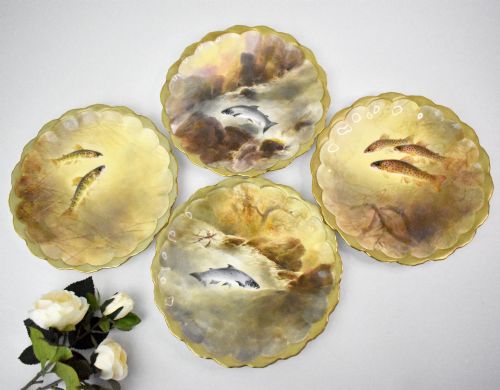
Potters shaped these pieces from hard-paste porcelain or dense ironstone, providing a sturdy base for complex surface decoration. Artisans applied vibrant enamel colours alongside genuine gold leaf to highlight intricate patterns.
Firing techniques allowed both underglaze pigments and overglaze gilding to fuse onto the ceramic body. This combination of enamel and gold leaf created the characteristic lustrous sheen found across nineteenth-century chargers.
Retail Price Guide 2026
Typical UK retail prices for gilt porcelain wall plate, calculated from the Sellingantiques database of over a million retail prices indexed since 2003. This retail price guide relies exclusively on Sellingantiques data; no external sources or auction records are used, so the figures do not describe the wider market.
Current listings feature pieces spanning the 1870s to the 1920s, incorporating porcelain, ironstone, enamel, and gold leaf.
Assessing quality
Quality rests in the precision of the hand-painted enamel work and the richness of the applied gold leaf. Finer examples display crisp delineation within complex Imari or Rose Medallion motifs, whereas simpler items show looser brushwork.
The scale of the charger also influences desirability, with larger plates offering broader canvases for intricate oriental and Victorian designs. Preservation of the original gilding and enamel brilliance defines the upper tier of these decorative ceramics.
The Gilt Porcelain Wall Plate Glossary
- Imari
- A traditional Japanese decorative style featuring rich cobalt blue and iron red, frequently enriched with gold leaf. Victorian makers later adopted this distinctive aesthetic.
- Charger
- A large decorative plate traditionally intended for display on a wall or sideboard rather than dining use. These pieces often measure significantly wider than standard dinner plates.
- Ironstone
- A durable type of heavy earthenware patented in the nineteenth century to imitate Chinese porcelain. Ashworth and other makers utilised this robust body for patterned plates.
- Canton
- A style of Chinese export porcelain decorated with panels of figures, birds, and flowers in vibrant pink and green enamels, often accented in gold.
Frequently Asked Questions
How do I hang a wall plate safely?
Heavy chargers require secure, coated wire spring hangers that distribute the weight evenly across the rim. Ensure the wall fixing is anchored firmly into brick or a wall stud.
Avoid adhesive disc hangers for large nineteenth-century pieces, as the weight of ironstone and thick porcelain demands mechanical support.
What is the difference between Imari and Canton plates?
Imari plates rely on a deep palette of underglaze blue, iron red, and abundant gold leaf in geometric and floral arrangements. They originate from both Japanese traditions and nineteenth-century British interpretations.
Canton plates feature compartmentalised Rose Medallion designs filled with figures and natural scenes using pink, green, and gilt enamels.
Can these plates be used for serving food?
These historical pieces are intended purely for decorative wall display rather than daily dining use. Overglaze gilding and antique enamels can wear down or flake when exposed to cutlery and frequent washing.
Displaying them on walls or plate stands preserves the fragile gold leaf and delicate enamel surfaces.
How do I date an antique wall plate?
Dating relies on examining the ceramic body, glaze characteristics, and decorative style alongside any maker marks on the reverse. Nineteenth-century examples often feature ironstone bases or Meiji period Japanese export traits.
Stylistic shifts between Victorian Imari interpretations and earlier Chinese Export goods provide further chronological clues.