
Gilt Porcelain Cup
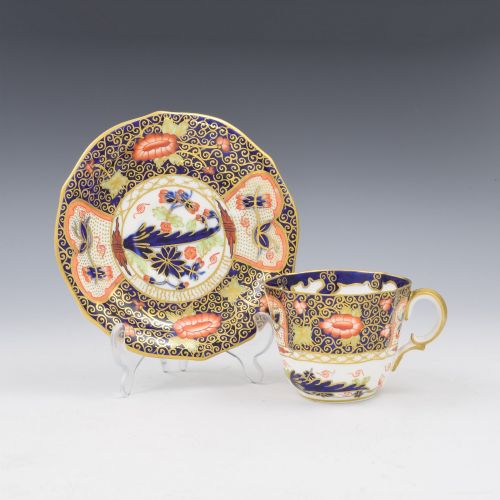
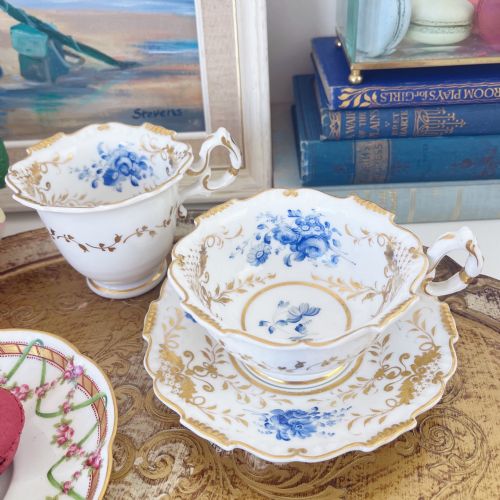
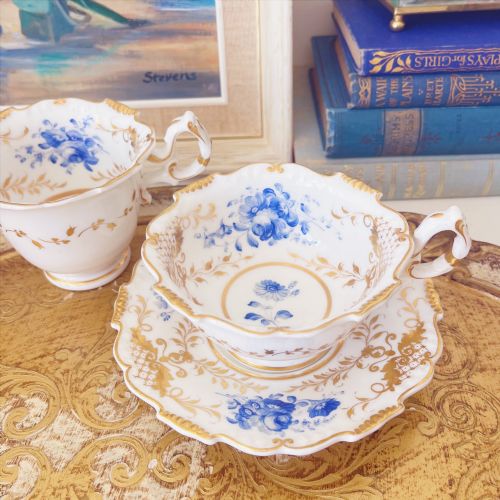
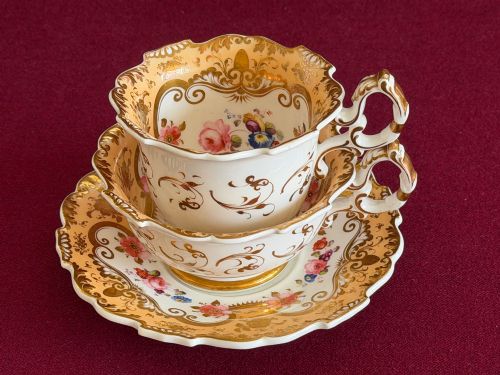
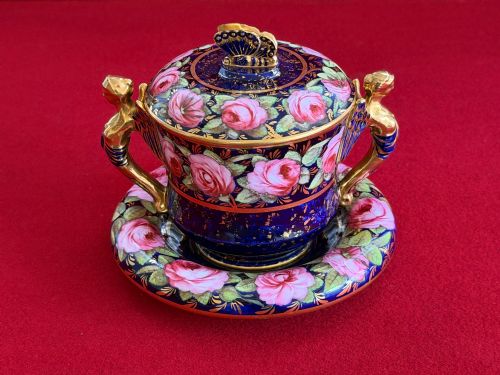
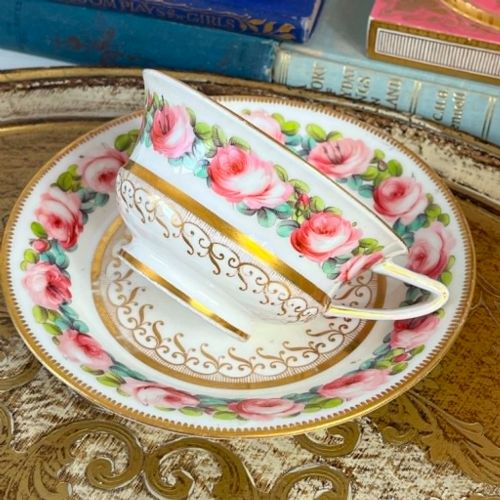
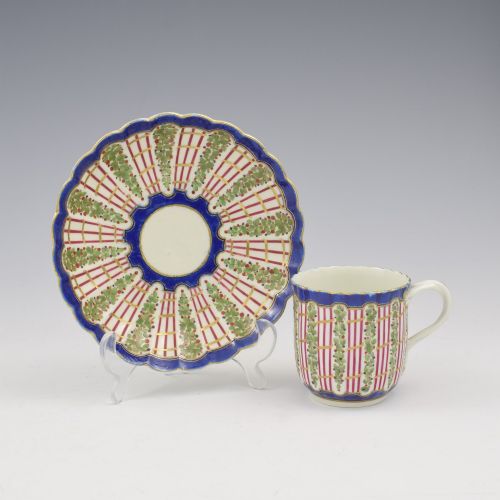
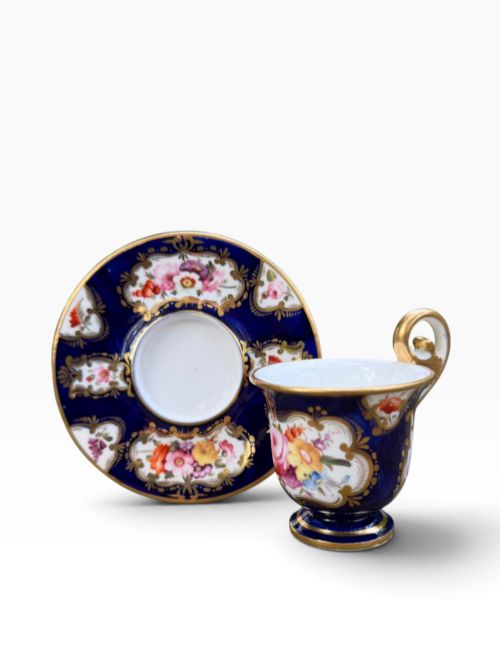
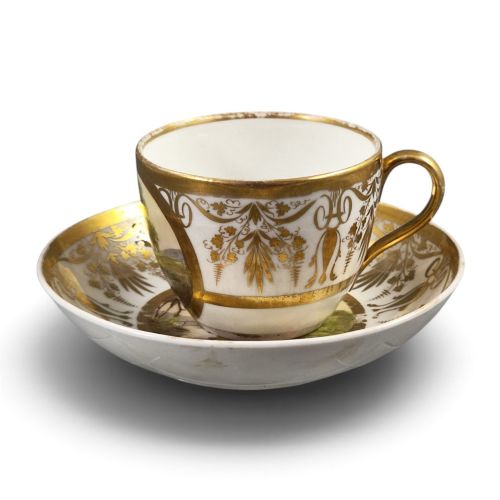
A gilt porcelain cup brings weight to the hand and light to the cabinet through centuries of painted panels and burnished gold.
Gilt Porcelain Cup
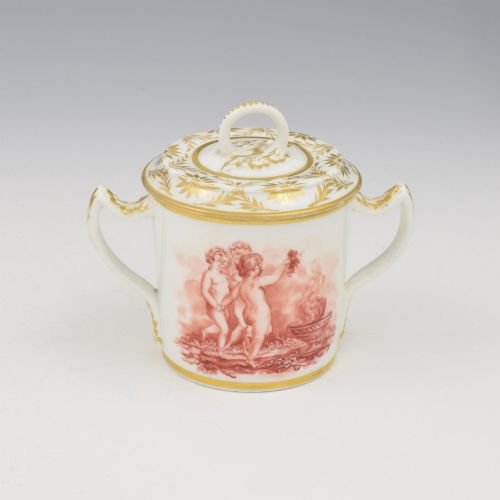
A gilt porcelain cup encompasses a range of drinking vessels, from cabinet cups and chocolate cups to coffee cans and teacups, typically paired with saucers. These pieces span the eighteenth, nineteenth, and early twentieth centuries, drawing on Georgian, Regency, Victorian, and Edwardian periods.
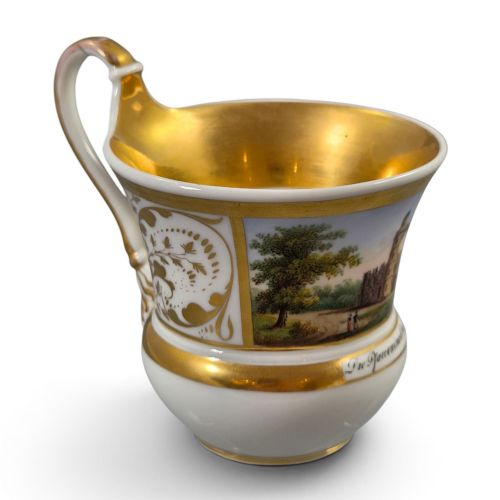
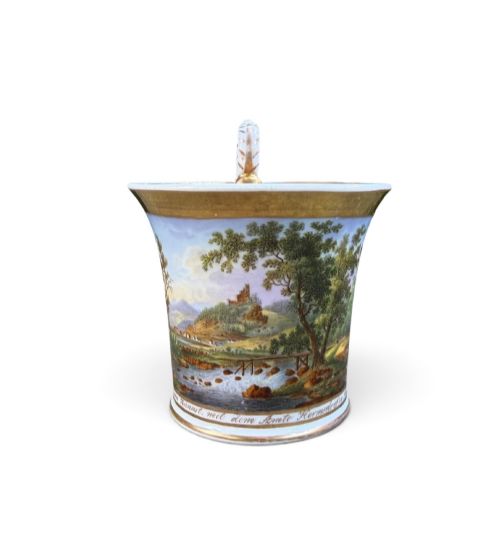
English factories such as Worcester, Derby, Spode, Coalport, and Minton sit alongside continental makers like KPM Berlin, Meissen, and Sèvres. The form often serves as a canvas for hand-painted landscapes, botanical studies, or armorial crests framed in heavy gilding.
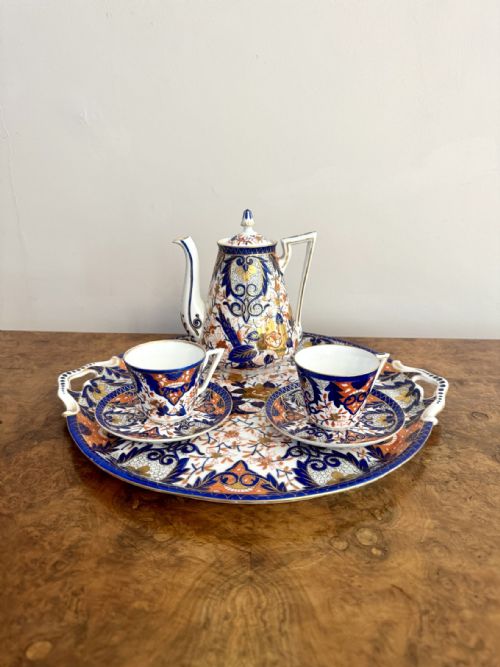
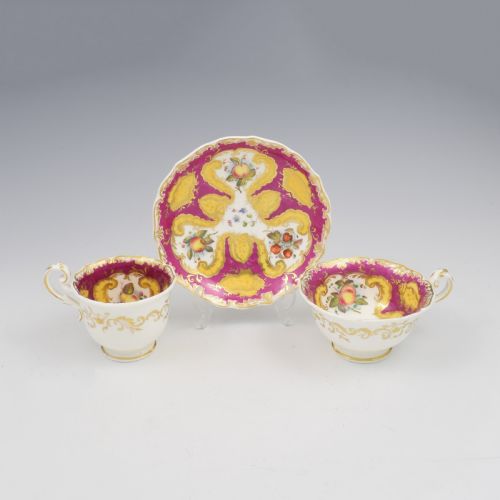
The versions most commonly met on this page are nineteenth-century English and continental tea wares, frequently featuring hand-painted scenes or panels set against dark grounds. Cabinet cups predominate among the decorative examples, while trios and duos form the core of the utilitarian survivals.
Materials and Manufacture
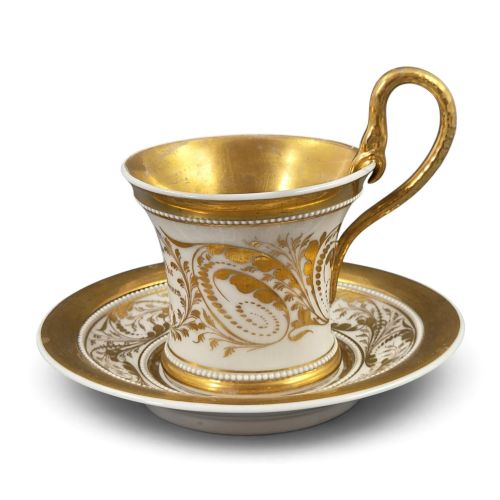
Potters shaped these vessels using hard-paste or soft-paste porcelain, as well as bone china, before applying underglaze blue, enamel colours, and gold leaf. Gilding was typically applied as a powder mixed with honey and oil, fired in a kiln, and then burnished with agate to achieve a bright finish.
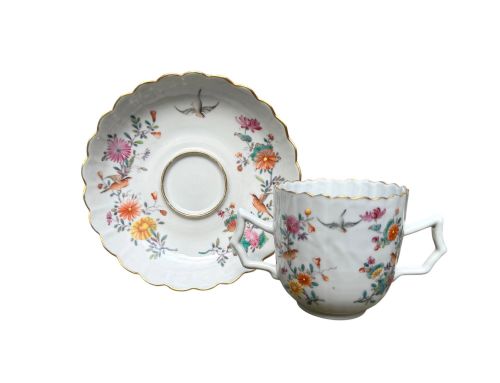
Hand-painting dominates the decoration, utilising mineral pigments for landscapes, birds, and floral motifs that required multiple firings to fix the enamel. Gold leaf and gold gilt provide structural borders, banding, and scrollwork that emphasise the form of the cup and saucer.
Moustache cups arrived with an internal ceramic shelf to keep facial hair dry during morning tea.
Quality and Execution
The division between ordinary and exceptional pieces rests upon the precision of the hand-painting and the depth of the gilding. Finely rendered topographical landscapes or detailed botanical studies executed by named factory artists elevate a cup far beyond standard transfer-printed or simply banded wares.
The weight and translucency of the porcelain body, alongside the crispness of the moulding on shapes like coffee cans and chocolate cups, indicate the standard of production. Superior pieces retain the full burnished brilliance of their gold leaf without rubbing along the rims and handles.
Royal Crown Derby·H & R Daniel·Spode·Coalport·KPM Berlin·Bloor Derby·Flight & Barr Worcester·Minton·Meissen·Sevres
The Gilt Porcelain Cup Glossary
- Cabinet Cup
- A decorative vessel made for display in a cabinet rather than for daily tea or coffee service.
- Coffee Can
- A straight-sided cylindrical cup designed for drinking black coffee, popular during the late eighteenth and early nineteenth centuries.
- Trio
- A matching set comprising a teacup, a coffee cup, and a saucer.
- Gilding
- The application of gold leaf or gold paint to the surface of the porcelain for decorative effect.
- Hard-paste Porcelain
- A dense, vitrified ceramic composed of kaolin and petuntse, fired at high temperatures.
Gilt Porcelain Cup: Frequently Asked Questions
How do I date an antique cup?
Dating relies on factory marks, paste composition, and stylistic cues such as handle shapes and palette choices. Comparison with documented pieces from periods like the Regency or Victorian eras narrows the window of manufacture.
Factory marks evolved over decades, though many early pieces remained unmarked and require attribution based on porcelain body characteristics and painting style.
Can I use these cups for drinking?
Most antique gilt porcelain cups can hold liquid, but older soft-paste bodies and fragile enamels are vulnerable to thermal shock and chemical wear. Hand washing in tepid water preserves the remaining gold leaf and painted details.
Displaying them in cabinets or using them strictly for special occasions prevents the loss of historical gilding that mechanical dishwashers accelerate.
What is a cabinet cup?
Cabinet cups were produced primarily for visual display within a collector's cabinet rather than for serving tea or coffee. They often feature intricate topographical views, portraits, or elaborate handles.
These pieces frequently arrived with matching stands or covers, such as trembleuse saucers, designed to showcase the artistic skill of the factory painters.
How do I care for antique gilding?
Antique gilding requires gentle treatment because the gold was burnished onto the fired glaze and lacks modern protective topcoats. Abrasive cleaners and prolonged soaking will wear away the thin layer of gold leaf.
Dusting with a soft brush and washing by hand without harsh detergents keeps the burnished surfaces bright without damaging the underlying ceramic.