



Gilt Porcelain Centrepiece Dish
A gilt porcelain centrepiece dish brings sculptural presence and rich gilding to a table, combining ceramic form with ornate metal mounts.
Gilt Porcelain Centrepiece Dish
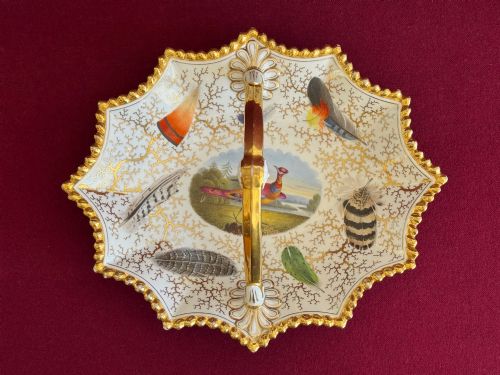
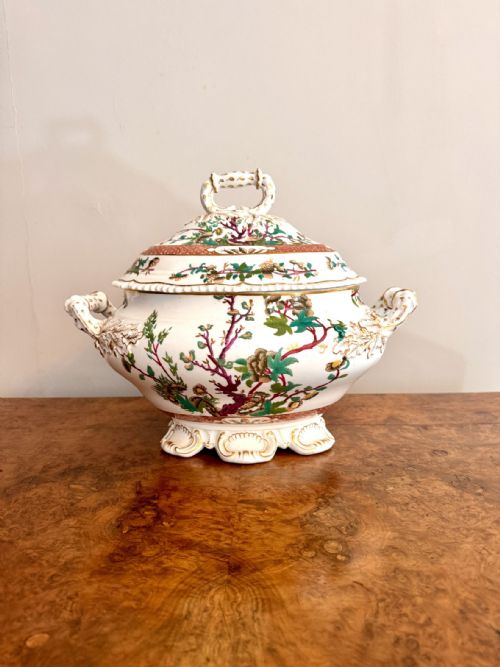
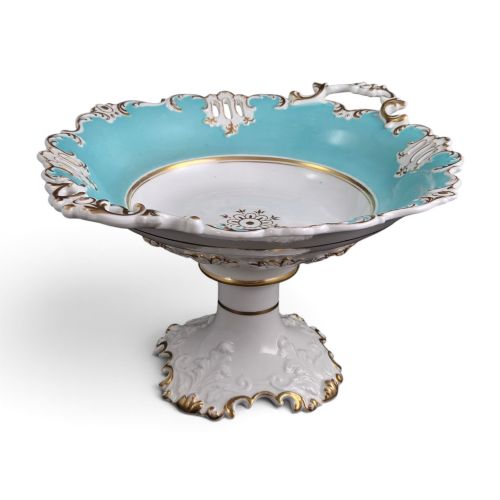
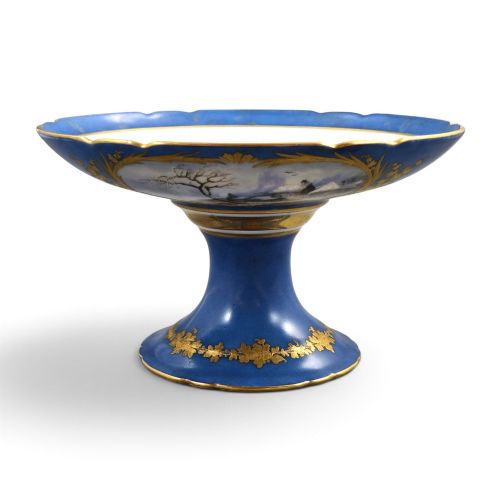
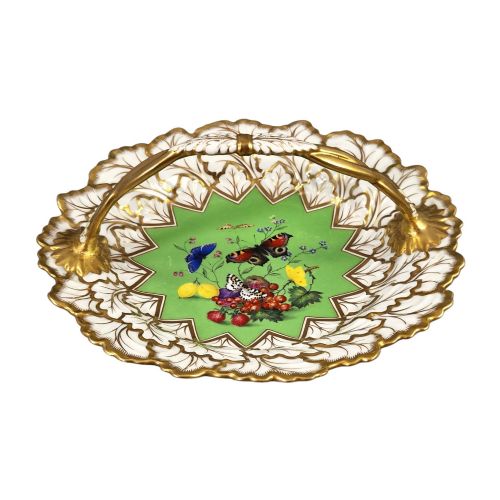
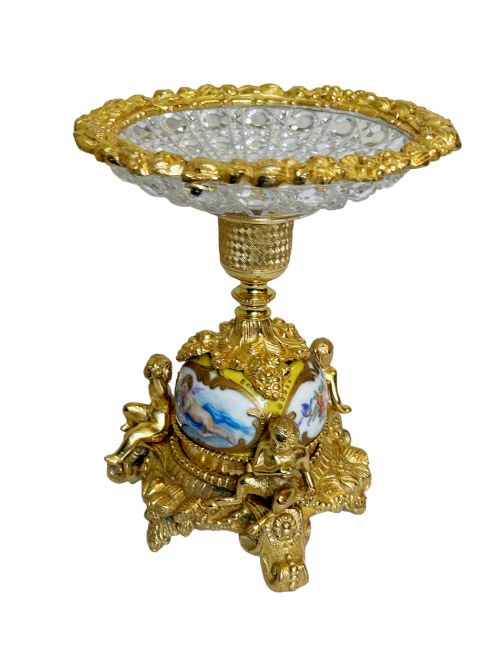
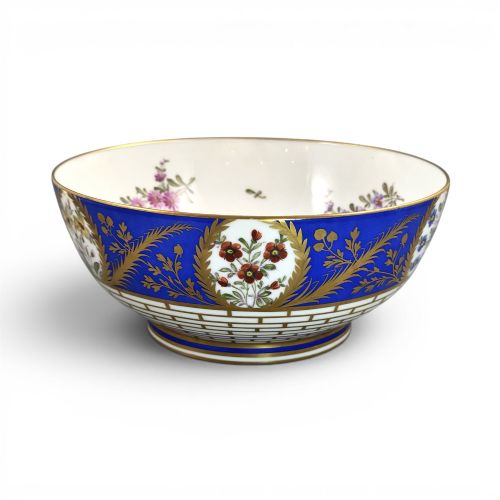
A gilt porcelain centrepiece dish serves as a dramatic focal point for a dining table or sideboard, designed to hold fruit, sweetmeats or floral arrangements. When you search for a gilt porcelain centrepiece dish, you encounter elaborate bowls, tazzas, baskets and comports spanning the eighteenth, nineteenth and early twentieth centuries. These vessels often incorporate pedestals, figural supports like cherubs or putti, and decorative handles.
The selection ranges from English bone china and porcelain by factories such as Coalport, Worcester and Royal Worcester to continental European works from Meissen, Sèvres, Limoges and Schierholz. Pieces frequently reflect stylistic revivals including Rococo, Regency and Victorian aesthetics. Tazzas, footed bowls and pedestal vessels dominate the available forms.
How they were made
Makers shaped hard-paste and soft-paste porcelain, bone china and ironstone, often applying hand-painted floral sprays, enamel details and intricate ground colours. Artisans then added gilding using gold leaf or liquid gold preparations, firing the pieces multiple times to fix the metallic lustre onto the glaze. Many vessels feature applied three-dimensional porcelain elements such as roses, foliage and figures.
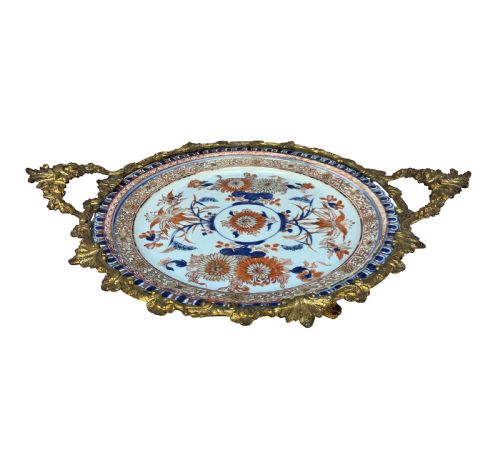
Mounts of ormolu, gilt bronze and champlevé enamel provide structural support and opulent framing for the ceramic bodies. Skilled metalworkers cast these mounts to clasp the porcelain securely, frequently incorporating cast figures or decorative feet that elevate the dish.
Gilt Porcelain Centrepiece Dish Retail Price Guide 2026
Typical asking prices for gilt porcelain centrepiece dish among the pieces listed under this phrase on Sellingantiques today, from the lower quarter to the upper quarter. They describe what is for sale here now, not the wider market.
Materials span bone china, ironstone, enamel, gold leaf, ormolu and gilt bronze alongside traditional porcelain bodies.
What varies in quality
The refinement of the hand-painting and the crispness of the porcelain moulding define the upper tier of these vessels. Superior pieces display finely detailed brushwork, precise hand-gilding and delicate applied work that remains intact and sharp.
The integration and weight of the metal mounts also distinguish finer examples. Heavy, finely chased ormolu or gilt bronze mounts that complement the porcelain contours indicate superior workshop production.
Coalport·Flight, Barr and Barr·Sèvres·Meissen·Doulton Burslem·Royal Worcester·Schierholz·Wedgwood
The Gilt Porcelain Centrepiece Dish Glossary
- Tazza
- A shallow bowl or dish mounted on a stem and foot, commonly used for serving fruit or sweetmeats. This form originates from Renaissance metalwork and was widely adopted in nineteenth-century porcelain.
- Ormolu
- Finely ground high-carat gold applied to a bronze base using a mercury amalgamation process, or later via electroplating. It provides a rich, warm metallic finish to decorative mounts.
- Sweetmeat dish
- A small vessel designed for holding confectioneries, nuts or dried fruits during dessert courses. These often feature elaborate figural supports or partitioned sections.
- Comport
- A large standing dish or bowl placed in the centre of a table for presentation purposes. It shares similarities with the tazza but typically possesses a deeper bowl.
- Champlevé enamel
- A technique where troughs or cells are sunk into the surface of metal and filled with vitreous enamel paste before firing. This decorative method frequently appears on nineteenth-century French mounts.
Gilt Porcelain Centrepiece Dish: Frequently Asked Questions
What were gilt porcelain centrepiece dishes used for?
These vessels served as ornamental table decorations during formal dining, often holding fruit, sweetmeats or flowers for the dessert course.
Wealthy households displayed them prominently on dining tables or sideboards to showcase taste and hospitality.
How do I identify the period of a piece?
Examining the ceramic body, glaze characteristics, factory marks and stylistic influences helps determine the date of manufacture. Nineteenth-century pieces frequently display moulded relief and revival styles.
Comparing the painting technique and gilding style with known factory output provides further chronological context.
How should I care for gilt porcelain?
Gentle dusting with a soft brush preserves the delicate painted surfaces and raised gilding without causing abrasion.
Harsh cleaning agents and immersion in water should be avoided, particularly on pieces with metal mounts or enamel work.