



Hand Painted Botanical Bowl
These hand painted botanical bowls bring together careful floral illustration and ceramic craft from the Georgian, Victorian, and early twentieth-century periods.
Hand Painted Botanical Bowl
A hand painted botanical bowl is a decorative or serving ceramic piece adorned with floral and plant subjects. When searching this phrase, buyers encounter porcelain, pearlware, and earthenware forms ranging from the Georgian era through to the early twentieth century.
Makers and factories represented span English and continental ceramic traditions, with porcelain and bone china serving as the primary media for botanical and floral painting.
How they were made
Potters shaped these bowls using porcelain, pearlware, earthenware, and bone china bodies, often finished with enamel pigments and gold leaf, gilt, or gilding. Artisans applied hand-painted details directly onto the glazed ceramic surface before firing.
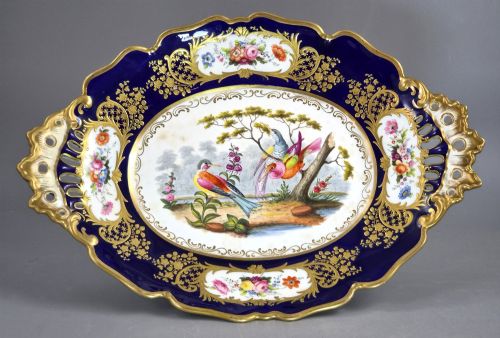
Decorative elements frequently include moulded relief details characteristic of Rococo Revival and Regency styles, combined with precise brushwork depicting botanical specimens, birds, and floral arrangements.
Hand Painted Botanical Bowl Retail Price Guide 2026
Typical asking prices for hand painted botanical bowl among the pieces listed under this phrase on Sellingantiques today, from the lower quarter to the upper quarter. They describe what is for sale here now, not the wider market.
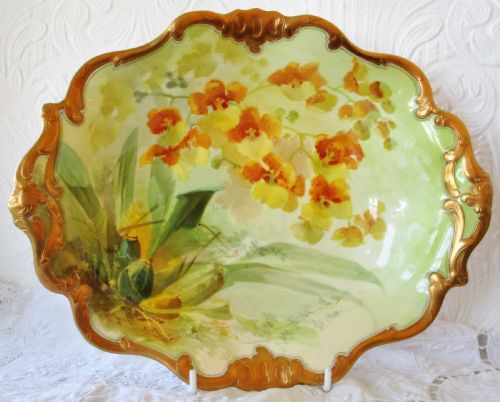
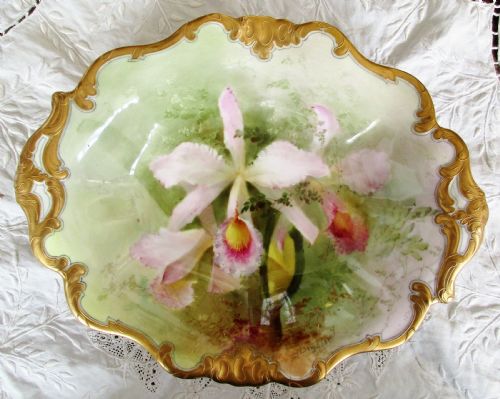
Some cabinet dishes feature orchids painted by David Dewsberry, bringing nineteenth-century hothouse botany directly onto the porcelain surface.
What varies in quality
Quality rests upon the precision of the hand-painted botanical illustration and the fineness of the ceramic body, whether pearlware, bone china, or porcelain. Finer examples display meticulous brushwork and balanced compositions.
The application of gilding and gold leaf distinguishes standard production from finer cabinet pieces, alongside the crispness of moulded details in styles like Rococo Revival and Victorian design.
Coalport·Royal Doulton·David Dewsberry·Meissen·Spode·Royal Worcester
The Hand Painted Botanical Bowl Glossary
- Pearlware
- A fine earthenware developed in the late eighteenth century with a bluish glaze that pooled in recesses. It provided a smooth white surface suitable for detailed hand-painted botanical decoration.
- Bone china
- A type of soft-paste porcelain incorporating bone ash, yielding a durable and translucent body. It became a preferred material for nineteenth-century cabinet dishes and serving wares.
- Gilding
- The application of gold leaf or powdered gold to ceramic surfaces. It accentuates rims, handles, and moulded details on decorative bowls.
- Enamel
- Vitreous coloured glass fused to the ceramic body during firing. It forms the vibrant pigments used in floral and botanical painting.
- Cabinet dish
- A decorative ceramic plate or bowl intended primarily for display rather than dining use. These pieces often feature elaborate painted subjects and gilt borders.
Hand Painted Botanical Bowl: Frequently Asked Questions
How are these bowls dated?
Dating relies upon factory marks, paste composition, and stylistic traits typical of periods such as the Georgian era or the early twentieth century.
Changes in ceramic bodies like pearlware and bone china also help establish the approximate period of manufacture.
Can these bowls be used for food?
Many of these pieces were originally created as serving dishes, soup dishes, or dessert service components.
However, older enamel and gilt wares often require careful hand washing to preserve the hand-painted botanical details.
What styles do these pieces follow?
The inventory includes items reflecting Regency, Victorian, and Rococo Revival aesthetics.
These styles often incorporate scrollwork, moulded relief, and detailed floral painting.
Are all botanical bowls made of porcelain?
While porcelain and bone china appear frequently, makers also utilised pearlware and earthenware.
Each material affects the weight, translucency, and appearance of the painted decoration.