


Gilt Lustre Bowl
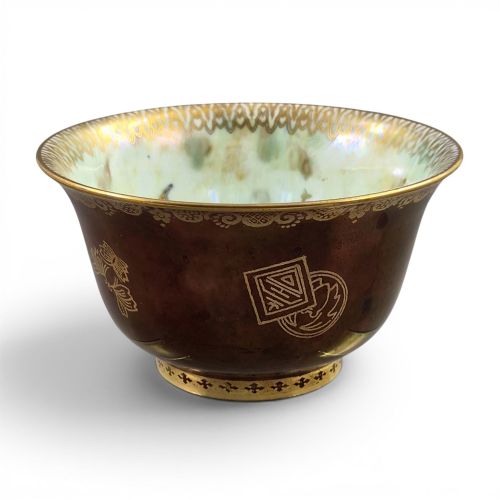
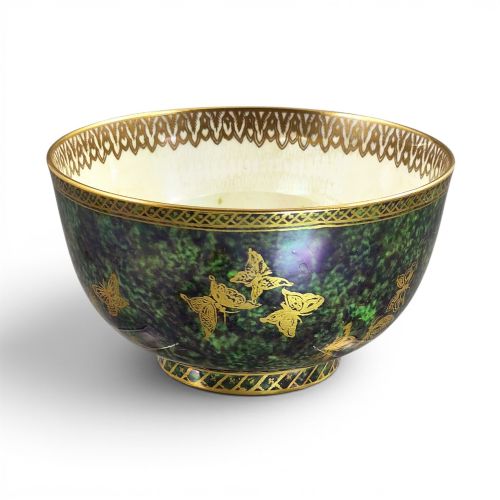
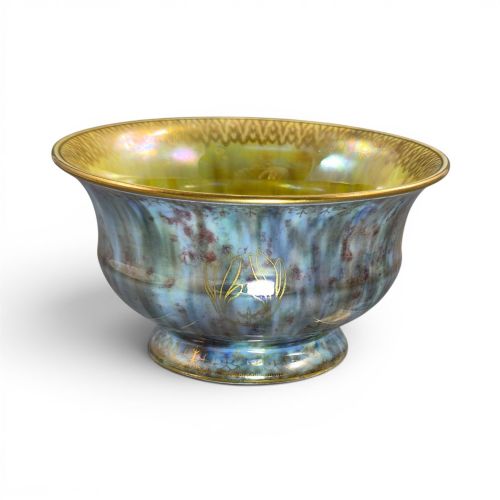
These gilt lustre bowl examples combine complex ceramic techniques with striking decorative scenes from the early twentieth century.
Gilt Lustre Bowl
A gilt lustre bowl sits at the intersection of traditional pottery manufacturing and elaborate surface decoration, taking the form of decorative bowls produced during the Edwardian period and the 1910s and 1920s. Most pieces encountered on this page belong to these specific decades, capturing a distinct shift in ceramic design.
The dominant aesthetic draws heavily upon Art Nouveau and Art Deco movements, translating complex illustrative motifs into ceramic form. Buyers seek these pieces for their rich visual narratives, which often feature intricate mythical creatures and insects.
Octagonal and round decorative bowls form the primary shapes available within this selection. Each piece utilises a glazed ceramic body as a canvas for metallic and iridescent effects.
How they were made
The foundation relies on porcelain and bone china bodies shaped into standard bowls or geometric octagonal forms. These ceramic bases provide a smooth, stable surface required for the subsequent application of reactive chemical layers.
Makers applied specialised lustre glazes alongside gold leaf, gold gilding, and general gilt work. These metallic components interacted with the glaze during firing to produce iridescent sheens and reflective surface patterns.
Celestial dragons and hummingbirds populate these gleaming ceramic surfaces, ensuring no tea table ever suffers from a lack of mythical company.
What varies in quality
The complexity and precision of the surface decoration dictate the standing of an individual bowl. Pieces displaying intricate pictorial scenes involving multiple mythical subjects or detailed insect motifs demand superior technical execution compared to simpler mottled designs.
The crispness of the gilt application and the depth of the iridescent lustre glaze also differentiate the pieces. A successful firing achieves a brilliant, even metallic sheen without dull patches across the porcelain or bone china body.
Daisy Makeig Jones·Wedgwood
The Gilt Lustre Bowl Glossary
- Lustre Glaze
- A type of ceramic glaze containing metallic salts that produce an iridescent, metallic sheen upon firing. This technique creates the signature reflective surface seen across these bowls.
- Bone China
- A soft-paste porcelain incorporating animal bone ash, resulting in a strong, translucent ceramic body. It served as the refined base material for many high-end decorative pieces.
- Gilding
- The decorative application of gold leaf or gold powder onto the surface of an object. In these examples, it highlights rims, motifs, and internal patterns.
- Art Deco
- A design style characterised by sleek geometric shapes and streamlined forms that emerged during the early twentieth century. It influences the angular structures of several octagonal bowls on this page.
- Art Nouveau
- An international style of art and architecture characterised by intricate linear designs and flowing motifs inspired by natural forms. This aesthetic informs the illustrative subjects rendered in lustre.
Gilt Lustre Bowl: Frequently Asked Questions
What defines a gilt lustre bowl?
A gilt lustre bowl is a ceramic decorative vessel finished with metallic glazes and gold detailing. These pieces rely on specialised firing processes to create iridescent visual effects.
Production dates cluster primarily around the 1910s and 1920s, falling within the Edwardian era and subsequent stylistic periods. The forms include standard round vessels as well as structured octagonal shapes.
How do I identify the period?
Dating relies heavily on stylistic markers associated with the Edwardian era alongside Art Nouveau and Art Deco movements. The integration of specific decorative motifs helps narrow down the production timeframe.
The materials - principally porcelain and bone china combined with gold leaf and lustre glaze - reflect early twentieth-century ceramic manufacturing standards.
What themes appear on the bowls?
The surface decoration frequently incorporates mythical creatures such as dragons, phoenixes, and celestial subjects. Insects like butterflies and hummingbirds also feature prominently in the illustrative schemes.
These detailed scenes are rendered using rich colour palettes enhanced by gold gilding and reflective lustre treatments.
How should I display these bowls?
Displaying these decorative bowls requires placement away from direct, harsh physical contact to protect the delicate gilt and lustre surfaces. Their reflective properties benefit from stable lighting that highlights the iridescent glaze.
Because these are primarily decorative items rather than utilitarian kitchenware, they suit secure shelving or cabinet display where their detailed motifs remain visible.