
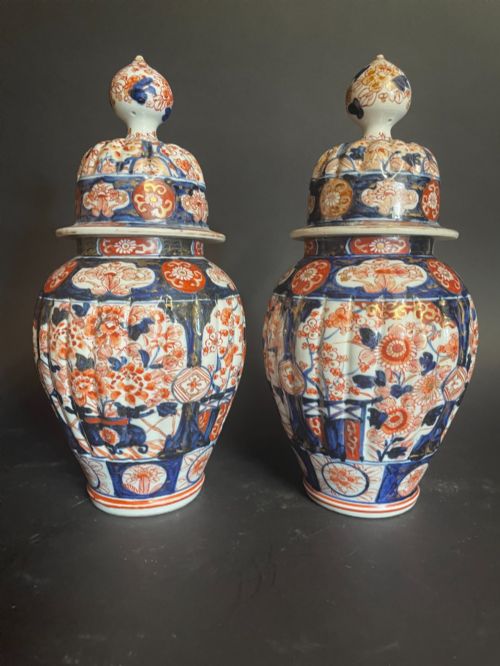
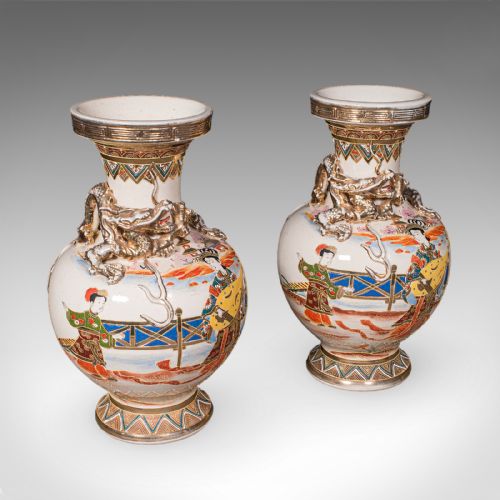
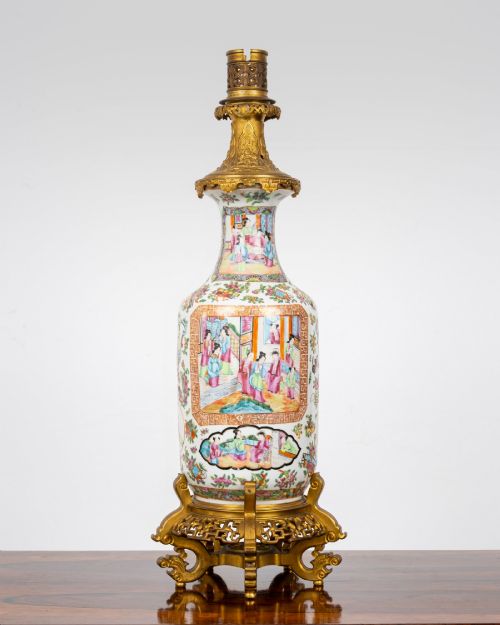
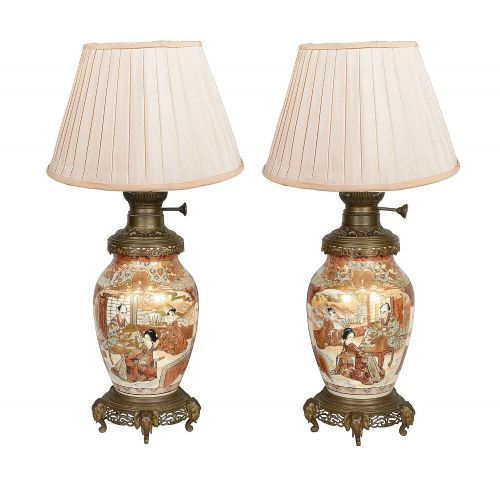



Gilt Japanese Ceramic Vase
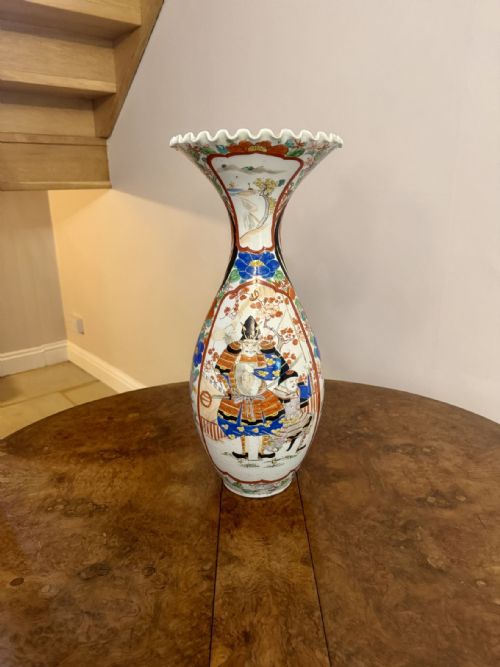
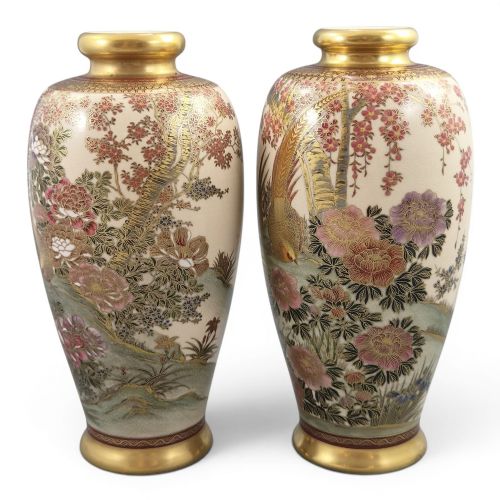
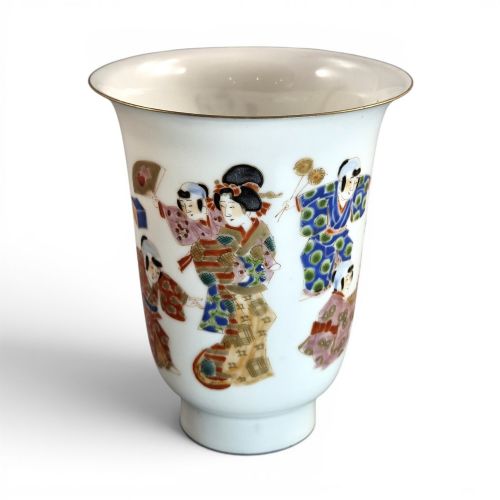
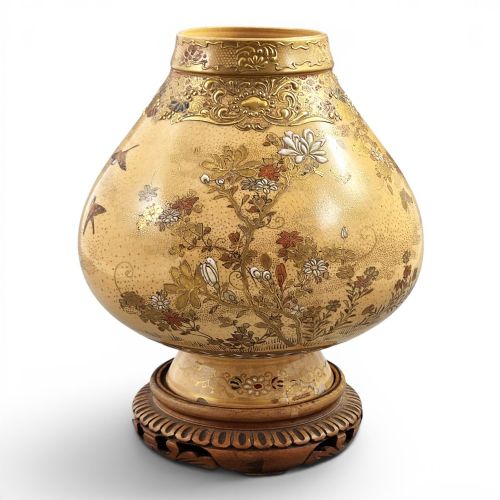
When hunting for a gilt japanese ceramic vase, you examine pieces defined by intricate hand-painted enamel and heavy gold leaf applied across Meiji and Taisho periods.

Gilt Japanese Ceramic Vase
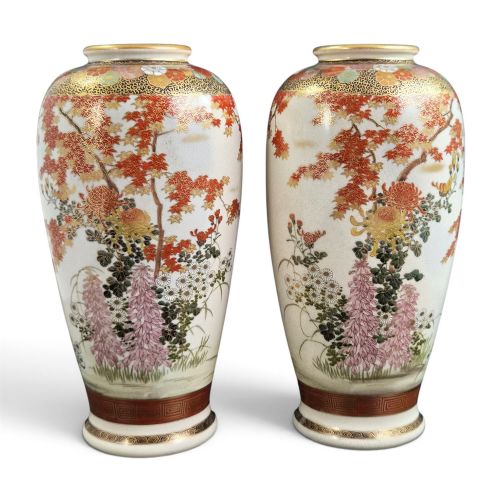
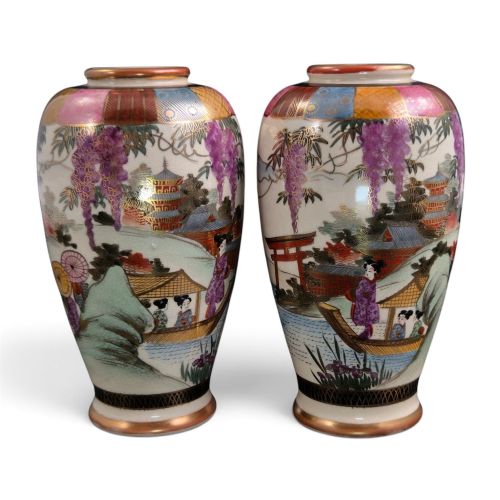
A gilt japanese ceramic vase encompasses historical forms from the nineteenth and early twentieth centuries, spanning the Meiji, Taisho, and Edwardian eras. Buyers searching this category frequently encounter Satsuma earthenware and Kutani porcelain adorned with pictorial scenes.
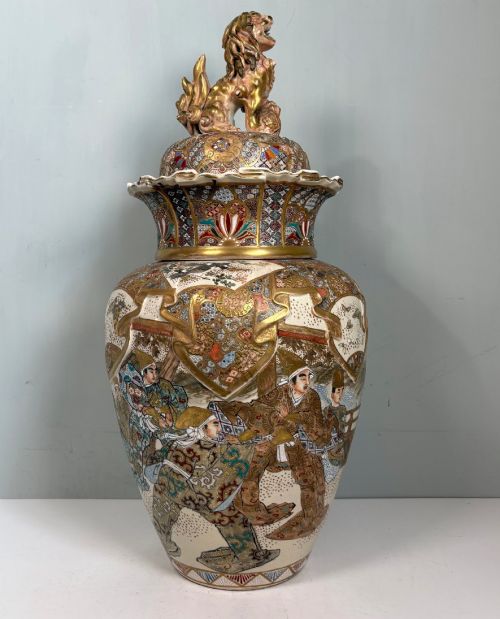
The objects take many shapes, including baluster vessels, lidded jars, cylindrical forms, and incense burners. Alongside traditional vases, numerous examples have been converted into table lamps utilising brass or gilt bronze mounts.
Origins trace primarily to Japanese workshops and kilns in Kyoto, Kobe, and Arita, though European interpretations influenced by Chinoiserie also appear. These wares range from diminutive cabinet miniatures to monumental floor vases.
How they were made
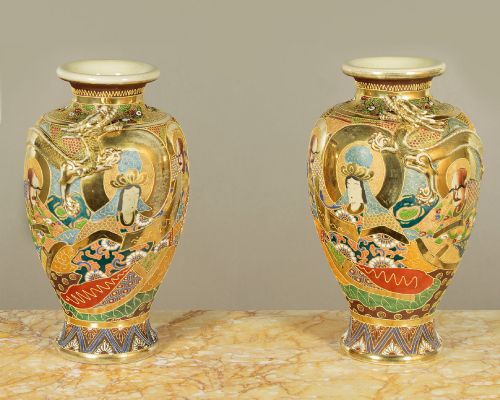
Potters shaped ceramic bodies from earthenware and eggshell porcelain, applying base glazes before hand-painting intricate court figures, landscapes, and floral motifs in enamel. Artisans then layered gold leaf and raised moriage details over the painted surface to create depth and texture.
Kiln firing set the ceramic pigments and glazes, after which specialist decorators added fine gilding lines by hand. Many pieces received maker signatures or studio seals stamped or painted on the underside before final completion.
Current listings feature porcelain and earthenware bodies decorated with enamel, gold leaf, and brass mounts across the nineteenth and twentieth centuries.
What varies in quality
Quality rests upon the precision of the brushwork and the density of the gilding. Master workshops such as Kinkozan achieved exceptional detail in facial expressions and borders, whereas lesser output relied on repetitive stencilled patterns.
The complexity of the raised moriage work and the crispness of the cobalt grounds separate standard production pieces from exhibition-grade works signed by renowned artists.
Maruni Kobe·Manpei Kobe·Kinkozan Kyoto·Chosei·Nanzan·Hakusan·Hododa·Tashiro
The Gilt Japanese Ceramic Vase Glossary
- Satsuma
- A type of Japanese earthenware featuring a crackled pale ivory glaze painted with polychrome enamels and heavy gilding. This ceramic style originated in Satsuma Province and became immensely popular for export during the Meiji period.
- Moriage
- A decorative technique where slip is piped onto ceramic surfaces to build up raised relief patterns before gilding and painting. This method adds a tactile, three-dimensional texture to floral and figural designs.
- Kutani
- Japanese porcelain or pottery distinguished by bold enamel colours, predominantly iron red and green, highlighted with gold. Kutani wares often depict landscapes, birds, and figures.
- Meiji Period
- The era of Japanese history lasting from 1868 to 1912, characterised by opening trade with the West and the production of highly ornate decorative arts. Pieces from this time frequently bear distinct studio marks.
- Imari
- Japanese export porcelain decorated in underglaze blue, iron red, and gold. These pieces typically display symmetrical floral and geometric arrangements.
Gilt Japanese Ceramic Vase: Frequently Asked Questions
How do I identify Satsuma ware?
Satsuma earthenware is recognised by its distinctive fine crackle glaze and dense gold-and-enamel decoration depicting figures or nature scenes.
Most pieces date from the Meiji period and carry painted or impressed maker signatures on the base.
Are these vases waterproof?
Many antique decorative vases were produced primarily for display rather than holding water and fresh stems.
Earthenware bodies with crackle glazes can be porous, so using a liner is recommended if you wish to use them functionally.
How should I clean my vase?
Dust the surface gently with a soft, dry brush to protect delicate raised gilding and enamel work.
Avoid using water, chemical cleaners, or abrasive cloths which can damage the historic gold leaf.
What is the difference between Kutani and Satsuma?
Kutani wares are typically porcelain characterised by vibrant red and green enamels with gold accents. Satsuma pieces use a cream-coloured earthenware body with a crackled glaze and softer pictorial scenes.