


Antique Japanese Decorative Jars
These antique japanese decorative jars bring intricate hand-painted palettes and rich metallic accents directly into your home.

Antique Japanese Decorative Jars
When searching for antique japanese decorative jars, buyers encounter covered vessels, ginger jars, and lidded pots originating from the nineteenth and early twentieth centuries. These pieces reflect distinct historical production phases, including the Meiji period and the Edwardian era.
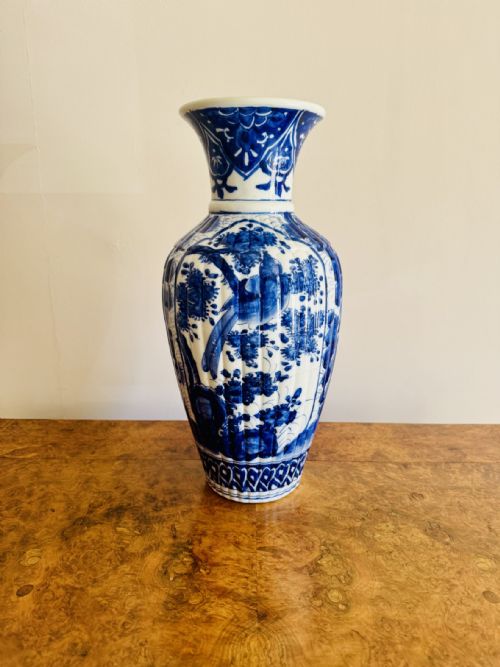
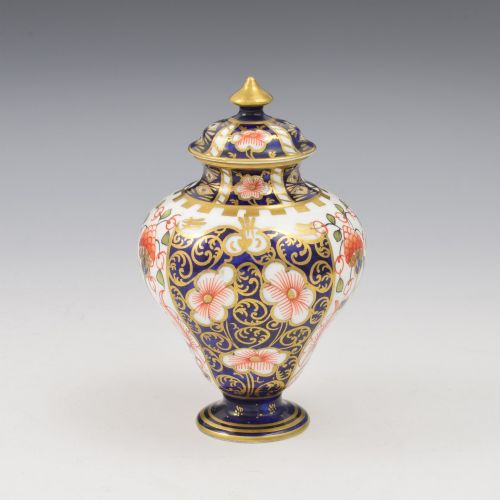
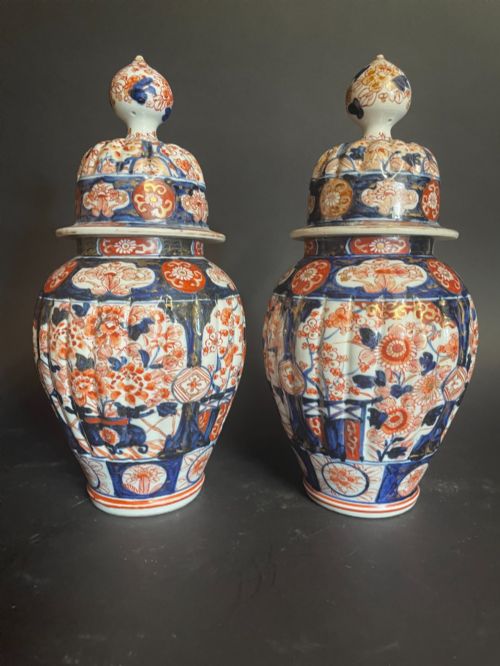
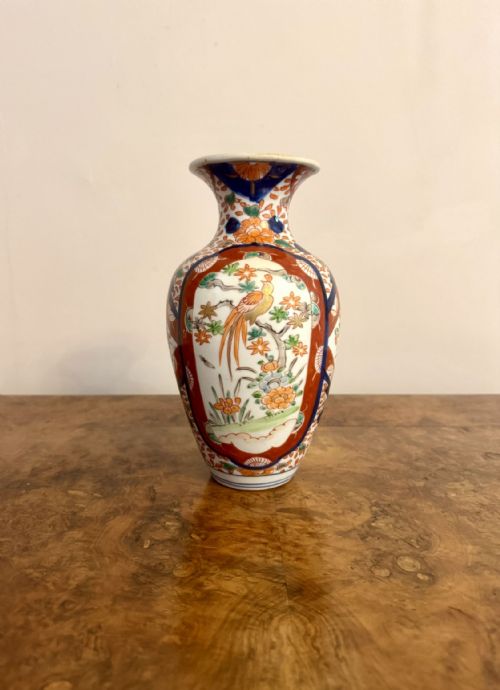
The most common examples on this page are Japanese Imari porcelain items, often featuring classic blue and iron-red designs alongside gilt highlights. Alongside these, earthenware pieces decorated in the Satsuma and Kutani styles appear frequently, ranging from miniature vessels to large lidded jars.
How they were made
Potters and artisans utilised porcelain and earthenware as the primary bases for these vessels, shaping them into fluted, hexagonal, and gourd-like forms. Surface decoration relied heavily on detailed hand-painting using rich glazes, enamel, and occasionally gold leaf.
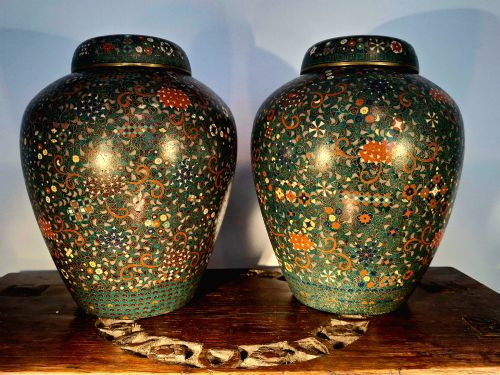
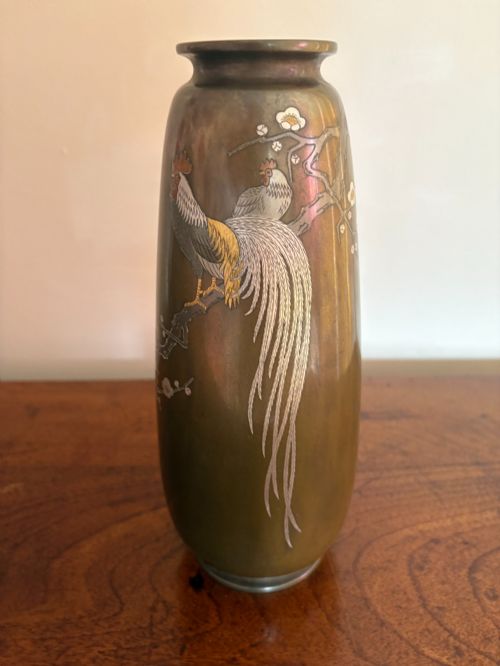
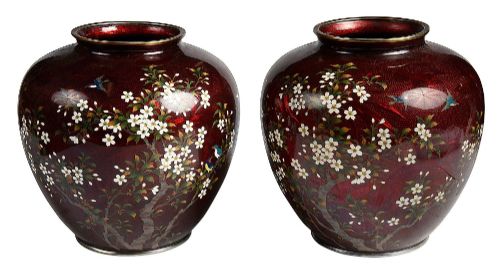
Metalworking techniques also contributed significantly to the category, particularly in cloisonné pieces where silver or copper wire outlines compartments filled with vibrant enamel. Master craftsmen fired these works repeatedly to achieve smooth, durable finishes and precise colour contrasts.
Listings feature pieces spanning the nineteenth century through the nineteen thirties, encompassing both porcelain and earthenware bodies decorated with enamel and gold leaf.
What varies in quality
The precision of the hand-painted brushwork and the complexity of the enamel work distinguish finer examples from standard production. Artisans who executed crisper outlines in underglaze blue and overglaze iron-red produced Imari and Kutani wares with superior visual depth.
In cloisonné and metal pieces, the fineness of the silver wire and the evenness of the enamel without pitting mark the upper tier of craftsmanship. Signed works attributed to known makers or distinguished potteries generally display a higher level of sculptural refinement.
KANASAWA·Ando Jubei·Kinkozan·Shuzan
The Antique Japanese Decorative Jars Glossary
- Imari
- A style of Japanese porcelain decorated in underglaze blue, iron-red, and gold. It gained immense popularity in the West during the nineteenth century.
- Satsuma
- A type of Japanese earthenware featuring a crackle-glaze ivory body decorated with polychrome enamels and gilding. These pieces often depict traditional figures and floral motifs.
- Cloisonné
- A metalwork technique where fine wire is soldered to a bronze or copper base to create cells filled with enamel paste. Firing hardens the paste into a smooth, coloured surface.
- Kutani
- A style of Japanese pottery renowned for bold colour palettes, particularly rich greens, reds, and yellows. These wares often feature detailed pictorial scenes.
Antique Japanese Decorative Jars: Frequently Asked Questions
What were antique japanese decorative jars used for?
These vessels originally served practical storage functions for spices, tea, or precious goods in traditional households. Over time, particularly during the Meiji period, production shifted toward purely decorative display pieces tailored for international export.
Today, they function as striking focal points on mantelpieces, sideboards, or display cabinets. Their intricate patterns bring traditional craftsmanship and rich historical colour into contemporary interiors.
How do I tell Satsuma ware from Imari ware?
Satsuma ware is characterised by an earthenware body covered in a fine crackle glaze, typically decorated with soft-toned enamels and abundant gold leaf. It often depicts historical figures or dense floral arrangements.
Imari ware uses a porcelain base rather than earthenware and relies on a distinct palette of deep cobalt blue, iron-red, and gold. The designs are usually geometric or botanical rather than figurative.
Can I use these lidded jars for food?
These antique vessels are intended for display and ornamental use rather than modern culinary service. Older glazes and enamels may not meet contemporary standards for food safety and can deteriorate with washing.
It is best to keep the lids in place and position them away from high-traffic areas where they might get knocked. Regular dusting with a soft, dry cloth is sufficient for their upkeep.
What is Meiji period pottery?
The Meiji period spans from eighteen sixty-eight to nineteen twelve, a time of rapid modernisation and flourishing arts in Japan. Craftspeople during this era produced extraordinary ceramics and metalwork specifically for Western export markets.
Pieces from this time often exhibit exceptional technical mastery in cloisonné, Satsuma, and Kutani styles. Their detailed execution reflects a high point in traditional Japanese decorative arts.