



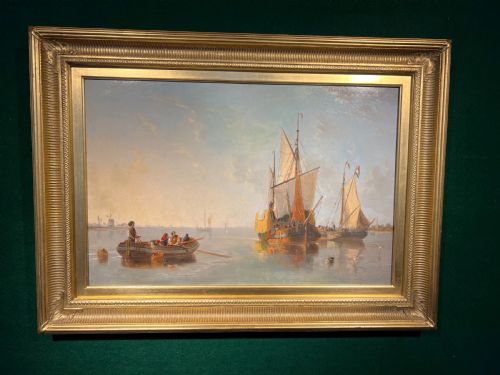
Gilt Framed Ship Art
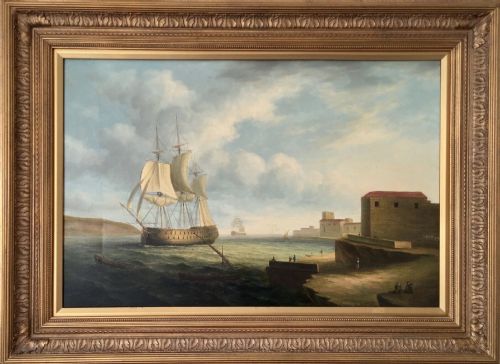
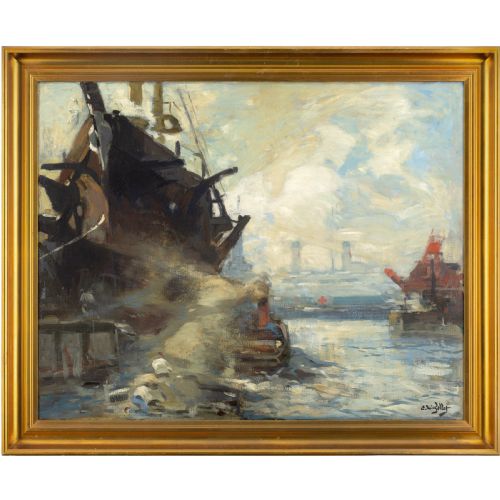
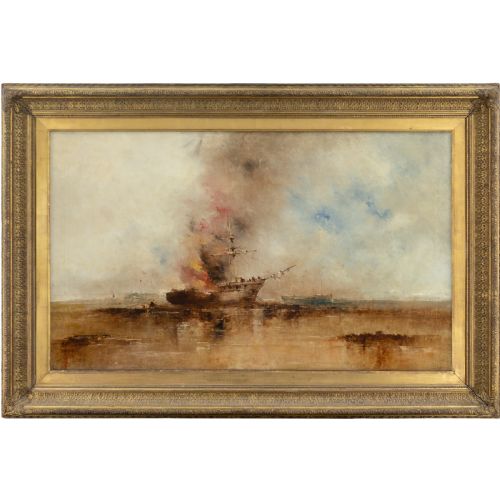
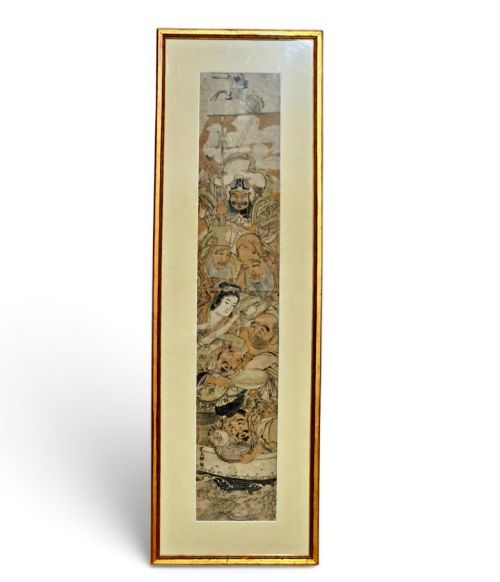
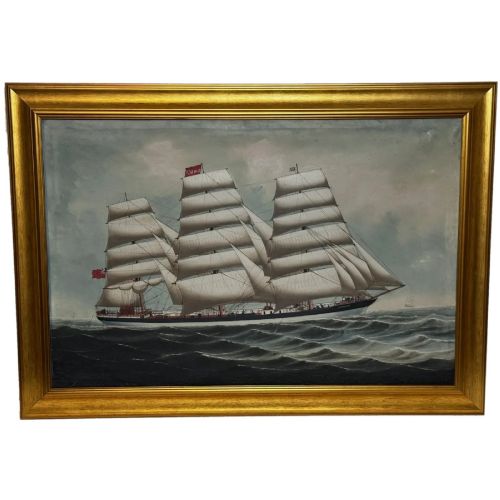
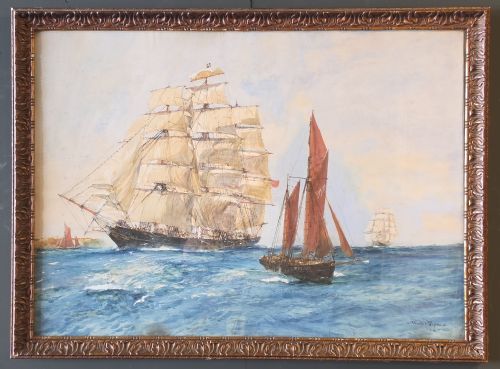
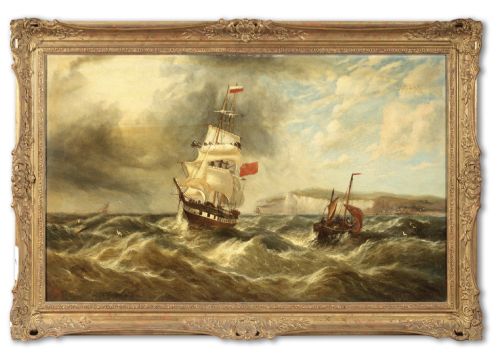
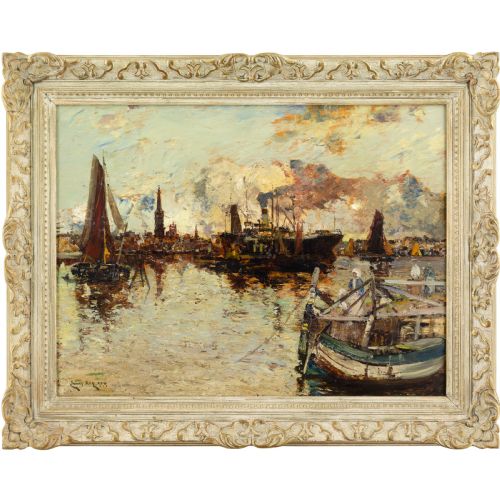
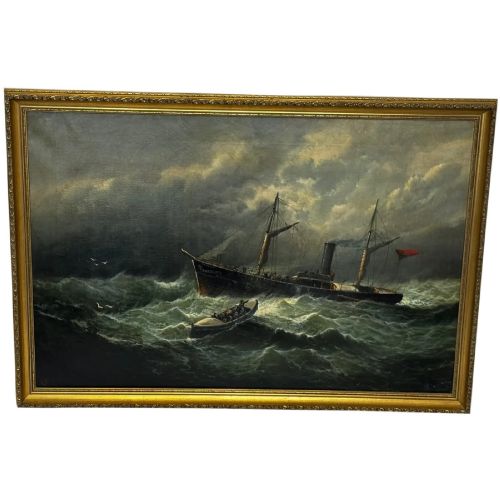
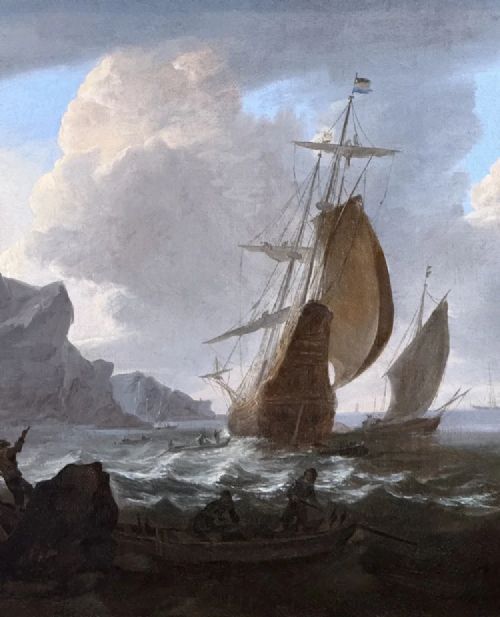
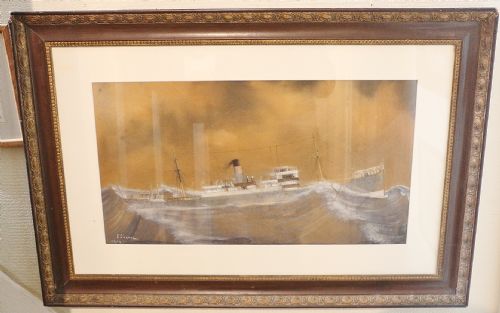
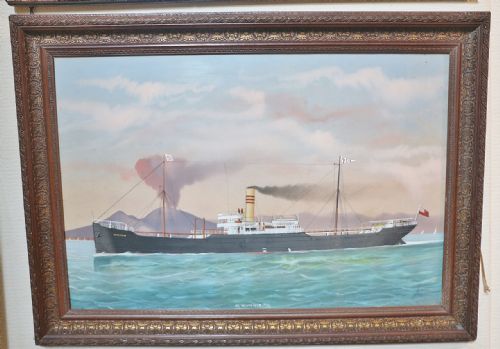
These gilt framed ship art pieces capture centuries of maritime history in oil paint and watercolour, offering a compelling focal point for any room.
Gilt Framed Ship Art
When you search for gilt framed ship art, you encounter oil paintings, watercolours and woodblock prints spanning the eighteenth, nineteenth and twentieth centuries. The selection encompasses depictions of nineteenth century marine scenes, Victorian maritime subjects and Edwardian depictions of steamships and tall ships.
You are most likely to meet nineteenth century oil paintings on canvas or panel, alongside early twentieth century watercolours and oils on board. These works range from depictions of naval warships and merchant vessels in heavy seas to peaceful coastal harbours and lighthouses.
The physical framing is integral, typically consisting of wood finished with gold leaf or gilt. These frames complement the maritime subject matter, enclosing historical portrayals of British merchant ships, European ports and international sailing vessels.
Materials and construction
Artists painted primarily in oil on canvas, wood panel or board, and applied watercolour to paper. Canvases and panels provided a durable ground for capturing complex rigging, rolling waves and atmospheric coastal light.
Frames were constructed from wood and surfaced with gold leaf or gilt. This traditional application enhanced the visual depth of the paintings and protected the perimeter of the canvas or panel.
Maritime scenes span diverse global waters, from British coastal storms and the River Thames to Valletta Harbour and the Pearl River in Hong Kong.
Judging quality in marine art
Quality rests in the handling of light, water and maritime architecture. Master painters rendered the transparency of waves, the precise rigging of three masted schooners and the atmospheric conditions of coastal storms with acute observation.
The integration between the artwork and the gilt frame matters considerably. Pieces retaining their original period frames display a harmonious relationship between the moulding, the gilding and the maritime canvas within.
Eugène-Louis Gillot·William McAlpine·Katsukawa Shunshō·Charles Edward Dixon·John Rose Miles·James Kay·William Broome·Bonaventura Peeters·Bernard Benedict Hemy·John Wilson Carmichael·Richard B. Spencer·Abraham Hulk I·Charles William Wyllie·Nicholas Condy·Thomas Bush Hardy·Charles Sim Mottram·Hendrik Willebrord Jansen·William Henry Williamson
The Gilt Framed Ship Art Glossary
- Gilt
- Wood treated with gold leaf or metallic paint to create a reflective, decorative frame border. This finish was widely utilised across the Victorian and Edwardian periods to highlight framed works.
- Marine oil painting
- A canvas or panel depicting ships, oceans or coastal scenes executed in oil paint. These works often record historical vessels, naval engagements and rescue operations.
- Barque
- A sailing vessel with three or more masts, where the foremast and mainmast are square rigged and the mizzenmast is fore-and-aft rigged. This configuration appears frequently in nineteenth century shipping art.
- Watercolour painting
- Pigments suspended in a water-soluble base applied to paper. Artists used this medium to capture swift atmospheric shifts and coastal light.
Gilt Framed Ship Art: Frequently Asked Questions
How do I date a maritime painting?
Dating relies on stylistic evidence, artist signatures, and the specific types of vessels depicted. Steamships point to the later nineteenth and early twentieth centuries, whereas three masted barques commonly indicate earlier periods.
Frame construction and canvas stamps also provide chronological markers. Examining the stretcher bars and backing materials often reveals clues about the exact decade of creation.
Were these artworks originally framed in gilt?
Many nineteenth and early twentieth century marine paintings were paired with gilt wood frames to complement the tones of the composition. Gilding added brightness and definition to the wall art.
Some pieces retain their original frames, while others have been reframed over time. Matching the period of the frame to the date of the painting is a key consideration for collectors.
What subjects are most common in maritime art?
Common subjects include merchant vessels, naval warships, fishing boats and dramatic shipwrecks in heavy seas. Artists also recorded peaceful harbour scenes, lighthouses and coastal trade.
Depictions ranged from local British coastal waters to international ports in the Mediterranean and Asia. Each subject reflected the dominant maritime commerce and naval power of its era.
How should I care for an antique oil painting?
Protect oil paintings from direct sunlight and stable environmental humidity to prevent canvas cracking and paint degradation. Avoid hanging them near heat sources that might dry out the wood panel or stretcher bars.
Dust gilt frames gently with a soft, dry brush without applying chemical cleaners. Professional conservation should be sought for any structural repairs to the canvas or the gilding.