




Gilt Framed Pastel Portrait
These pieces combine delicate pigment and ornate borders, offering a direct view into past lives through a gilt framed pastel portrait.
Gilt Framed Pastel Portrait
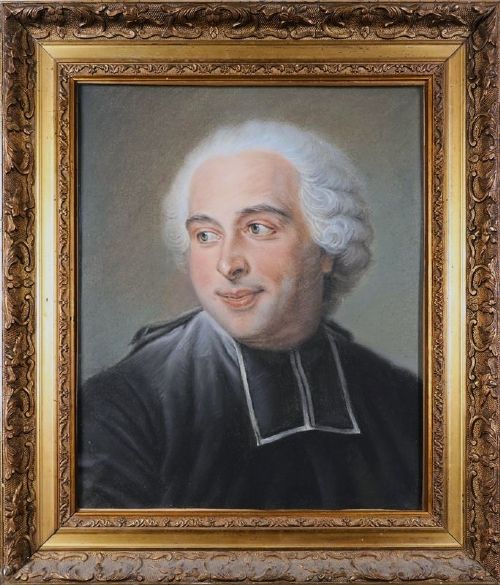
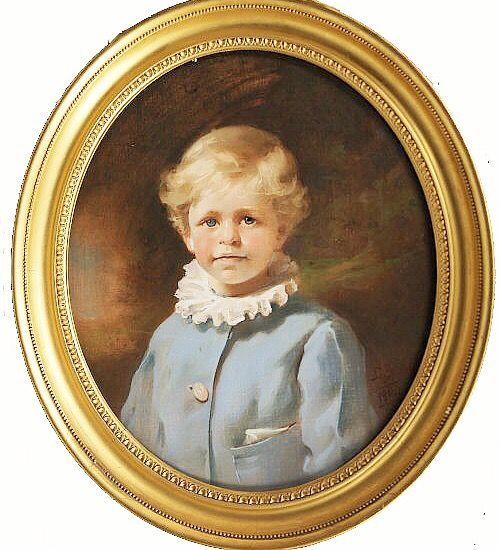
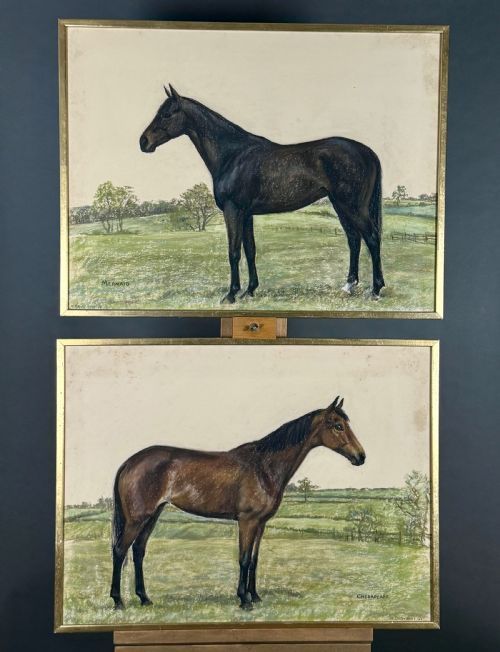
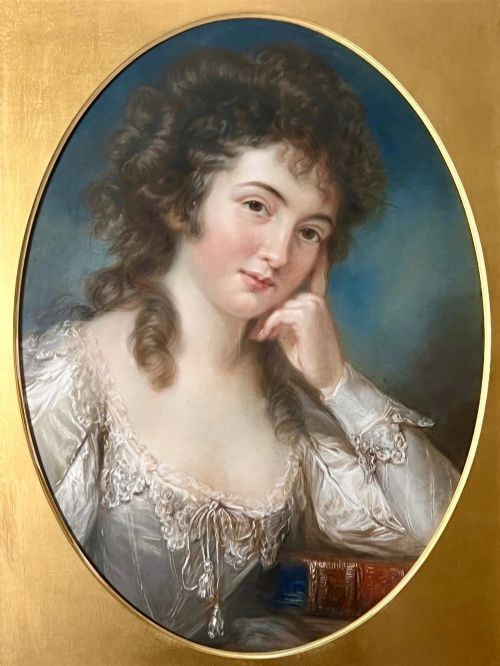
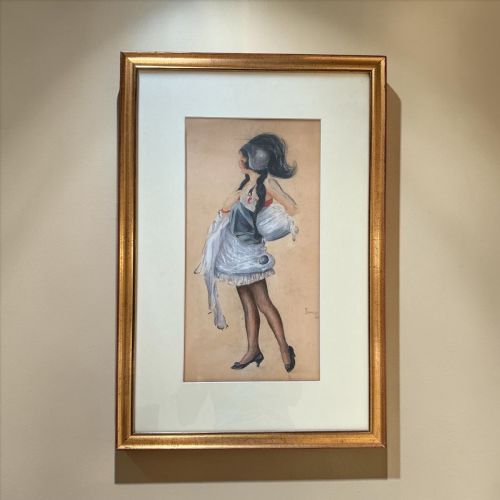
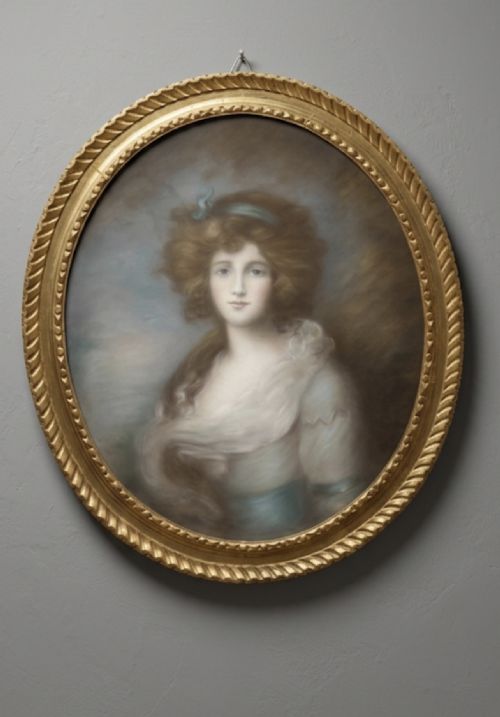
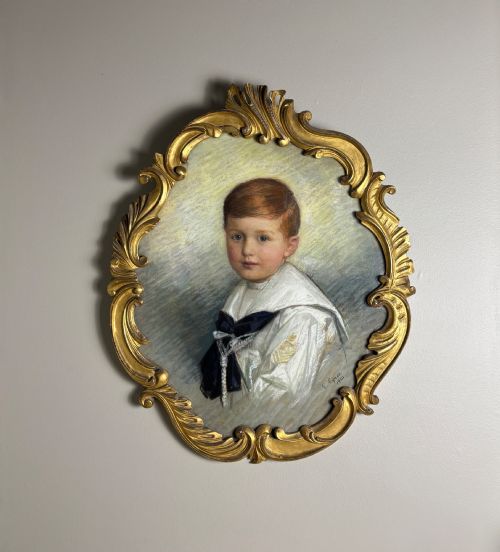
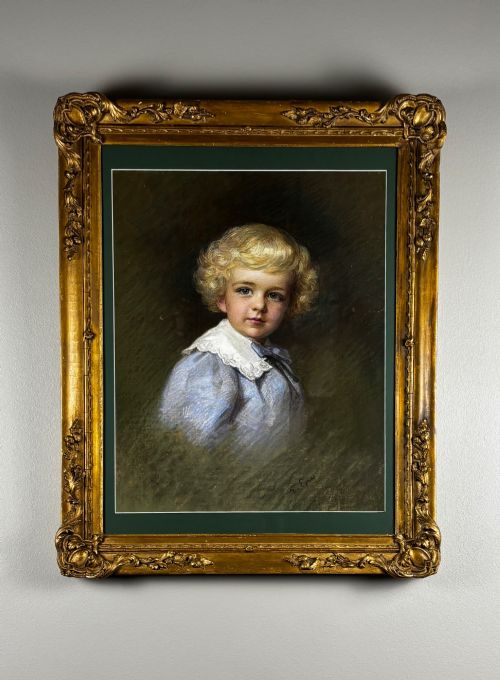
A gilt framed pastel portrait captures individual likenesses using soft chalk pigments held within wood or giltwood surrounds. These works range from eighteenth-century depictions by named hands to nineteenth-century and mid-century representations of society figures, children, and animals.
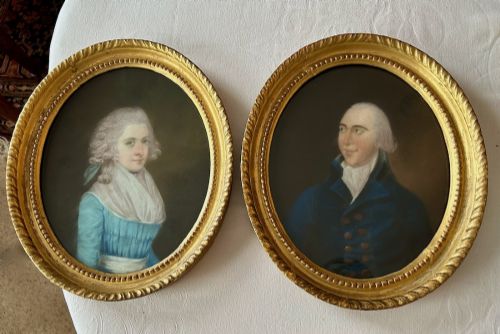
The format spans intimate oval miniatures to large gallery-scale canvases and paper drawings. Buyers commonly encounter nineteenth-century British and French school examples alongside Georgian pairs and twentieth-century studies.
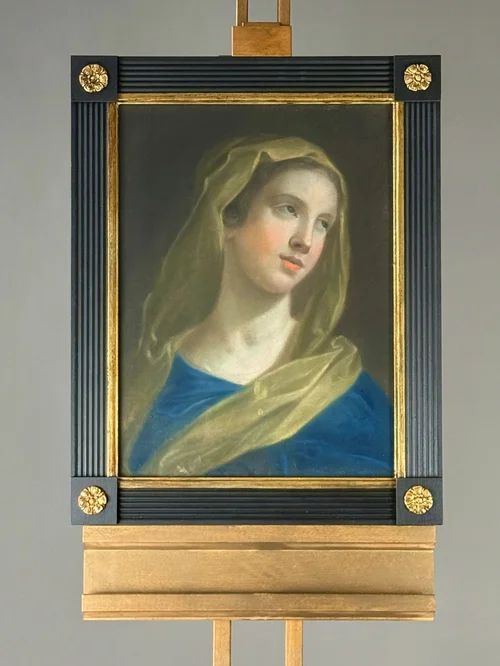
Subjects include aristocratic sitters, military officers, elegant ladies, and domestic animals rendered on paper, canvas, or board. Each composition relies on the interplay between the chalk medium and its protective glass and gilded enclosure.
How they were made
Artists built these images using sticks of pure powdered pigment bound with a minimal gum, applied directly to heavy paper, board, or canvas supports. Because pastel powder lacks liquid binder, the finished drawing requires placement behind glass to prevent the delicate pigment from shifting.
The surrounding frames utilise carved wood finished with gold leaf or giltwood techniques. These borders protect the fragile artwork while providing the decorative weight characteristic of Georgian, Victorian, and later periods.
Gilt Framed Pastel Portrait Retail Price Guide 2026
Typical asking prices for gilt framed pastel portrait among the pieces listed under this phrase on Sellingantiques today, from the lower quarter to the upper quarter. They describe what is for sale here now, not the wider market.
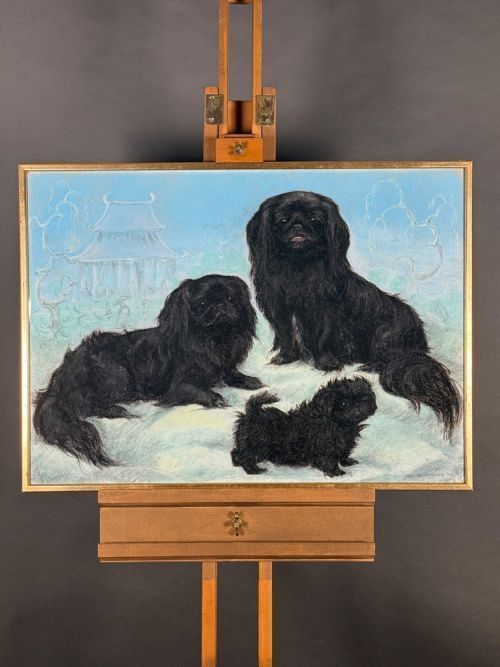
Several pastels preserve the intense gazes of nineteenth-century nursery poodles and Pekingese dogs.
What varies in quality
Quality rests upon the artist's handling of the dry medium, distinguishing hurried sketches from works that capture nuanced skin tones and fabrics. Master practitioners achieve depth and luminosity through layered strokes rather than heavy blending.
The integrity of the original frame alters the piece; period giltwood mouldings that retain their original gold leaf hold greater historical consistency than later replacements. The condition of the underlying paper or canvas, free from heavy foxing or moisture damage, dictates the longevity of the artwork.
James Sharples·Emily Eyres·Benedetto Luti·John Russell·Gerrit Schipper·Aubrey Sykes
The Gilt Framed Pastel Portrait Glossary
- Pastel
- A dry painting medium composed of powdered pigment and a binder rolled into sticks. It allows for subtle colour blending and immediate marks.
- Giltwood
- Timber carved and coated with gold leaf or a metallic finish. This material forms the ornate border surrounding the artwork.
- Gouache
- An opaque water-based paint sometimes combined with pastel in these works. It adds dense highlights and solid areas of colour.
- Foxing
- Brown age spots that appear on old paper due to chemical reactions. This condition often affects unprotected paper works over centuries.
Gilt Framed Pastel Portrait: Frequently Asked Questions
Where should I hang these?
Select interior walls that avoid direct sunlight and major temperature fluctuations, as UV rays degrade pastel pigments and gold leaf over time. Hanging them away from damp areas like kitchens protects the paper support from moisture damage.
Ensure the wall fixings match the weight of the timber and plaster frame. Stable indoor humidity preserves both the gilded wood and the dry chalk medium.
Are these works original?
Authentic period pieces show age-appropriate wear to the backing boards, paper fibres, and gold leaf gilding. Examining the surface under magnification reveals individual chalk strokes rather than modern printing dots.
Historical portraits often feature period inscriptions, artist signatures, or old exhibition labels on the reverse. Comparing the materials to documented examples from the same decade confirms authenticity.
How do I date the frame?
Frame styles follow historical periods, with Georgian examples showing hand-carved wooden profiles and Victorian versions often utilising applied composition ornament. The type of gold leaf application and the timber used on the reverse provide clues to the manufacturing decade.
Original frames frequently display shrinkage cracks in the gesso and minor losses to the gilding that match the age of the portrait within.