
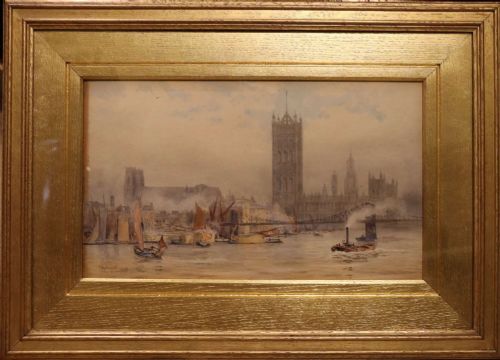
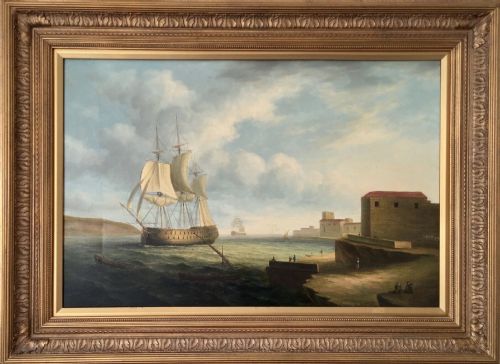
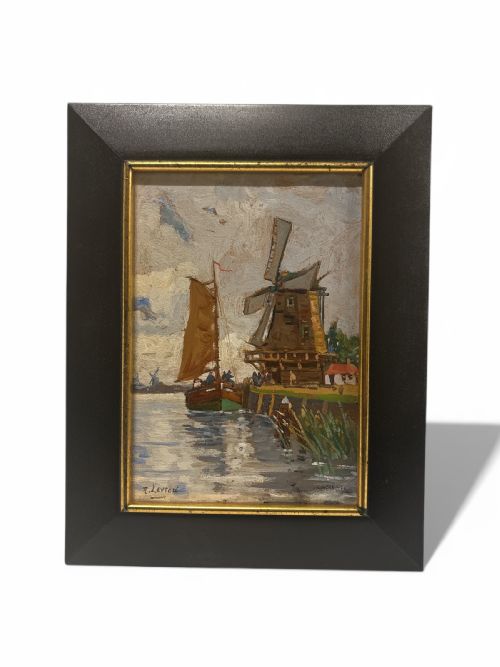


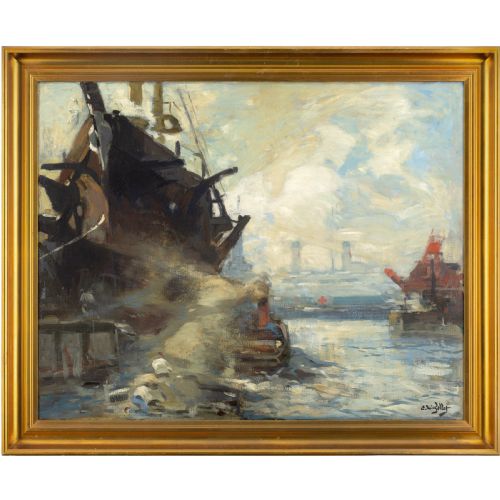
Gilt Framed Nautical Artwork
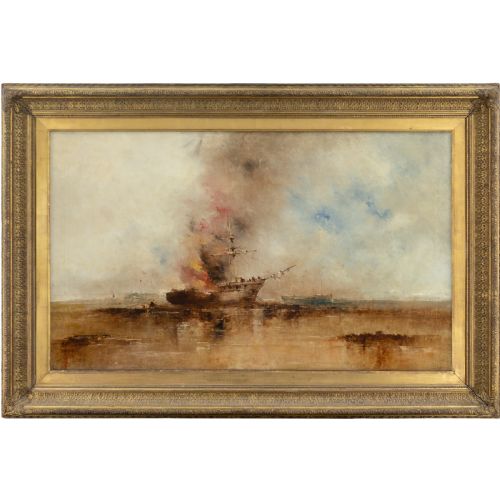
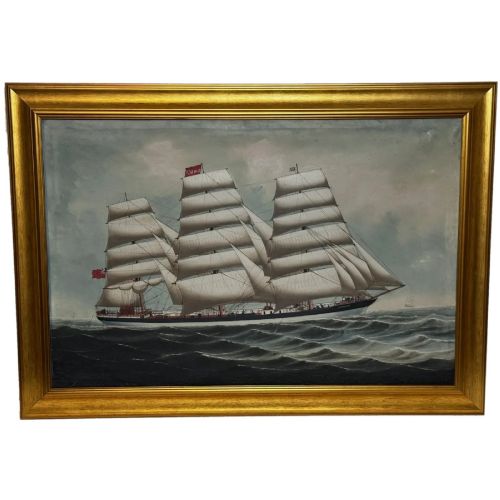
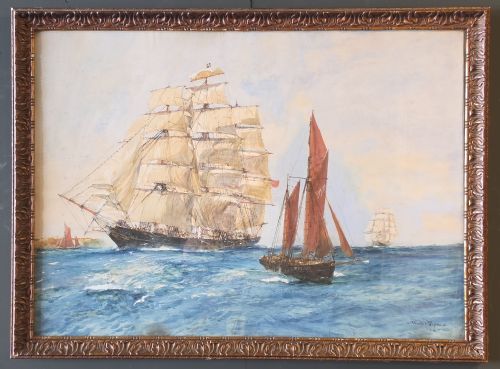
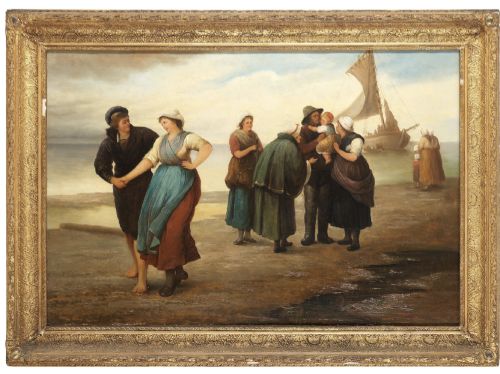
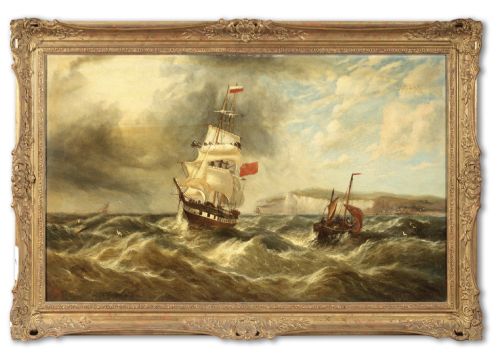
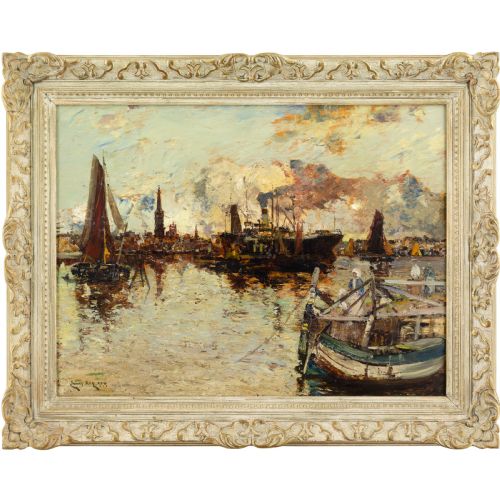
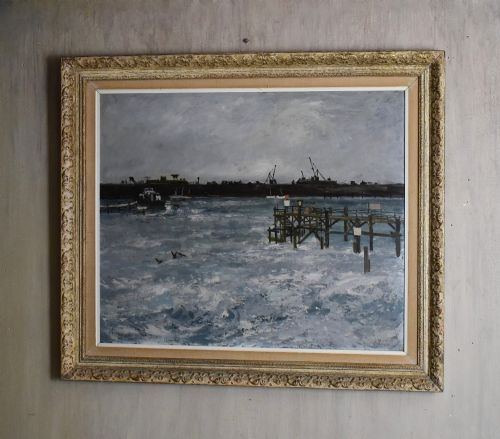
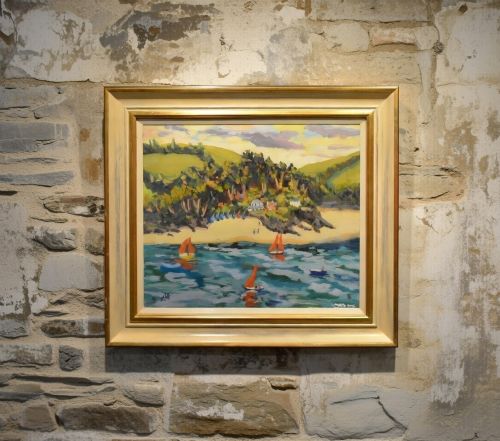
When you search for gilt framed nautical artwork, you are looking at oil paintings and watercolours depicting maritime scenes housed in gilded wooden surrounds.
Gilt Framed Nautical Artwork
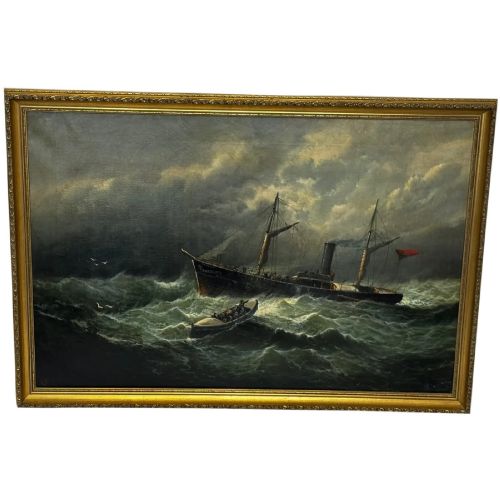
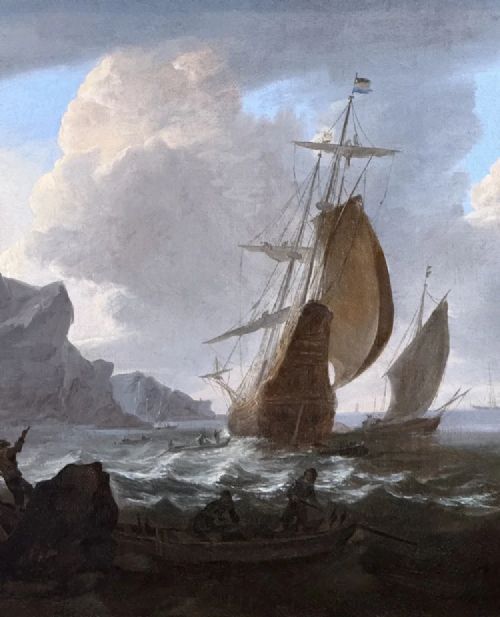
When you search for gilt framed nautical artwork, you are examining paintings that capture marine scenes, harbours, and ships at sea from the nineteenth and early twentieth centuries. These works predominantly take the form of oil paintings on canvas or board, alongside watercolours on paper, framed in gold-toned wooden surrounds.
The selections span periods such as the Victorian era, the Edwardian years, and the early twentieth century, reflecting naval vessels, coastal landscapes, and merchant shipping. Victorian marine art and Edwardian coastal scenes dominate the selection available on this page.
Buyers encounter depictions of galleons, steamships, and sailing barques created by named artists and regional schools. The physical presentation relies heavily on period wooden frames finished in gilt to highlight the maritime subject matter within.
How they were made
The physical construction of these pieces combines traditional canvas or wooden panel supports with oil paint or paper supports for watercolours. Artists applied pigments to build up sea spray, turbulent waves, and shifting skies, often working en plein air or translating studio sketches into finished maritime portraits.
Surrounding the artwork, the frames are built from wood moulded into profile shapes and finished with a layer of gilt, sometimes using gold leaf over a gesso base. This combination of oil on canvas and gilded wooden moulding defines the physical construction of the category.
Sailors evidently appreciated a safe return, given the recurring artistic demand for depictions of ships successfully navigating stormy waters.
What varies in quality
The distinction between works rests on the artist's ability to render the movement of water, the rigging of vessels, and atmospheric light conditions accurately. Finer examples display confident brushwork in rendering rough seas and accurate architectural details of ships, whereas simpler pieces rely on formulaic waves and generic hulls.
Frame craftsmanship also dictates the overall standard, with hand-carved wooden mouldings and deep gilding outperforming plain flat frames. The handling of scale, perspective, and maritime knowledge separates standard decorative watercolours from significant historical marine paintings.
H. Medlycott·James Hardy·R Leyton·Eugène-Louis Gillot·William McAlpine·Reginald Arthur Borstel·Charles Edward Dixon·John Rose Miles·James Kay·William Broome·Bonaventura Peeters·Peter Brannan·Lucy Pratt·Willem Bos·F Corpuz·John Wilson Carmichael·Richard B. Spencer·William Henry Williamson·Bernard Benedict Hemy·George Stanfield Walters·Abraham Hulk I·Charles Napier Hemy·Gustave De Bréanski·Pieter Cornelis Dommersen
The Gilt Framed Nautical Artwork Glossary
- Oil on Canvas
- A painting medium where pigments suspended in drying oil are applied to stretched fabric. This technique allows for rich colour blending and textured depictions of water.
- Gilt Wood
- Timber that has been coated with gold leaf, metal leaf, or a gold-coloured finish. It provides a reflective border that isolates the marine scene from its surroundings.
- Marine Art
- Any form of visual art that depicts or draws primary inspiration from the sea. This genre includes depictions of naval battles, shipping, and coastal harbours.
- Watercolour
- A painting method in which the paints are made of pigments suspended in a water-based solution. These works on paper offer translucent washes suited to coastal skies.
- Barque
- A sailing vessel with three or more masts having the fore- and mainmasts square-rigged and the mizzenmast fore-and-aft rigged. This ship type appears frequently in nineteenth-century maritime paintings.
Gilt Framed Nautical Artwork: Frequently Asked Questions
How do I date a maritime painting?
Dating relies on the rigging and type of vessels depicted, artist signatures, and the construction style of the wooden frame. Nineteenth-century works often feature distinct canvas stamps and stretcher types.
Changes in maritime technology, such as the introduction of steamships during the Edwardian period, provide clear chronological markers for undated canvases.
Are watercolours as durable as oils?
Watercolour paintings on paper require protection behind glass to prevent moisture damage and fading from direct sunlight. Oil on canvas is more robust but still benefits from stable room environments.
Both mediums have survived centuries when kept away from damp conditions and extreme temperature fluctuations.
What is the difference between marine and coastal art?
Marine art focuses primarily on ships, naval engagements, and the open sea. The vessel is usually the central subject of the composition.
Coastal art places greater emphasis on the shoreline, harbours, cliffs, and beach life, with shipping often playing a secondary role in the landscape.
Should the frame match the painting's period?
Many surviving works retain their original gilt wooden frames, which reflect the aesthetic tastes of the era in which the canvas was painted. Period-appropriate framing enhances the historical context of the artwork.
Replaced frames are common, but collectors prefer those that complement the depth and tone of the nineteenth-century palette.