




Vintage Marine Vessel Art
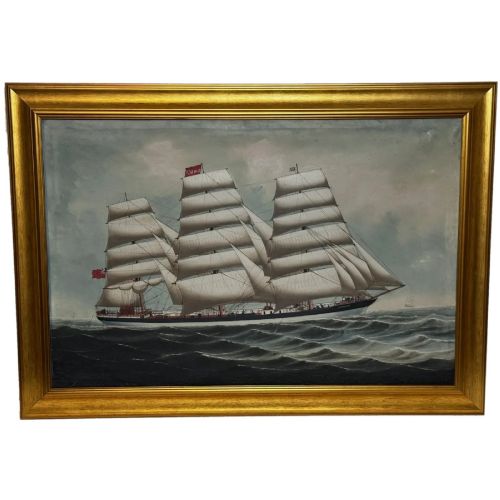
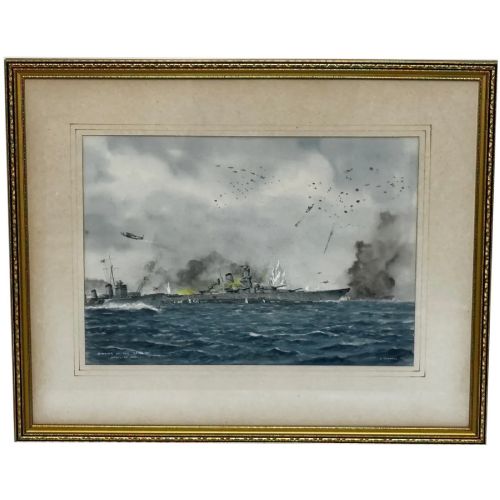
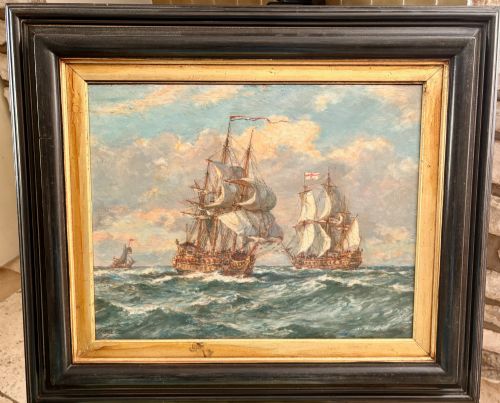
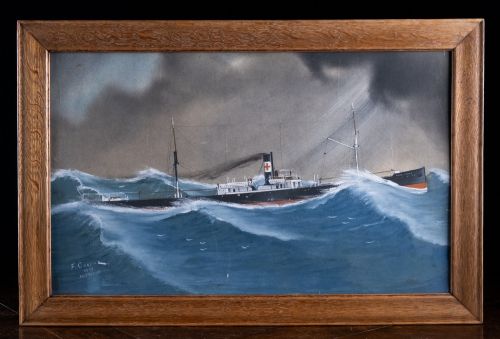
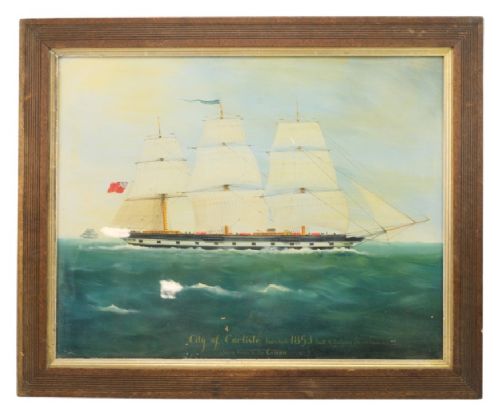
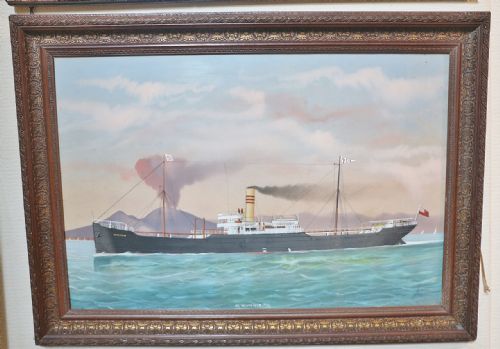
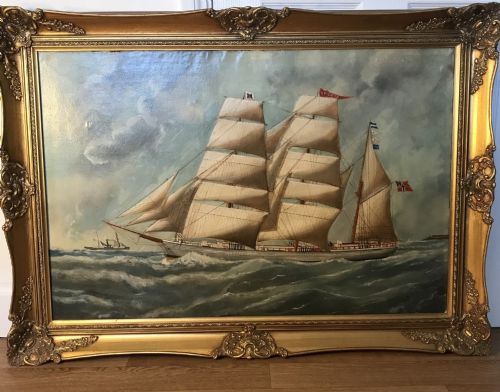
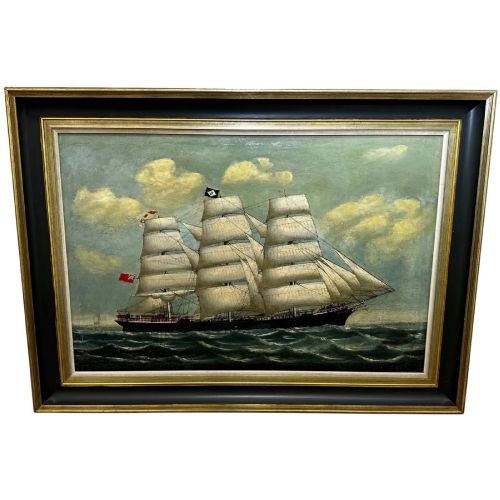
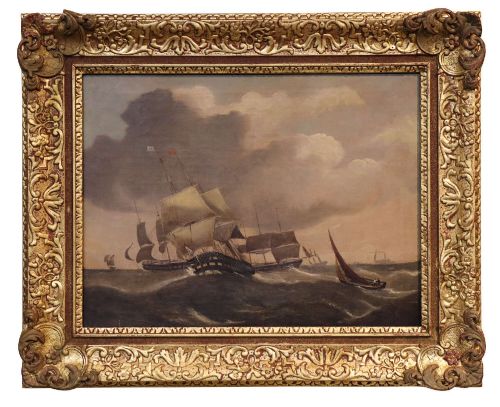
Vintage marine vessel art captures the maritime heritage through maritime scenes, naval battles, and detailed portraits of historical ships.
Vintage Marine Vessel Art
Vintage marine vessel art encompasses paintings, watercolours, and dioramas depicting ships at sea, coastal harbours, and naval engagements. These works originate from periods spanning the nineteenth century through the mid-twentieth century.
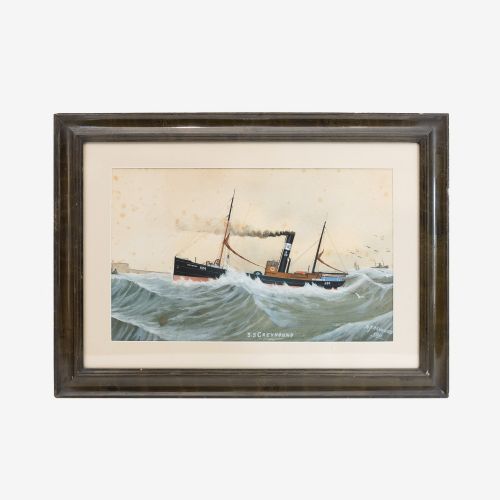
Buyers encounter oil paintings on canvas or board, alongside works executed in watercolour and gouache. Subject matter ranges from steamships and three-masted barques to fishing trawlers and ironclad battleships.
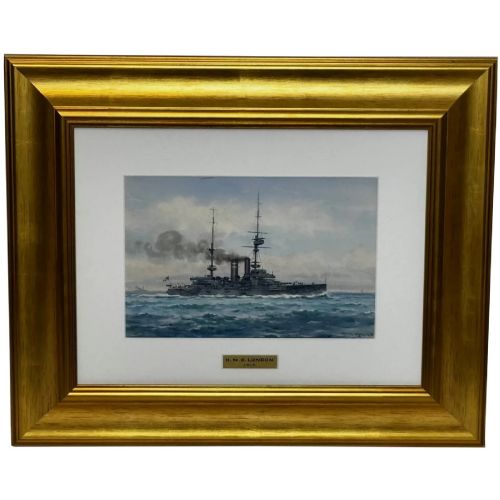
The selection includes specific vessel portraits such as the HMS London and the clipper Slieve Roe alongside broader seascapes. Pieces reflect Victorian, Edwardian, and mid-century stylistic approaches to maritime subjects.
Materials and methods of construction
Artists utilised oil paint on canvas or wooden boards to render heavy seas, skies, and vessel hulls with rich texture. Watercolours and gouache on paper or board allowed for precision in recording rigging, flags, and architectural details of ships.
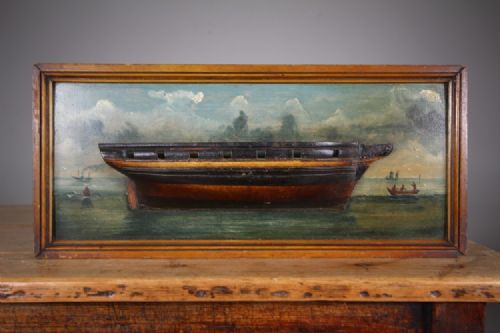
Framed dioramas incorporated carved wooden elements and canvas to construct three-dimensional models of vessels like the Queen Anne. Gilt frames were frequently employed to finish and protect these wall art pieces.
Supports such as paper, canvas, and wooden board received preparatory grounds before the application of paint mediums by maritime painters and pierhead artists.
A French navy gouache serves as a sailor's sentimental tribute to his shipmates.
Distinctions in quality and execution
Quality rests upon the artist's technical command in rendering accurate ship construction, rigging, and atmospheric conditions such as heavy seas or coastal light. Works by documented marine specialists demonstrate superior draughtsmanship compared to generic amateur productions.
The historical significance of the depicted vessel, such as named naval ships or merchant barques documented in port records, elevates the standing of an artwork. Condition of the underlying canvas, paper, or diorama structure similarly dictates the integrity of the piece.
Reginald Arthur Borstel·Eric Tufnell·Frank Watson Wood·Bernard Gribble·F. Corpuz·Bernard Benedict Hemy·Alexander Harwood·Vincenzo D'Esposito·William Frederick Settle·George Shaw·Dion Pears·Marie Edouard Adam·Gustave De Breanski·Joseph Heard·Paul Jean Clays
The Vintage Marine Vessel Art Glossary
- Pierhead painting
- A specialised genre of marine art depicting specific commercial ships, usually commissioned by captains or owners when in port. These works prioritize accurate vessel portraits over artistic abstraction.
- Diorama
- A three-dimensional display incorporating sculpted ship models set against a painted maritime backdrop. These objects utilise carved wood and canvas to create depth.
- Gouache
- An opaque water-based medium often combined with watercolour on paper or board. It permits solid areas of colour and sharp detail in maritime illustrations.
- Seascape
- A work of fine art focused primarily on the sea, coastal views, or marine weather. This term encompasses both calm coastal scenes and depictions of ships in storms.
Vintage Marine Vessel Art: Frequently Asked Questions
What is vintage marine vessel art?
Vintage marine vessel art consists of paintings, watercolours, and dioramas depicting ships, naval battles, and coastal scenes created during the nineteenth and twentieth centuries.
These works record specific vessels, maritime history, and the evolution of shipping through detailed artistic representation.
How were these maritime artworks created?
Artists used oil paint on canvas or board, as well as watercolour and gouache on paper, to capture ships and seascapes.
Dioramas were constructed using carved wooden ship models set against painted canvas backgrounds to achieve a three-dimensional effect.
What subjects appear in these paintings?
Subjects range from named naval ships and passenger steamers to fishing trawlers, clipper ships, and merchant barques.
Many pieces document specific historical vessels or depict ships operating in heavy seas and busy harbours.
How should I display marine art?
These framed artworks and dioramas suit wall hanging in spaces protected from direct sunlight and excessive humidity.
Proper framing preserves the paper, canvas, and wooden components of nineteenth and twentieth-century maritime pieces.