



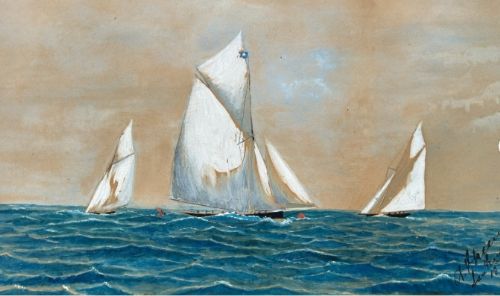
Blue Sea Seascape Painting
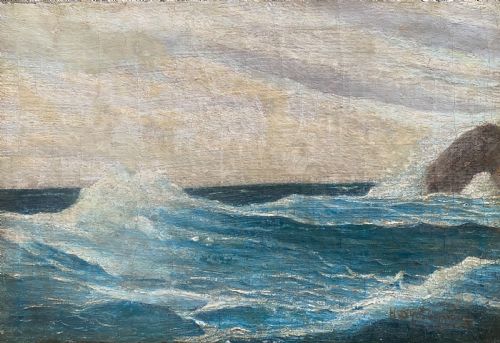
A blue sea seascape painting captures the movement and light of coastal waters, offering a window into maritime history through the brush of past artists.
Blue Sea Seascape Painting
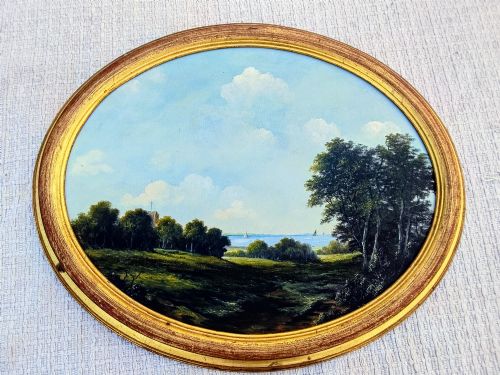
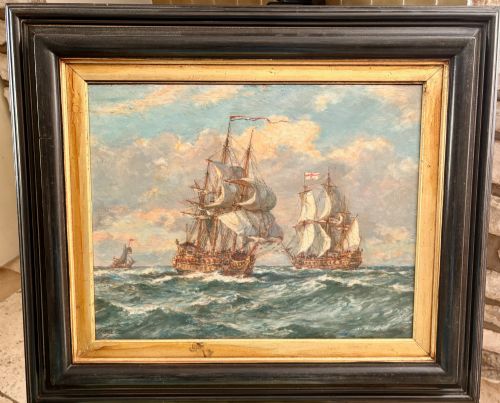
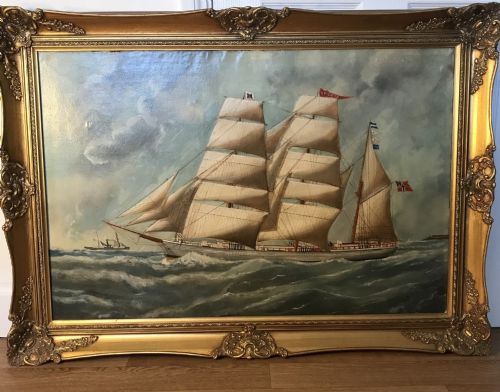
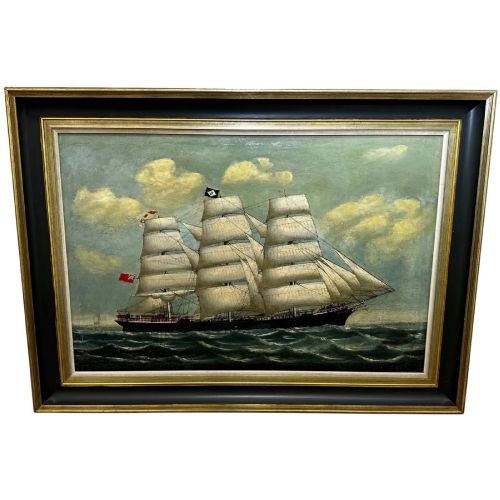
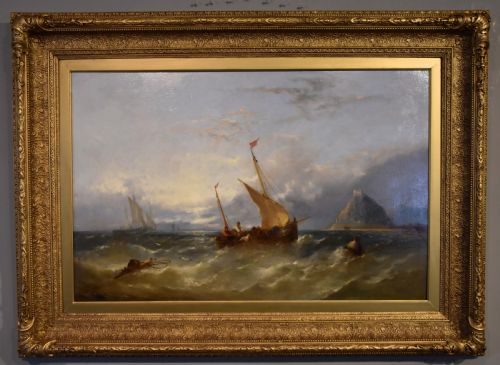
A blue sea seascape painting focuses on marine views, coastal harbours, and ships navigating open waters. Buyers looking at this selection will find works spanning the nineteenth century through the mid twentieth century, encompassing Victorian marine art, Edwardian coastal scenes, and later impressionist interpretations.
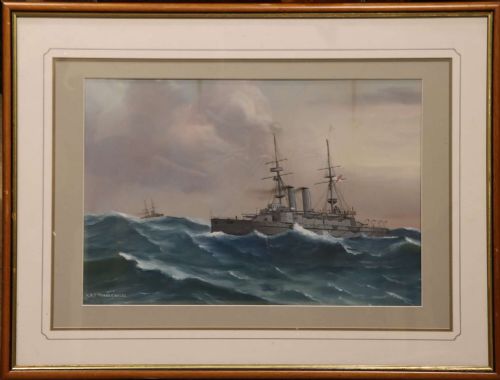
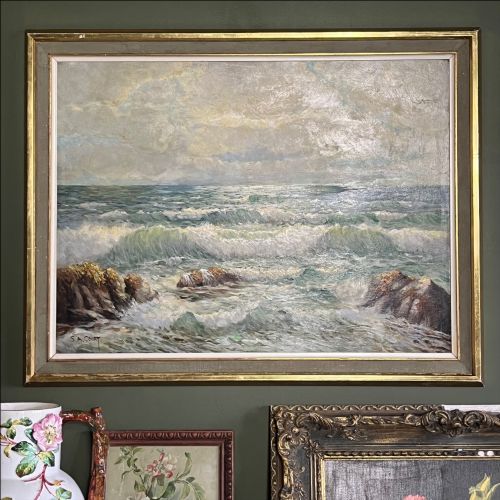
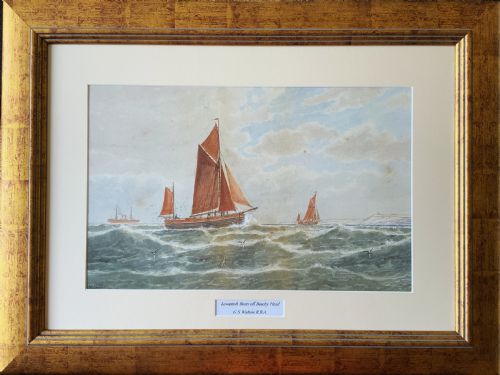
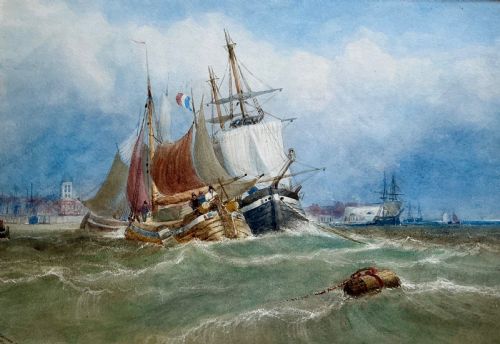
The most common versions met on this page include watercolours and oil paintings on canvas, paper, or board, depicting fishing boats, naval vessels, and rugged shores. These pieces often capture specific locations such as Cornish harbours, French coastal towns, and bustling shipping lanes.
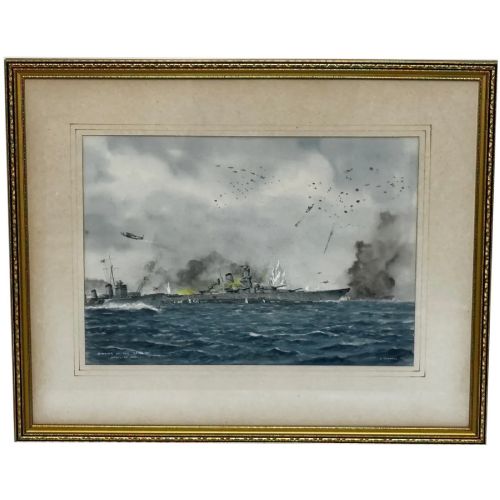
Makers range from named British and European artists working in traditional realist or impressionist styles to anonymous school paintings. The subjects vary from tranquil beach scenes with fishing boats to dramatic depictions of stormy seas and naval battles.
Materials and techniques
Artists utilised oil paint and watercolour as the primary mediums, applying them to stretched canvas, heavy paper, card, or wooden boards. Oil paintings on canvas often employ textured brushwork, particularly in en plein air works that capture changing coastal light and atmosphere.
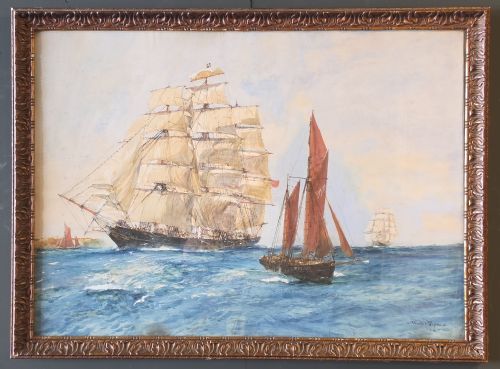
Watercolour paintings rely on washes and fine detailing on paper to render transparent effects in water and sky, frequently mounted behind glass within gilt wood frames. Gouache is also present, offering a more opaque finish for detailed maritime illustrations and dramatic storm scenes.
Materials recorded across the inventory include canvas, paper, wood, glass, and traditional gilt wood frames.
Factors that define quality
The strength of a blue sea seascape painting rests on the artist's ability to render the weight and motion of water, the play of light on the surface, and the accurate rigging of vessels. Works by established painters display a confident handling of atmosphere and perspective that elevates them above standard commercial school pieces.
Condition and originality play significant roles in the standing of a piece, including the preservation of the original pigment vibrancy and the integrity of the support material, whether canvas or paper. Contemporary framing, particularly period gilt wood surrounds, further influences the overall presentation and integrity of the artwork.
James Orrock·Sidney A Court·Charles Edward Dixon·Eric Tufnell·William Banks Fortescue·Bernard Gribble·Bernard Benedict Hemy·Lai Fong·William Henry Williamson·George Stanfield Walters·Henry Barlow Carter·Charles Napier Hemy·Jean Baptiste Olive·William Lee Hankey·Daniel Sherrin·George Shaw·Charles Malfroy·Stephen J Renard·Ah Hee Studio·Dion Pears·George Gregory·Frederick Stuart Richardson·Thomas Rose Miles·Percy Brooke
The Blue Sea Seascape Painting Glossary
- En plein air
- Painting outdoors to capture the direct effects of light and air on the subject. This method was widely adopted by nineteenth and twentieth century artists depicting coastal scenes.
- Gouache
- An opaque watercolour paint that dries to a matte finish. It allows artists to build rich highlights and deep tones in maritime illustrations.
- Marine art
- Artistic works that focus on or draw main inspiration from the sea. This genre encompasses ship portraits, coastal landscapes, and naval battle scenes.
- Canvas
- A closely woven heavy fabric used as a surface for oil painting. It is typically stretched over a wooden frame before application.
- Provenance
- The chronological history of the ownership of a work of art. It helps establish authenticity and historical context for antique paintings.
Blue Sea Seascape Painting: Frequently Asked Questions
What subjects appear in these paintings?
The works depict a wide array of maritime and coastal subjects, including fishing boats returning to harbour, merchant sailing ships, and naval vessels in open water. Many pieces focus on specific British and European coastal locations, capturing local maritime trades and dramatic weather.
Other scenes offer quieter coastal views, featuring beachgoers, lighthouses, and rocky shorelines under varying atmospheric conditions.
How do I date a seascape painting?
Dating relies heavily on stylistic clues, artist signatures, framing materials, and the construction of the canvas or paper support. Victorian and Edwardian works often feature specific riggings on ships and distinct clothing styles in figures on the shore.
Examine the reverse of the canvas or framing for old dealer labels, inscriptions, or exhibition dates that provide documentary evidence of the creation period.
Where were these maritime scenes painted?
Artists painted these scenes along various coastlines, frequently setting up their easels in renowned fishing ports and harbour towns across Britain and continental Europe. Locations such as Cornwall, the Isle of Wight, and French coastal regions appear repeatedly in the works.
Many paintings were executed en plein air directly on site, while others were developed in studios using preliminary sketches and watercolours.
How should I display a watercolour seascape?
Watercolour paintings require protection from direct sunlight to prevent the fading of delicate pigments on paper. They should be hung away from moisture-rich areas and framed behind glass with acid-free mounts.
Period gilt wood frames complement the aesthetic of nineteenth and early twentieth century marine art while maintaining the historical context of the piece.