

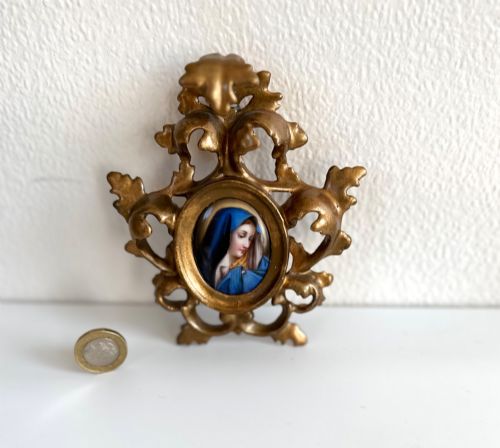
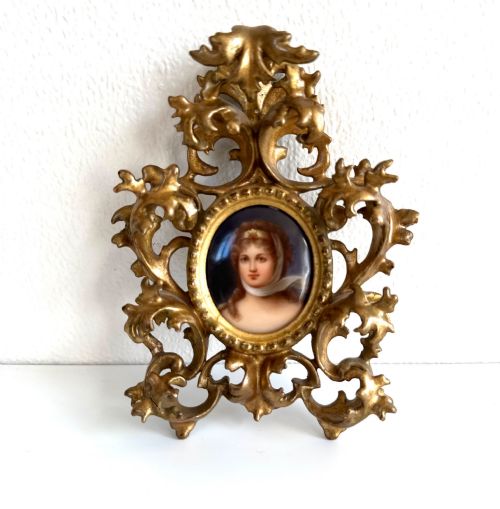
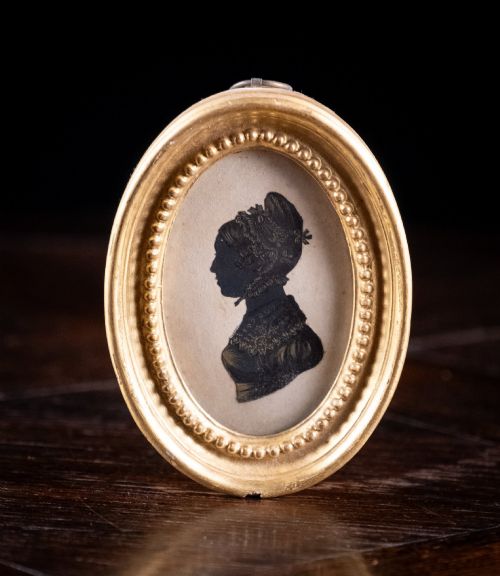
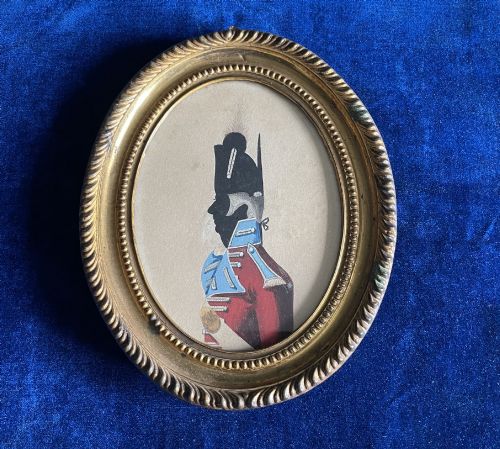
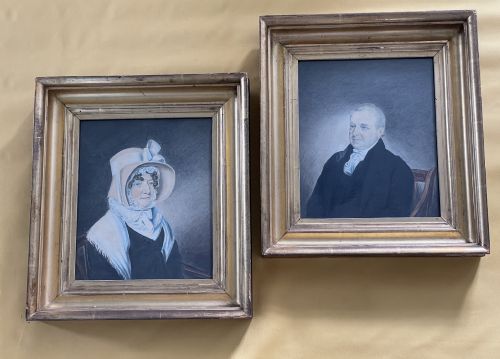
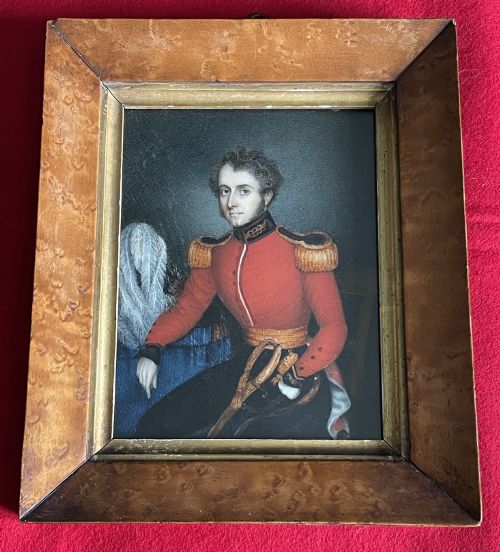
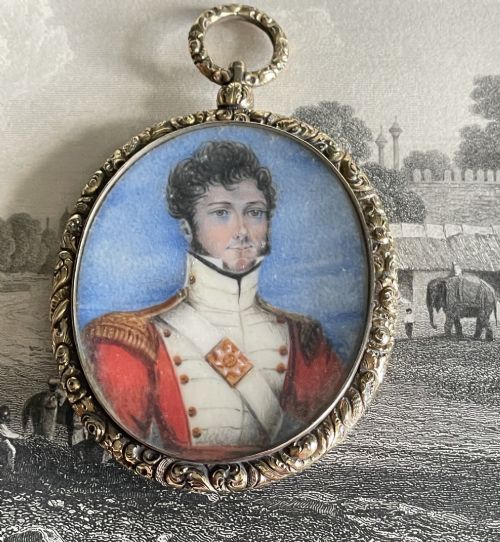
Gilt Framed Miniature Painting
A gilt framed miniature painting brings the intimate scale of Georgian and Victorian portraiture right into your hands.
Gilt Framed Miniature Painting
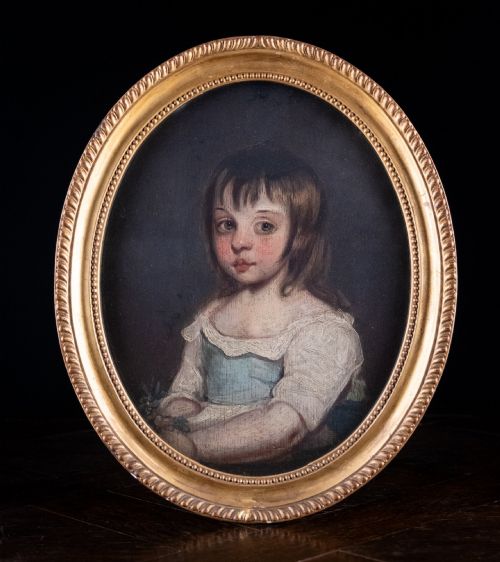
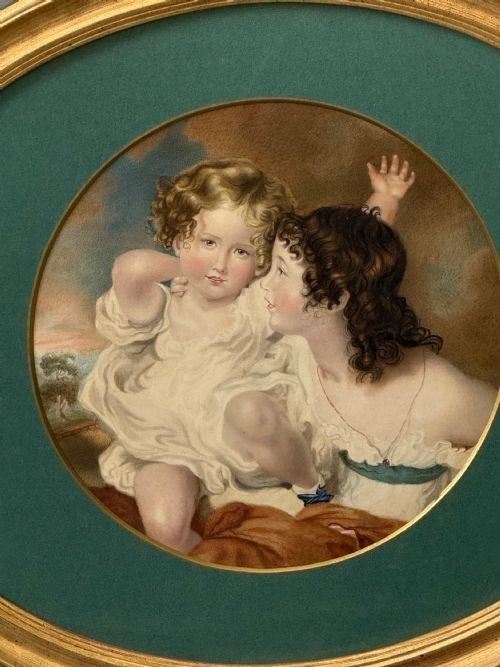
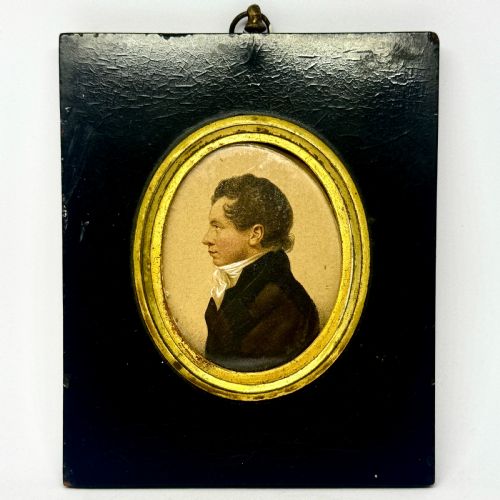
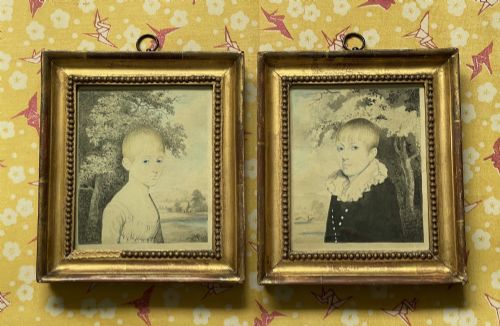
A gilt framed miniature painting is a small-scale portrait or scene executed on paper, porcelain, enamel, or glass, enclosed within a gilded metal, brass, or wooden surround. When you search for this phrase, you encounter works ranging from the mid eighteenth century through the Victorian era, capturing subjects from British officers and children to Mughal emperors.
The pieces on this page lean heavily toward portrait miniatures and character studies executed in watercolour, pastel, gouache, or enamel. You will find works originating from British, French, Scottish, and Anglo-Indian schools, often housed in surrounds that accentuate the tiny scale of the artwork.
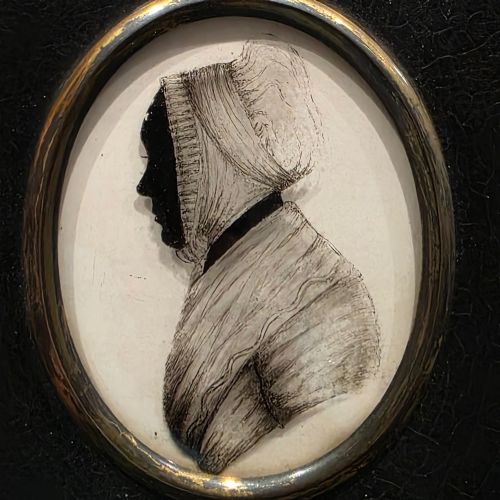
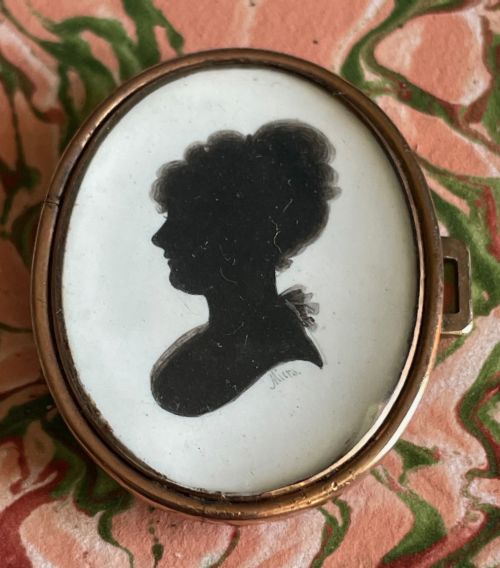
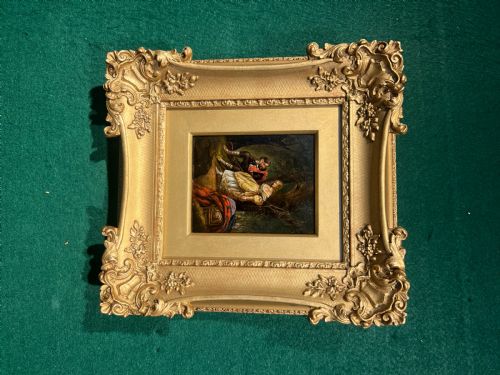
Many examples capture specific historical figures or anonymous sitters, preserved through silhouettes, reverse glass painting, or careful brushwork. The frames themselves vary from simple gilded metal surrounds to elaborate Rococo revival mounts and easel stands.
Materials and construction
Artists painted these small works on thin sheets of paper, prepared card, delicate ivory alternatives, porcelain plaques, or copper for enamel work, using watercolours, gouache, pastel, or oil paints. The application required exceptional precision under magnification, as the intimate scale allowed no room for error.
The protective surrounds utilise gilt metal, brass, ebonised wood, or carved giltwood, often backed with glass to protect the delicate pigment beneath. Specialised components such as seed pearls, brass stands, and intricate hanging loops frequently complete the construction.
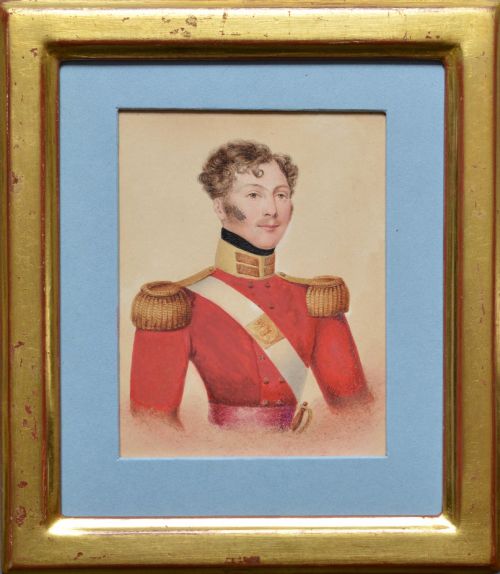
Several soldiers stare outward from their miniature frames, eternally on parade despite centuries passing.
Factors of quality
Quality rests primarily on the finesse of the brushwork and the psychological depth captured in the sitter's expression. Superior examples display immaculate control over fine details like lace collars and hair, whereas lesser pieces can appear stiff or formulaic.
The relationship between the painting and its original gilt frame matters immensely. Works retaining their contemporaneous gilded brass or wood frames with intact gilding command greater appreciation than those placed in later replacement mounts.
James Sharples·John Miers·Charles Hayter·Christian Friedrich Zincke·William Naish·Frederick Buck
The Gilt Framed Miniature Painting Glossary
- Miniature painting
- A small-scale portrait or artwork, typically executed on ivory, vellum, card, or copper during the eighteenth and nineteenth centuries. These portable works were often intended to be worn as jewellery or kept in private chambers.
- Giltwood
- Wood that has been coated with a thin layer of gold leaf or gesso and gold paint. This material provided opulent framing for miniature artworks.
- Reverse painted silhouette
- An image created by applying black pigment to the reverse side of a glass panel, often backed with silk or card to create depth. This technique was popular for profile portraits in the Georgian period.
- Enamel plaque
- A painting fused to a metal base through high-temperature firing, ensuring the colours remained vibrant and resistant to fading over centuries.
Gilt Framed Miniature Painting: Frequently Asked Questions
How were portrait miniatures worn or displayed?
Many early miniature paintings were designed as portable keepsakes, fitted with loops to be worn as jewellery or kept inside pocket-sized leather cases. Others featured small metal stands or wall mounts for display on desks and boudoir tables.
Over time, collectors preferred hanging them in small groupings on drawing room walls, creating intimate galleries of family members and historical figures.
How do I distinguish eighteenth century from Victorian miniatures?
Eighteenth-century examples often feature softer pastel palettes, powdered hair, and simpler circular or oval frames suited to Georgian aesthetics. Costume details, such as lace fichus or military uniforms, provide precise chronological markers for dating.
Victorian pieces frequently display richer, heavier gilding and more elaborate surrounds, alongside subjects rendered with greater photographic realism or romantic revival styling.
What is a silhouette jewellery piece?
A silhouette jewellery piece is a profile portrait cut from black paper or painted directly onto card or glass, mounted into a small wearable frame. These items served as personal tokens of affection or remembrance before the widespread availability of photography.
They were commonly worn as brooches or kept as pocket mementos, capturing the exact facial profile of a loved one with striking economy of line.
Are painted porcelain plaques fragile?
Porcelain plaques are remarkably durable regarding pigment preservation because the fired enamel colours do not fade like watercolours on paper. However, the ceramic base requires careful handling to prevent chipping or cracking along the edges.
When secured within a stable gilt frame, these plaques remain well-protected against everyday handling if kept away from potential impacts.