
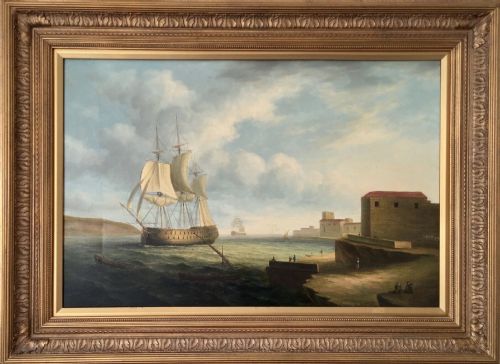


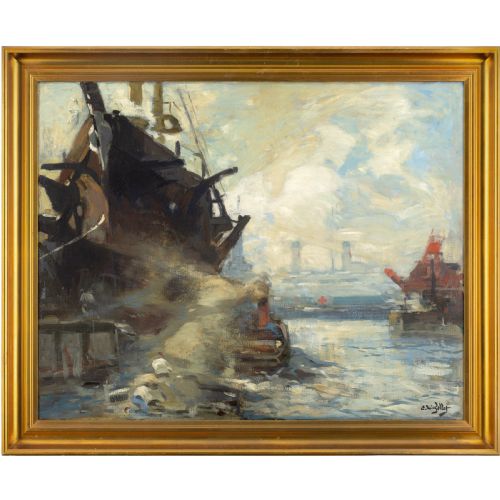
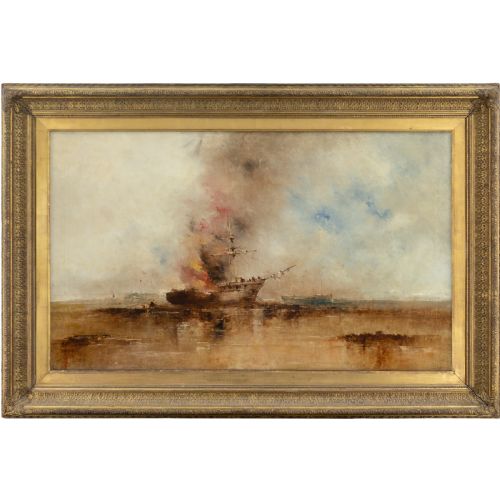
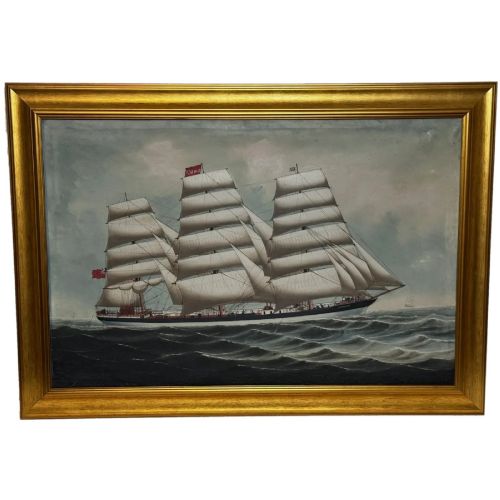

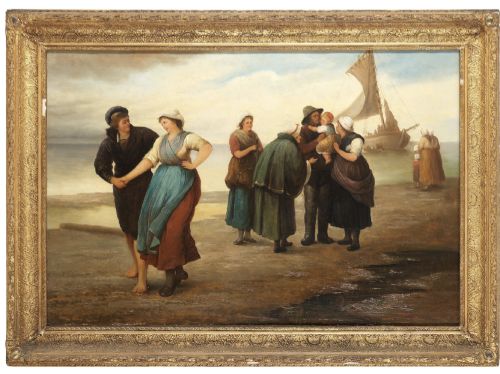
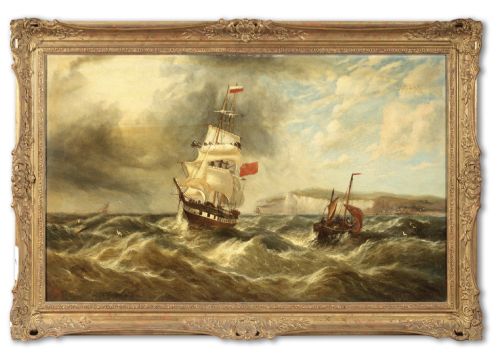
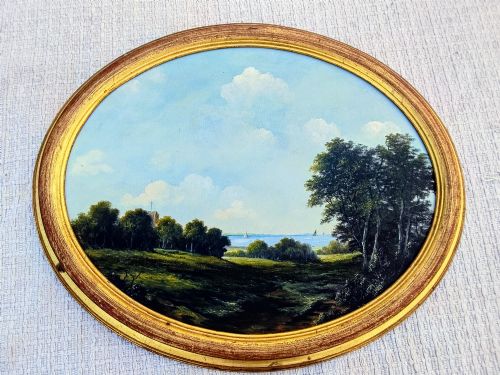
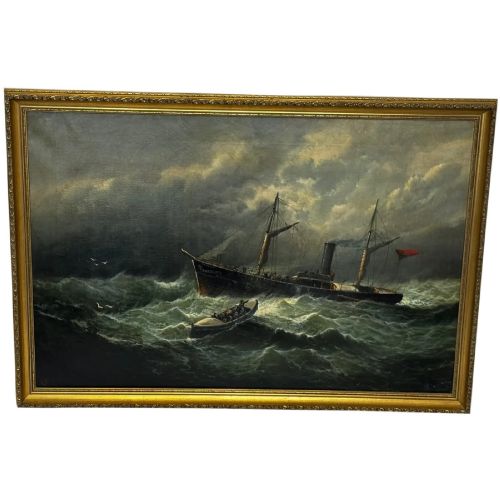
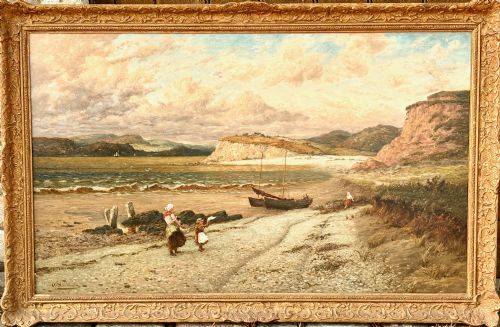
Gilt Framed Marine Artwork
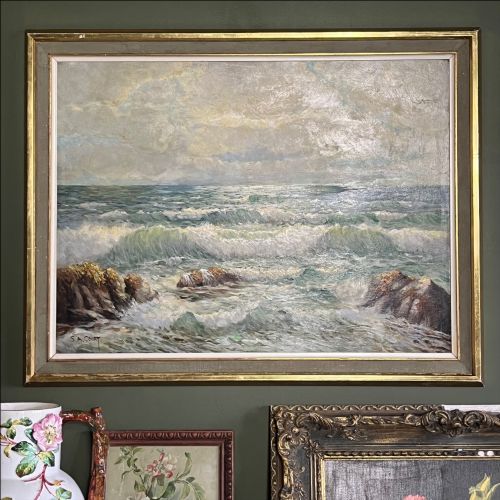
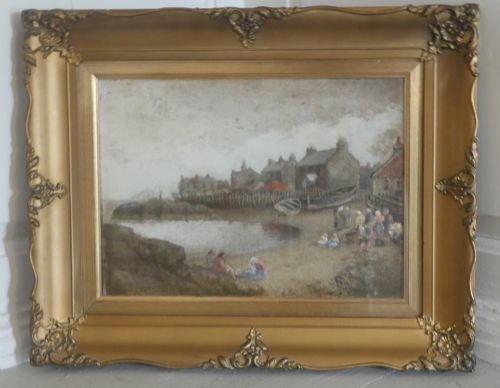
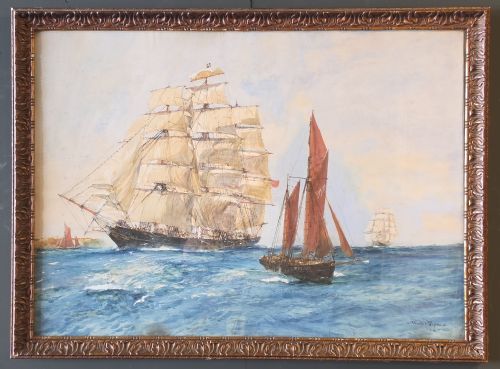
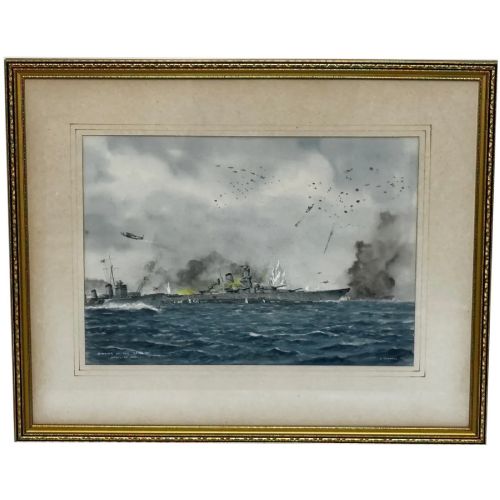
Gilt framed marine artwork captures naval battles, merchant shipping and coastal scenes through oil and watercolour, bringing historical atmosphere directly to interior walls.
Gilt Framed Marine Artwork
When searching for gilt framed marine artwork, collectors encounter oil paintings on canvas, board or panel alongside watercolours depicting maritime life. These pieces span the nineteenth century and into the twentieth, capturing vessels such as three-masted schooners, warships and fishing boats on turbulent seas or within calm harbours.
The prevailing style on this page is Victorian maritime and nineteenth-century coastal art, often executed en plein air or in the studio by named British and European painters. Subjects range from dramatic shipwrecks and naval engagements to quiet village harbour scenes and coastal landscapes.
Most compositions are housed in their original or period-appropriate gilt and giltwood frames, which complete the presentation of the oil paint, canvas, or paper beneath glass.
How They Were Made
Artists applied oil paint or watercolour to canvas, wood panels, board, or heavy paper, utilising brushes and palette knives to render the texture of rolling waves and billowing sails. Canvases were typically stretched over wooden frames before painting, while panels provided a rigid surface for detailed port scenes.
Surrounding these paintings are frames constructed from wood and finished with layers of gilt or giltwood, adding a bright reflective border that complements the maritime light captured within the pictorial surface.
Gilt Framed Marine Artwork Retail Price Guide 2026
Typical asking prices for gilt framed marine artwork among the pieces listed under this phrase on Sellingantiques today, from the lower quarter to the upper quarter. They describe what is for sale here now, not the wider market.
Several vessels depicted on these canvases carry heavy canvas sails that appear ready to catch a sudden gale.
What Varies in Quality
Quality rests upon the artist's ability to render maritime anatomy accurately, from the rigging of a warship to the movement of water under changing weather conditions. Works by documented painters command attention for their precise draftsmanship and established provenance.
The preservation of the paint surface and the integrity of the original gilt frame significantly influence the standing of a piece. Finer examples retain the original harmony between the artwork and its gilded wooden enclosure without heavy restoration.
Eugène-Louis Gillot·William McAlpine·Reginald Arthur Borstel·Sidney A Court·Edward Mills·Charles Edward Dixon·Eric Tufnell·William Banks Fortescue·John Rose Miles·William Broome·Bonaventura Peeters·Peter Brannan·Francis Moltino·Bernard Benedict Hemy·Thomas Creswick·Willem Bos·Charles Euphraisie Kuasseg·John Wilson Carmichael·Richard B Spencer·William Henry Williamson·John Moore of Ipswich·Nicholas Condy
The Gilt Framed Marine Artwork Glossary
- Giltwood
- Wood carved and coated with gold leaf or metallic powder to create a bright, reflective frame. This finish is frequently found surrounding nineteenth-century oil paintings.
- Marine Art
- Depictions of ships, harbours, coastal views and naval engagements. This genre encompasses both calm coastal vistas and dramatic storm scenes at sea.
- En Plein Air
- Painting outdoors to capture natural light and atmospheric conditions directly. This technique is often seen in coastal landscape and harbour watercolours.
- Panel
- A flat piece of wood used as a rigid painting support instead of stretched canvas. Artists often employed panels for smaller, detailed maritime portraits.
- Provenance
- The documented history of ownership surrounding a work of art. Established records help verify the attribution of nineteenth-century marine paintings.
Gilt Framed Marine Artwork: Frequently Asked Questions
How do I identify a 19th-century marine painting?
Nineteenth-century marine art often depicts specific vessel types like three-masted schooners or steam warships against historically accurate coastal backgrounds. Examining the canvas preparation, stretcher frames, and artist signatures provides further clues to the period.
Many works from this era also feature period giltwood frames that match the framing conventions of Victorian Salons and exhibitions.
What is the difference between oil and watercolour marine art?
Oil paintings utilise pigment suspended in drying oils on canvas, wood panel or board, allowing for rich textures and deep tonal variations of sea and sky. Watercolours are worked on paper using water-soluble pigments, resulting in a lighter and more transparent finish.
Watercolour marine pieces are typically framed under glass to protect the paper from atmospheric moisture and handling.
How should I hang a gilt framed painting?
Gilt framed maritime art requires secure wall fixings suited to the combined weight of the wooden stretcher, canvas, and heavy gilded frame. Position the artwork away from direct sunlight and fluctuating heat sources to protect the oil paint and the fragile gilt finish.
Ensure the hanging wire and D-rings on the reverse of the frame are robust enough to support the piece safely.
Are all these paintings by British artists?
While many pieces record British coastal towns, harbours and naval vessels, the selection also includes works by European artists. Painters from France, the Netherlands, and Norway frequently documented their own maritime traditions and shipping.
Signatures, subject matter, and artist biographies help determine the geographic origin and specific port locations depicted in each composition.