
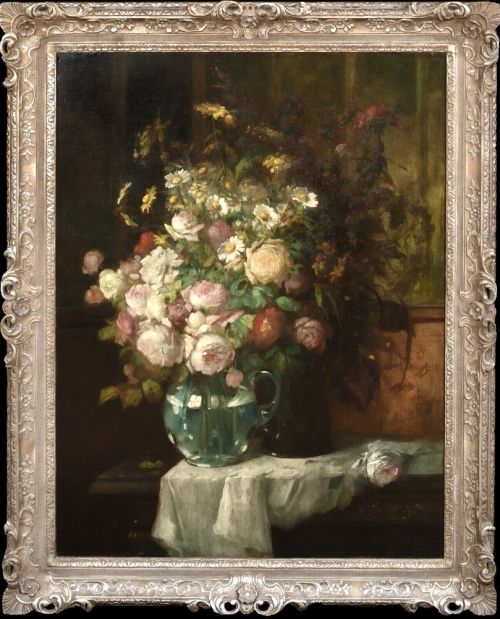
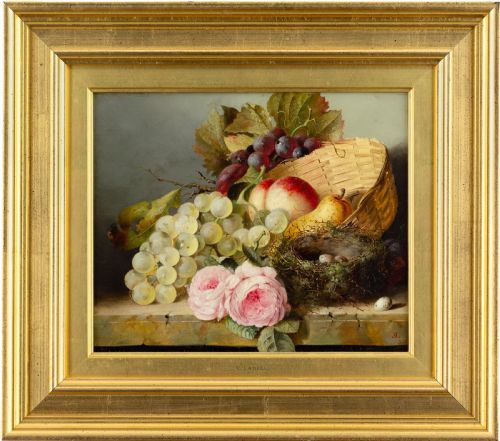
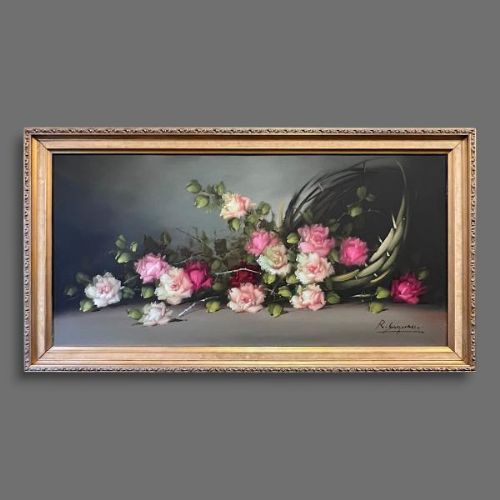
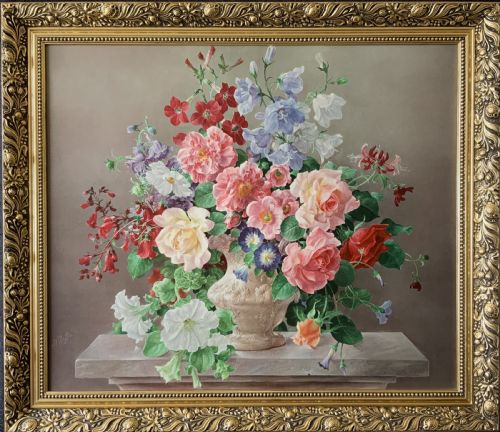
Gilt Framed Floral Artwork
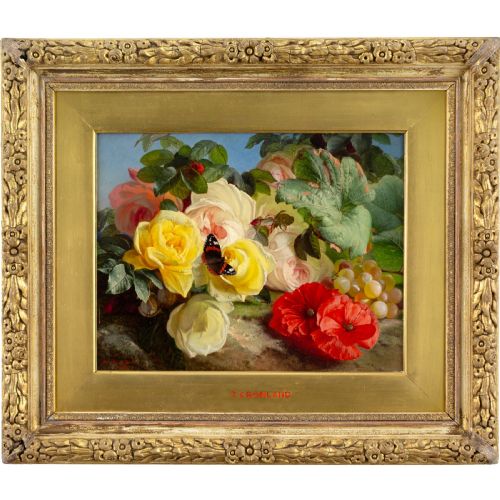
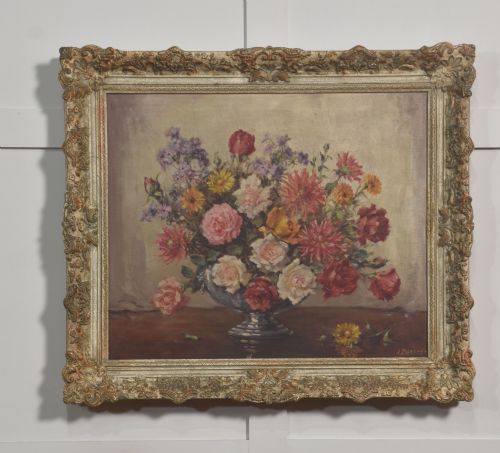
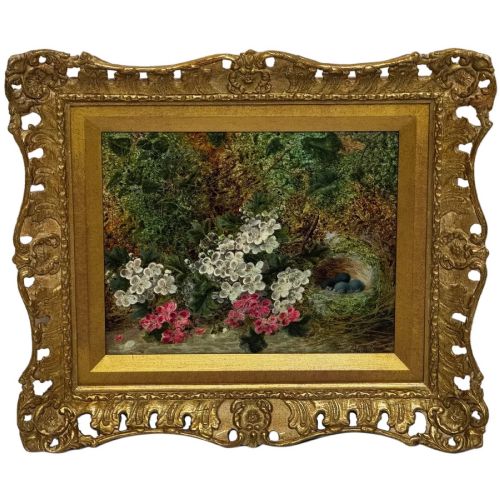
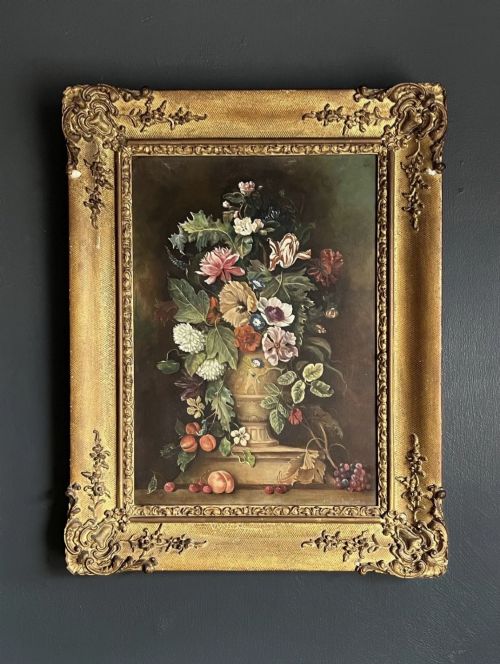
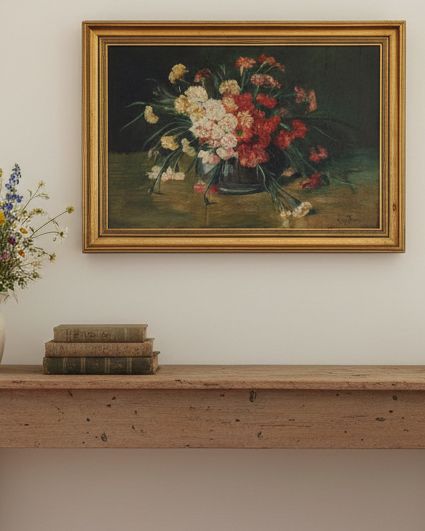
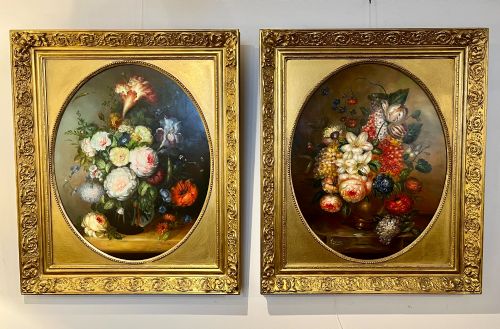
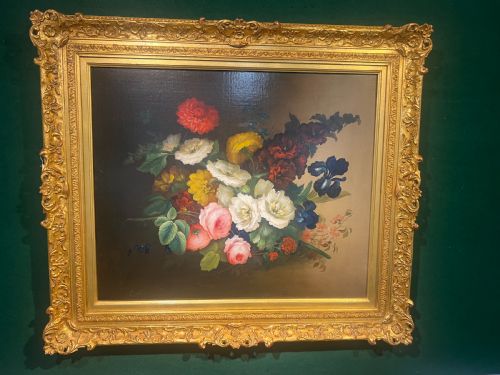
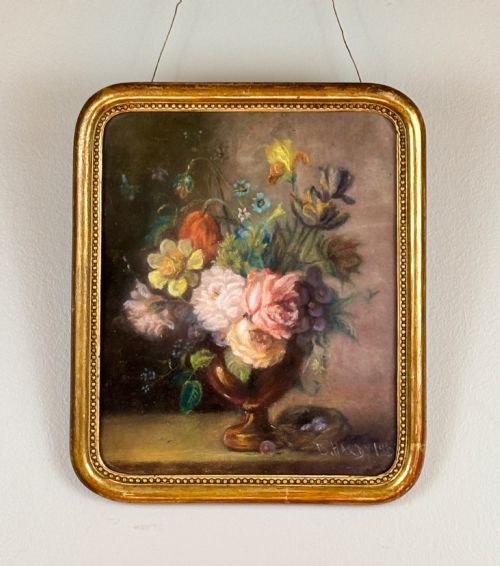
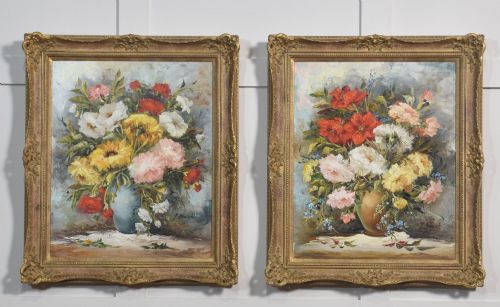
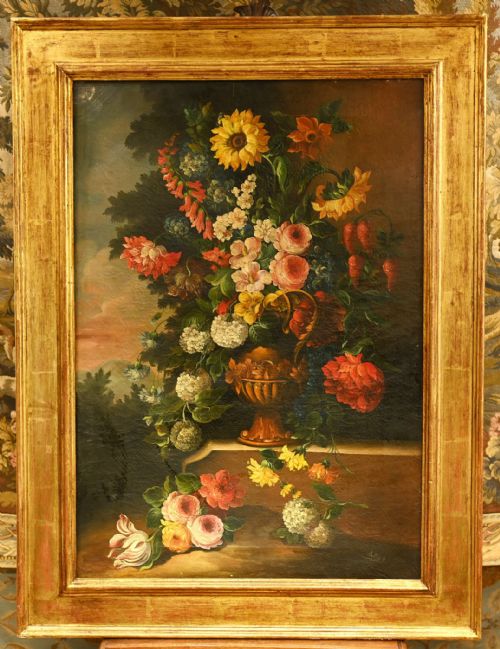
These gilt framed floral artwork pieces bring centuries of botanical still lifes into focus through rich oils, watercolours, and detailed frames.
Gilt Framed Floral Artwork
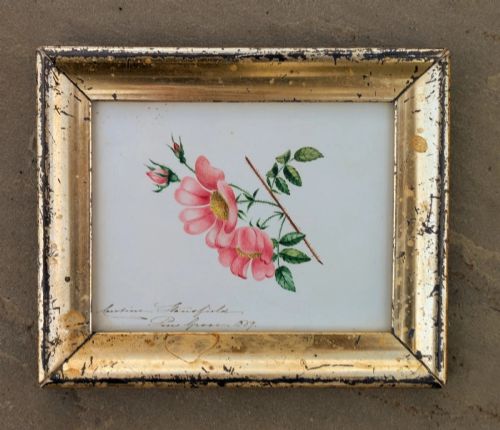
A gilt framed floral artwork brings together botanical subjects and ornate metallic surrounds, capturing natural forms across centuries of artistic tradition. When you search for gilt framed floral artwork, you encounter everything from meticulous Victorian watercolours to bold mid-century impressionist oil paintings.
The selections span the nineteenth and twentieth centuries, featuring Dutch Golden Age styles, British Impressionism, and continental European schools. These pieces frequently depict roses, carnations, and seasonal garden blooms arranged in vases or baskets, often accompanied by fruit or birds' nests.
Oil on canvas remains the dominant medium on this page, though pastel, gouache, and delicate cut paper pictures also appear. Most works employ wood supports, canvas, or heavy paper housed beneath glass or within sculpted gesso borders.
How They Were Made
Artists built these compositions utilising oil paint on canvas or board, watercolour on paper, and gouache on silk, applying pigment to capture the texture and light of petals and leaves. Canvases are stretched over wooden frames, while works on paper or board rely on rigid backing for stability.
The accompanying frames are constructed from wood finished with layers of gesso, a plaster-like mixture carved or moulded into decorative patterns before receiving a coating of gold leaf or metallic paint. Glass frequently protects the delicate surfaces of watercolours, pastels, and prints against dust and handling.
Gilt Framed Floral Artwork Retail Price Guide 2026
Typical asking prices for gilt framed floral artwork among the pieces listed under this phrase on Sellingantiques today, from the lower quarter to the upper quarter. They describe what is for sale here now, not the wider market.
Listings include works in oil, watercolour, gouache, and mixed media across Victorian, Impressionist, and Mid-Century Modern styles.
What Varies in Quality
The sophistication of the brushwork and the naturalism of the floral arrangement separate accomplished compositions from simpler decorative student pieces. Masterful handling of light, shadow, and depth transforms a standard still life into a striking visual study.
The integrity and craftsmanship of the surrounding frame dictate the overall presentation, with hand-carved gesso and genuine gold leaf offering a stark contrast to later or simpler moulded replacements. Original pairings of artwork and period frame hold greater artistic and historical cohesion.
Theude Grönland·Oliver Clare·Edward Ladell·Edwin Steele·Alice Anne Renshaw·Simon Pietersz Verelst·Amile Coppieters·Florence Hess·Bela Balogh·Eloise Harriet Stannard
The Gilt Framed Floral Artwork Glossary
- Gesso
- A plaster-like preparation used as a base for moulding decorative details on wooden frames before gilding. This mixture allows artisans to achieve crisp, ornate relief patterns.
- Still-life
- A painting or drawing featuring inanimate subject matter, typically everyday objects or natural specimens such as flowers and fruit. Artists use these arrangements to explore light, colour, and composition.
- Impressionism
- A nineteenth-century art movement characterised by relatively small, thin, yet visible brush strokes and an emphasis on accurate depiction of light. This style captures the shifting atmospheric qualities of floral displays.
- Gouache
- A water-based paint consisting of pigment and other inert materials designed to be opaque. It dries to a matte finish that conceals the surface beneath.
- Oleograph
- A mechanical print textured to imitate an oil painting, popular in the nineteenth and twentieth centuries. These reproductions bring painterly compositions to a wider audience.
Gilt Framed Floral Artwork: Frequently Asked Questions
What periods do these pieces date from?
The selection spans from the seventeenth century through the nineteenth and twentieth centuries, capturing shifting artistic approaches to botanical subjects. Early examples reflect traditional Dutch styles, while twentieth-century works embrace impressionist and modernist techniques.
Most items originate from the Victorian era up to the mid-century period, offering a broad chronological range of painting styles and framing traditions.
How should I hang these artworks?
These pieces require sturdy wall fixings due to the combined weight of the wooden stretchers, thick paint layers, and substantial gilt gesso frames. Position them away from direct sunlight and excessive moisture to protect the canvas, paper, and metallic leaf finishes.
Consider eye-level placement in rooms with stable ambient temperatures to preserve both the painted surface and the delicate moulding of the frame.
Are watercolours and oils framed differently?
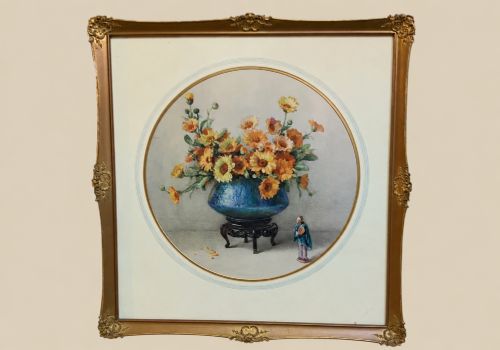
Watercolours, pastels, and gouache works are traditionally mounted beneath protective glass to prevent dust and humidity from degrading the paper or pigments. This often involves a card mount or matting inside a slender or moderately ornamented gilt frame.
Oil paintings on canvas or board are typically displayed open to the air without glass, allowing the texture of the paint to remain visible within a deep, ornate gesso frame.
What subjects accompany the flowers?
Botanical compositions frequently incorporate seasonal fruit, wicker baskets, and bird's nests containing eggs to evoke natural abundance. Some continental and oriental pieces introduce Chinese objects or intricate interior settings alongside the floral display.
These auxiliary elements provide contextual narratives and varied textures that complement the primary focus on roses, lilies, and autumnal blooms.