




Gilt Framed Accent Mirror
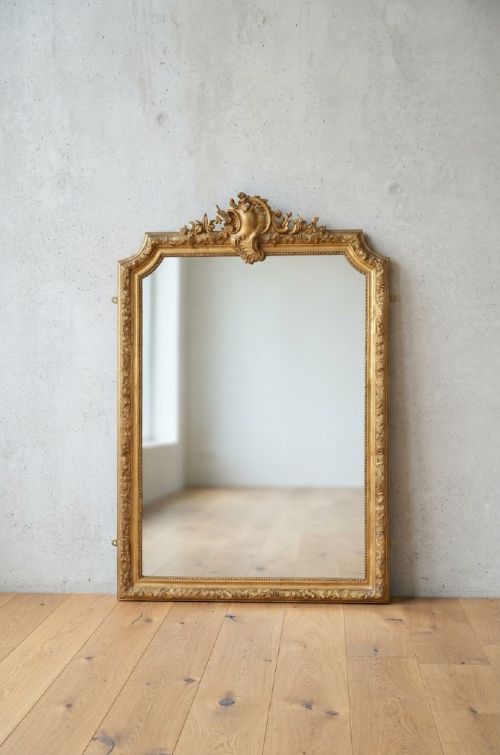
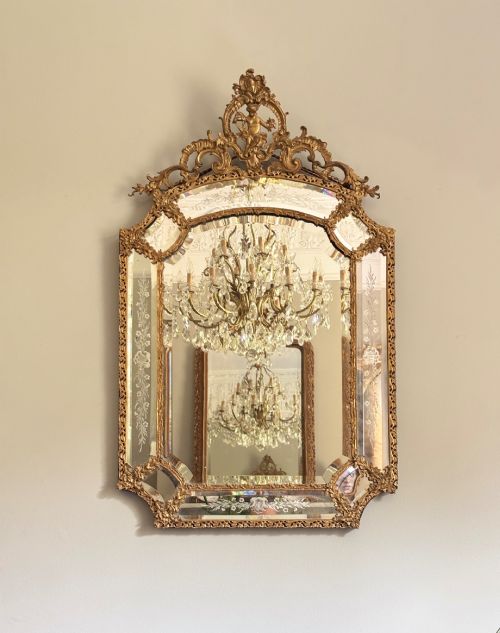
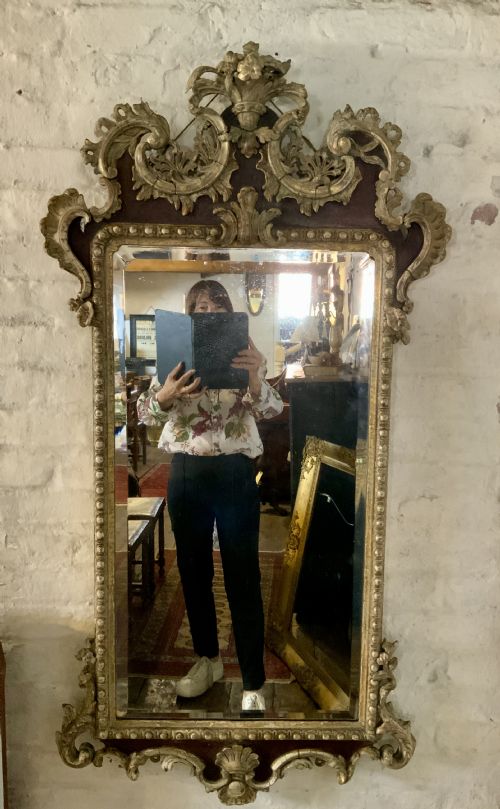
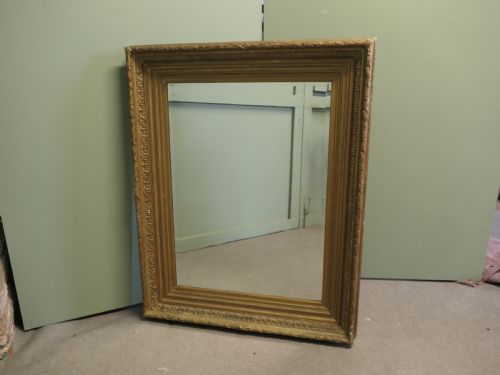
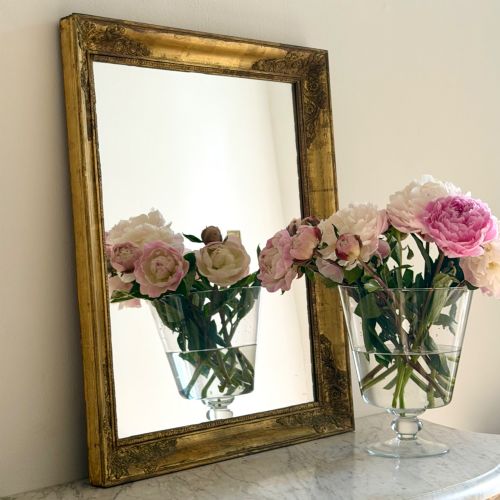
A gilt framed accent mirror brings light and reflection into a room, spanning periods from the eighteenth century to the twentieth through ornate carved designs.
Gilt Framed Accent Mirror
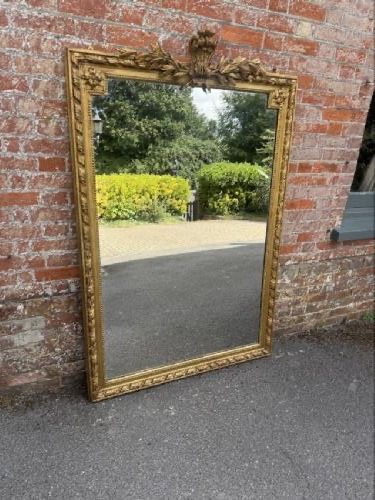
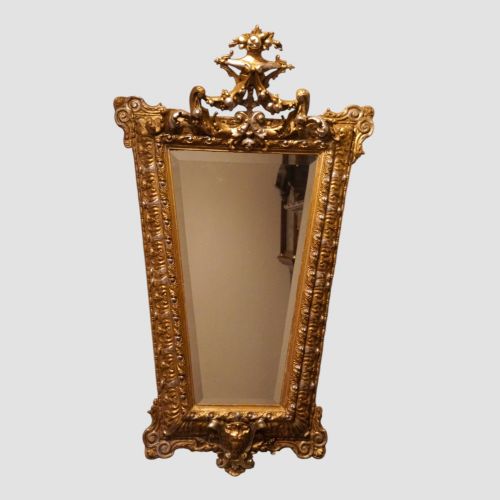
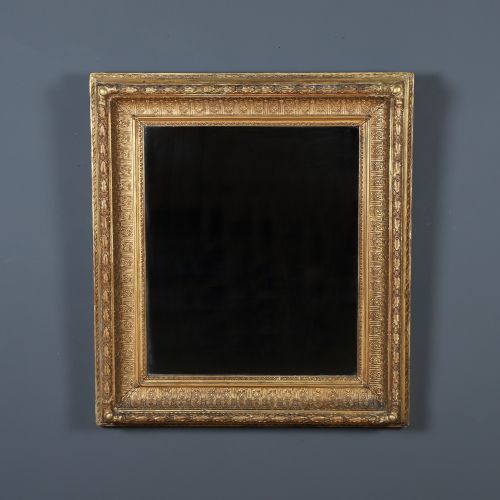
A gilt framed accent mirror serves as a decorative focal point in a room, drawing the eye with its metallic surface and reflective glass. When searching for a gilt framed accent mirror, buyers encounter various forms including wall mirrors, pier glasses, and large overmantels designed for domestic spaces.
The pieces on this page originate from the eighteenth, nineteenth, and early twentieth centuries, reflecting classical, Georgian, and Victorian tastes. Many examples display distinct French or Italian origins, incorporating ornate scrollwork and regional decorative motifs.
Most items take the form of wall-hung pieces intended for hallways, principal reception rooms, or above fireplace mantels. Overmantel mirrors and smaller pier glasses dominate the selection, offering proportions suited to period interiors.
How they were made
Carpenters and joiners constructed the structural carcase from timber such as oak, walnut, or pine, often carving intricate botanical or scroll details directly into the wood. Craftsmen then applied layers of gesso, a plaster-like mixture, to the carved wooden surface to create a smooth base for subsequent gilding.
Makers applied thin sheets of gold leaf or silver-gilt onto the prepared gesso ground, sometimes using composition ornaments pressed into moulds to achieve elaborate relief patterns. Finished frames received burnishing or toning to impart an aged metallic sheen.
Gilt Framed Accent Mirror Retail Price Guide 2026
Typical asking prices for gilt framed accent mirror among the pieces listed under this phrase on Sellingantiques today, from the lower quarter to the upper quarter. They describe what is for sale here now, not the wider market.
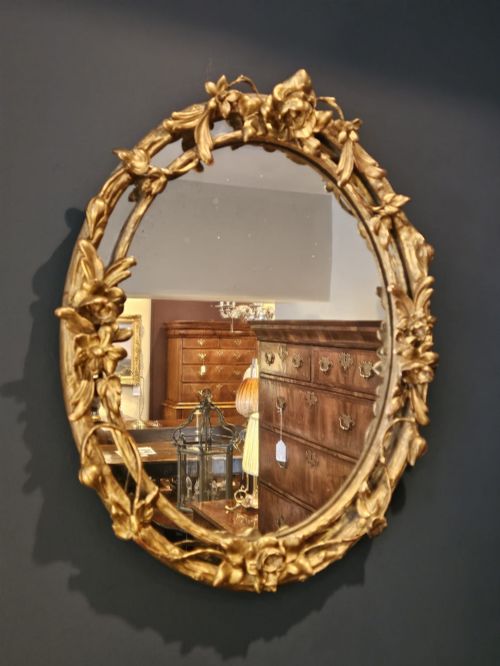
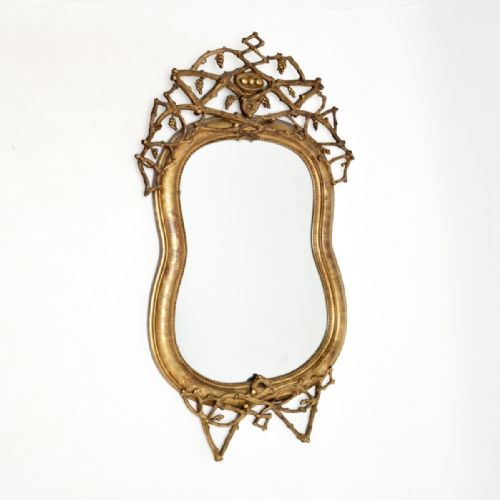
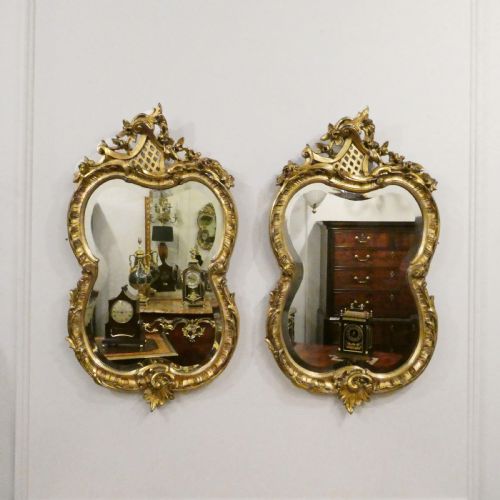
Several mirrors include rose vine carvings and cartouche shapes, showing how Victorian makers enjoyed botanical whimsy.
What varies in quality
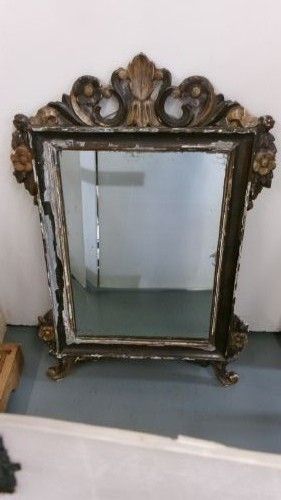
The depth and crispness of the hand-carved wood separate simpler moulded compositions from finer works. Pierced scrollwork and undercut foliage demonstrate superior craftsmanship by the artisan.
The retention of the original mercury or antique glass plate indicates an untouched historical object. Finer pieces maintain their original gilding layers rather than undergoing heavy modern regilding.
The Gilt Framed Accent Mirror Glossary
- Giltwood
- Wood that has been coated with gold leaf or gold paint. This finish provides the characteristic metallic brilliance seen on period frames.
- Gesso
- A plaster mixture applied to wood frames as a preparation layer for gilding. It allows for sharp, detailed moulding before the application of gold leaf.
- Pier glass
- A tall mirror designed to be hung on the pier, the section of wall between two windows. These pieces often feature matching console tables.
- Overmantel mirror
- A wide mirror specifically proportioned to hang above a fireplace mantel. They frequently incorporate arched tops or landscape formats.
- Cartouche
- An ornamental tablet or panel frame resembling a rolled-up piece of paper with scrolled edges. This cartouche form appears on several nineteenth-century French frames.
Gilt Framed Accent Mirror: Frequently Asked Questions
How do I hang a heavy antique mirror safely?
Heavy antique frames require secure fixings anchored directly into wall studs or masonry using appropriate weight-rated brackets. Professional mirror hangers utilise robust hanging wire or mirror plates attached firmly to the wooden carcase.
Avoid relying solely on decorative plaster mouldings or picture hooks when mounting large overmantel or pier glasses. Distributing the weight evenly prevents structural stress on the antique frame joints.
What is the difference between a pier glass and an overmantel mirror?
A pier glass is traditionally tall and narrow, built to occupy the narrow wall space between windows or doors. An overmantel mirror is wider in format, designed specifically to sit horizontally above a fireplace mantelpiece.
Both types utilise gilt frames, but their distinct proportions reflect the specific architectural spaces they were originally manufactured to inhabit.
How should I clean an antique gilt frame?
Dust gilt frames gently using a very soft, dry artist brush or ostrich feather duster. Avoid applying water, chemical solvents, or commercial cleaning sprays, as moisture strips delicate gold leaf and gesso.
If the glass plate requires cleaning, apply a mild glass cleaner to a cloth rather than spraying directly onto the mirror surface. This prevents liquid from seeping behind the glass and damaging the silver backing or the interior rabbet of the frame.
Are these mirrors fitted with original glass?
Many period mirrors retain their original hand-silvered glass plates, which often display characteristic foxing, minor speckling, or light distortion. These age marks confirm the authenticity and period integrity of the object.
Some pieces from the nineteenth and twentieth centuries may feature replacement mirror plates if the original glass suffered breakage over time. Examining the edges of the glass helps determine whether the plate is contemporary with the frame.