

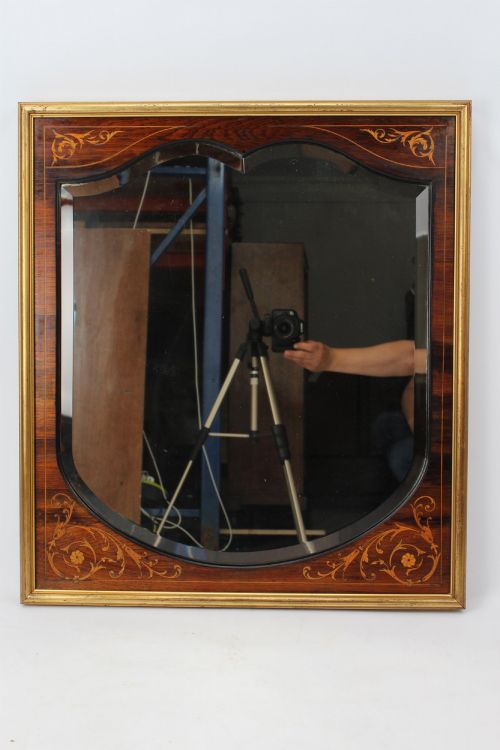


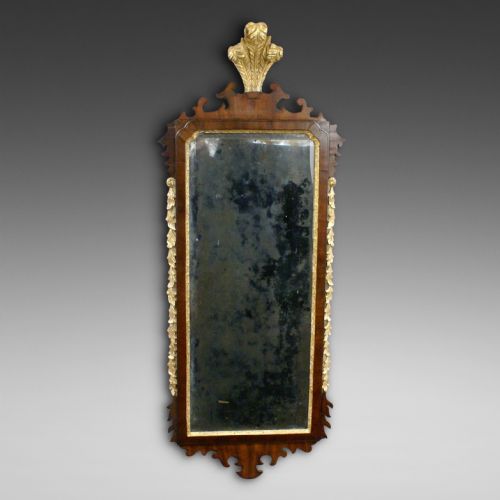


Dark Wood Gold Mirror
A dark wood gold mirror brings immediate depth and warmth to a room, pairing rich timber with luminous gilding.
Dark Wood Gold Mirror
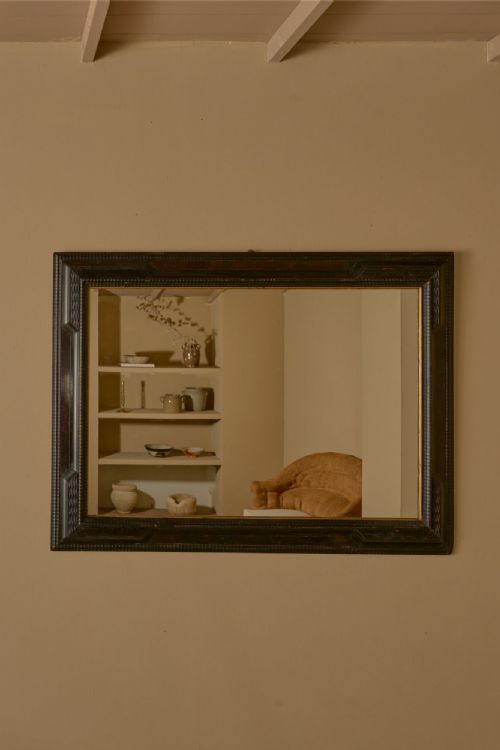
When you search for a dark wood gold mirror, you encounter pieces that unite deep timber tones with bright metallic highlights. These items serve primarily as wall mirrors, including large overmantle designs and ornate rectangular formats.
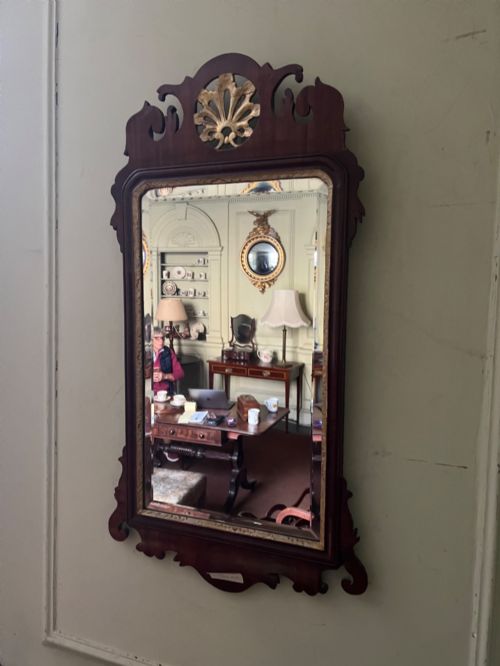
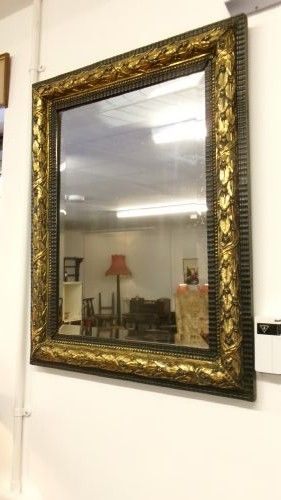
The selections span centuries, reaching from the Georgian era through Victorian interpretations and into the early twentieth century. Most examples you meet here combine dark woods like mahogany, walnut, rosewood, and ebonized timber with parcel-gilt details or full giltwood frames.
Makers and designers from the eighteenth century onward utilised these contrasts to catch the light while anchoring the piece visually. You will find George II and Chippendale styles alongside Victorian revivals and Italian pieces.
How they were made
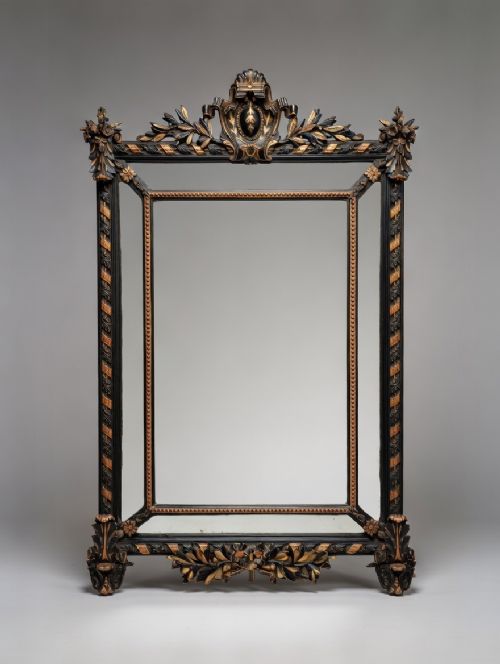
Craftsmen built these frames using dense dark woods such as mahogany, walnut, and rosewood, often applying ebonisation or simulated finishes to achieve a uniform dark tone. They incorporated gesso layers to prepare intricate carved sections for gilding with gold leaf.
Parcel-gilt techniques allowed artisans to leave sections of the natural or stained wood exposed while highlighting carved motifs, scrolls, and mouldings in gold. Brass mounts and inlays occasionally augmented the timber structures of Victorian and later pieces.
Dark Wood Gold Mirror Retail Price Guide 2026
Typical asking prices for dark wood gold mirror among the pieces listed under this phrase on Sellingantiques today, from the lower quarter to the upper quarter. They describe what is for sale here now, not the wider market.
Victorian makers sometimes simulated exotic woods entirely out of common timber before adding gold leaf to fool the eye.
What varies in quality
The standard of a dark wood gold mirror rests upon the depth of the carving and the purity of the materials utilised in its construction. Superior examples display crisp, hand-carved gesso and wood details rather than mass-produced composition ornament.
The integration of the dark wood and the gold leaf dictates the visual success of the piece. Well-balanced proportions and genuine period timber distinguish the finest items from later stylistic revivals.
The Dark Wood Gold Mirror Glossary
- Parcel-gilt
- Partially gilded decoration. This technique leaves portions of the underlying dark wood visible while accentuating specific carved details in gold.
- Gesso
- A plaster-like mixture applied to wood frames. Artisans carved and smoothed this substance before applying gold leaf.
- Giltwood
- Wood that has been coated with gold leaf. It forms the bright metallic borders surrounding the dark timber elements.
- Overmantle mirror
- A large mirror designed to hang above a fireplace mantel. These pieces frequently feature architectural shapes and arched tops.
- Ebonized
- Wood treated to resemble ebony. This dark finish provides a stark contrast against gold leaf highlights.
Dark Wood Gold Mirror: Frequently Asked Questions
Where should I hang a dark wood gold mirror?
These mirrors work best above fireplaces as overmantle pieces or on prominent living room walls where they can reflect natural light.
Their dark timber tones require a neutral or softly coloured wall to properly frame the contrast between the wood and the gold leaf.
How do I identify a Georgian mirror?
Georgian mirrors typically feature rich mahogany or walnut frames with precise parcel-gilt carving and classic architectural proportions.
Look for traditional styles such as George II or Chippendale designs that emphasise balanced symmetry and refined craftsmanship.
What is parcel-gilt?
Parcel-gilt is a decorative method where only specific parts of an object are covered in gold leaf.
The remaining areas display the natural grain and dark colour of woods like mahogany, walnut, or ebonised timber.
How do I care for giltwood and dark wood?
Dust the frame regularly with a soft, dry cloth to prevent dirt accumulation on the delicate gold leaf and timber surfaces.
Avoid using liquid cleaners or polishes that might damage the historical gilding or alter the finish of the wood.