





Nineteenth Century Decorative Mirror
A nineteenth century decorative mirror brings warmth and depth to a room through centuries-old craftsmanship and reflective light.
Nineteenth Century Decorative Mirror
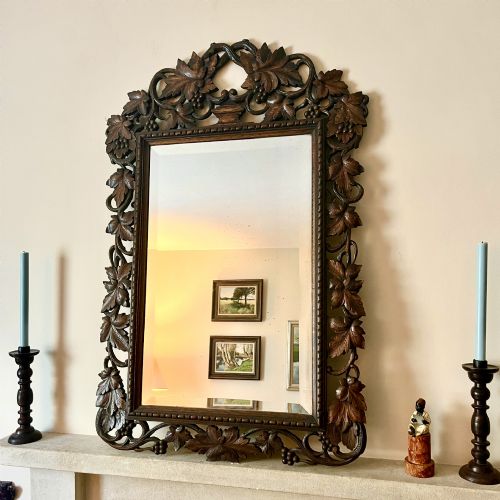
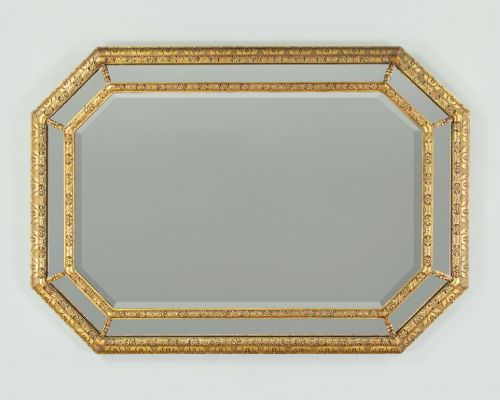
When you search for a nineteenth century decorative mirror, you encounter a range of wall and overmantel mirrors spanning the Victorian and Georgian periods. These pieces serve as functional wall art, bringing character to domestic spaces through diverse regional designs.
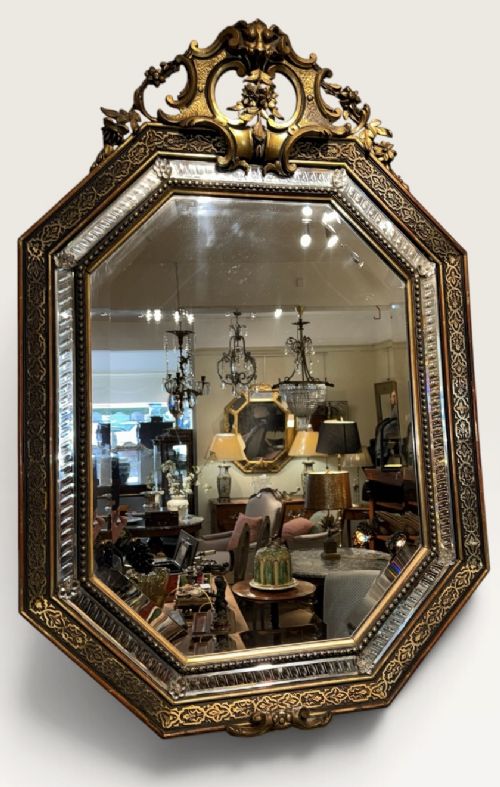
The selections you meet on this page lean heavily towards ornate French and English outputs, featuring giltwood, carved wood and gesso, and mahogany frames. Wall mirrors and large overmantel mirrors dominate the forms, reflecting the interior tastes of the 1800s.
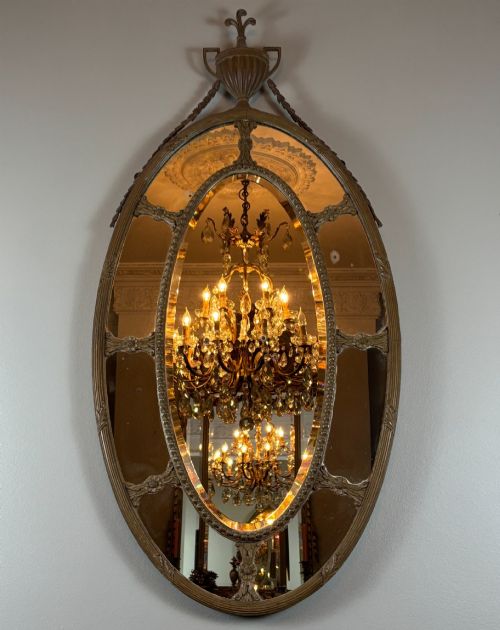
Continental pieces sit alongside English country house items, offering everything from restrained mahogany ovals to elaborate Louis XVI revival frames. Each nineteenth century decorative mirror carries the distinct stylistic markers of its origin, whether Italian, French, or domestic British.
How they were made
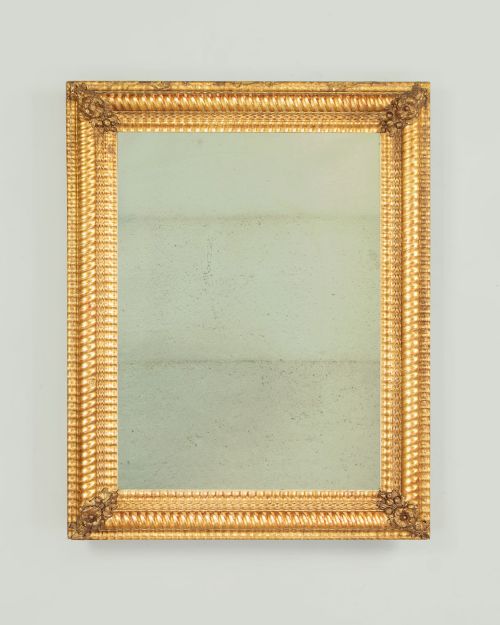
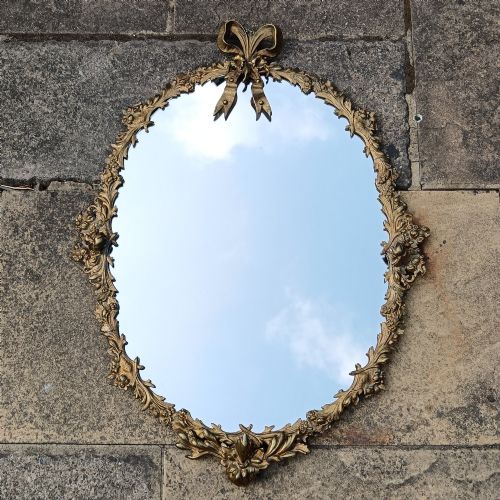
Giltwood and gesso form the bedrock of the most visually striking pieces, where artisans carved intricate floral motifs and scrolls onto wooden substrates before applying gold or silver leaf. This labour-intensive process gave frames a brilliant metallic sheen that caught candlelight and daylight alike.
Woodwork varied from dense mahogany and carved oak to painted surfaces and playful faux bamboo or faux bois finishes. Structural integrity relied on traditional joinery, housing heavy glass plates within sturdy timber frames designed to endure decades of interior use.
Nineteenth Century Decorative Mirror Retail Price Guide 2026
Typical asking prices for nineteenth century decorative mirror among the pieces listed under this phrase on Sellingantiques today, from the lower quarter to the upper quarter. They describe what is for sale here now, not the wider market.
Listings span the Victorian era, 1860, 1870, 1890, and the Georgian period, utilising materials such as gesso, mahogany, brass, and marble.
What varies in quality
Depth and precision in hand-carved wood and gesso separate the superior frames from simpler production pieces. Crisp relief work on acanthus leaves, flowers, and architectural mouldings indicates a higher standard of workshop craftsmanship.
The preservation of original materials, such as early mirror plates and authentic gilding, defines the upper tier of survivals. While some pieces retain their original silvered glass with charming oxidation, others have undergone professional plate replacement to maintain clear reflection.
The Nineteenth Century Decorative Mirror Glossary
- Giltwood
- Wood that has been coated with gold leaf or gold paint. This technique created opulent reflective frames favoured in grand reception rooms.
- Gesso
- A plaster mix applied to wood frames and carved before gilding. It allowed artisans to create deep, three-dimensional decorative reliefs.
- Overmantel mirror
- A large mirror designed to hang specifically above a fireplace mantel. These grand pieces visually anchor a room and amplify hearth light.
- Trumeau mirror
- An antique wall mirror paired with an upper panel containing a painting or carved decoration. They originated in French interior architecture.
- Cushion frame
- A mirror frame with a convex or rounded profile that slopes inward toward the glass. This profile adds sculptural volume to the wall.
- Pier mirror
- A tall mirror designed to hang on the narrow wall space between two windows. They made maximum use of natural light in high-ceilinged rooms.
Nineteenth Century Decorative Mirror: Frequently Asked Questions
Are original mirror plates usually kept?
Many surviving pieces retain their original glass plates, which often display light foxing, minor speckling, and gentle distortion. These natural signs of age confirm the historic authenticity of the mirror.
Some examples feature new glass installed by later owners to improve clarity. Both original plates and replacements appear across the inventory depending on previous restoration work.
How do I tell a French style from an English one?
French mirrors from this era often embrace exuberant Louis XVI revival or Empire aesthetics, featuring delicate crests, urns, and bright gilt finishes. They lean towards decorative theatricality and lighter painted or faux finishes.
English counterparts frequently showcase denser timbers like mahogany or oak, alongside substantial gessoed overmantel frames. Country house pieces tend to balance decorative flair with robust domestic utility.
Can these mirrors be cleaned easily?
Dusting frames gently with a soft, dry brush preserves delicate gesso and gold leaf without causing damage. Avoid harsh chemical polishes that can strip historic finishes from carved wooden surfaces.
Clean the glass plate using a modest amount of glass cleaner applied to a cloth rather than sprayed directly. This prevents moisture from seeping behind the antique glass edges.