

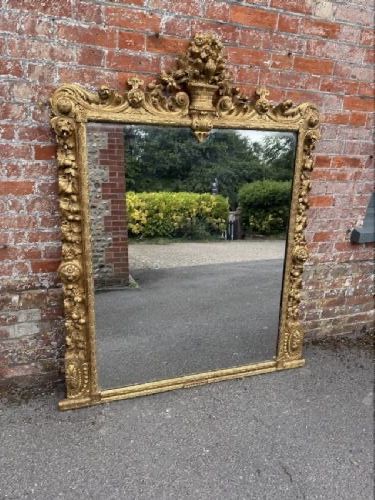
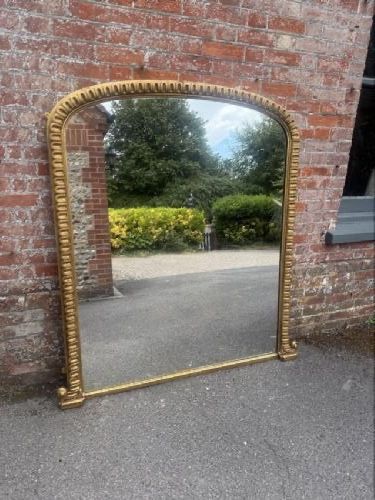
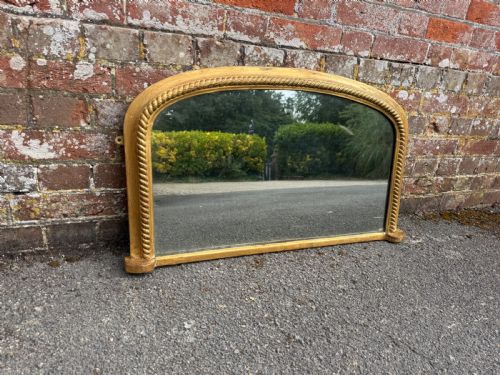
Gilt Frame Fireplace Mirror
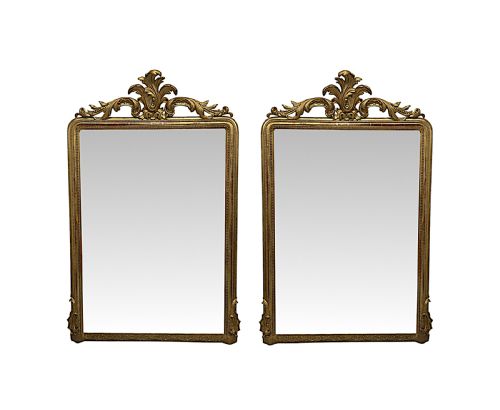
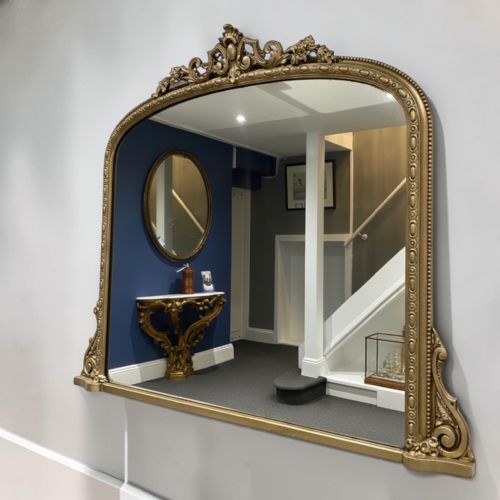
A gilt frame fireplace mirror brings scale and reflected light to a room, dominated here by nineteenth-century overmantel forms.
Gilt Frame Fireplace Mirror
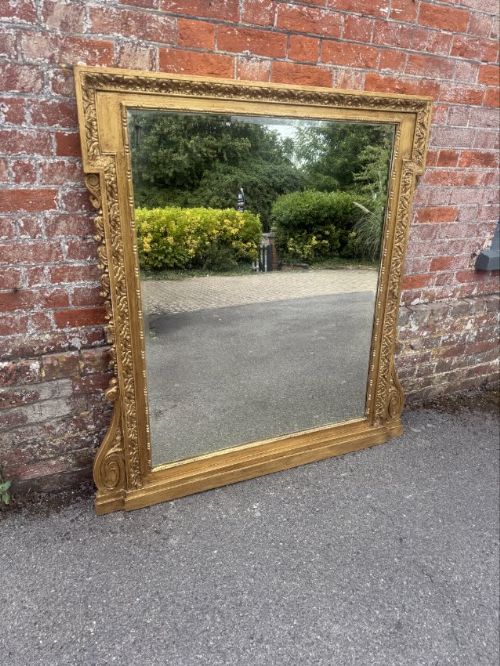
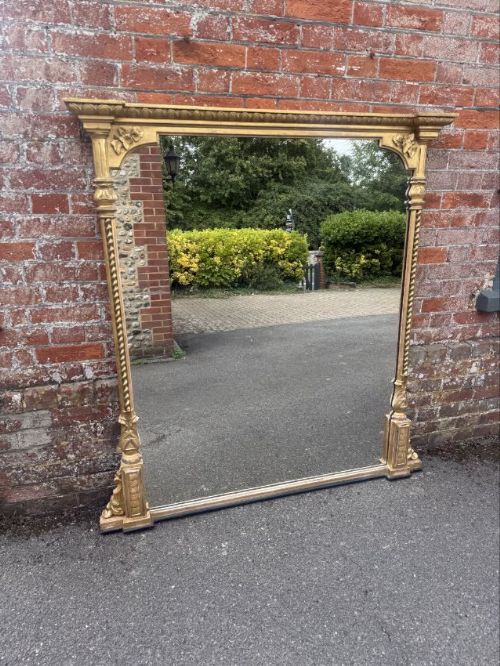
A gilt frame fireplace mirror sits above a mantelpiece, designed to command the chimney breast with generous proportions. These objects belong primarily to the nineteenth century, taking shapes from Regency, Victorian, and Edwardian periods.
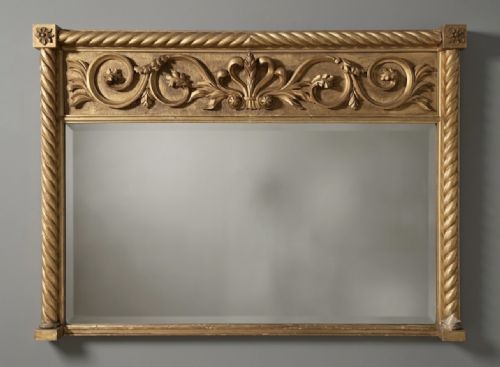
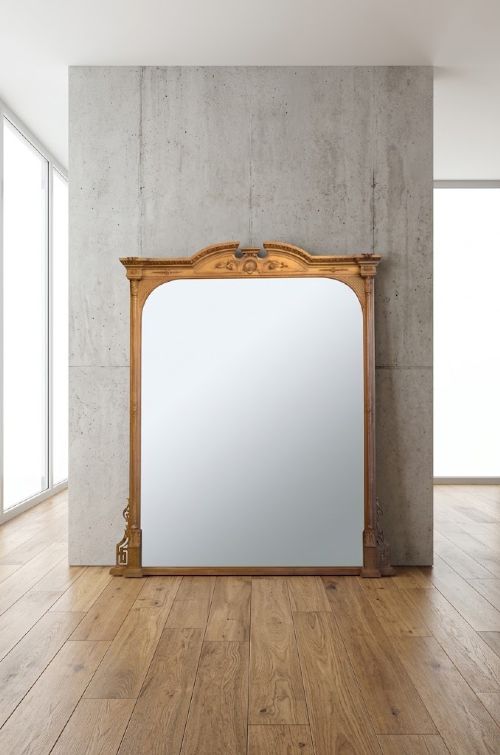
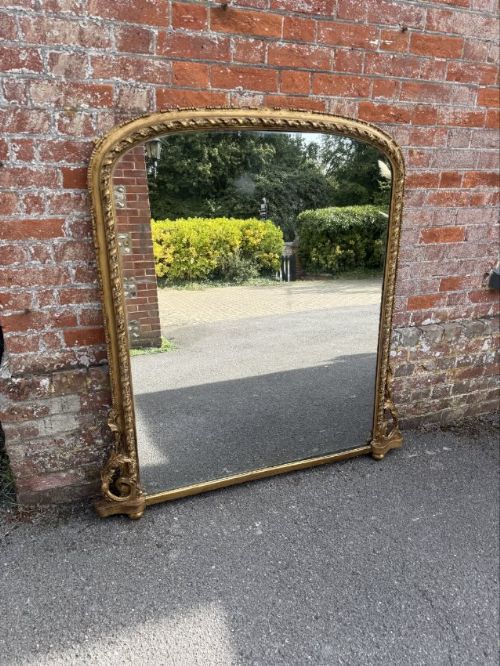
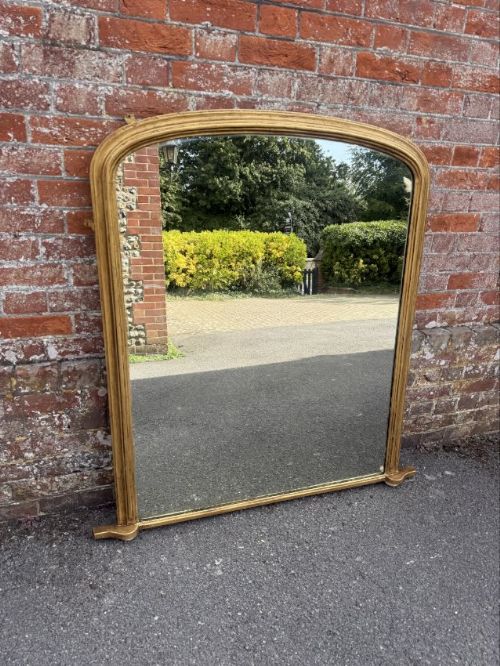
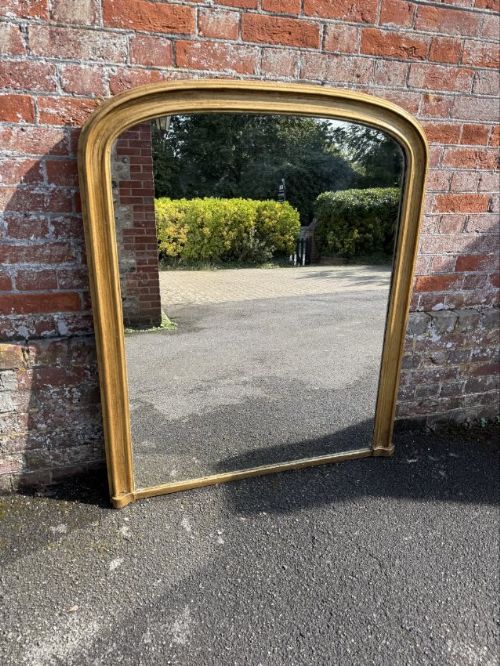
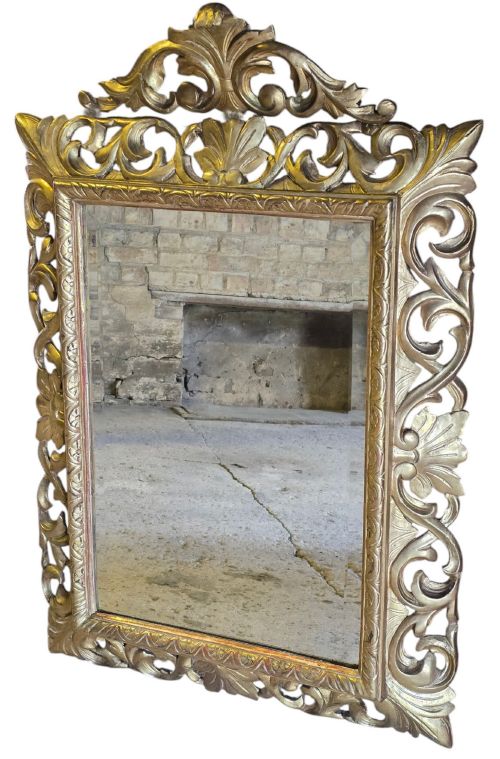
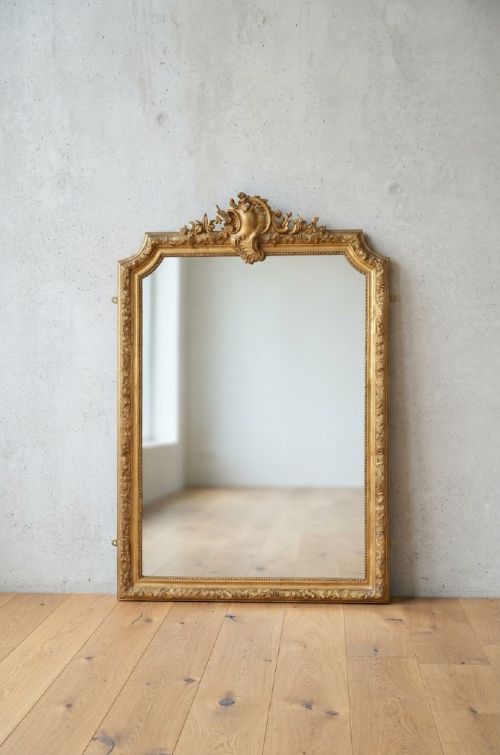
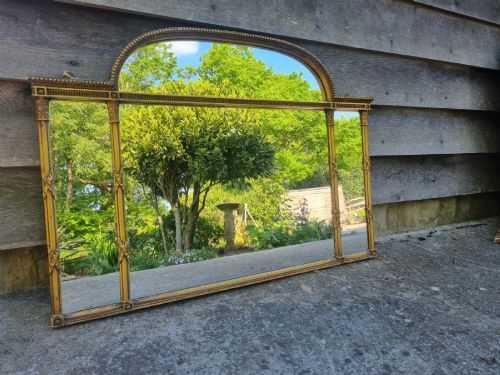
The overmantel mirror dominates the selection, appearing in arched top, shaped top, and rectangular formats. Many pieces reflect English and French design influences, including Neoclassical and Florentine styles.
Makers and craftsmen of the era built these mirrors to function as architectural centerpieces in principal reception rooms. The forms range from simple linear frames to ornate crested and carved structures.
How they were made
Wood forms the structural core of these frames, overlaid with gesso and composition mouldings to receive intricate ornamentation. Artisans applied gold leaf or gilding to the prepared surfaces to achieve the metallic finish.
Mirror glass panels, sometimes displaying original foxing, are set within the carved wooden rabbets. Carved details such as rope twists, columns, and floral motifs were hand-finished on wood and gesso substrates.
Current listings span the nineteenth and early twentieth centuries, featuring wood, gesso, and gold leaf materials.
What varies in quality
The crispness of the carved wood and gesso ornamentation distinguishes finer examples from simpler production. Relief work that retains sharp edges and deep undercut details demonstrates superior craftsmanship.
The integrity of the original gilding and the condition of the mirror glass contribute significantly to a piece's standing. Surviving original glass with authentic foxing holds particular interest for collectors.
The Gilt Frame Fireplace Mirror Glossary
- Overmantel mirror
- A large mirror specifically designed to hang or stand on the mantelpiece above a fireplace.
- Gesso
- A plaster-like mixture applied to wood frames to create a smooth surface for subsequent gilding and carving.
- Giltwood
- Timber that has been coated with gold leaf or liquid gold paint.
- Foxing
- Age-related spots and discolouration within the silvering of antique mirror glass.
- Composition
- A moulded paste of whiting, resin, and oil pressed into ornament shapes for frames.
Gilt Frame Fireplace Mirror: Frequently Asked Questions
Where should an overmantel mirror be hung?
These mirrors are proportioned to rest directly on a mantelpiece or mount to the wall immediately above a fireplace. Their size allows them to anchor the vertical space of a chimney breast.
Ensure adequate wall fixings support the considerable weight of carved wood and glass structures.
How do I identify a Victorian mirror?
Victorian examples often feature robust carved wooden frames, sometimes incorporating mahogany or heavy gesso ornamentation. Arched tops and column details frequently characterise pieces from this era.
Construction methods and backboards provide additional clues to the nineteenth-century date of manufacture.
What is foxed glass?
Foxed glass refers to the natural ageing of the silver backing inside the mirror plate, resulting in speckled dark spots. This characteristic indicates the glass is original to the antique frame.
Collectors appreciate genuine foxing for the atmospheric reflection it provides.
How do I clean an antique gilt frame?
Dust giltwood and gesso frames gently with a soft, dry brush to avoid damaging fragile raised ornamentation. Moisture and chemical cleaners strip historical gold leaf and composition details.
Regular, careful maintenance preserves the fragile metallic surface of nineteenth-century frames.