



Gilt Edge Cabinet Plate
These gilt edge cabinet plate selections bring painted porcelain and fine ceramics into the home for display rather than dining.
Gilt Edge Cabinet Plate
A gilt edge cabinet plate is an ornamental ceramic piece designed for display in a cabinet or on a wall rather than for everyday service. When searching for this phrase, buyers encounter various forms including decorative dishes, dessert plates, and large chargers.
The selections span from the eighteenth century through the mid twentieth century, featuring pieces from English factories, French manufactories, and continental European makers. English examples from Worcester, Derby, and Coalport sit alongside French Sevres and Japanese Imari imports.
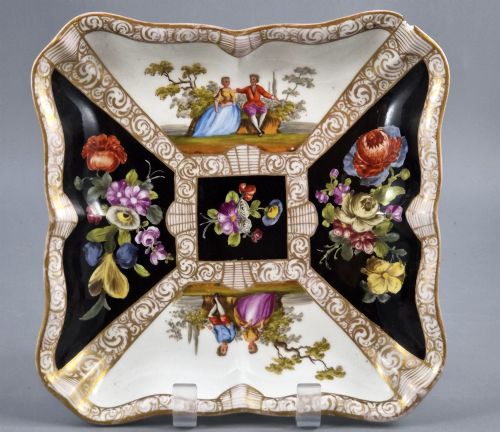
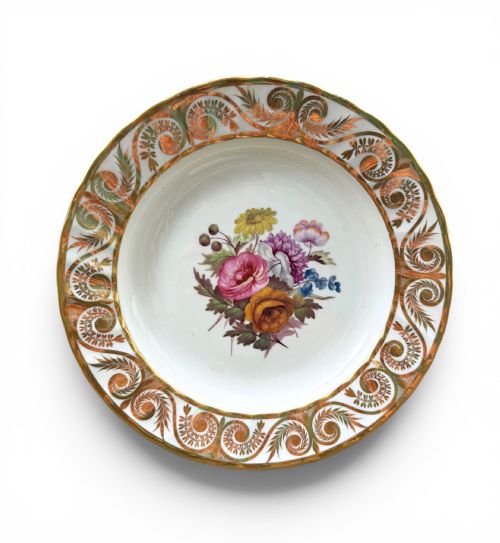
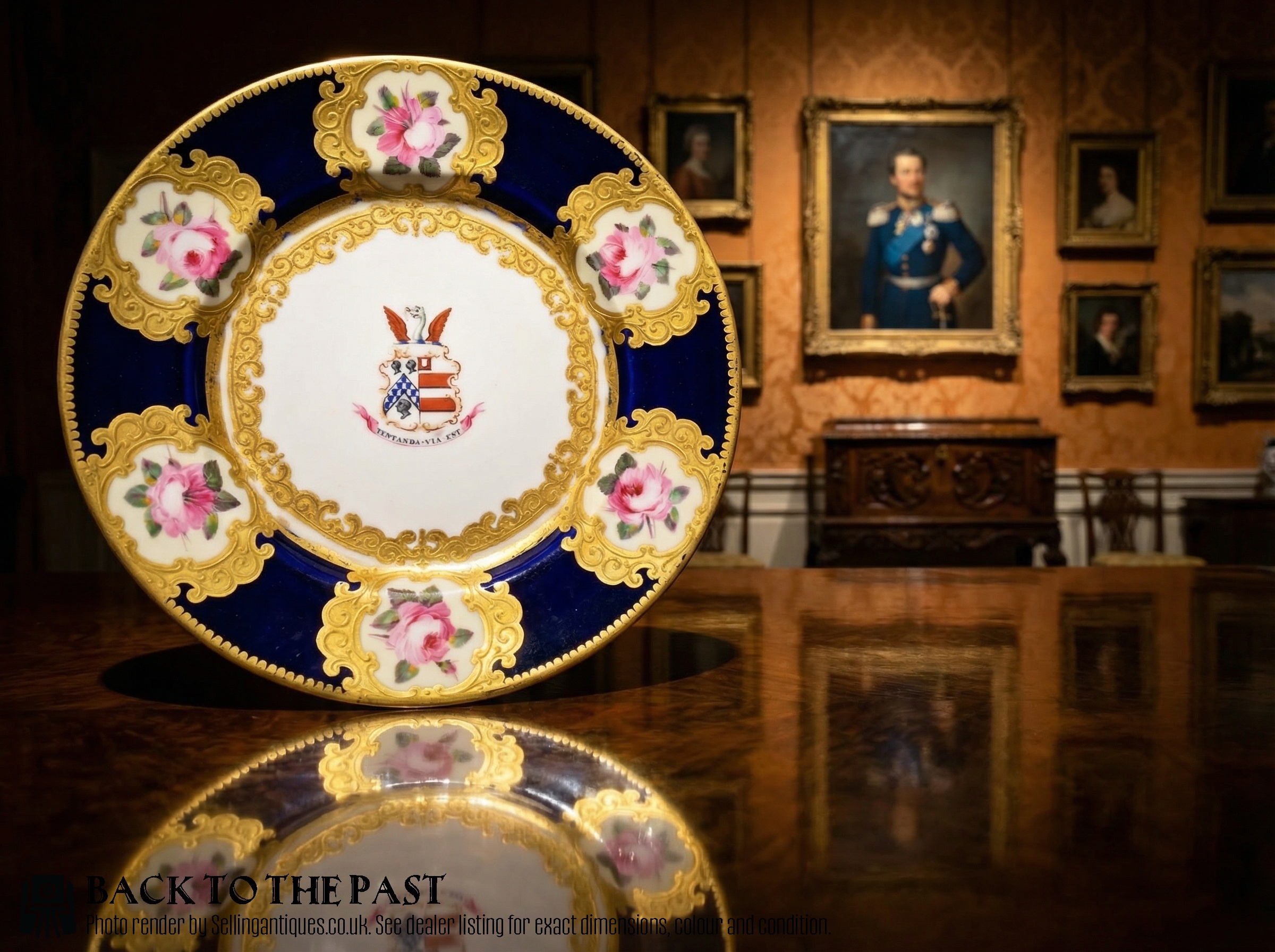
Most pieces show hand painted floral motifs, armorial designs, or figurative scenes framed by gilded borders. Scalloped edges, rope rims, and square shapes appear frequently among the decorative dishes.
How they were made
Makers utilised porcelain, bone china, and earthenware, shaping them into plates and dishes before applying hand painted pigments. Artists used enamel colours for detailed floral sprays, botanical studies like orchids, and classical scenes.
Gold leaf and liquid gilding formed the characteristic gilt edges, applied by hand around the rims and borders. Techniques such as pate sur pate built up raised white relief designs on contrasting coloured grounds.
Some nineteenth century porcelain painters clearly grew tired of flowers and snuck tiny insects into the leaf work.
What varies in quality
The distinction between tiers rests upon the skill of the hand painting and the reputation of the decorator or factory. Signed works by named artists carry greater distinction than unsigned factory output.
Complexity of decoration, such as intricate armorial crests, elaborate Watteau scenes, or dense Japanese Imari patterns, separates standard decorative plates from superior cabinet specimens.
Meissen Porcelain·Derby porcelain·Copeland·Sevres Porcelain·Royal Worcester·Coalport·Chamberlain Worcester·Flight Barr And Barr·Vienna porcelain·Crescent China·Mintons·Royal Doulton
The Gilt Edge Cabinet Plate Glossary
- Cabinet plate
- An ornamental porcelain plate intended for display rather than culinary use. These pieces often feature elaborate hand painted scenes and gilt borders.
- Imari palette
- A decorative colour scheme featuring iron red, cobalt blue, and gilt highlights. This style originated in Japan and influenced European porcelain factories.
- Pate sur pate
- A ceramic technique involving the application of successive layers of liquid clay slip to a background. This creates a cameo like relief effect.
- Armorial
- A ceramic design incorporating a family coat of arms or heraldic crest. These were often custom ordered by landed families.
- Charger
- A large decorative plate or dish used historically for formal service or displayed upright on a sideboard.
Gilt Edge Cabinet Plate: Frequently Asked Questions
How do I display a cabinet plate safely?
Plates can be housed upright in glazed display cabinets or mounted on walls using secure brass wire hangers. Ensure the mounting hardware supports the weight of the ceramic.
Keep display locations away from direct sunlight to prevent the hand painted enamel colours from fading over time.
Can I use these plates for serving food?
These decorative pieces are intended for visual appreciation rather than dining. Historic glazes and delicate gold leaf on the rims may not withstand modern cutlery or frequent washing.
Display them on stands or keep them behind glass to preserve the painted surfaces and gilt edges.
How do I date an antique porcelain plate?
Dating relies on factory backstamps, painted decorator marks, and stylistic clues like shape and palette. Eighteenth and nineteenth century pieces often bear factory ciphers or hand written pattern numbers.
Comparing the paste and glaze quality to known factory standards helps narrow down the period of manufacture.
What is the difference between a plate and a charger?
Chargers are significantly larger than standard dining or dessert plates, measuring well over traditional dinnerware diameters. They served as decorative bases or large presentation dishes.
Smaller plates were typically produced as part of dessert services or as individual cabinet showpieces.