


Gilt Cobalt Display Plates
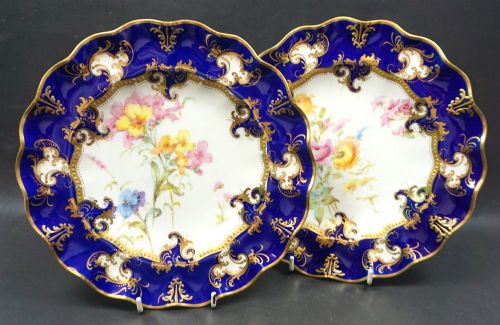
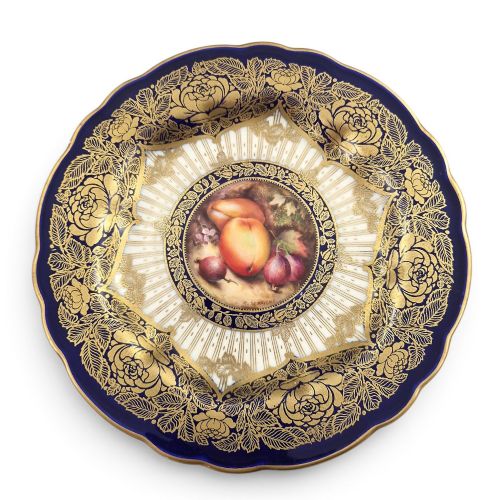
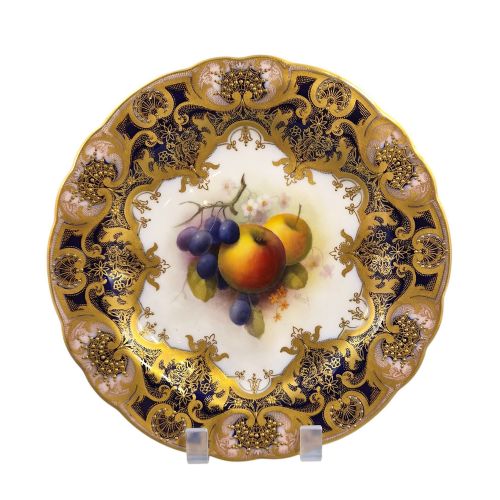
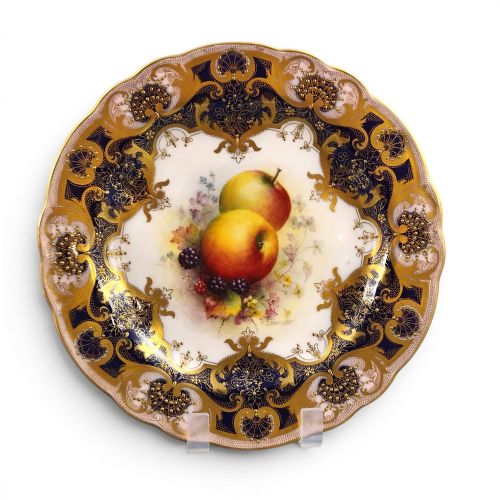
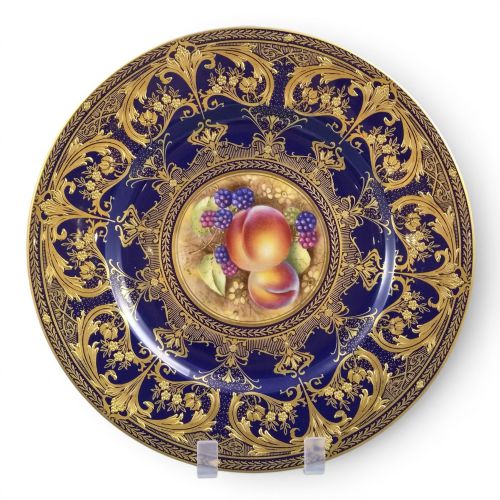
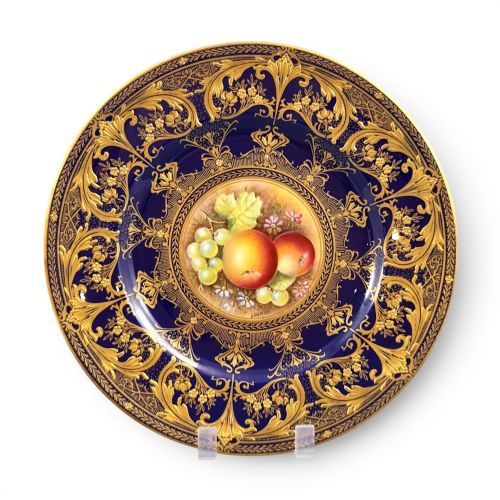
These gilt cobalt display plates combine deep blue grounds with rich gold leaf ornamentation, designed to hang on walls or sit upon cabinets for decorative impact.
Gilt Cobalt Display Plates
When you search for gilt cobalt display plates, you encounter porcelain and bone china vessels primarily made for presentation rather than dining. The forms span cabinet plates, decorative chargers, and shallow bowls intended to showcase rich blue glaze and metallic detailing.
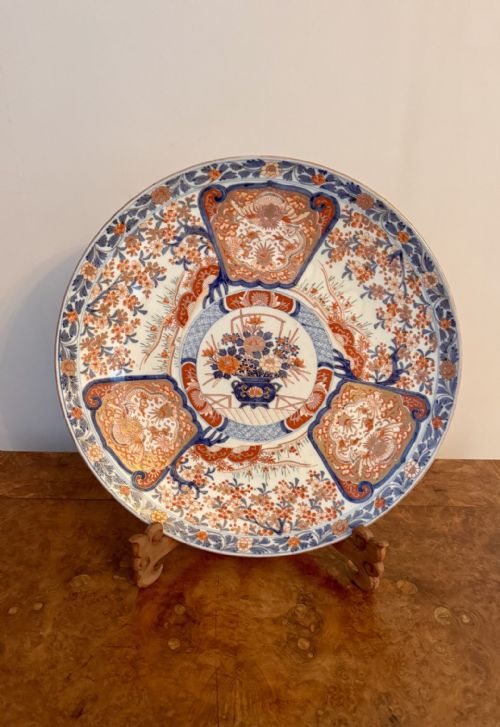
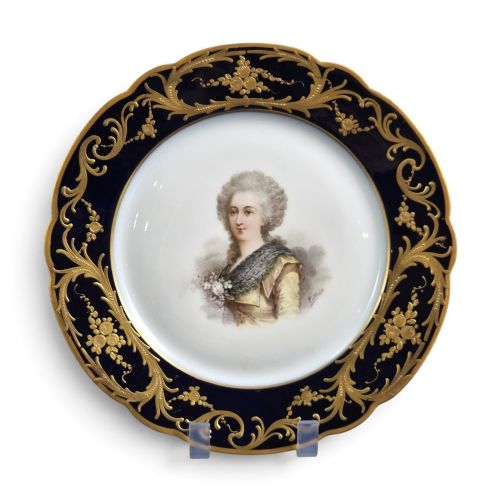
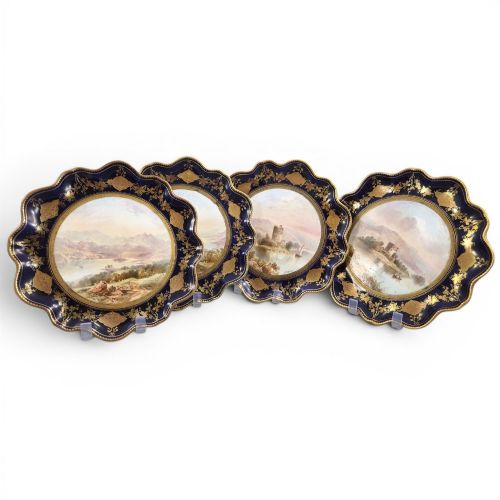
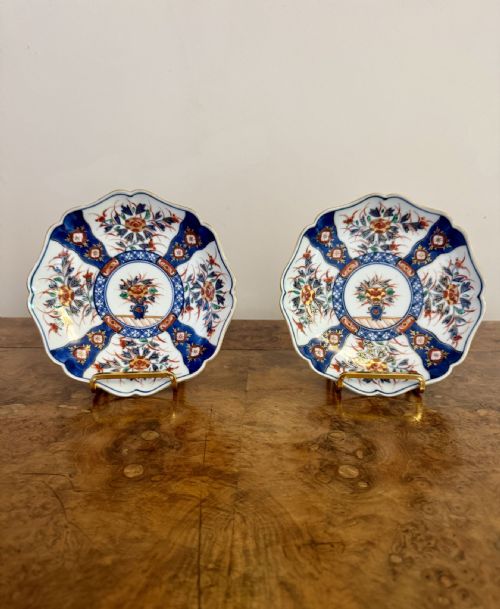
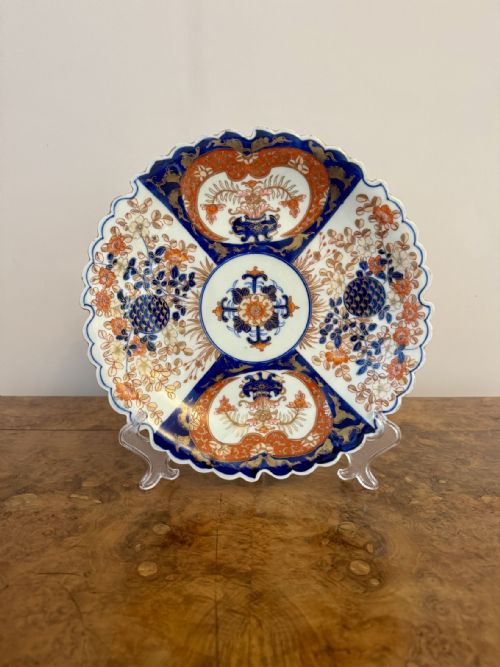
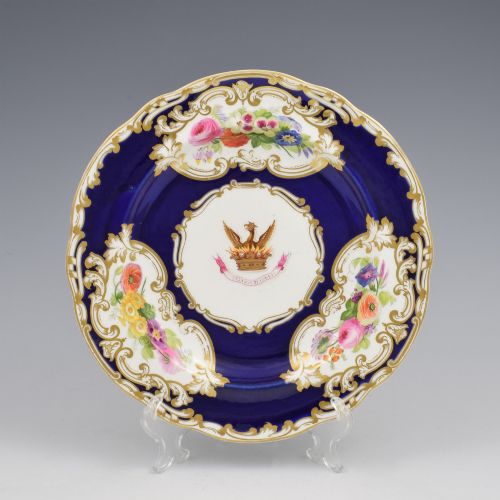
The examples on this page date from the early nineteenth century through the mid-twentieth century, originating from English factories, continental European manufactories, and Japanese kilns. You find cabinet plates bearing hand-painted fruit, armorial crests, and classical figures alongside Japanese Imari wares utilising traditional palettes.
How they were made
The makers formed these objects from porcelain, bone china, and earthenware, applying cobalt oxide beneath or over the glaze to achieve the characteristic deep blue ground. Artisans then added gold leaf, gilding, and gold gilt by hand, often firing the pieces multiple times to bond the metallic surface to the ceramic body.
Many items feature hand-painted centres depicting birds, fruit, or portraits, executed over white reserves left within the cobalt and gilt borders. Factories also utilised pierced porcelain techniques and scalloped edges to shape the plates before final glazing and gilding.
Japanese Imari items appear alongside European factory work from Sèvres, Vienna, and English porcelain works.
What varies in quality
The distinction between standard production and the finest work lies in the execution of the hand-painted details and the application of the gold. Master painters signed portrait and fruit plates, whereas lesser pieces relied on transfer printing with minimal touch-ups.
The depth of the cobalt ground and the density of the tooled gilding dictate the visual weight of the plate. Heavier, more burnished gold leaf and complex border patterns separate standard cabinet wares from exhibition-grade pieces.
Royal Crown Derby·Royal Worcester·Royal Vienna·Aynsley·Copeland·Meissen·Darte Brothers·New Hall
The Gilt Cobalt Display Plates Glossary
- Cabinet Plate
- A decorative ceramic plate intended for display in a cabinet or on a wall rather than for table service. These pieces usually feature elaborate hand-painted scenes or rich gilding.
- Charger
- A large decorative plate or shallow bowl used traditionally as a base under other courses or hung independently for display. They provide a wider surface area for complex cobalt and gilt patterns.
- Gilding
- The application of gold leaf or gold powder to the ceramic surface to create metallic highlights and borders. Tooling is often applied to the dried gold to add texture and catch the light.
- Imari Style
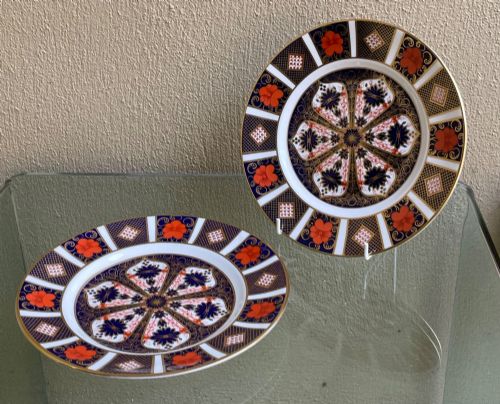
- A decorative ceramic scheme originating in Japan and later copied in Europe, characterised by underglaze blue, iron red, and abundant gilt details. The palette remains distinct for its high contrast.
- Armorial
- A ceramic design incorporating a family crest, coat of arms, or heraldic insignia. These commissions identify the original owning household.
Gilt Cobalt Display Plates: Frequently Asked Questions
What are cabinet plates?
Cabinet plates are ornamental ceramic dishes manufactured purely for visual display rather than practical dining use. They often feature delicate hand-painted motifs or precious metal borders that would not withstand regular food service.
Historically, owners stored these items in glass-fronted cabinets or mounted them on walls to showcase wealth and artistic taste. Their survival in clean condition stems from this purely decorative purpose.
How do I identify Japanese Imari?
Japanese Imari plates display a distinct palette combining deep cobalt blue underglaze with iron red and substantial gold leaf accents. The patterns frequently incorporate floral motifs, panels, and brocade designs.
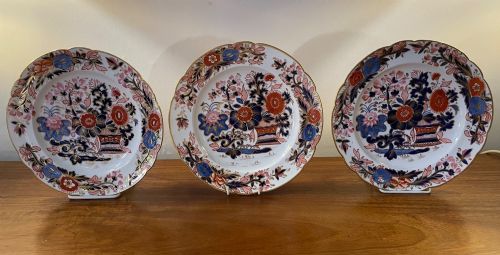
European factories produced numerous imari style copies during the nineteenth century, but baseline Japanese pieces maintain characteristic potting traits and paste variations peculiar to the period.
Are these plates safe for food?
These display plates are intended for decorative presentation rather than culinary use. Older glazes and heavy gilding can contain metallic compounds unsuited to acidic foods and modern dishwashers.
Hand washing in lukewarm water with mild soap is necessary if cleaning is required, avoiding harsh abrasives that damage the gold leaf.