
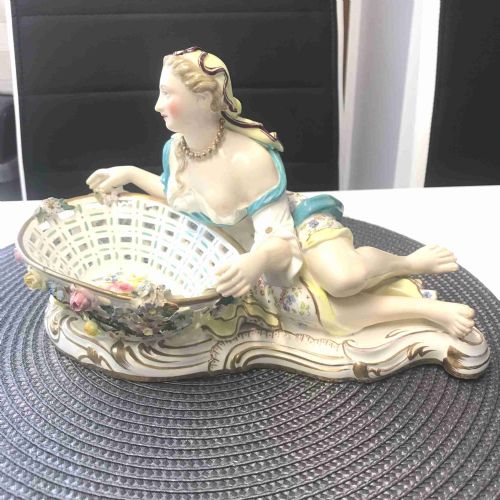


Gilt Ceramic Figurine
When you handle a gilt ceramic figurine, you hold centuries of European and Japanese modelling traditions in porcelain, earthenware and pottery.
Gilt Ceramic Figurine
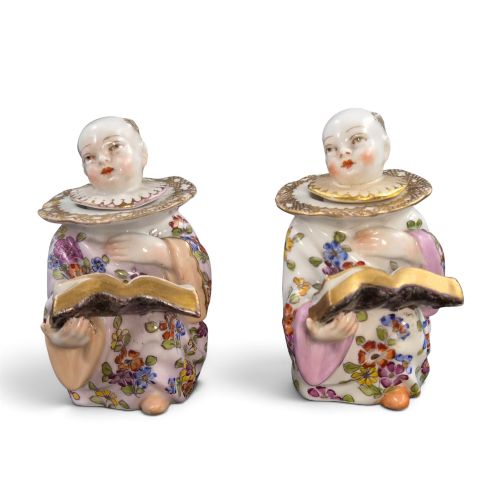
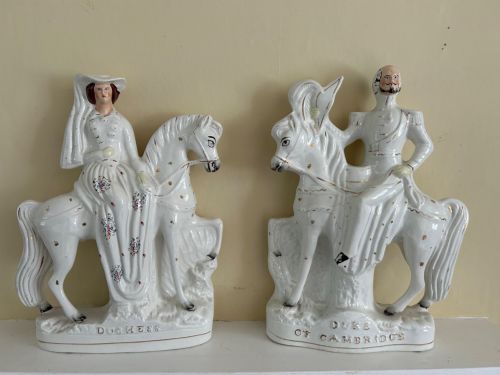
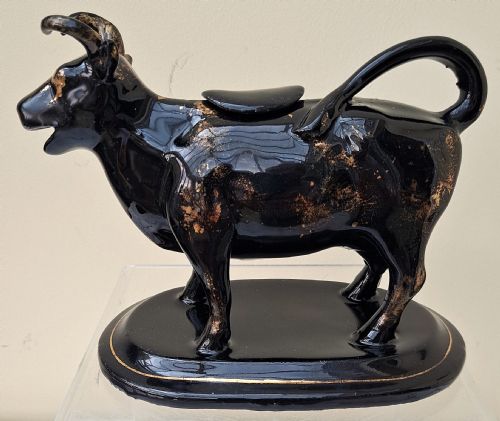
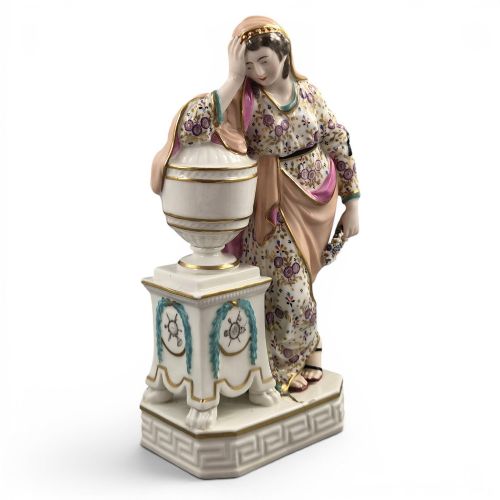
A gilt ceramic figurine encompasses sculptural forms ranging from eighteenth-century German pastoral subjects and English porcelain figures to Japanese Satsuma okimono and nineteenth-century Staffordshire earthenware dogs. These pieces take the shape of human figures, animals, mythological groups, and functional items such as inkwells, sweetmeat dishes, and candlesticks.
The version most commonly met on this page is the nineteenth-century Victorian or Georgian porcelain figure, often produced in pairs and finished with hand-painted details and gold leaf accents.
Origins span major European factories in Meissen, Derby, Bow, and Paris, alongside English Staffordshire potteries and Japanese imperial workshops.
Materials and Techniques
Makers shaped these figures from hard-paste porcelain, soft-paste porcelain, biscuit porcelain, or earthenware, utilising moulds or hand-modelling techniques before firing the clay in kilns.
Surface decoration involved hand-applied enamel paints, coloured glazes, and intricate gilding using gold leaf or liquid gold to highlight garments, bases, and decorative trim.
Several figures depict animals wearing human expressions, including Staffordshire dogs and goats carrying tailors.
Craftsmanship and Execution
The standard of modelling defines the upper tier, where facial expressions, hand positions, and drapery folds display sharp definition and careful anatomical observation rather than soft or heavy outlines.
The application of gilding and enamel painting dictates visual success, distinguishing finely brushed gold leaf and precise polychrome pigments from simpler, mass-produced colour application.
Meissen·Royal Worcester·Derby Porcelain·Volkstedt·Makuzu Kozan II
The Gilt Ceramic Figurine Glossary
- Biscuit porcelain
- Unglazed porcelain fired once to produce a matte, marble-like surface texture. It gained popularity for neoclassical busts and delicate figures.
- Flatback
- A pottery figure modelled primarily for display against a wall or mantelpiece, leaving the reverse side unglazed and flat. This technique was common in nineteenth-century Staffordshire production.
- Sweetmeat dish
- A small decorative vessel or figural dish designed to hold confectionery or dried fruits at a dining table. These pieces often feature figures seated beside or supporting the container.
- Okimono
- A Japanese carved or modelled ornamental figure intended for display in a household setting. They frequently depict traditional subjects, animals, or historical figures.
- Gilding
- The application of gold leaf or powdered gold onto the ceramic surface to create metallic highlights. It is typically fixed through a secondary low-temperature firing.
Gilt Ceramic Figurine: Frequently Asked Questions
How do I clean a gilt ceramic figurine?
Dust these pieces gently with a dry, soft brush to prevent the accumulation of dirt within crevices and painted details. Avoid liquid cleaners and harsh chemicals, as moisture and abrasive wiping can damage delicate enamel colours and wear away aged gold leaf.
Keep figures away from direct sunlight and areas subject to high humidity to preserve the stability of the ceramic body and surface gilding over time.
Were these figures meant for display?
Most figurines served as decorative ornaments for mantelpieces, drawing-room cabinets, and side tables in wealthy homes. Some pieces, such as inkwells, candlesticks, and sweetmeat dishes, combined ornamental modelling with practical domestic functions.
Pairs of figures were frequently produced to balance mantelpiece arrangements, reflecting formal interior design tastes of the eighteenth and nineteenth centuries.
How do I tell an eighteenth-century figure from a nineteenth-century one?
Examine the paste, glaze texture, and modelling style to determine the likely period of manufacture. Eighteenth-century pieces often display softer porcelain bodies and hand-modelled nuances, while nineteenth-century revival pieces may utilise sharper mould work and brighter factory glazes.
Factory marks, where present, help confirm the era, though many early figures rely on stylistic comparisons with documented museum examples for accurate dating.
Why are some figures left unglazed?
Unfinished surfaces of biscuit porcelain were deliberately left without glaze to mimic the appearance of classical marble sculpture. This technique was favoured for neoclassical busts and romantic figures produced during the eighteenth and nineteenth centuries.
The matte finish absorbs light differently than glazed porcelain, highlighting the sculptural contours and fine details modelled by the artist.