
Gilt Bronze Mounted Porcelain
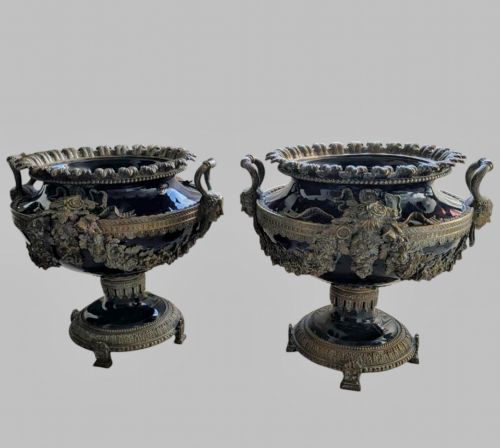
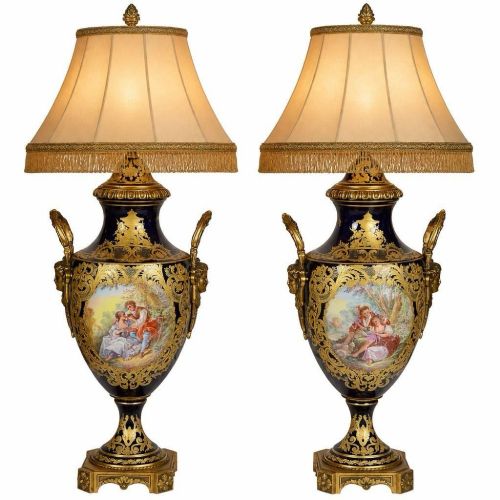
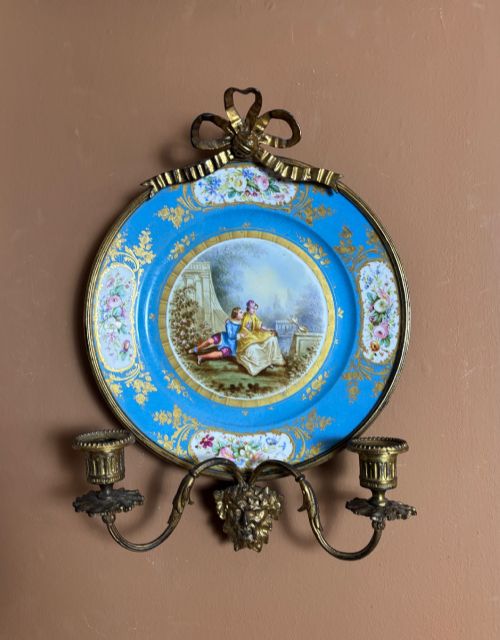
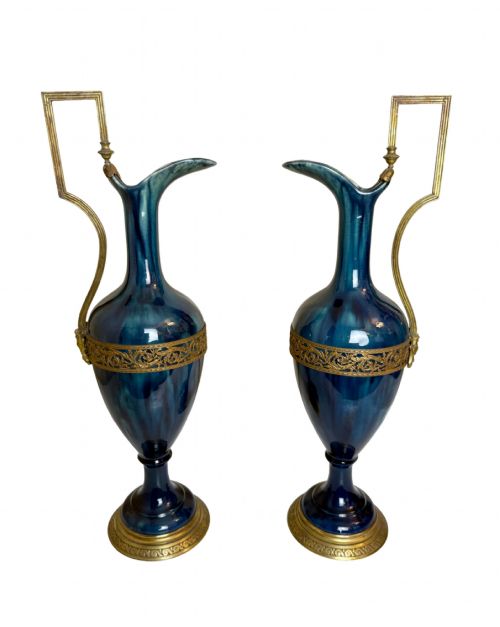
Gilt bronze mounted porcelain combines ceramic bodies with cast metal fittings, creating decorative objects that balance utility with French revival luxury.
Gilt Bronze Mounted Porcelain
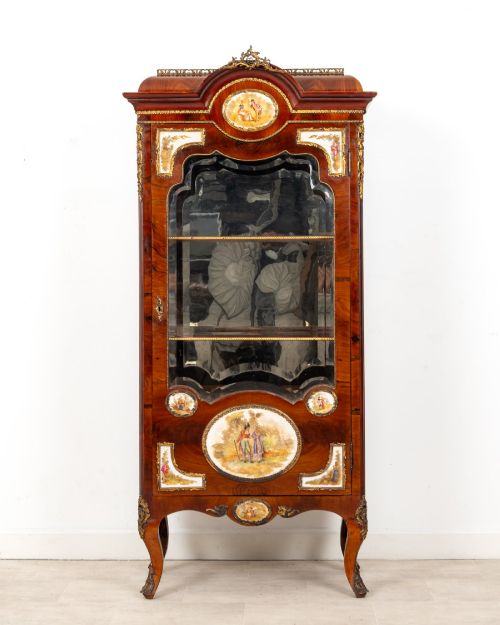
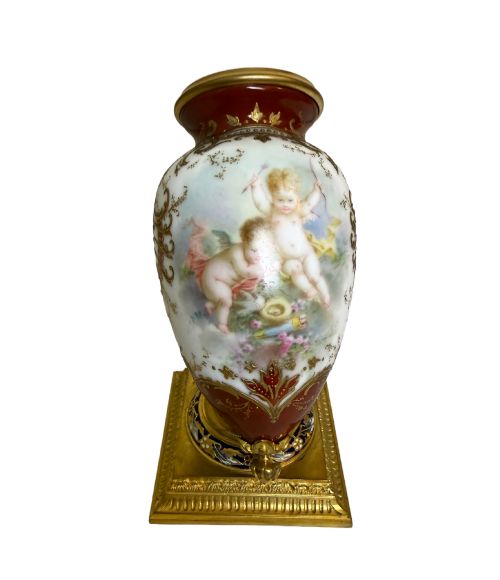
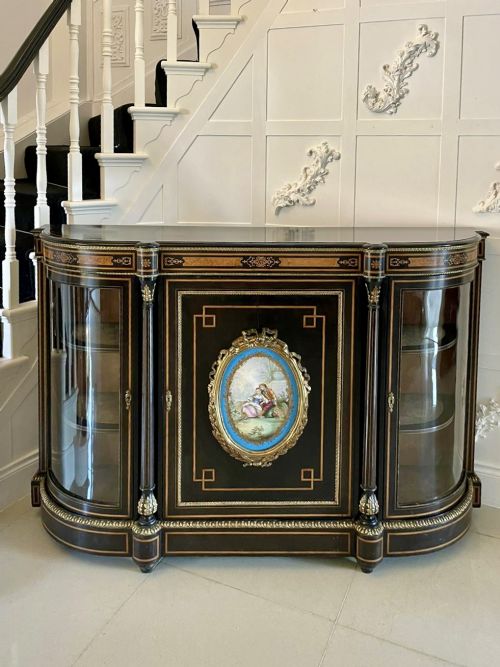
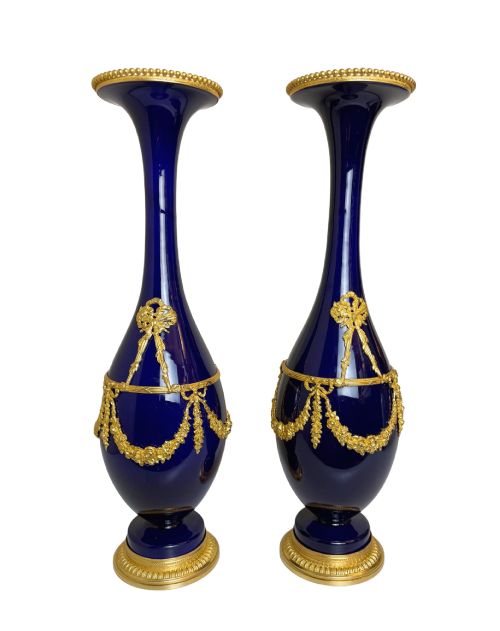
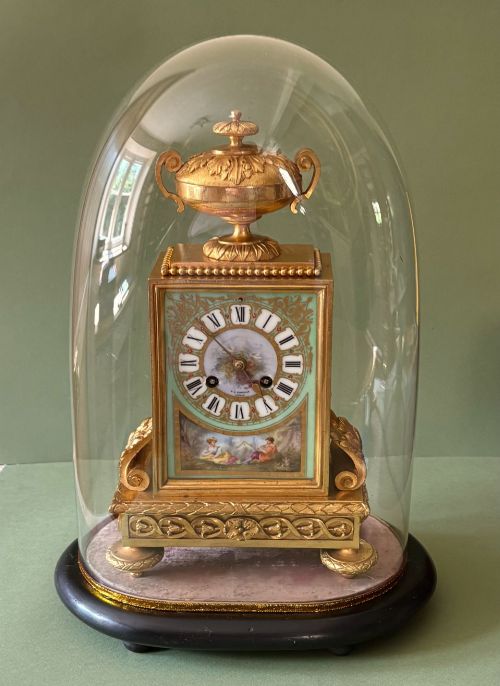
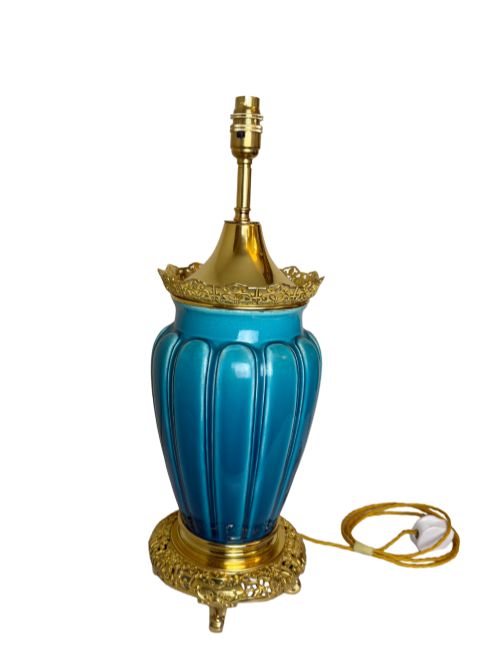
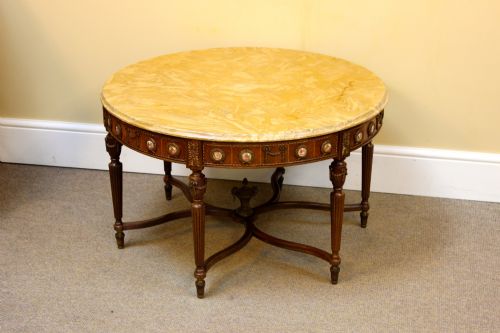
When you search for gilt bronze mounted porcelain, you encounter items designed for display and domestic utility across elite European interiors. The selection spans utilitarian vessels transformed into luxury items, decorative mantel clocks, and table lamps incorporating Asian ceramics alongside European porcelain bodies.
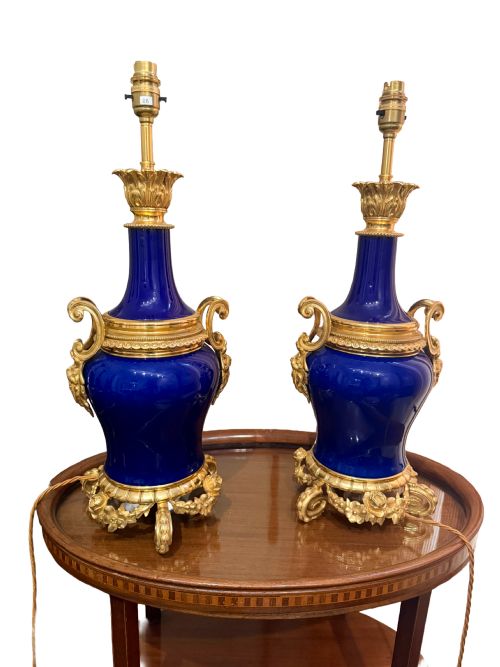
The most common examples on this page date from the nineteenth century, reflecting sustained enthusiasm for French Rococo Revival and Louis XV styles. These objects pair blue ceramic, turquoise, and white porcelain forms with cast and chased metal mounts that frame the ceramic body.
What varies in quality
The refinement of the cast metal mounts distinguishes finer examples from standard production pieces, particularly in the depth of the chasing and the crispness of the foliage and scrollwork. Superior ormolu demonstrates sharp definition in the high relief areas and a consistent, warm golden tone across the entire metal surface.
The integration between the ceramic body and the metal armature indicates the maker's skill, where custom mounts follow the exact curves of the porcelain rather than standard production fittings. Furthermore, the quality of the porcelain painting, particularly on Sevres style plaques and vases, determines the overall standing of the object.
Some nineteenth-century French artisans decided a porcelain windmill needed a dancing Meissen harlequin to feel truly complete.
Paul Louchet·Achilles Brocot·Etienne Lenoir
The Gilt Bronze Mounted Porcelain Glossary
- Ormolu
- A method of applying finely ground high-carat gold to a bronze object, also known as gilt bronze. This finish provides a rich metallic lustre that resists tarnishing over time.
- Chasing
- The manual process of refining a cast metal surface using steel punches and hammers. This technique adds texture and sharpens details on the bronze mounts.
- Sèvres style
- Porcelain produced in imitation of the French royal factory output, often featuring cobalt blue grounds and hand-painted panels. These pieces capture the aesthetic of eighteenth-century court ceramics.
- Jardiniere
- A decorative container or stand designed to hold growing plants or flower arrangements. In these listings, they frequently incorporate porcelain plaques and ormolu framing.
- Cartonnier
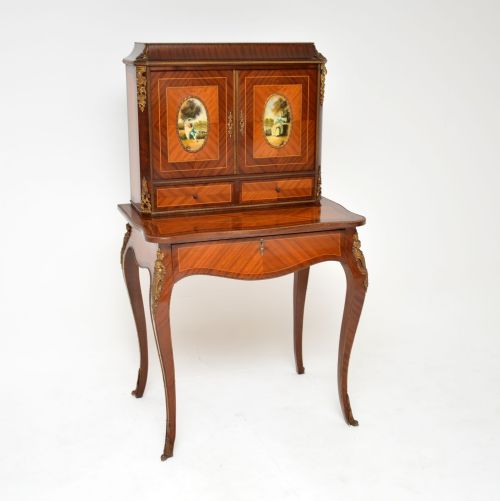
- A desktop cabinet or stand fitted with compartments for holding papers and documents. They frequently incorporate gilt bronze mounts and inset ceramic plaques.
Gilt Bronze Mounted Porcelain: Frequently Asked Questions
What is gilt bronze mounted porcelain?
These items consist of ceramic vessels, vases, or plaques fitted with cast and gilded metal mounts. The metalwork acts as an architectural frame that enhances the decorative appeal of the ceramic.
Craftsmen created these pieces primarily in France during the nineteenth century, drawing inspiration from earlier royal interiors. They serve primarily as ornamental centrepieces, mantel clocks, and lighting fixtures.
How do I identify a period piece?
Dating relies on examining the construction methods of the metal mounts, the style of the ceramic body, and the wear patterns on the gilding. Nineteenth-century examples often display machine-tooled screws or specific casting characteristics associated with revival movements.
Consulting the specific ceramic marks beneath the glaze or on the metal armature helps clarify the origin of the piece. Comparing the mount design to documented French cabinetmaker archives provides further chronological context.
How should I care for gilt bronze mounted porcelain?
Maintenance requires gentle dusting with a soft, dry cloth to prevent abrasive particles from scratching the gilded surface or the ceramic glaze. Avoid liquid cleaners, chemical polishes, and moisture, which can degrade ormolu finishes and weaken adhesive bonds between the metal and porcelain.
Positioning the items away from direct sunlight and humidity protects the painted ceramic surfaces and prevents degradation of the wood or metal components. Handle the pieces by their solid sections rather than relying on decorative mounts or handles for support.
Why are Asian ceramics found with European mounts?
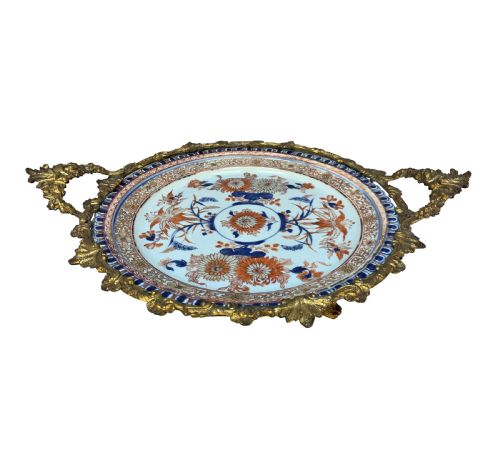
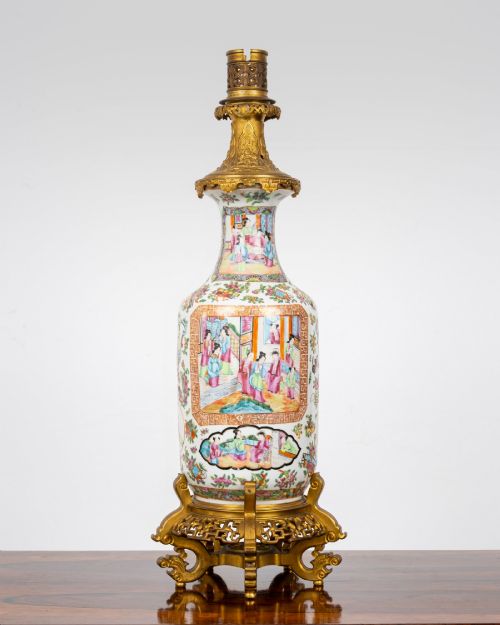
European collectors in the eighteenth and nineteenth centuries frequently adapted imported Chinese and Japanese porcelain by adding bespoke ormolu mounts. This practice elevated exotic trade wares to suit Western interior decorative schemes.
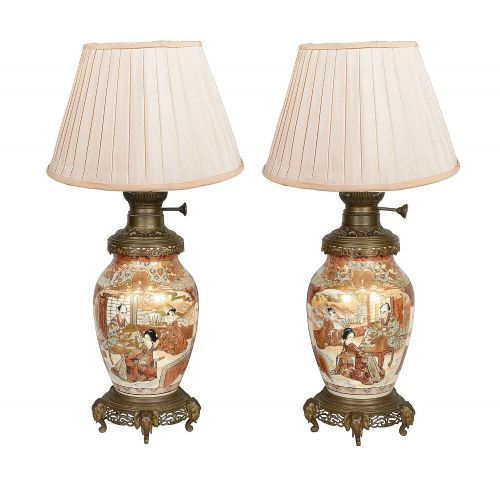
Later nineteenth-century workshops continued this tradition by pairing Asian export porcelain with French gilt bronze fittings to satisfy Victorian demand for eclectic luxury objects.