

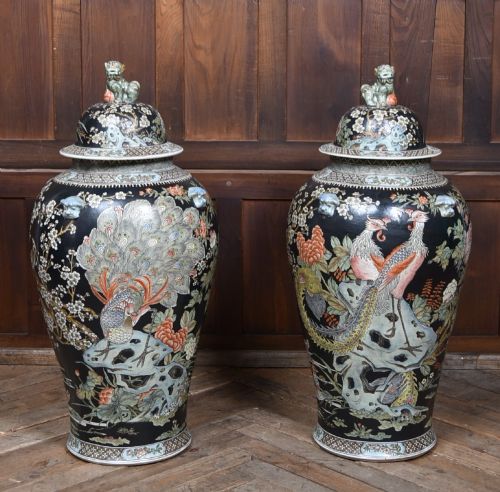



Chinese Covered Porcelain Urns
Chinese covered porcelain urns combine scale and decorative painting, offering substantial presence for an interior.
Chinese Covered Porcelain Urns
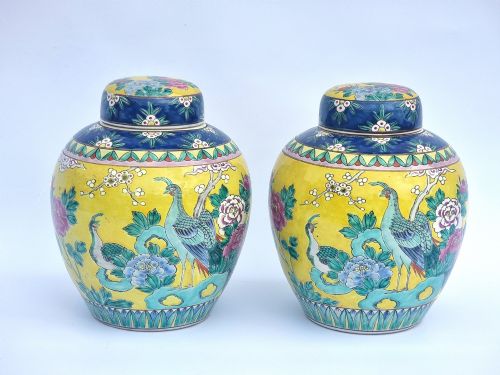
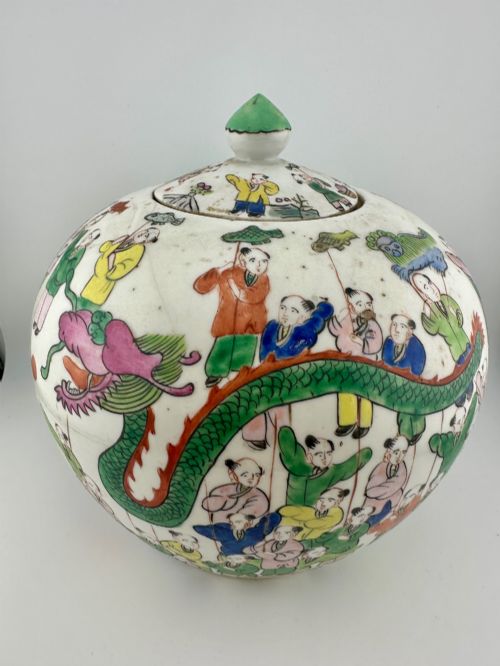
Chinese covered porcelain urns are substantial vessels designed for display, encompassing forms such as ginger jars, palace floor jars, and temple jars with matching lids. When you search for chinese covered porcelain urns, you encounter pieces originating from the seventeenth century through to the twentieth century, reflecting diverse periods including the Qing Dynasty and the Republic Period.
How they were made
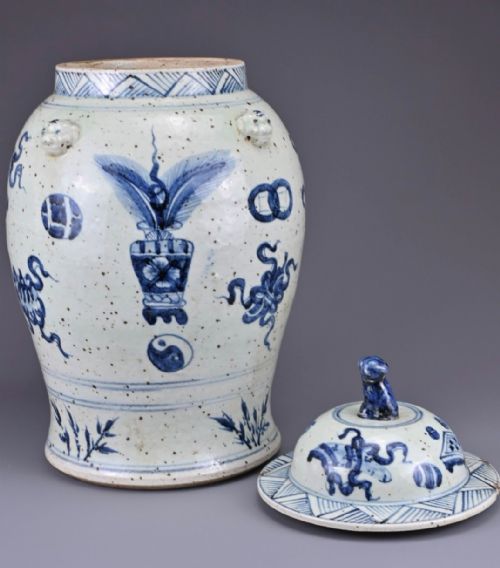
These vessels are produced from hard-paste porcelain, shaped and fired at high temperatures to achieve a dense and durable body. Artisans applied cobalt pigment under the glaze for traditional blue and white designs, or utilised surface enamels and gold leaf for polychrome effects.
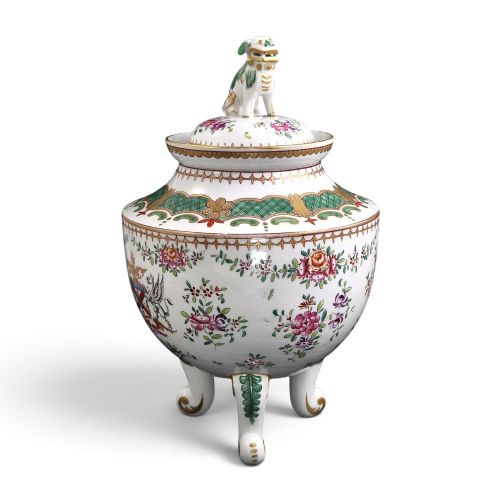
Many items incorporate hand-painted details executed with fine brushwork, sometimes complemented by secondary materials like ormolu mounts added in later European settings. The glazing techniques produce varied finishes, from deep cobalt glaze and powder blue to monochrome surfaces.
Chinese Covered Porcelain Urns Retail Price Guide 2026
Typical asking prices for chinese covered porcelain urns among the pieces listed under this phrase on Sellingantiques today, from the lower quarter to the upper quarter. They describe what is for sale here now, not the wider market.
Listings feature hard-paste porcelain vessels spanning the seventeenth to the twentieth century, incorporating blue and white, powder blue, and monochrome finishes.
What varies in quality
Quality in these pieces is dictated by the fineness of the porcelain body and the precision of the hand-painted decoration. Superior examples demonstrate control in cobalt pigment application and enamel work, showing crisp lines and well-balanced compositions across the surface of the jar and cover.
The integrity of the form and the preservation of the original glaze or gold leaf influence the standing of a piece. Earlier examples from periods such as the seventeenth century carry distinct historical weight, while nineteenth-century reinterpretations and European studio productions like Samson Paris display their own standards of ceramic execution.
Samson Paris
The Chinese Covered Porcelain Urns Glossary
- Cobalt Glaze
- A deep blue colourant applied beneath the ceramic glaze before firing. It creates the characteristic rich blue decoration seen on traditional Chinese porcelain vessels.
- Hard-Paste Porcelain
- A dense, vitrified ceramic material fired at high temperatures using kaolin and petuntse. This composition results in a durable body that resists scratching and moisture.
- Powder Blue
- A blown cobalt blue ceramic glaze producing a mottled, textured surface appearance. This technique creates a soft, uniform background colour on the porcelain body.
- Ormolu Mounts
- Cast and gilt bronze decorative fittings applied to ceramic objects. These mounts were frequently added by European craftsmen during the nineteenth century.
- Kamcheng
- A traditional covered ceramic jar originating from Chinese kilns for export markets. These vessels typically feature polychrome enamel decoration and functional lids.
Chinese Covered Porcelain Urns: Frequently Asked Questions
What is a Chinese ginger jar?
A Chinese ginger jar is a storage vessel featuring a broad shoulders, a short neck, and a fitted cover. Originally utilised for spices and commodities, these jars evolved into decorative objects valued for their symmetry and painted surfaces.
Today, they are collected as pairs or single display items, frequently rendered in blue and white porcelain or monochrome glazes.
How do I date a Chinese porcelain jar?
Dating involves examining the characteristics of the porcelain body, the style of the cobalt or enamel painting, and the form of the vessel. Seventeenth-century pieces, such as those from the Kangxi period, display specific potting techniques and pigment tones that differ from nineteenth-century productions or twentieth-century Republic Period items.
Glaze consistency and base finish also provide indicators of the manufacturing era.
Are these jars always sold with covers?
Many listings feature vessels that retain their original matching covers, which is a significant factor for completeness. Surviving lids are checked for matching decoration and glaze consistency with the body of the jar.
When a jar and cover are contemporaneous, they present the intended profile of the vessel.
How do I display large palace jars?
Large palace floor jars and temple jars require stable placement on sturdy surfaces or directly on the floor given their scale. They are often paired on either side of a fireplace, entrance, or upon occasional tables like padouk stands.
Their substantial presence makes them focal points within a room.