
Gilt Bronze Desk Clock
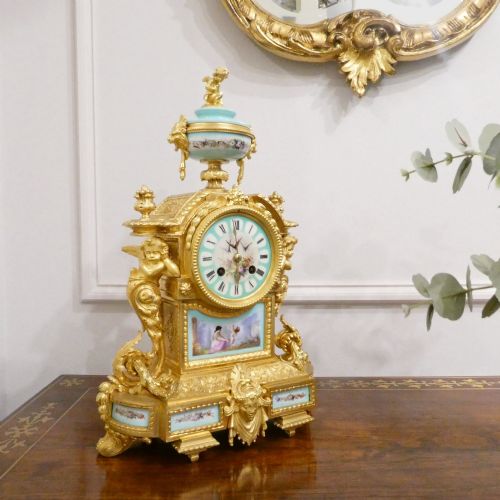
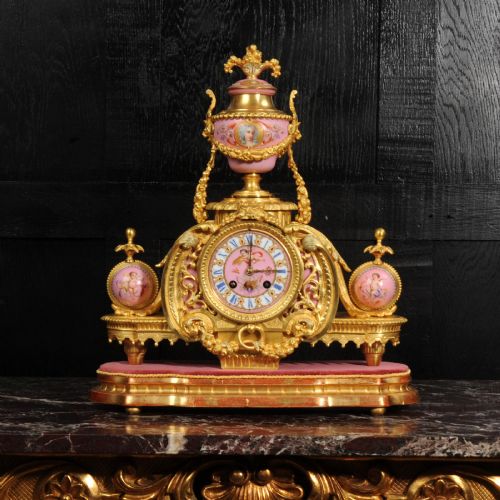
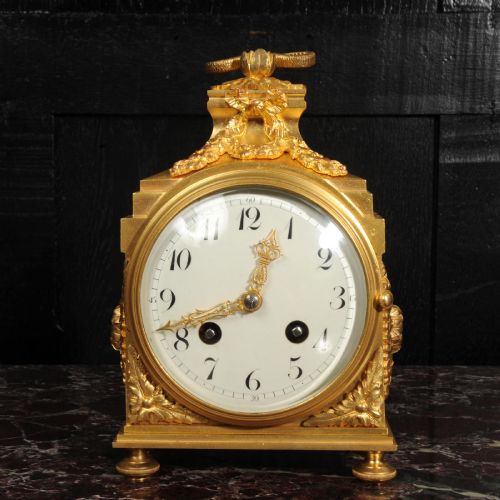
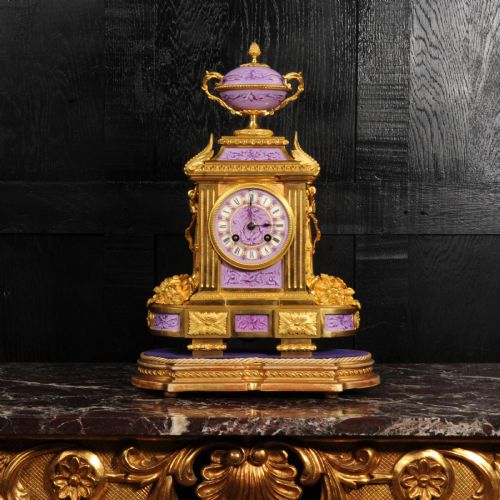
A gilt bronze desk clock brings architectural weight and bright metalwork to a surface, often cast in French Empire or Rococo Revival styles.
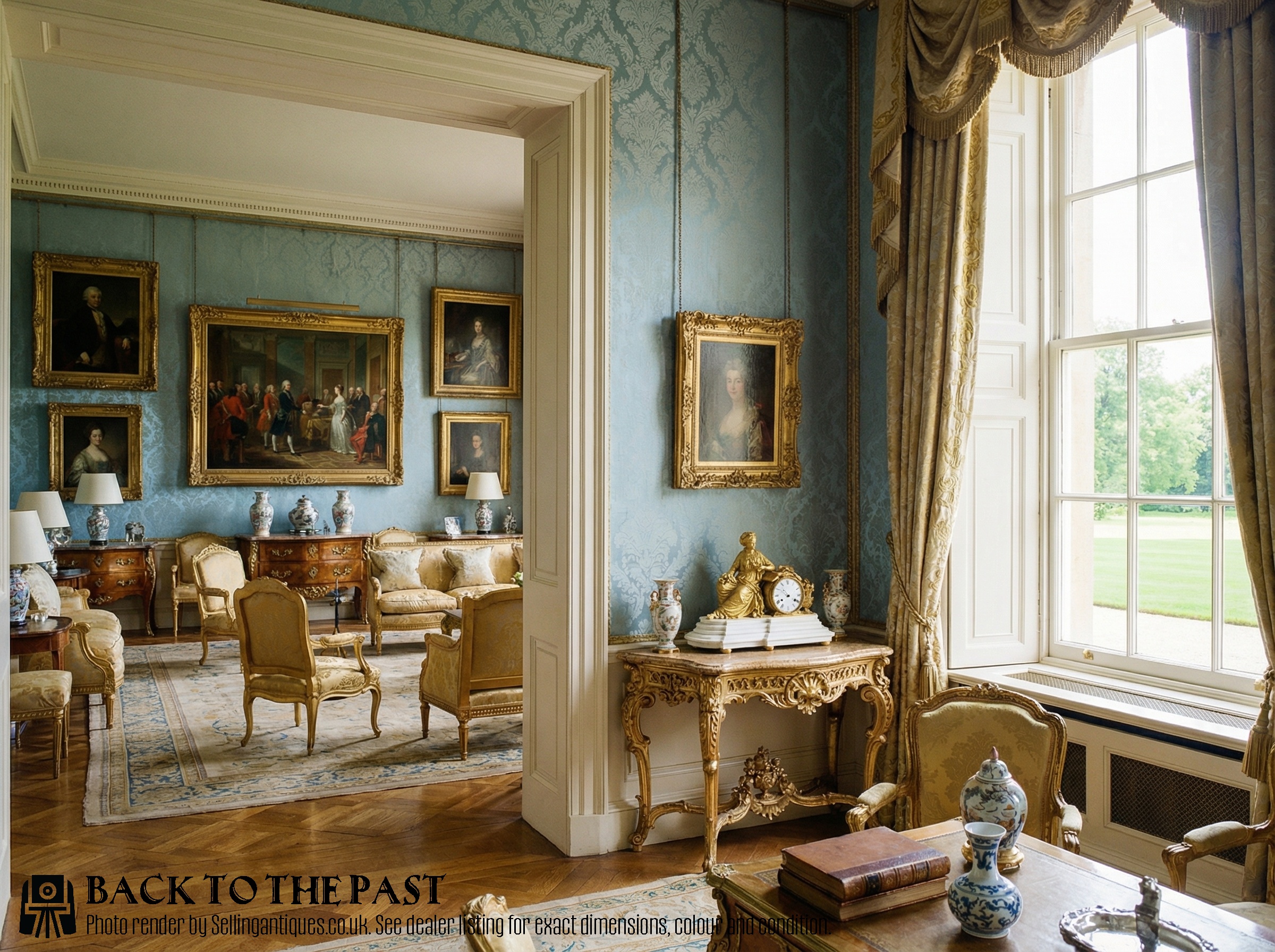
Gilt Bronze Desk Clock
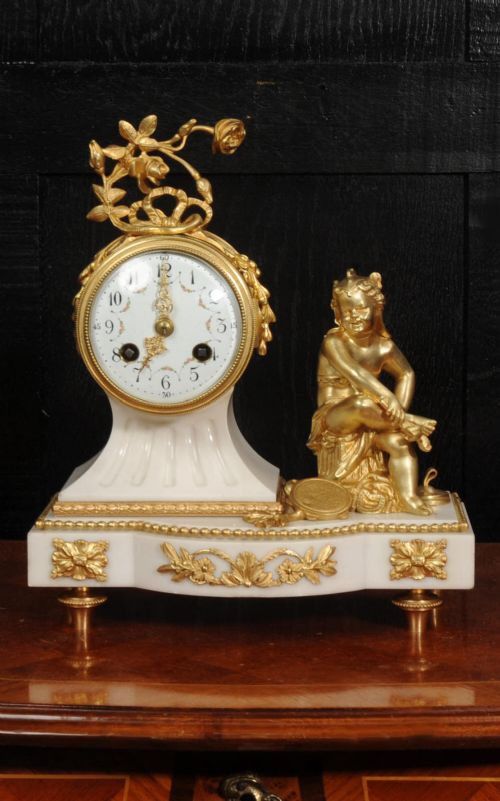
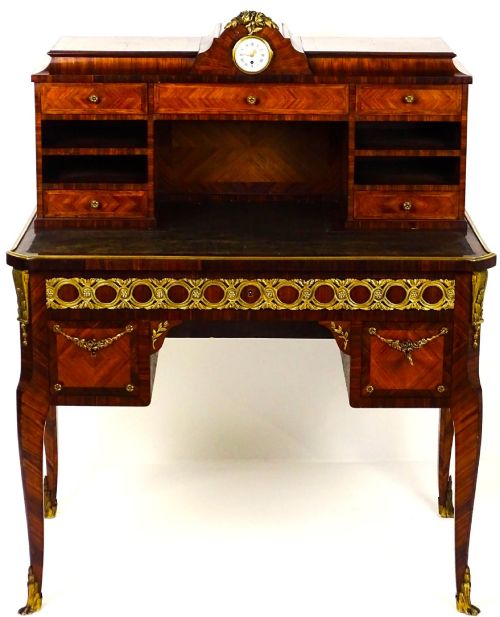
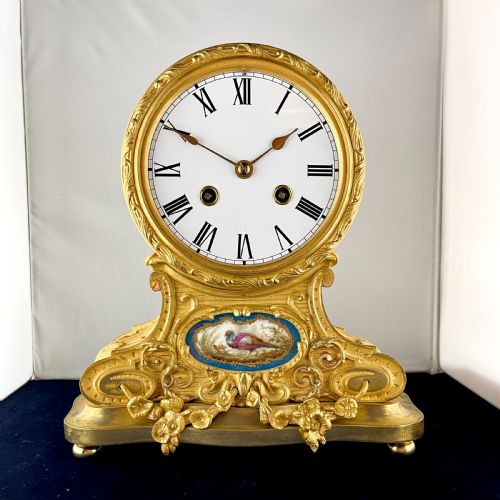
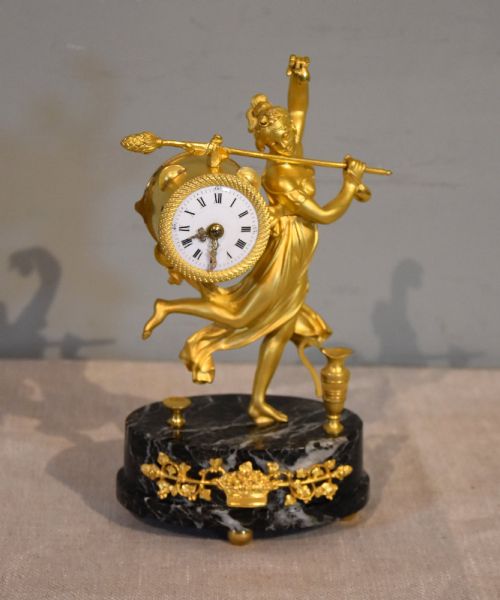
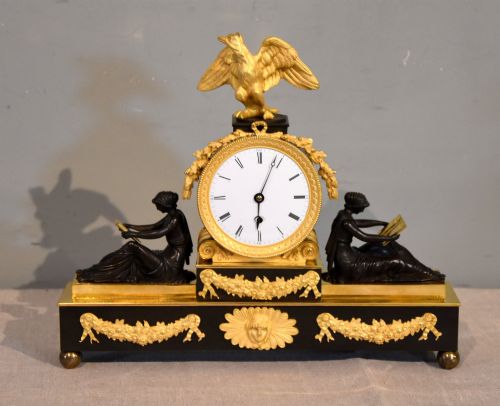
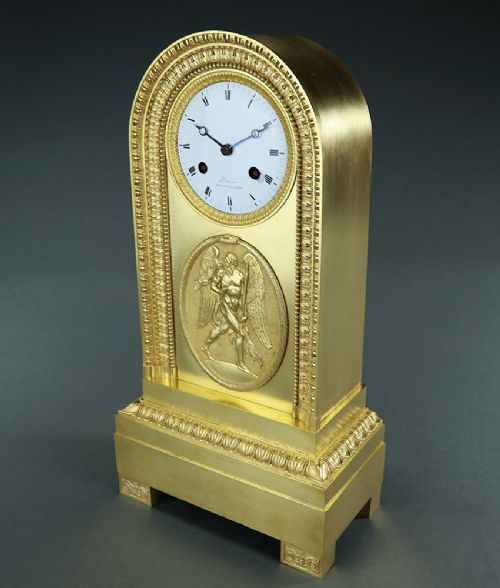
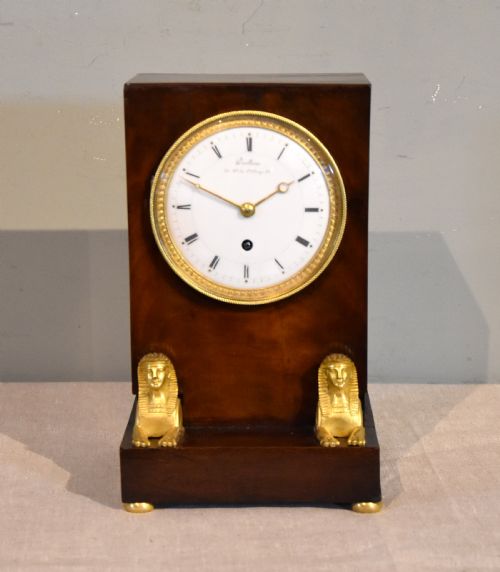
A gilt bronze desk clock sits within a tradition of ornamental timepieces spanning the nineteenth century, including Victorian, Regency, and Empire periods. The pieces appearing here range from small carriage clocks and drumhead timepieces to substantial mantel and bureau clocks.
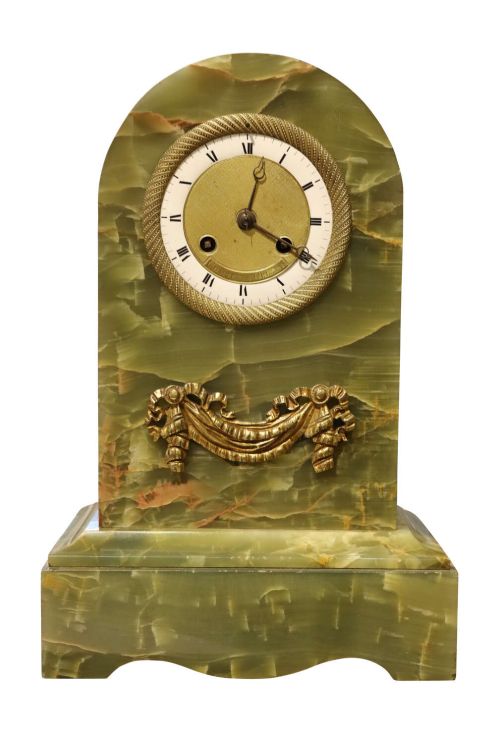
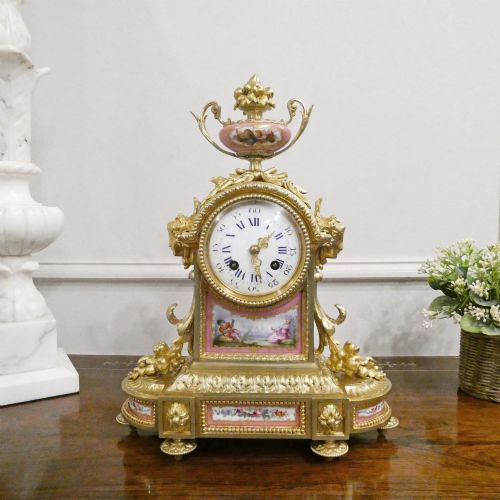
Most examples originate from French workshops, executed in variants of Louis XVI, Louis XV, or Rococo styles. Makers combine gilt bronze or ormolu with contrasting materials such as marble, porcelain, and enamel dials.
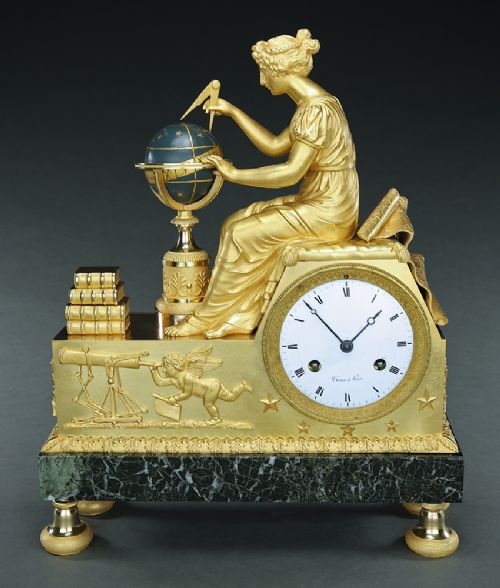
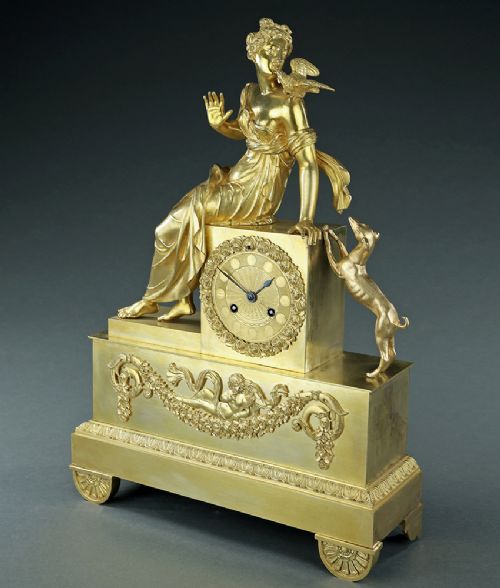
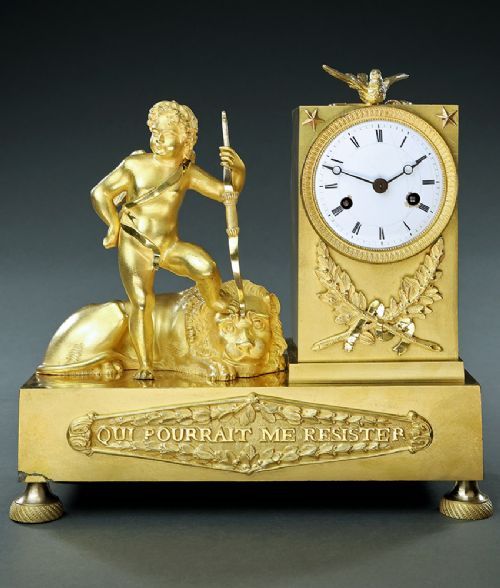
Beyond standard timepieces, the selection incorporates specialised forms including calendar clocks, mystery clocks, and figural compositions depicting mythological or classical themes. These objects served both a utilitarian purpose and a decorative role in studies, libraries, and drawing rooms.
How they were made
The foundation of a gilt bronze desk clock relies on precision metalcasting, producing intricate relief work, scroll motifs, and figural mounts. Artisans then applied mercury gilding or modern electrogilding to the bronze or brass substrate to achieve a durable golden finish.
Enamel dials with painted Roman or Arabic numerals were fired separately before integration into the metal housing. Cabinetmakers and bronze-workers frequently combined the gilded metal mounts with structural elements of marble, onyx, mahogany, or kingwood.
Gilt Bronze Desk Clock Retail Price Guide 2026
Typical asking prices for gilt bronze desk clock among the pieces listed under this phrase on Sellingantiques today, from the lower quarter to the upper quarter. They describe what is for sale here now, not the wider market.
The archive includes specialised nautical and barometer desk sets alongside traditional mantel and carriage clock configurations.
What varies in quality
The refinement of the casting and chiselling defines the upper tier of these clocks, where sharper details in hair, drapery, and acanthus leaves reveal skilled hand-finishing. Softer outlines indicate mass production or worn stamping dies.
The mechanical integrity of the movement, signed by known makers such as Achille Brocot or Japy Freres, elevates a piece significantly. Superior items retain their original mercurial gilt surfaces and matching enamel components rather than later replacements.
Achille Brocot·Japy Freres·Paul Sormani·Reiche·Viner London·Howell James and Co·Louis Goret
The Gilt Bronze Desk Clock Glossary
- Ormolu
- Gilt bronze produced by applying a finely ground high-carat gold-mercury amalgam to a bronze object and heating it to vaporise the mercury. This technique creates a deep, durable golden lustre characteristic of nineteenth-century French luxury goods.
- Champlevé
- An enamelling technique where troughs or cells are sunk into the surface of a metal object and filled with vitreous enamel powder before firing. It frequently decorates the bezels and pillars of Victorian and late nineteenth-century clocks.
- Pendule d'Officier
- A portable military-style officer's clock, usually fitted with a travelling case and a striking movement. These robust timepieces combine functional utility with refined ormolu mounts.
- Lyre Mystery Clock
- A timepiece where the motion is transmitted to the hands through transparent glass disks rather than visible gears, creating an optical illusion. The case is typically formed in the shape of a musical lyre with ormolu mounts.
- Cartouche
- A framed panel or tablet, often shaped like an unfurled scroll, used on clock faces to house individual enamel numeral plaques. It is a common feature on eighteenth and nineteenth-century dials.
Gilt Bronze Desk Clock: Frequently Asked Questions
How do I wind a vintage desk clock?
Most mechanical desk clocks require a dedicated key inserted into the winding squares on the dial or backplate. Turn the key gently until you feel resistance, taking care not to over-wind the mainspring.
For pendulum-regulated models, ensure the clock sits on a level surface so the beat remains even. If the clock loses time, adjust the small regulating square on the dial according to the maker instructions.
What is the difference between ormolu and gilt bronze?
Ormolu specifically describes objects made during the eighteenth and nineteenth centuries using the traditional mercury gilding process. This method yields a distinctively rich, warm golden surface.
Gilt bronze is a broader term that encompasses any bronze object coated in gold, including those produced by electroplating later in the Victorian era. Both terms frequently overlap in nineteenth-century horology.
Why do some antique clocks stop running?
Dust accumulation in the gear train, congealed lubricating oils, or a shifted suspension spring commonly cause older clocks to stop. Regular mechanical servicing every few years ensures the brass pivots and wheels remain free from excessive wear.
Environmental factors such as room temperature fluctuations and vibrations from nearby foot traffic can also disturb the delicate balance of a spring-driven movement.