




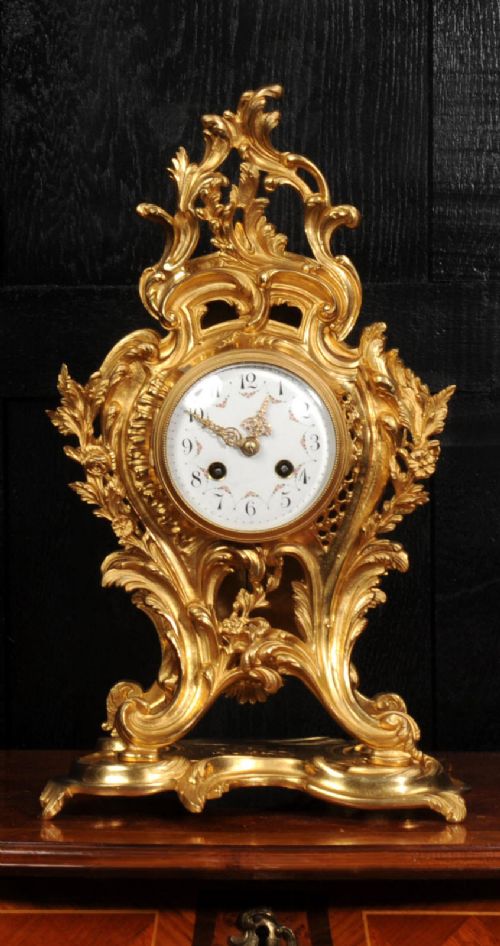


Gilt Brass Bracket Clock
A gilt brass bracket clock brings intricate metalwork and reliable mechanical movement into a room, offering both decorative presence and precision timekeeping.
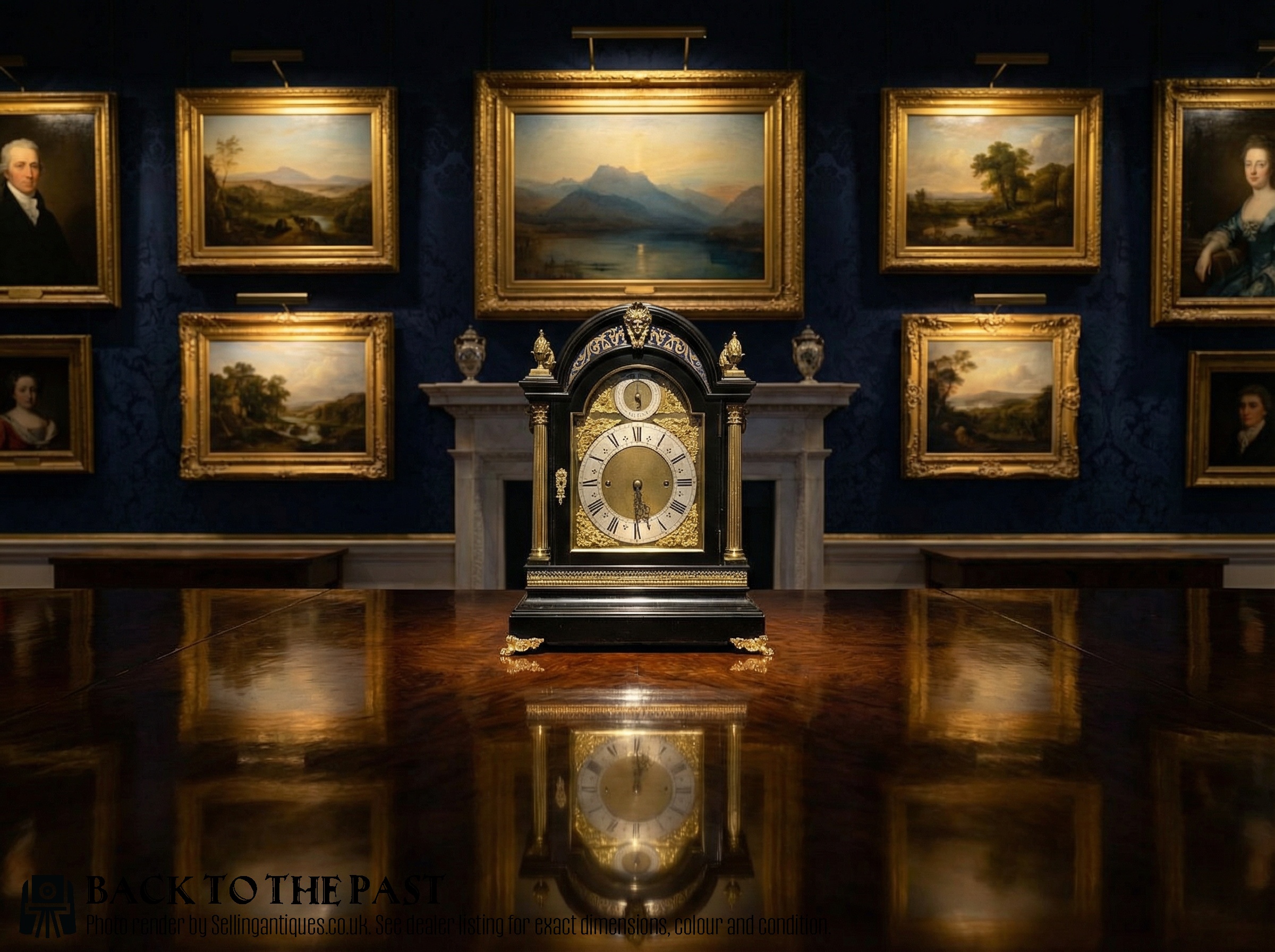
Gilt Brass Bracket Clock
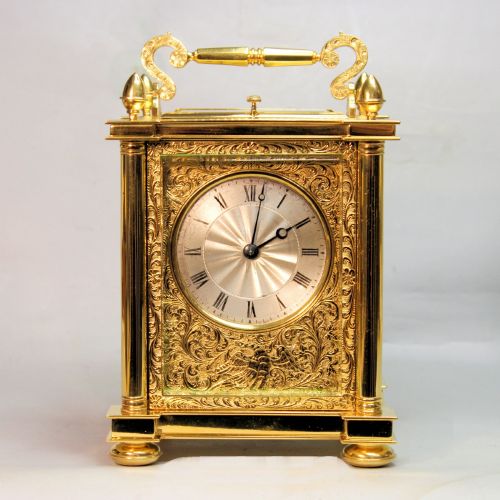
A gilt brass bracket clock is a sophisticated timekeeper designed to sit on a bracket, shelf, or table, often featuring detailed metal mounts and glass panels. When you search for this phrase, you encounter examples spanning from the seventeenth century through the twentieth century, incorporating diverse regional aesthetics.
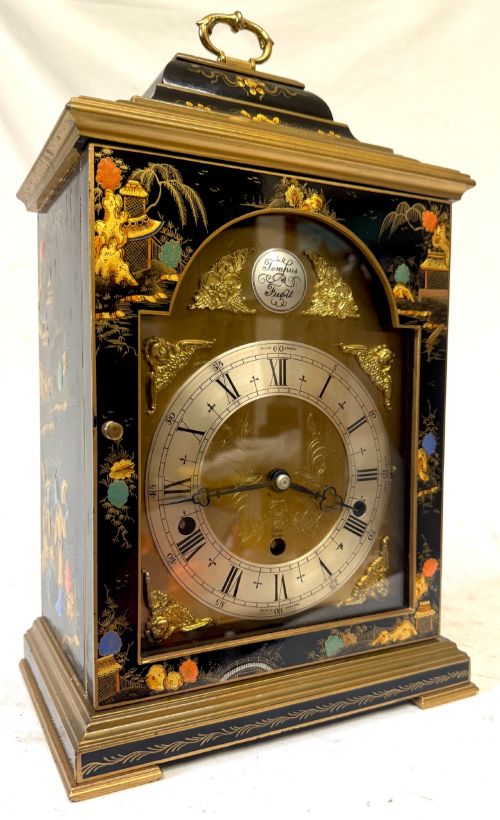
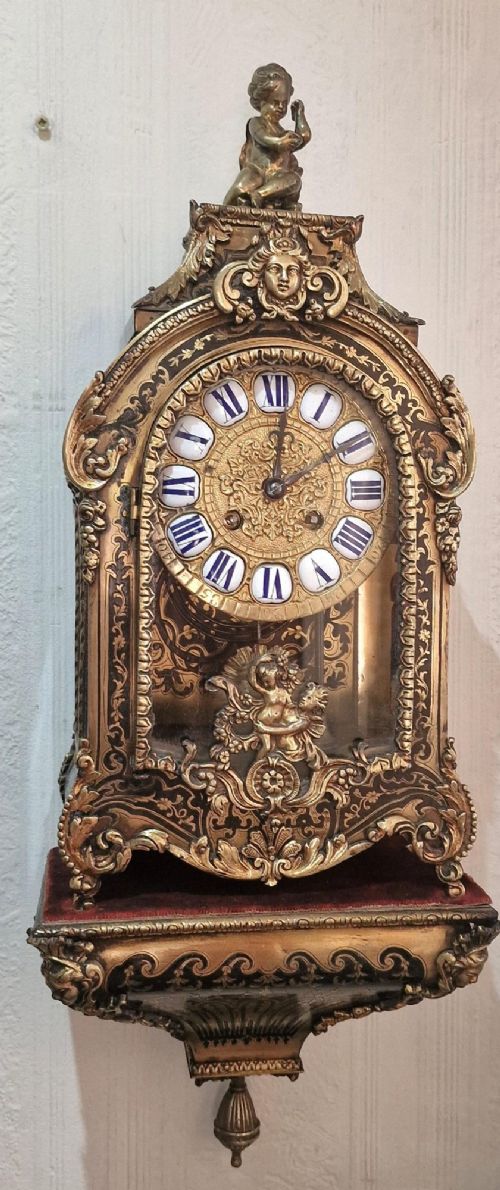
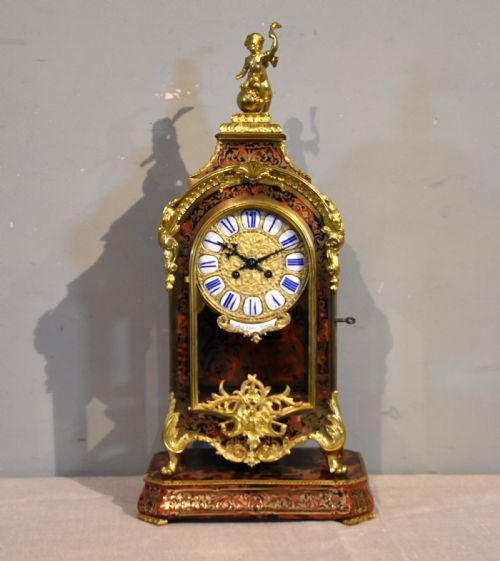
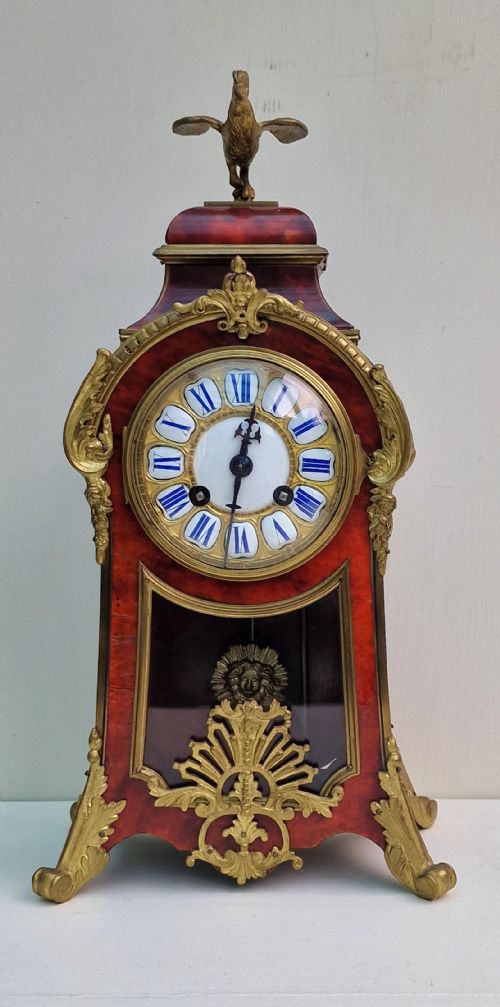
The versions most commonly met on this page are nineteenth-century French and English productions. These include ornate French Boulle tortoise-shell models with matching wall brackets alongside robust English fusee table clocks with ebony or lacquered cases.
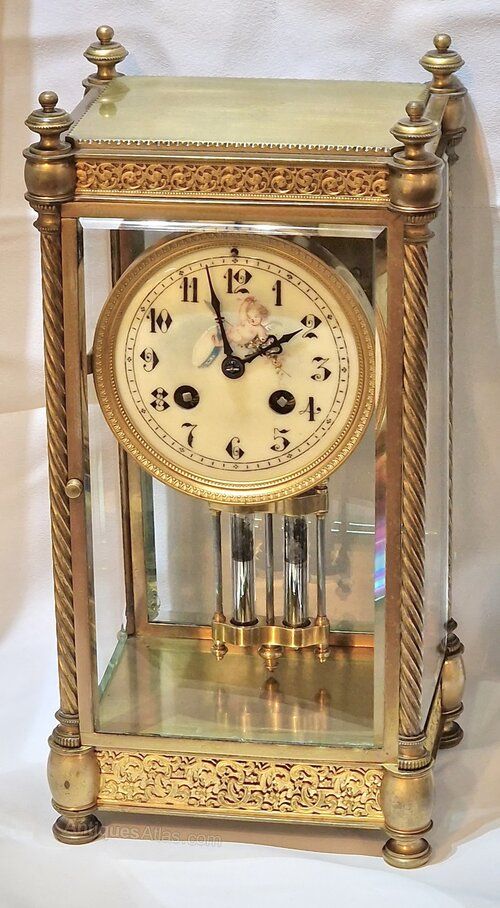
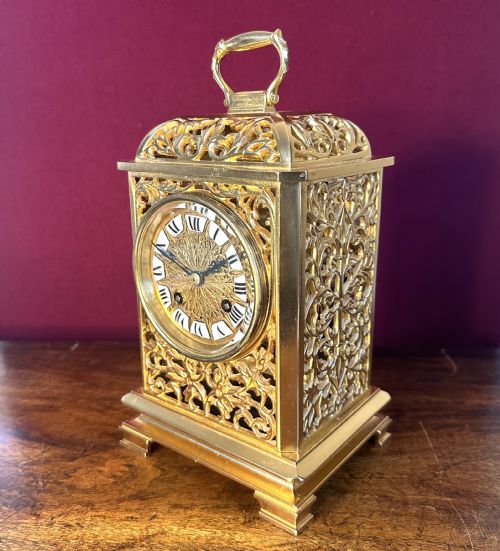
Formations vary from traditional basket top table clocks to four-glass mantel designs and architectural Louis XIV style cases. The core mechanism remains housed within a metallic or wood structure highlighted by gilt brass or ormolu mounts.

Materials and construction methods
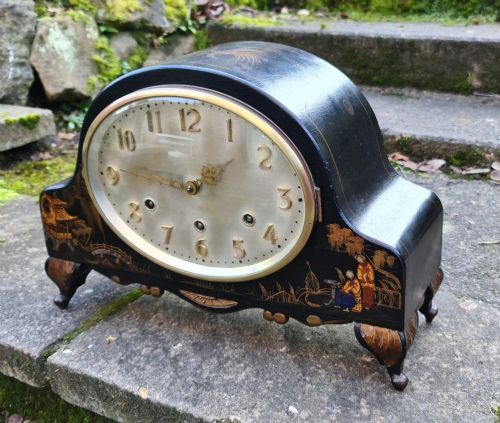
Clockmakers constructed these pieces using brass, gilt bronze, and ormolu combined with wooden carcasses made from ebonised wood, mahogany, or walnut. Tortoise-shell and brass marquetry, known as Boulle work, feature prominently on continental examples alongside hand-painted Chinoiserie lacquer.
Movements rely on mechanical gear trains driven by fusee or spring mechanisms, often built to strike hours or chime quarter hours. Cases integrate cast metal mounts, bevelled glass panels, and enamelled dials with delicate numeric markers.
Gilt Brass Bracket Clock Retail Price Guide 2026
Typical asking prices for gilt brass bracket clock among the pieces listed under this phrase on Sellingantiques today, from the lower quarter to the upper quarter. They describe what is for sale here now, not the wider market.
Some French solid brass models are described as having lots going on.
Determinants of quality
Quality separates through the crispness of the gilt bronze chasing, the depth of the tortoise-shell inlay, and the complexity of the clock movement. Fine examples demonstrate precise hand-cut engraving on the brass dial plates and robust twin-fusee or repeating mechanisms.
The integration of an original matching wall bracket with a Boulle or architectural case elevates the integrity of the piece. Superior craftsmanship shows in the weight of the cast mounts and the harmonious proportion of case materials to the clock face.
Cousens and Whiteside·Jonathon Lowndes·Henri Marc·Joseph Windmills·William Speakman·William Payne·Arnold and Frodsham·Samuel Marti·Lenzkirch·Payne and Co·Luxor
The Gilt Brass Bracket Clock Glossary
- Fusee
- A conical pulley used in mechanical clocks to maintain an even pull on the movement as the mainspring unwinds. This mechanism helps ensure steady timekeeping accuracy.
- Boulle work
- A style of marquetry using brass and tortoise-shell inlaid in contrasting patterns, popularised in seventeenth-century France. It frequently appears on luxury mantel and wall clocks.
- Ormolu
- Finely ground high-carat gold applied to a bronze base using a mercury amalgamation technique. The resulting finish provides a bright golden lustre on mounts and dials.
- Basket top
- A traditional curved handle and upper architectural framework characteristic of seventeenth and eighteenth-century English table clocks. The style allows the clock to be carried securely.
- Chinoiserie
- European decorative art imitating Chinese and East Asian artistic traditions. It appears on lacquered clock cases featuring hand-painted motifs.
Gilt Brass Bracket Clock: Frequently Asked Questions
How do I wind a mechanical bracket clock?
Mechanical clocks require a specific winding key inserted into the dial arbors to tension the internal springs or weights. Care must be taken not to overwind the mechanism, which can damage the mainspring.
Different movements dictate varying winding schedules, typically ranging from eight-day intervals to daily attention depending on the complexity of the strike train.
What is the difference between a mantel clock and a bracket clock?
Bracket clocks were historically designed to sit upon a dedicated wall bracket to project sound and save table space. Mantel clocks are generally built to rest directly on a flat shelf or fireplace mantel without a suspending bracket.
Over time, the terms became interchangeable as bracket styles evolved into self-contained table and mantel pieces.
How can I identify a French movement from an English one?
English movements often utilise fusee power configurations designed for precision, whilst French alternatives frequently employ standard spring-driven or pendulum arrangements with distinct striking plates. Maker signatures and stamp marks on the backplate usually confirm the origin.
Case aesthetics also offer clues, as French designs lean towards gilt bronze Rococo styling and Boulle marquetry, whereas English pieces favour timber veneers and brass dial spandrels.
Where should I place a gilt brass clock in my home?
Position the clock on a stable, level surface away from direct sunlight, moisture, and extreme temperature fluctuations. A sturdy chest, sideboard, or dedicated wall bracket ensures the pendulum or balance wheel operates correctly.
Ensuring stability prevents vibrations that can disrupt the delicate escapement mechanism inside the brass case.