



Gillows Style Furniture
Gillows style furniture brings disciplined British cabinet-making into a room through mahogany, rosewood and precise proportion.
Gillows Style Furniture
When buyers search for gillows style furniture, they look for pieces that echo the high standard set by the Lancaster and London firm, spanning the Georgian, Regency, and Victorian periods.
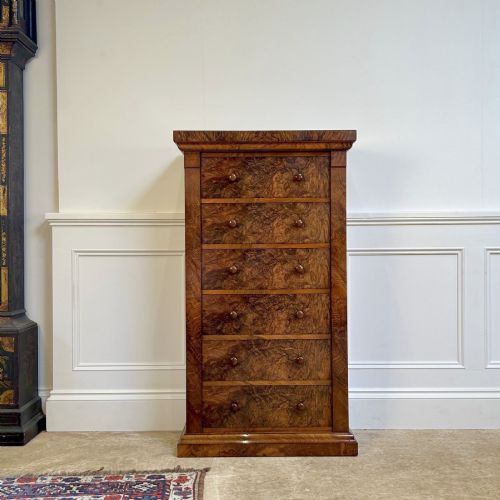
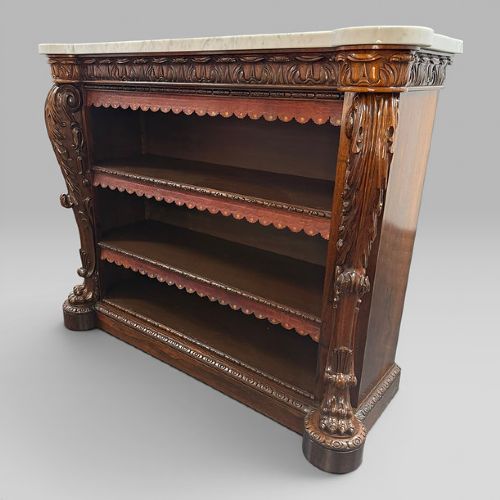
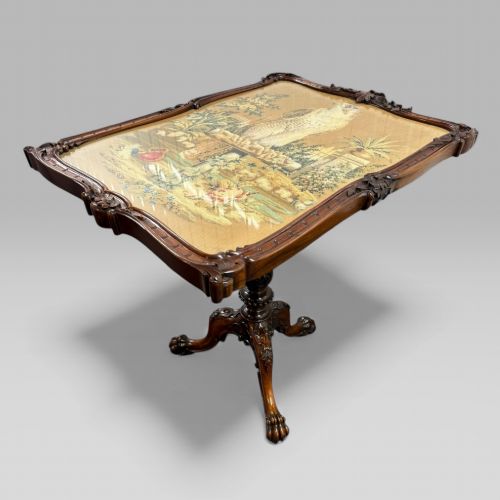
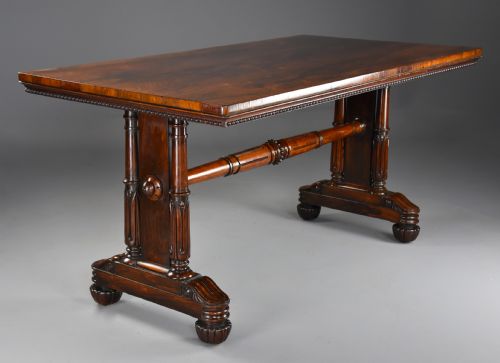
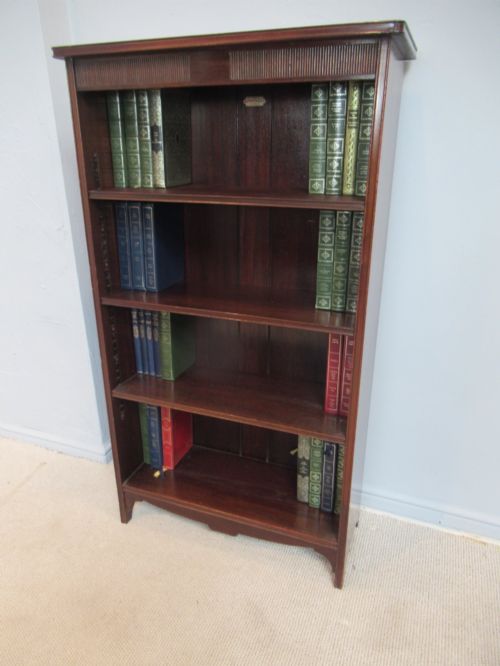
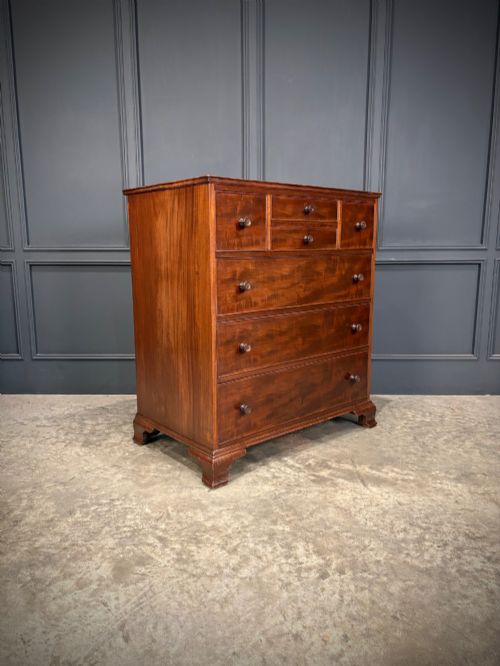
The selections on this page appear most frequently in forms such as chests of drawers, writing tables, bookcases, and whatnots.
These pieces range from work tables and hall chairs to large library desks, reflecting domestic utility paired with refined execution.
Materials and Methods
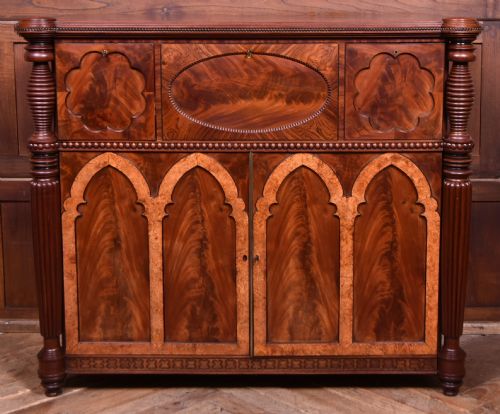
Makers relied heavily on solid mahogany, rosewood, and walnut, often deploying flame mahogany or burr veneers to add rich grain patterns to table tops and drawer fronts.
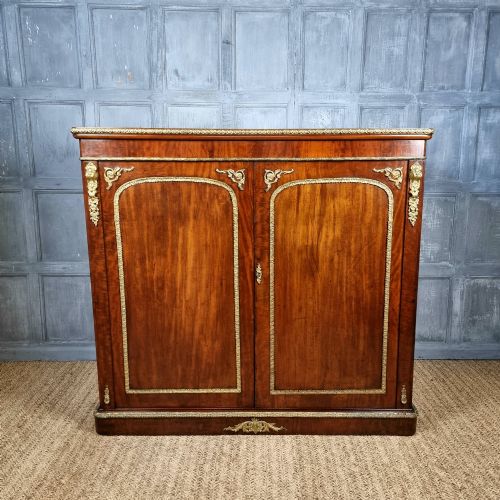
Construction details include brass mounts, ormolu, and ebonised wood accents that define the Regency and Victorian aesthetics.
Turning, carving, and precise joinery give the tables, chairs, and cabinets their structural clarity.
Materials appearing across the current selection include brass, leather, ormolu, and ebonised wood alongside mahogany and rosewood.
Determinants of Quality
The standard of a piece rests on the selection of timber, such as figured rosewood or burr walnut, and the crispness of any carved detail.
Internal construction, including secondary woods and drawer linings, distinguishes workshop standards.
Proportion and restraint separate refined examples from heavier interpretations.
Gillows·Gillows of Lancaster·Waring and Gillow·Waring & Gillow
The Gillows Style Furniture Glossary
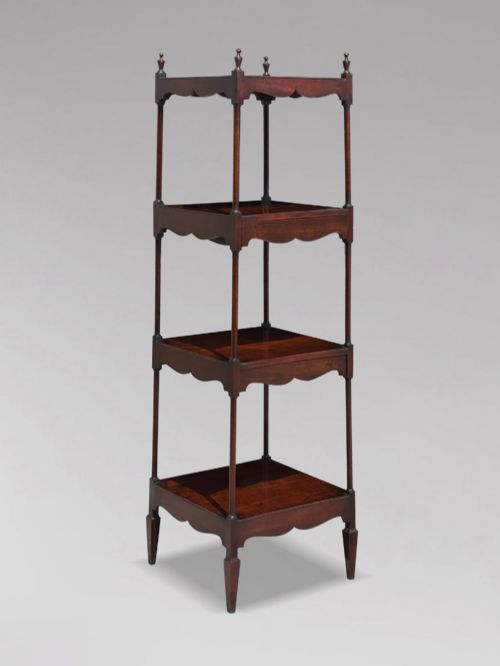
- Whatnot
- A set of open shelves used for displaying or storing small objects. These tiered pieces often feature slender supports and fine turning.
- Secretaire
- A desk or chest of drawers containing a fitted writing drawer with a drop-front. The internal compartments typically include small pigeonholes and tiny drawers.
- Dumb waiter
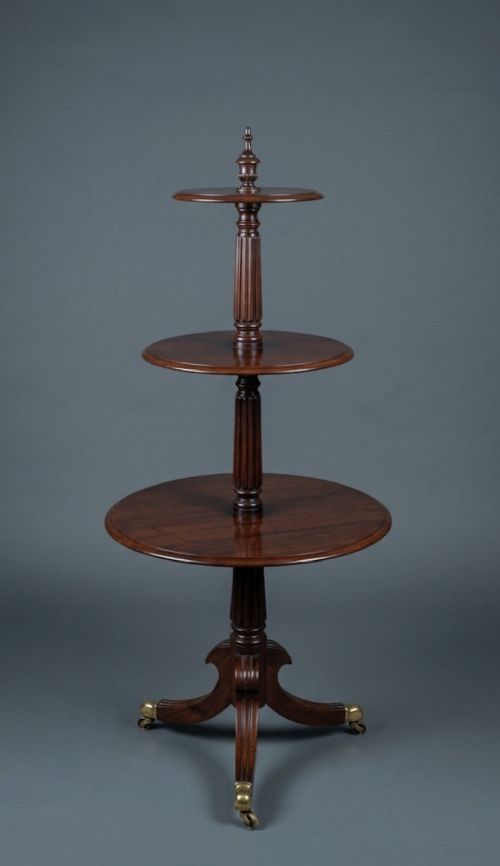
- A tiered revolving stand used for serving food or holding books. The design allows items to be reached easily from a seated position.
- Canterbury
- A low stand with partitioned sections for holding sheet music or magazines. These items often incorporate a single drawer below.
- Bergère
- An enclosed upholstered armchair with exposed wooden framing. The style often includes cane panels on the back and sides.
Gillows Style Furniture: Frequently Asked Questions
How do I identify Gillows style furniture?
Look for dense mahogany or rosewood timbers, restrained classical lines, and meticulous attention to internal joinery. Stamped signatures or specific workshop habits also provide clues.
Compare the proportion of the legs and the clarity of any brass mounts against documented examples from the Regency and Victorian eras.
What periods do these pieces date from?
The pieces span from the late eighteenth century through the Regency period and into the Victorian era, with occasional later twentieth-century productions.
Georgian and Regency items display the classical influence, while Victorian examples often embrace heavier woods like burr walnut.
Where were these pieces used in a home?
Writing tables and secretaires found places in libraries or private studies, while hall chairs and benches stood in entranceways.
Whatnots and side tables served living rooms and drawing rooms for display and daily utility.
How should I care for rosewood and mahogany surfaces?
Keep wooden surfaces away from direct sunlight and steady heat sources to prevent the veneers from drying out or splitting. Use a soft, dry cloth for dusting.
Avoid silicone-based polishes and apply traditional wax sparingly only when the timber appears dry.