


Gillows Style Bookcase
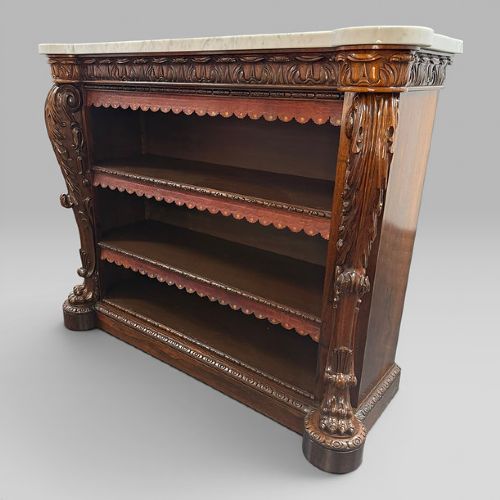
These gillows style bookcase pieces combine architectural dignity with fine cabinet-making, offering generous shelving and rich timbers for the discerning collector.
Gillows Style Bookcase
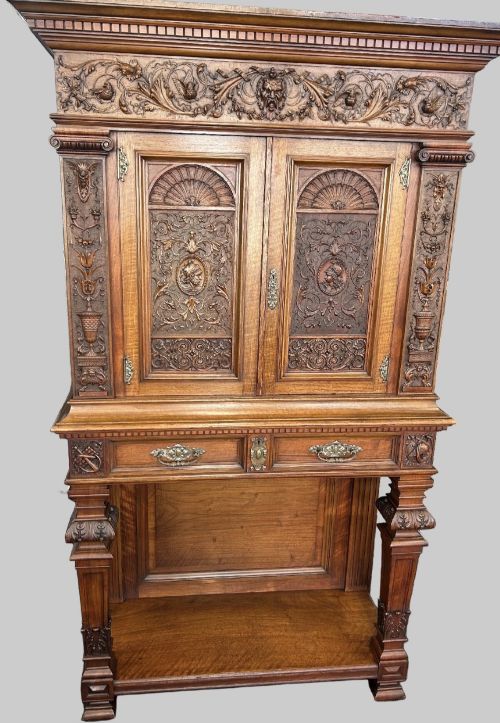
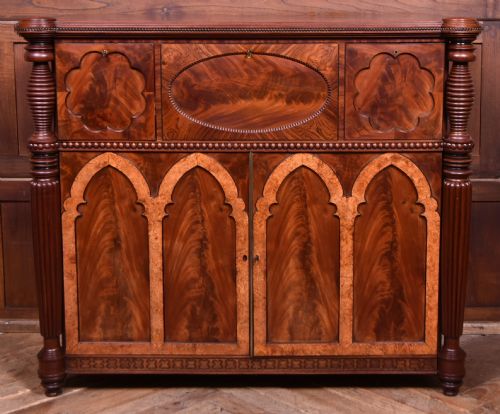
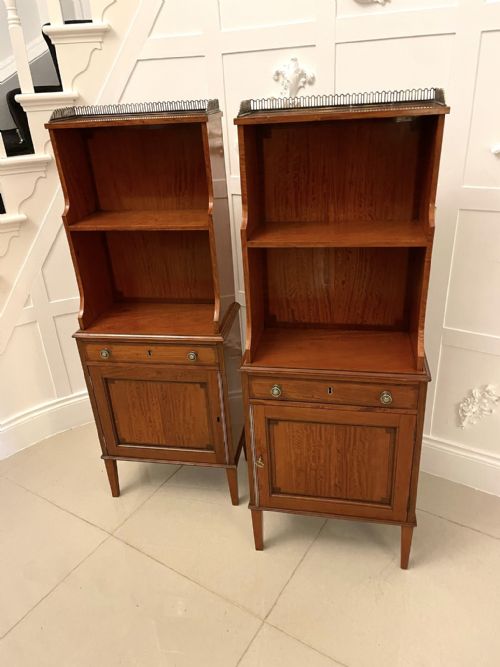
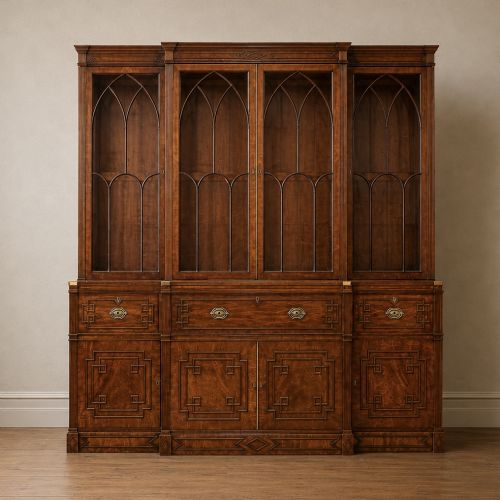
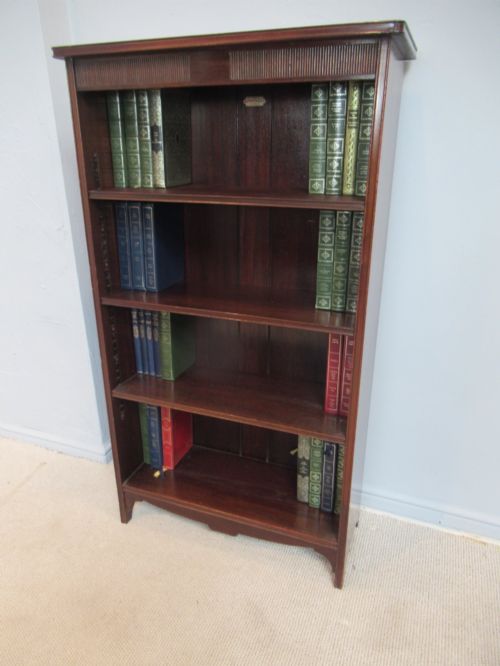
A gillows style bookcase represents the refined proportions and meticulous joinery associated with the renowned Lancaster and London firm, spanning periods from the eighteenth century through to the twentieth century. When exploring a gillows style bookcase on this page, you will encounter diverse forms including open shelf units, breakfront library bookcases, and secretaire cabinets.
The pieces listed on this page encompass various eras, notably the Regency, George IV, and Victorian periods, alongside later twentieth-century interpretations by Waring and Gillows. Surviving examples often display the architectural detailing and functional adaptability characteristic of high-end British cabinet-making from these workshops.
Buyers seeking a gillows style bookcase will find frequent use of premium timbers such as mahogany, satinwood, and rosewood, often enhanced by brass details and marble tops. These pieces range from compact open bookshelves to large standing display cabinets and side cabinets with adjustable shelving.
Materials and Construction
Cabinet-makers relied heavily on dense tropical hardwoods like mahogany and flame mahogany, frequently selecting highly figured satinwood and rosewood for veneering prominent surfaces. Burr walnut also appears, providing rich surface grain patterns on select cabinet pieces.
Structural elements incorporated solid oak and other native timbers for internal framing and shelving support. Brass fixtures, including gallery rails, handles, and adjustable shelf mechanisms, provided both functional durability and visual contrast against the dark woods.
Some adjustable shelves still bear the faint ghost marks of long-departed theological tracts and heavy Victorian novels.
Assessing Quality and Execution
The distinction between ordinary cabinet-work and top-tier execution lies in the selection of timber veneers and the precision of the cabinet joinery. Superior examples demonstrate continuous grain matching, crisp carving, and robust internal construction designed to bear heavy volumes without sagging.
Hardware integration and secondary wood selection further separate grades of production. High-grade pieces utilise substantial brass fittings, finely dovetailed drawer construction, and intelligent mechanical elements such as smoothly operating secretaire drawers and easily adjustable shelving.
Waring and Gillows
The Gillows Style Bookcase Glossary
- Breakfront
- A cabinet design where the central section projects forward from the flanking wings. This architectural arrangement creates depth and visual interest in large library bookcases.
- Secretaire
- A cabinet or bookcase incorporating a pull-down writing flap that conceals small drawers and pigeonholes. It merges the utility of a desk with book storage.
- Whatnot
- A set of open shelves supported by slender pillars, designed for displaying ornaments and books. They became popular during the Regency and Victorian eras.
- Chiffonier
- A low sideboard or cabinet with shelves or a panelled back, often fitted with cupboards below. Gillows interpretations frequently combined display surfaces with enclosed storage.
- Flame mahogany
- Mahogany veneer cut to reveal a distinctive, flamelike grain pattern. Cabinet-makers used it on prominent door panels and drawer fronts for decorative impact.
Gillows Style Bookcase: Frequently Asked Questions
How do I identify a genuine Gillows piece?
Attribution often relies on signature construction methods, specific brass hardware, and occasionally stamped signatures or paper labels inside drawers. Many pieces are attributed based on stylistic hallmarks rather than explicit makers' marks.
Comparing the proportions, secondary woods, and joinery details against documented pieces helps establish the provenance of these fine items.
What periods do these bookcases cover?
The listings span multiple eras from the late eighteenth century through the Regency, George IV, and Victorian periods, extending into early twentieth-century Waring and Gillows productions.
Each period introduced distinct stylistic shifts, moving from neoclassical restraint to heavier Victorian Gothic Revival and later Edwardian interpretations.
Are the shelves adjustable?
Many bookcases from these workshops feature adjustable shelving systems, often utilising numbered rack-and-pinion mechanisms or brass strip supports. This adaptability made them practical for housing books of varying sizes.
Open bookcases and standing cabinets frequently retain these original functional interior components.
How should I care for mahogany and rosewood?
Maintain these timbers by keeping them away from direct sunlight and sudden temperature changes, which can dry out the wood and crack veneers. Regular dusting with a soft, dry cloth preserves the polished finish.
Occasional application of appropriate wax feeding helps maintain the moisture and lustre of the timber surface.