






Gilded Wooden Overmantel
A gilded wooden overmantel anchors a chimney breast with reflective light and historic presence.
Gilded Wooden Overmantel
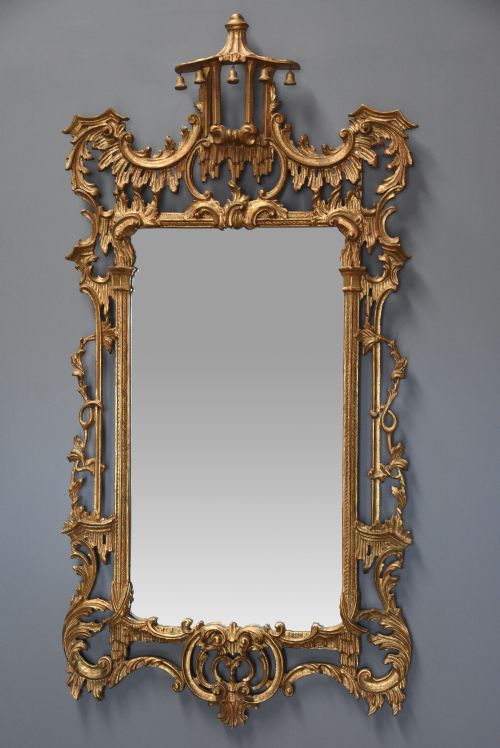
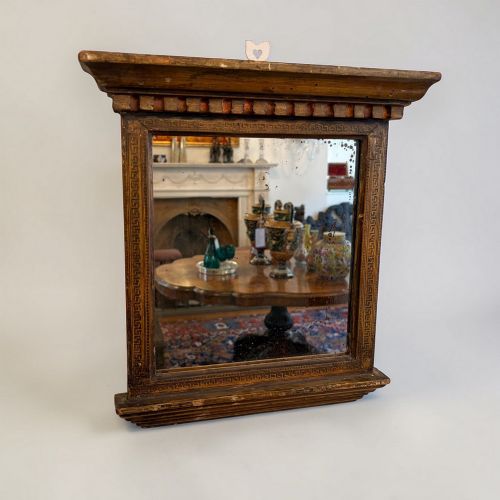
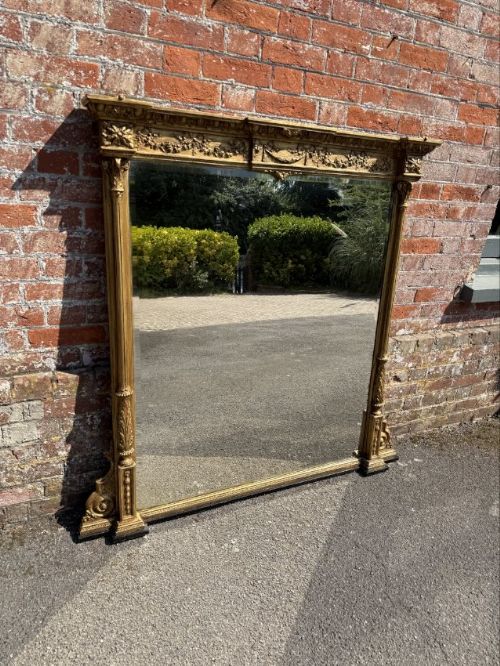
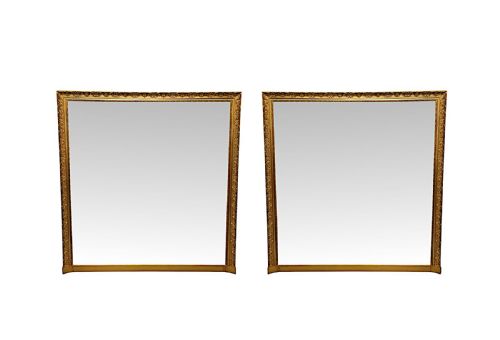
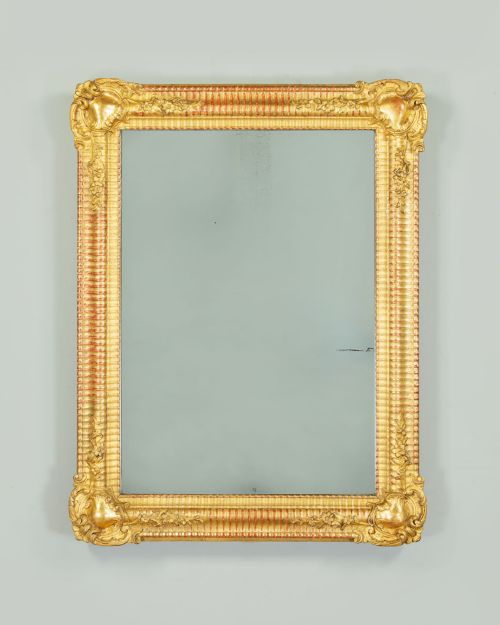
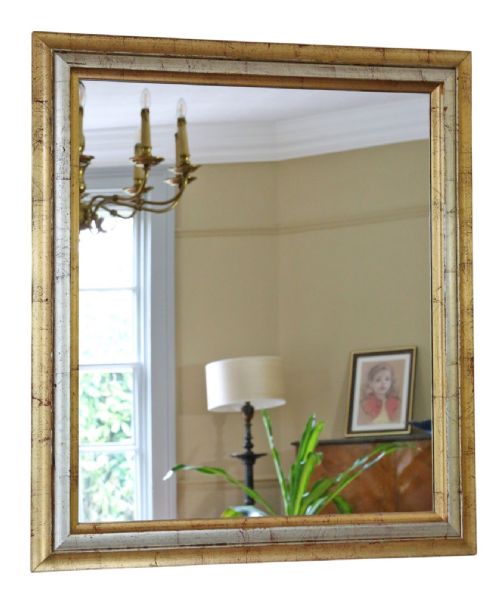
A gilded wooden overmantel sits above a fireplace, designed specifically to dominate the chimney breast and draw light into the room. These large mirrors arrive in various forms, including tall French trumeau styles, architectural column frames, and archtop shapes.
The pieces appearing on this page span the nineteenth century, the Victorian era, and the early twentieth century, reflecting English and French design traditions. The selection includes Chippendale style carvings, Aesthetic Movement pieces, and ornate painted frames alongside traditional giltwood formats.
How They Were Made
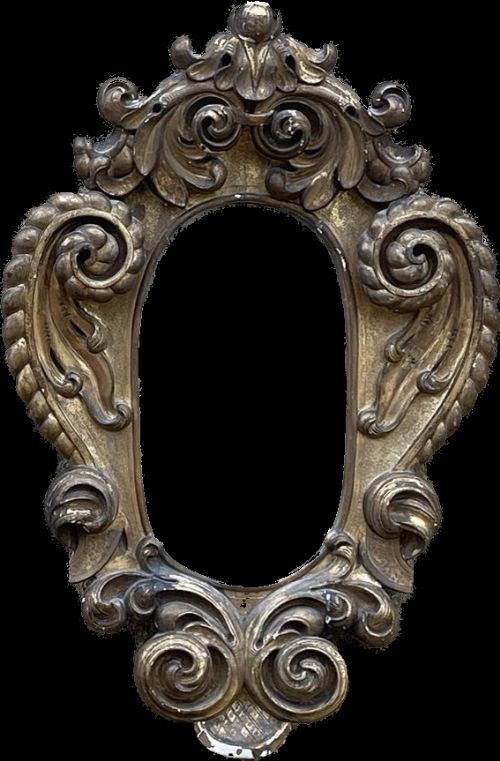
Makers formed these frames from carved wood, applying gesso layers to build up intricate surface details before finishing them with gold leaf, paint, or gilt. Timber construction provided the structural backbone required to support heavy glass panels safely over mantelpieces.
Surface ornamentation involved skilled hand-carving, producing mythological scenes, floral motifs, fruiting vines, and vitruvian scrollwork. Glaziers supplied the mirror glass, which was fitted securely into the prepared wooden rebates.
Gilded Wooden Overmantel Retail Price Guide 2026
Typical asking prices for gilded wooden overmantel among the pieces listed under this phrase on Sellingantiques today, from the lower quarter to the upper quarter. They describe what is for sale here now, not the wider market.
Materials recorded on this page include gesso, giltwood, gold leaf, paint, and mirror glass.
What Varies in Quality
The depth and crispness of the wood carving distinguish exceptional examples from simpler production, particularly where relief work meets structural corners. Finer pieces demonstrate precision in gesso application and the smooth integration of applied decorative elements.
Materials also divide the range, with genuine gold leaf finishes retaining a different lustre compared to painted or later gilt surfaces. The weight of the timber and the integrity of the original mirror glass further separate standard decorative items from superior period works.
The Gilded Wooden Overmantel Glossary
- Overmantel mirror
- A large mirror designed to hang specifically on the wall above a fireplace mantelpiece. These pieces often feature horizontal proportions or arched tops suited to domestic chimney breasts.
- Giltwood
- Timber that has been coated with gold leaf or a metallic substitute over a prepared gesso ground. This technique creates a luminous surface characteristic of formal period frames.
- Gesso
- A plaster mixture applied to wooden frames as a smooth base for gilding and fine carving. It allows craftsmen to model sharp, intricate decorative details that wood alone cannot hold.
- Trumeau
- A decorative wall mirror or panel featuring an oil painting or carved scene set above the glass. French examples often incorporate pastoral subjects within the upper section.
- Vitruvian scroll
- A classical repeating ornament pattern composed of wave-like scrolls or running guilloche motifs. It frequently decorates the borders of nineteenth-century architectural frames.
Gilded Wooden Overmantel: Frequently Asked Questions
Where should an overmantel mirror hang?
These mirrors belong directly above a fireplace mantelpiece, where their proportions reflect the hearth below and bounce light across the room.
Position the frame so the bottom edge sits closely to the mantel shelf, maintaining visual connection between the fire surround and the glass.
How do I identify a Victorian overmantel?
Victorian examples frequently display architectural elements such as column frames, ebonised details, or rounded arch tops designed for nineteenth-century reception rooms.
Look for heavy timber construction combined with gesso ornamentation typical of British manufacturing during this period.
What is a French trumeau mirror?
A French trumeau combines a large mirror plate with a decorative panel, often containing an oil painting with pastoral scenes.
These taller vertical formats originated in grand salons and served to integrate mirrors seamlessly into wall panelling.
How do I clean a gilded wooden frame?
Dust gilded surfaces gently with a soft, dry brush to avoid disturbing fragile gesso and gold leaf layers over time.
Keep moisture and chemical cleaners away from antique gilding, as liquid easily damages the historical finish.