


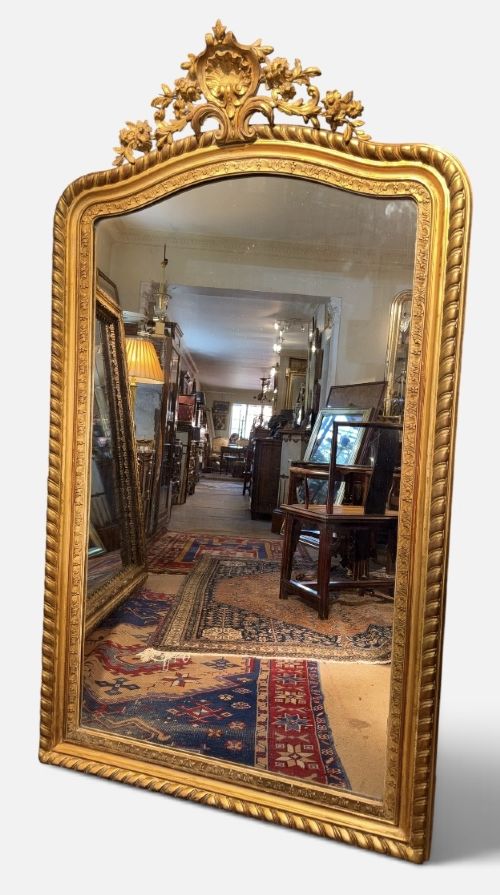

French Style Arch Mirror
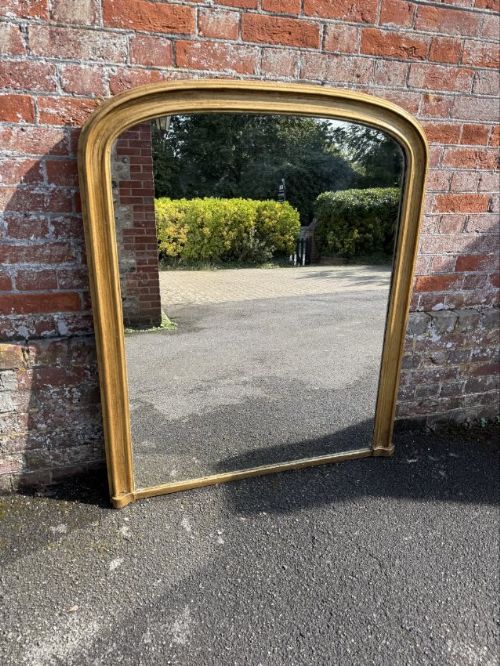
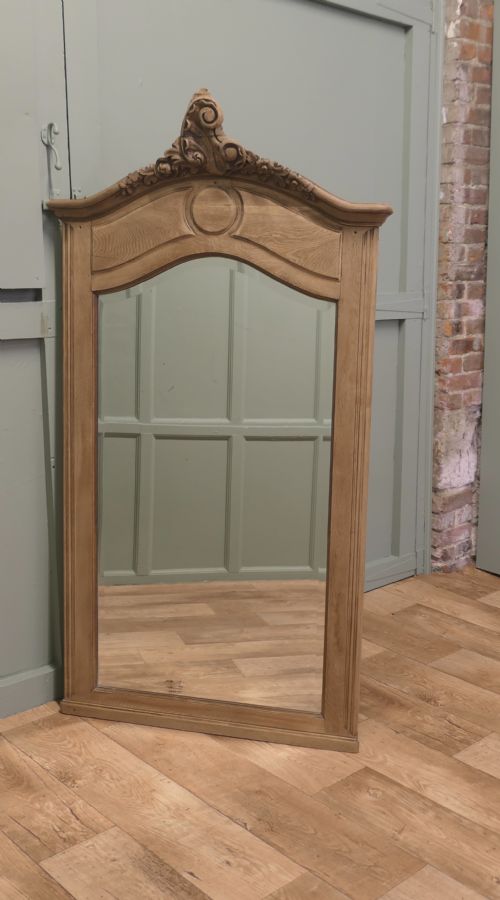
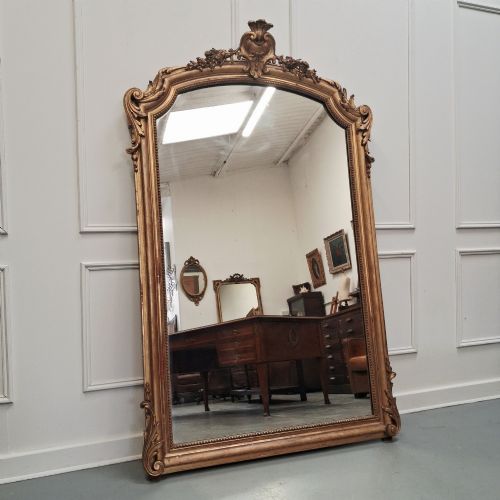
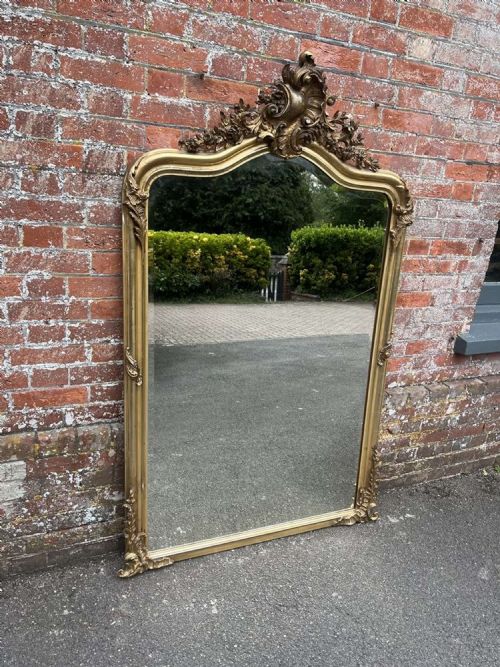
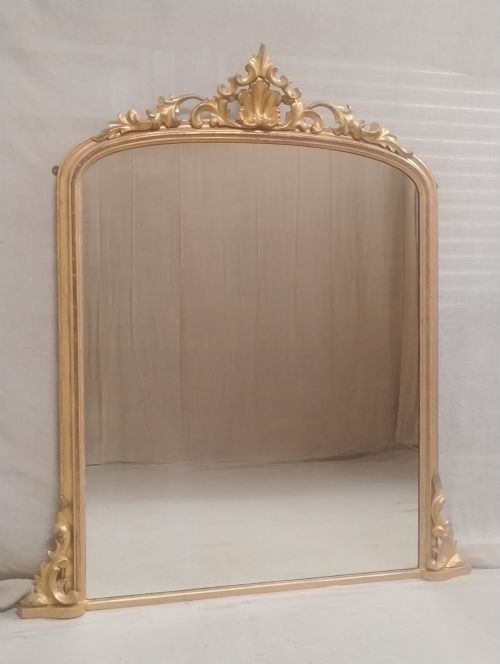
A french style arch mirror brings classical continental scale and a curved arched top into a room, offering both decorative presence and reflected light.
French Style Arch Mirror
A french style arch mirror brings classical continental scale and a curved arched top into a room, offering both decorative presence and reflected light. Buyers searching this phrase look for large wall-hanging pieces or monumental overmantels designed to anchor a room.
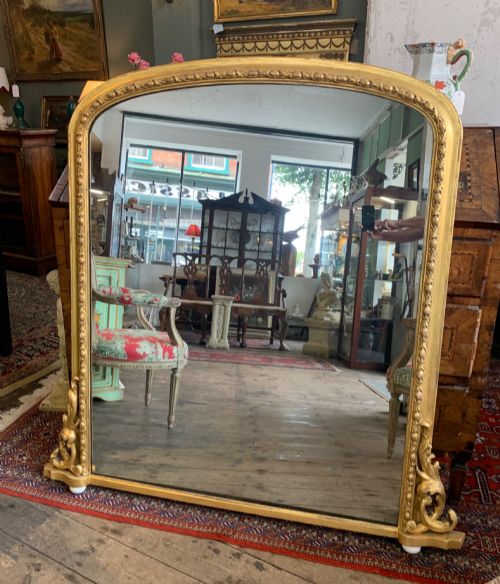
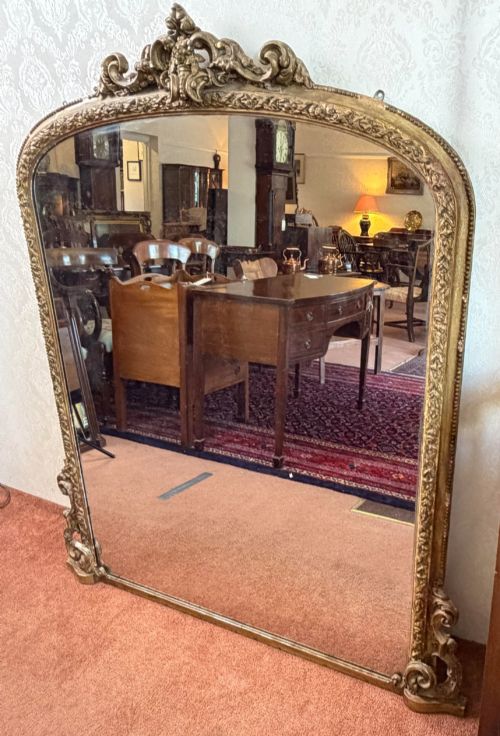
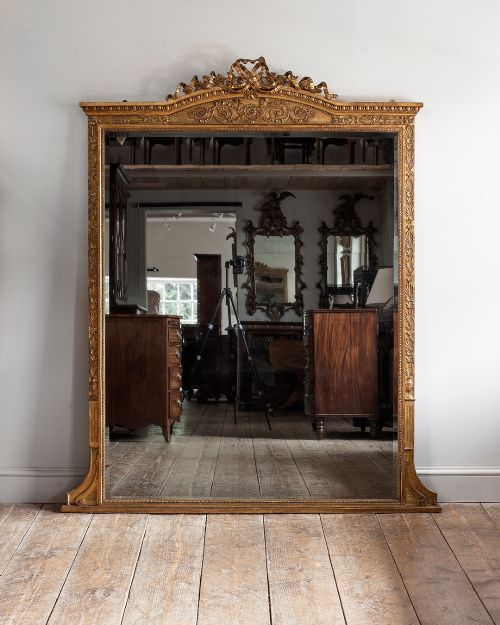
The pieces appearing here date predominantly from the nineteenth century, including Victorian and Edwardian interpretations alongside French chateau and provincial designs. Forms span from grand overmantels meant for chimney breasts to wall mirrors and pier hall mirrors.
Most examples lean towards ornamental styles such as French Rococo, rococo revival, and French provincial. These items combine architectural height with curved upper frames to draw the eye upward.
How They Were Made
Maker construction relies heavily on a carved wood or wooden carcass built to support substantial glass plates. Carved gesso builds up relief ornamentation on the wooden substrate before finishing.
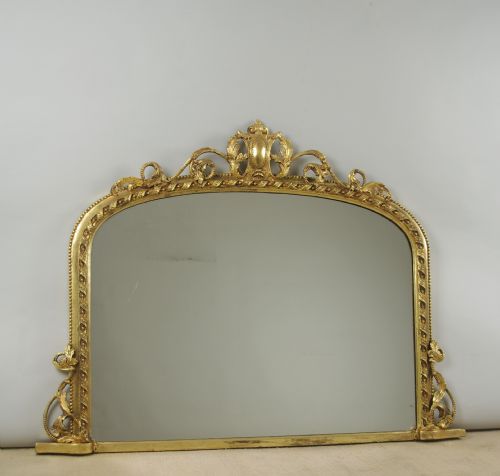
Surface treatments involve gold leaf, giltwood, gilding, or paint to achieve a brilliant metallic sheen. Silvered finishes and bleached oak also appear across continental and domestic workshops.
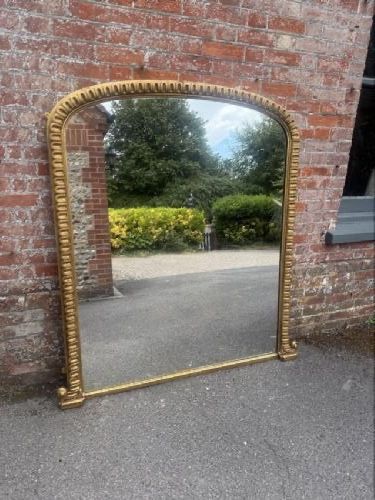
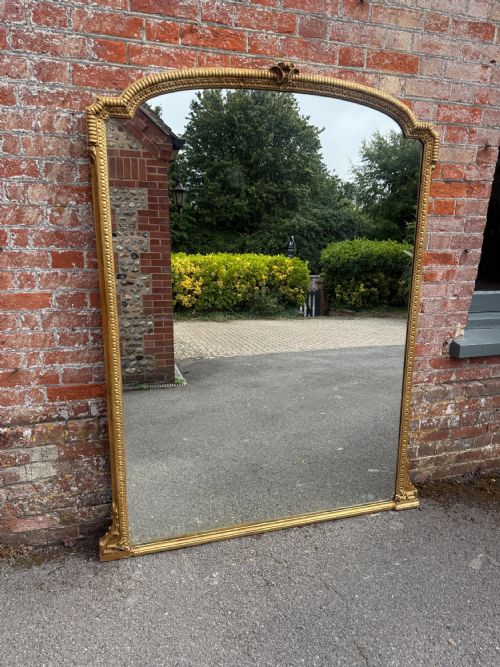
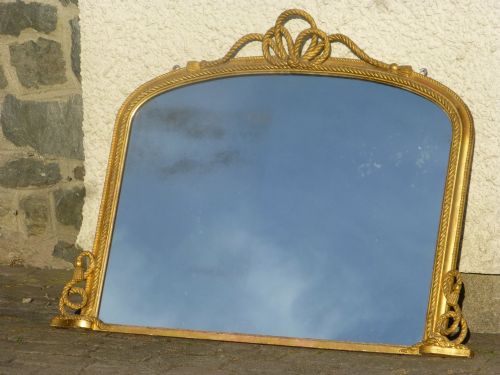
Mirror glass panels are fitted into the shaped frames, sometimes incorporating rope twist moulding or central cartouches for added textural detail.
Some frames incorporate nautical rope twist carvings, proving that nineteenth-century artisans occasionally gave their gilded statements a seafaring nod.
What Varies in Quality
Quality differentiates through the crispness of the carved gesso relief and the depth of the gilding applied to the wood. Hand-carved elements display sharper definition and greater nuance than mass-produced mouldings.
The integrity of the frame construction and the original condition of the mirror glass establish the tier of the piece. Substantial overmantel frames require robust joinery to support heavy glass over centuries.
The French Style Arch Mirror Glossary
- Gesso
- A plaster-like mixture applied to wood frames to create a smooth surface for gilding or deep relief carving. It allows intricate scrollwork and floral motifs to hold sharp edges.
- Overmantel Mirror
- A large mirror specifically designed to hang on the wall directly above a fireplace mantel. They typically feature wide proportions and substantial crests.
- Giltwood
- Wood that has been coated with gold leaf or a gold-coloured metallic finish. It reflects warm light and forms the primary decorative surface of nineteenth-century frames.
- Rococo Revival
- A nineteenth-century design movement inspired by the flamboyant curves, asymmetry, and shell motifs of the French eighteenth century. It dominates the ornamentation seen on arched mirrors of this era.
- Pier Mirror
- A tall, narrow mirror traditionally hung on the pier of wall space between two windows. They often match the height of adjacent furniture.
French Style Arch Mirror: Frequently Asked Questions
Where should I hang a french style arch mirror?
These mirrors traditionally anchor the space above a fireplace mantel, where their arched top draws the eye upward and amplifies room height. They also function effectively on main living room walls to bounce natural light deep into the interior.
Ensure the wall structure can support substantial weight, as nineteenth-century frames involving wood, gesso, and thick glass are exceptionally heavy.
How do I identify a nineteenth-century mirror?
Look closely at the construction methods visible on the reverse of the frame, including hand-cut timber joinery and older fastening nails. The materials themselves, particularly applied gesso over carved wood and heavy mirror glass, point to nineteenth-century manufacturing.
Stylistic cues such as French Rococo revival motifs or Victorian overmantel proportions further narrow down the production period.
Are these mirrors made of solid gold?
No, the golden surfaces consist of gold leaf or applied gilding over a gesso and wood base. Craftsmen applied thin sheets of metal leaf by hand onto the prepared gesso ground.
Over decades, this gilding develops a soft patina that distinguishes older pieces from modern metallic paint.
What is the difference between an overmantel and a wall mirror?
Overmantel mirrors are proportioned specifically to sit above fireplace hearths, traditionally wider and designed to command a principal wall. Standard wall mirrors vary more widely in shape and scale for placement across general room layouts.
Both categories utilise arched tops and carved frames, but overmantels often carry heavier crests.