

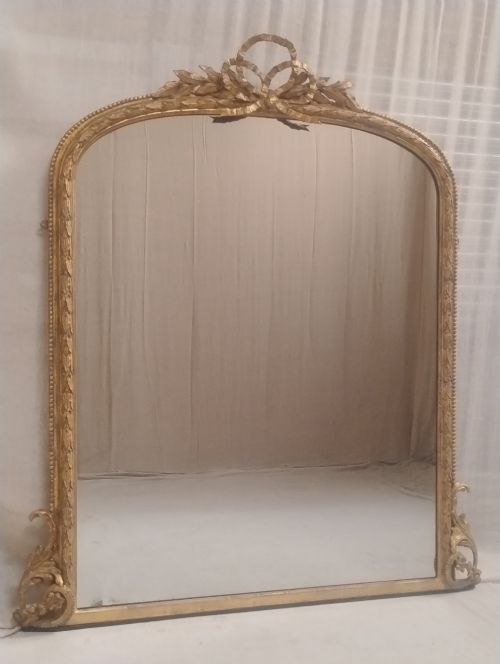
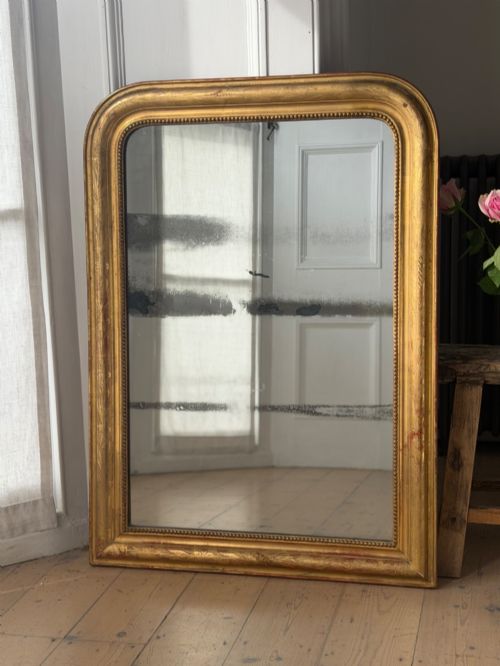
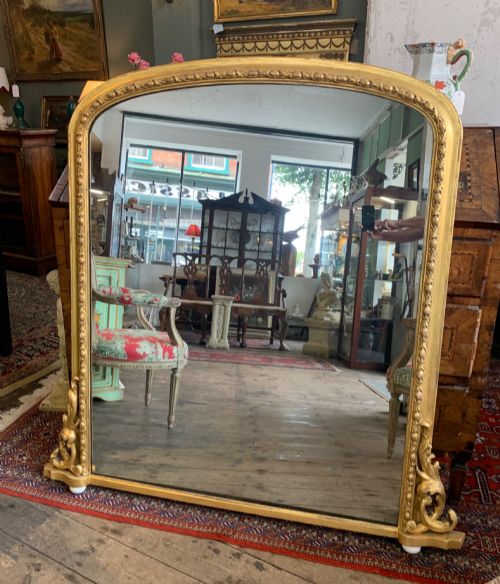
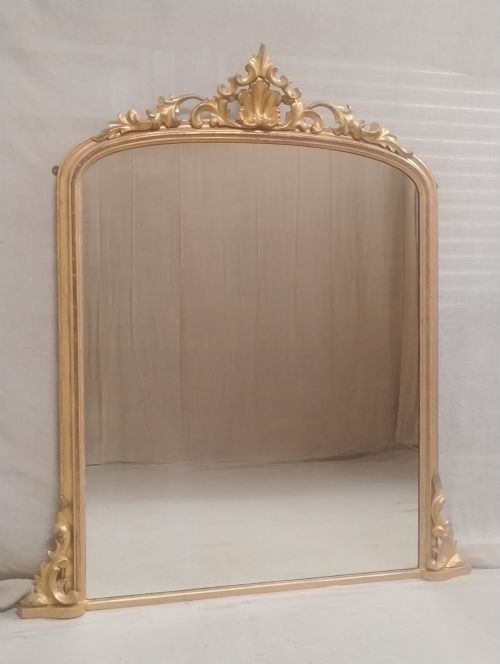
Arched Framed Mirror
An arched framed mirror brings height and reflected light to a room, drawing the eye upward with its curved top.
Arched Framed Mirror
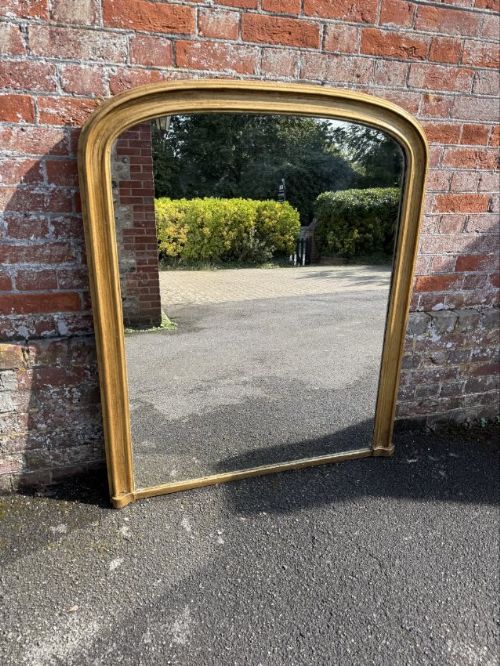
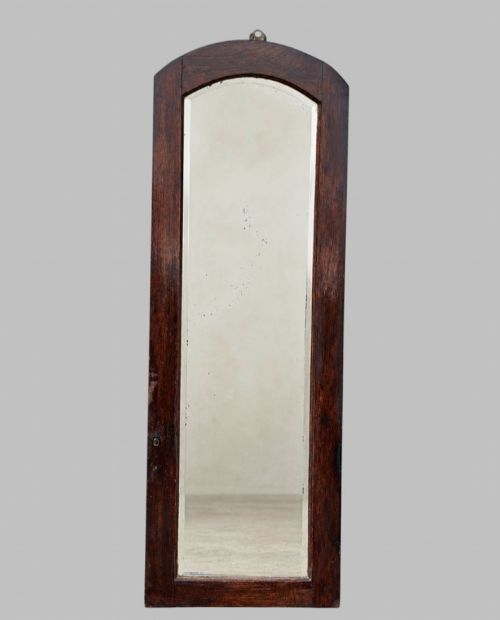
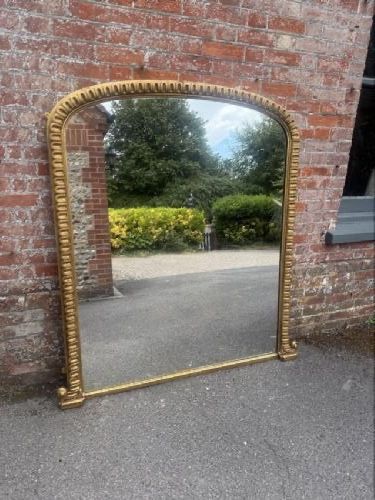
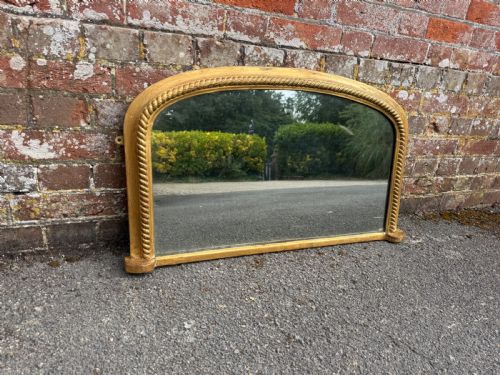
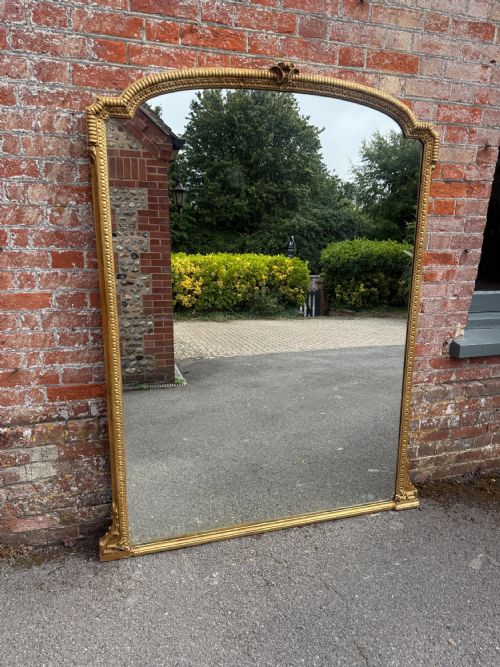
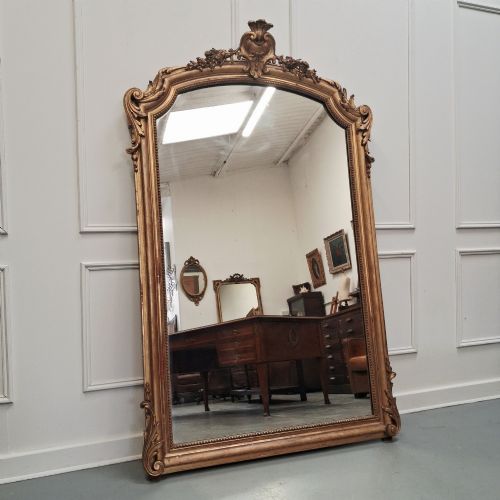
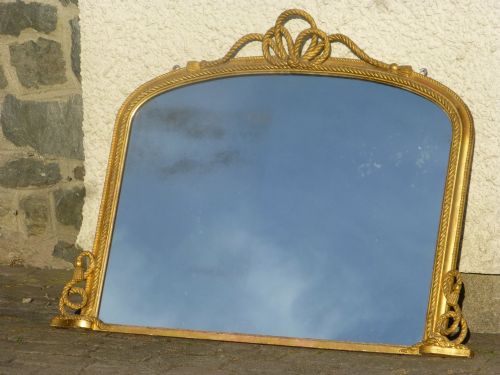
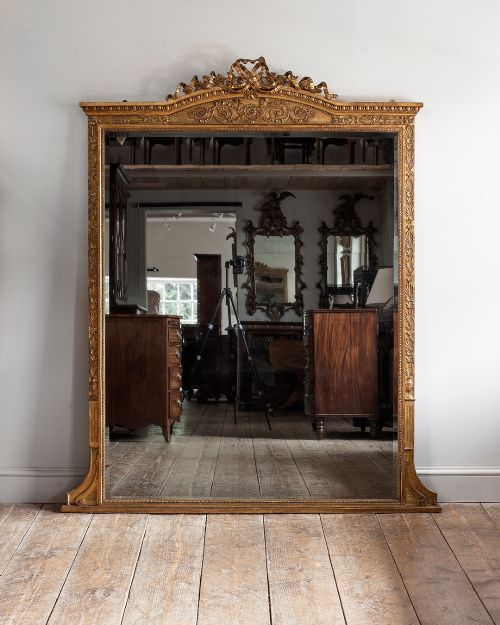
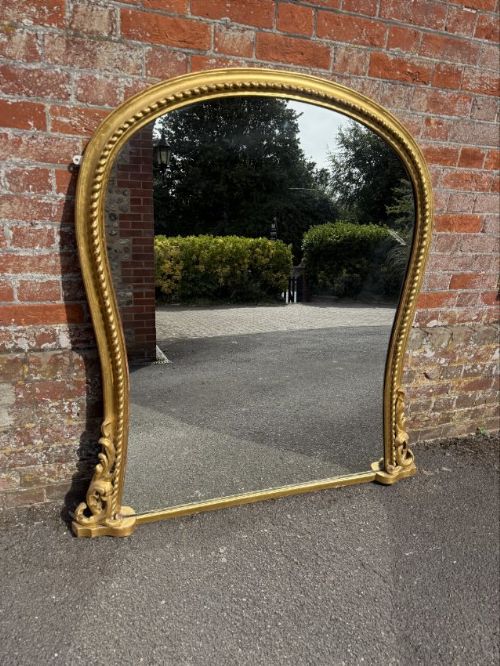
An arched framed mirror is a substantial decorative piece designed to hang above a mantelpiece or stand as a tall leaner against a wall. These mirrors draw the eye upward with a graceful curved top, bringing both height and reflected light into a room.
The pieces seen most frequently on this page originate from nineteenth-century England and France. English examples often take the form of grand overmantels, while French pieces frequently follow the refined Louis Philippe style with subtle corner curves.
Materials and Construction
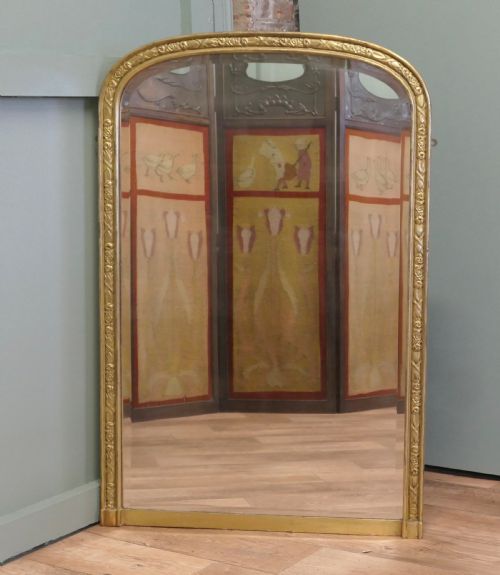
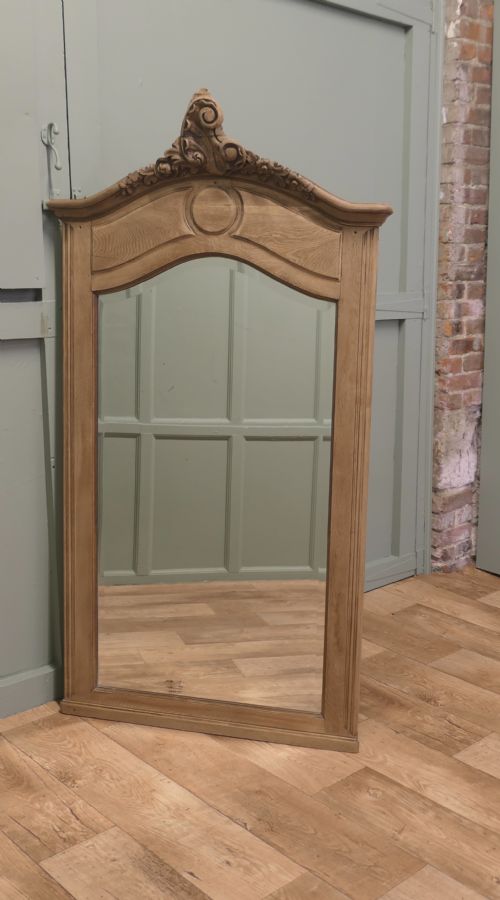
Carved wooden foundations provide the structural base for these frames, utilising timbers such as oak alongside softer woods. Artisans then applied layers of gesso, a plaster-like mixture, over the wood to create smooth surfaces for intricate mouldings.
Giltwood finishes, achieved through the application of gold leaf or metallic paint, cover many of the frames. Mirror glass completes the piece, frequently featuring bevelled edges or showing age through foxing.
Assessing Quality and Craftsmanship
Quality in these mirrors rests upon the crispness of the carved details and the depth of the gesso mouldings applied to the wooden frame. Superior examples display sharply defined rope twists, leaf motifs, and ribbed patterns that remain clear beneath layers of gilding.
The integrity of the original plate glass and the retention of early gilding or paint surfaces distinguish the finest specimens. Frames that preserve their original backboards and structural joinery demonstrate superior longevity and historical preservation.
The Arched Framed Mirror Glossary
- Gesso
- A plaster mixture applied over a wooden frame to create a smooth surface for carving or gilding. This material allows artisans to fashion intricate relief details like rope twists and leaves.
- Overmantel
- A large mirror specifically proportioned to hang above a fireplace mantel. These pieces frequently feature horizontal width or grand arched tops to balance the hearth below.
- Foxing
- Age-related spots and discoloration appearing within the silver backing of older mirror glass. This chemical oxidation creates a characteristic mottled appearance valued by collectors.
- Louis Philippe
- A French nineteenth-century style characterised by clean lines, rounded upper corners, and restrained ornamentation. These mirrors offer a softer alternative to ornate Rococo designs.
- Giltwood
- Wood that has been coated with gold leaf or metallic powder. It provides a luminous finish that catches and reflects ambient room light.
Arched Framed Mirror: Frequently Asked Questions
Where should I hang an arched mirror?
These mirrors traditionally sit above a fireplace mantel where their height draws the eye toward the ceiling. They also function effectively as floor-standing leaner mirrors in hallways or living spaces to expand the sense of room depth.
The curved top introduces architectural softness to rooms dominated by straight lines and sharp corners. Placing one opposite a window maximises the natural light distributed throughout the interior.
How do I identify a French Louis Philippe mirror?
Louis Philippe mirrors are distinguished by their gently rounded upper corners that transition into straight vertical sides. The frames tend to feature understated decoration rather than heavy Victorian carving.
Many examples in this style originate from the nineteenth century and incorporate original mercury glass with natural foxing. Their restrained aesthetic allows them to integrate easily into both modern and traditional interiors.
What is the difference between a wall mirror and an overmantel?
Overmantel mirrors are specifically constructed in wider proportions to span the horizontal space above a fireplace. Wall mirrors typically feature more balanced dimensions suitable for hanging on standard flat walls.
Both forms frequently share the arched top and gesso-carved frame construction common to nineteenth-century pieces. Scale and proportion remain the primary indicators of their original intended placement.
How do I care for antique mirror glass and gilt frames?
Giltwood frames require gentle dusting with a soft, dry brush to protect the delicate metallic leaf and gesso mouldings. Moisture should be kept away from both the carved surfaces and the edges of the glass.
Mirror glass can be cleaned sparingly using a soft cloth and a mild glass cleaner applied to the cloth rather than directly sprayed onto the glass. This prevents liquid from seeping behind the plate and damaging the silver backing.