


Victorian Painted Overmantel
A victorian painted overmantel sits above the hearth, framing glass and moulding light to anchor the room.
Victorian Painted Overmantel
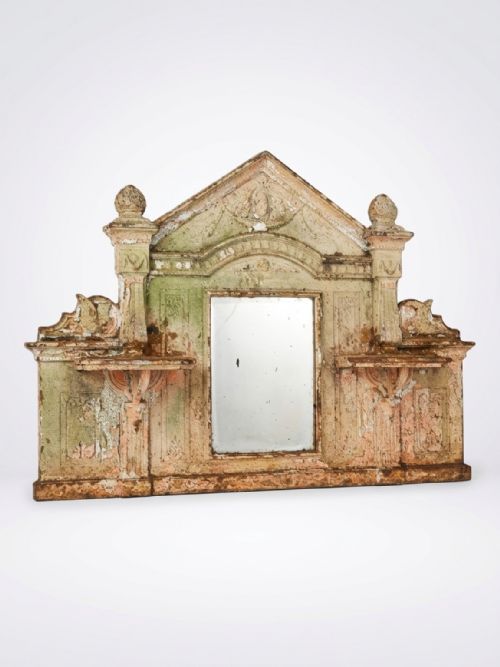
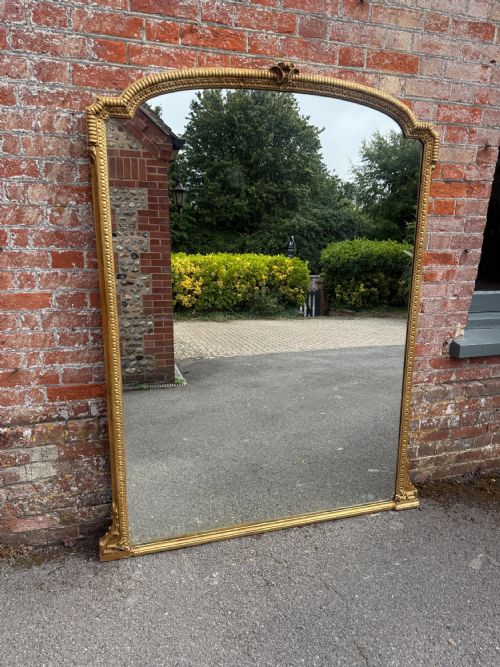
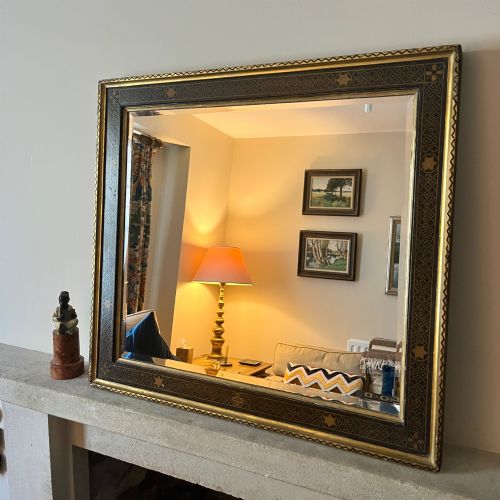
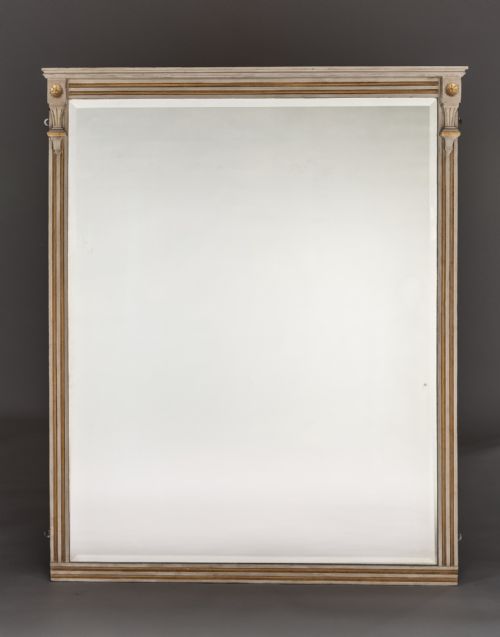
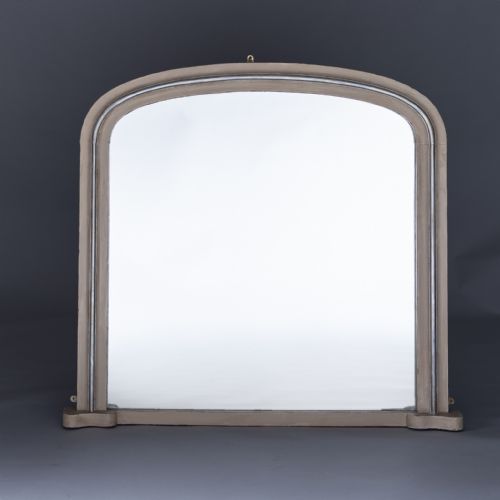
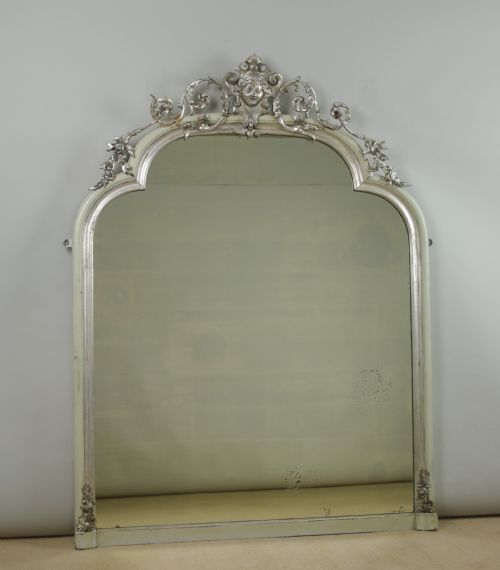
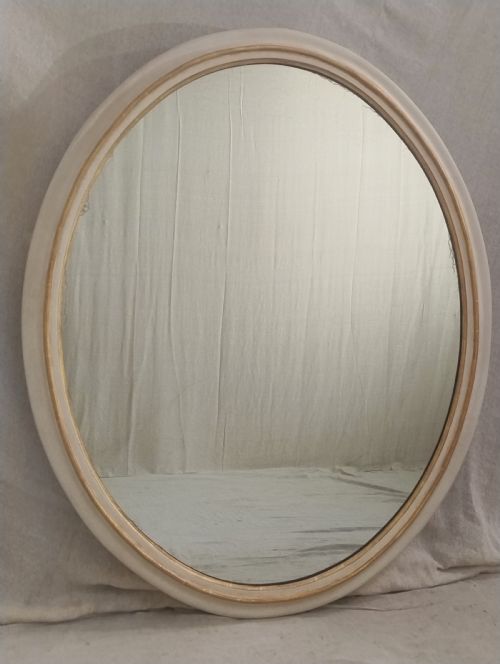
A victorian painted overmantel brings together substantial mirror glass and timber framing designed specifically to rest above a fireplace mantel. The pieces seen here span the nineteenth century, with strong representation from the decades of the 1860s through to the 1890s and into the early twentieth century.
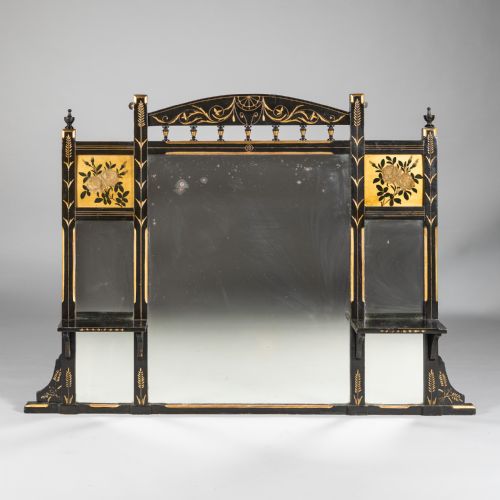
Most examples take the form of large wall-hanging mirrors or overmantel mirrors, occasionally accompanied by related pier mirrors or display cabinets. The stylistic vocabulary ranges from Victorian and English Traditional to the Aesthetic Movement, Rococo Revival, Neoclassical, and Nineteenth Century French.
Buyers encounter frames shaped with arches, ribbed contours, columns, or hour glass silhouettes. These pieces served to reflect candlelight and daylight while dominating the chimney breast as a focal point of the reception room.
Materials and construction
Makers built these frames primarily from carved wood, applying layers of gesso to build up ornate relief decoration before painting and gilding. The evidence shows frequent use of paint, gold leaf, and parcel gilding or parcel silvering to highlight carved details against ebonised, white, cream, or dark wood grounds.
Mirror glass forms the central visual element, often heavy and set within robust wooden structures that required secure wall attachment. Surfaces display hand-painted finishes, distress work, and gilt highlights applied over mahogany or softer carved timbers.
Several frames feature an hour glass silhouette, proving that nineteenth-century mirrors worried about their waistlines just as much as their owners.
Quality variations
The distinction between standard examples and finer work lies in the depth of the carved wood and the crispness of the gesso mouldings. Elaborate column frames, ribbed shaping, and intricate parcel gilding indicate a higher degree of craftsmanship than simpler flat wooden surrounds.
The handling of the painted finish and the preservation of original parcel-gilt or parcel-silvered highlights determine the visual weight of the piece. Superior examples maintain integrated proportions where the scale of the glass matches the architectural ambition of the frame.
The Victorian Painted Overmantel Glossary
- Overmantel
- A mirror or decorative piece designed to be hung specifically on the wall directly above a mantelpiece. These frames are usually wide in proportion to fit the horizontal expanse of a fireplace.
- Gesso
- A plaster-like mixture applied to wood frames and carved or moulded into relief ornamentation before gilding or painting. It provides the smooth, dense base required for crisp decorative details.
- Parcel-gilt
- A finish where only specific portions of an object are covered in thin gold leaf, leaving the painted or wood ground visible elsewhere. This technique creates contrast and emphasises carved mouldings.
- Ebonised
- Wood treated with a dark stain or finish to imitate the appearance of ebony. It was widely utilised during the Victorian Aesthetic Movement to create stark contrasts with gilt highlights.
- Pier mirror
- A tall mirror designed to hang on the wall space between two windows, though often grouped with overmantel styles in nineteenth-century interiors. They share similar carved wood and painted construction methods.
Victorian Painted Overmantel: Frequently Asked Questions
Where should an overmantel mirror be hung?
These mirrors are traditionally positioned directly above the fireplace mantelpiece to reflect light and anchor the room's main elevation.
Because of their substantial weight and size, they require secure fixings directly into solid wall studs or masonry.
What is the difference between giltwood and painted frames?
Giltwood frames are covered entirely in gold leaf over gesso and wood, whereas painted versions utilise colour as the primary surface finish.
Many Victorian pieces combine both approaches through parcel-gilt or parcel-silvered detailing on painted grounds.
How do I identify an Aesthetic Movement frame?
Aesthetic Movement pieces from the late nineteenth century frequently feature ebonised wood surfaces paired with gilt highlights and restrained geometric forms.
They often eschew heavy revival ornamentation in favour of cleaner lines and darker finishes.
Are these mirrors original to the nineteenth century?
The listings on this page span the Victorian period and the early twentieth century, utilising traditional materials like mirror glass, gesso, and carved wood.
Construction details such as hand-carved frames and early silvering methods help distinguish nineteenth-century production.