

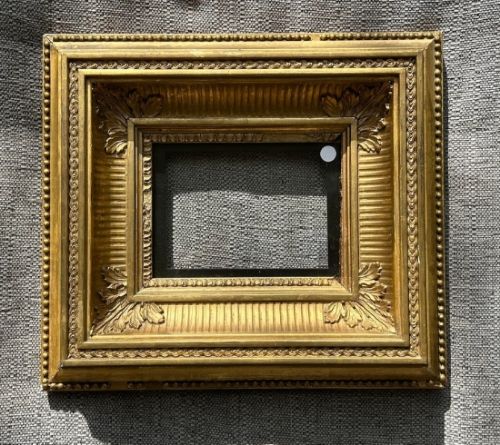
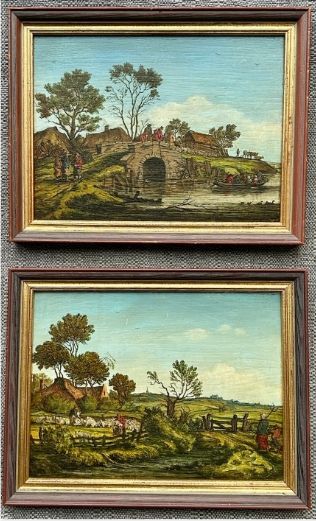
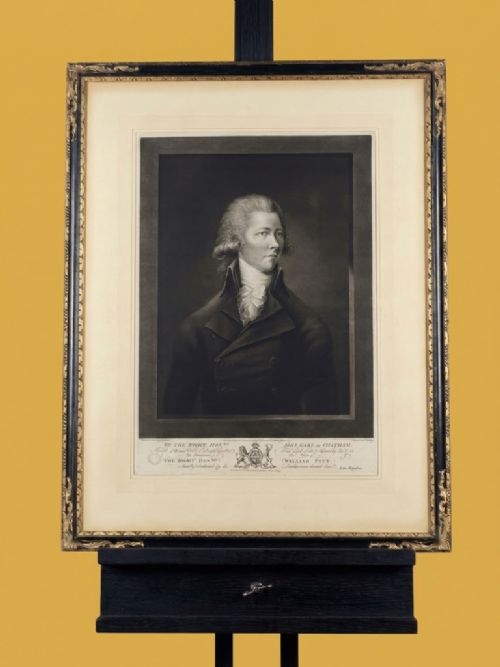
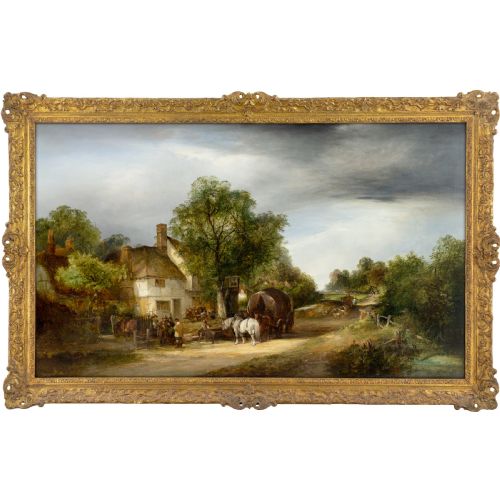
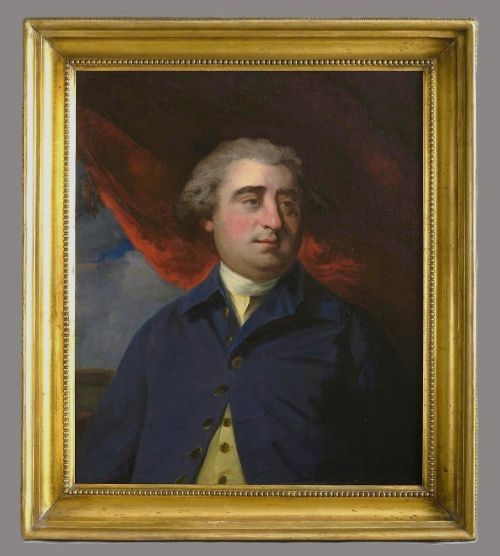

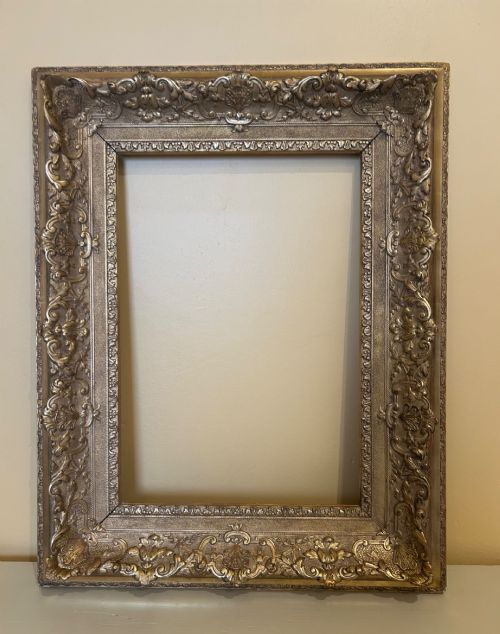
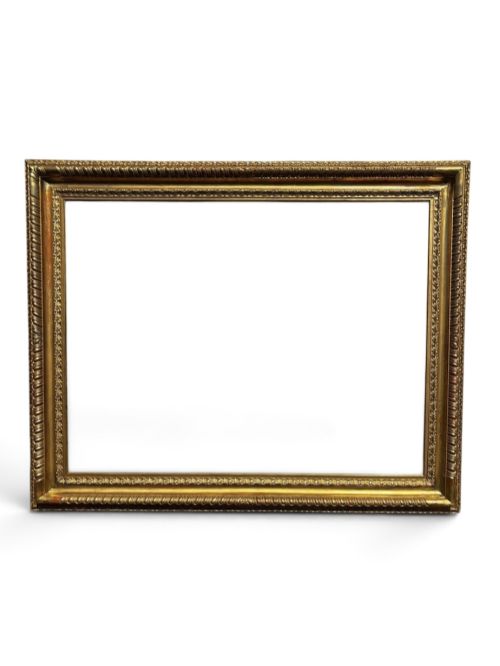
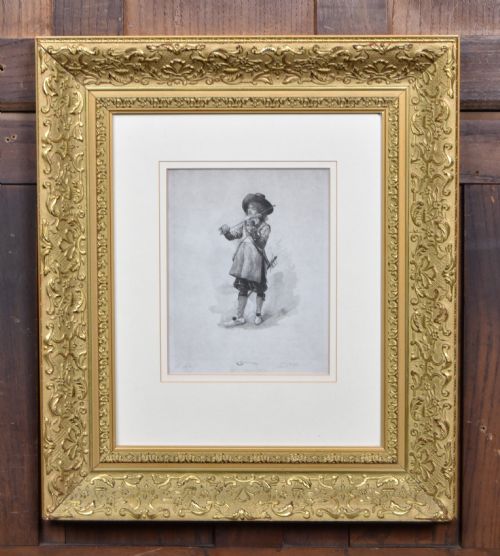

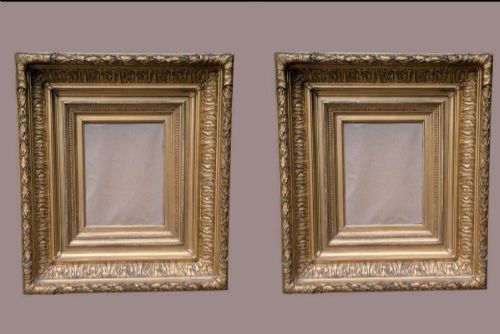
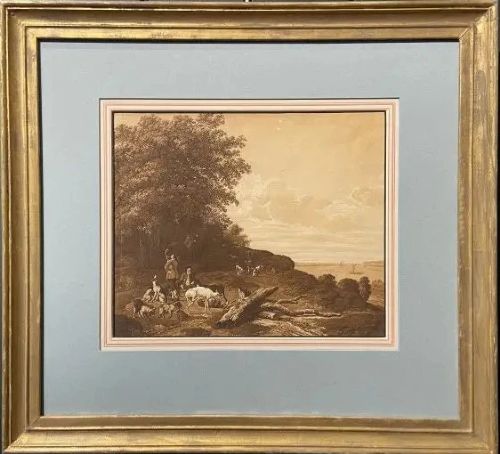
Gilded Wood Picture Frame
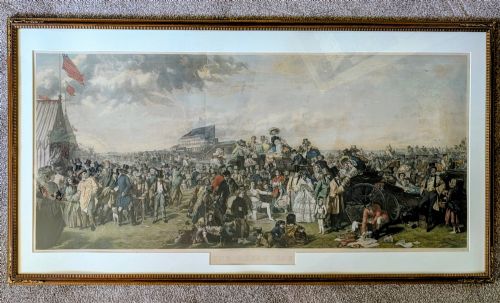
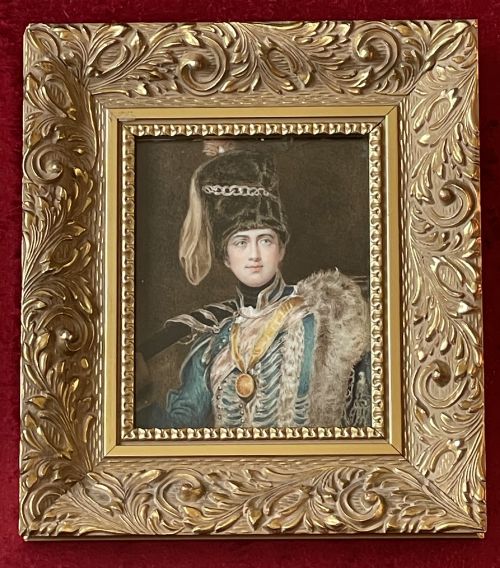
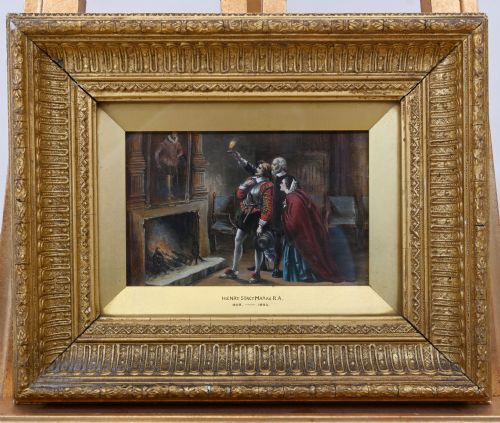
A gilded wood picture frame brings warmth and historic presence to any wall, holding portraits and landscapes with traditional craft.
Gilded Wood Picture Frame
When you search for a gilded wood picture frame, you encounter surrounds designed to house oil paintings, mirrors, watercolours and prints. The listings show a strong presence of nineteenth-century items alongside examples from the seventeenth, eighteenth and early twentieth centuries.
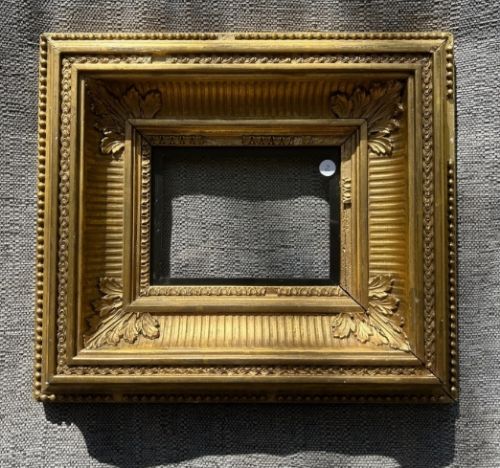
Most pieces date to the Victorian era or the broader nineteenth century, reflecting the materials and revival styles recorded in the evidence. Forms range from deep swept mouldings to Florentine and Rococo Revival designs.
These items originate across Britain and continental Europe, accommodating works on canvas, wood panels and paper. The selection includes standalone frames as well as those retaining original portraits or landscapes.
How they were made
Makers formed the structural core using timber, applying layers of gesso to build up decorative relief work and mouldings. Artisans then laid gold leaf over the prepared surfaces to achieve a brilliant metallic sheen.
Surface ornamentation often incorporates applied composition or carved elements such as acanthus leaf decoration. Gilding techniques relied on traditional gold leaf application to wood and gesso substrates.
Gilded Wood Picture Frame Retail Price Guide 2026
Typical asking prices for gilded wood picture frame among the pieces listed under this phrase on Sellingantiques today, from the lower quarter to the upper quarter. They describe what is for sale here now, not the wider market.
The inventory includes wall mirrors and oil paintings alongside standalone picture frames.
What varies in quality
The depth and complexity of the moulding define the visual weight of the frame, with deeper profiles creating stronger shadows and presence. Richer examples display intricate gesso relief work rather than simple surface finishes.
The integrity of the original gilt surface and gesso ground dictates the character of the piece over time. Uniformity in the application of gold leaf and the crispness of decorative motifs distinguish finer workshops.
Sir Joshua Reynolds·Samuel Dixon·Johannes Lingelbach·Gustave Doré
The Gilded Wood Picture Frame Glossary
- Giltwood
- Wood that has been coated with gold leaf or gold paint. This finish provides the characteristic metallic brilliance seen on period frames and mirrors.
- Gesso
- A plaster mixture applied to wood as a base for gilding and relief ornamentation. It allows artisans to carve or mould intricate decorative details.
- Acanthus
- A carved leaf ornamentation derived from classical architecture. It appears frequently on nineteenth-century picture frames and mirror borders.
- Swept frame
- A frame moulding with a flowing, curved profile that swells toward the corners. This style gained popularity during the nineteenth century.
- Eglomise
- A technique involving cold painting and gilding on the rear face of glass. It creates a reflective, decorative panel often used in historic frames.
Gilded Wood Picture Frame: Frequently Asked Questions
How do I date a frame?
Dating relies on examining the timber construction, the composition of the gesso ground, and the style of the moulding profile. Nineteenth-century examples often feature deep sections and applied composition ornamentation.
Earlier seventeenth and eighteenth-century pieces display heavier hand-carved wooden structures with distinct regional joinery methods. Comparing the frame style to the period of the artwork helps confirm its age.
Can these frames hold modern art?
These frames accommodate modern works provided the rebate depth and internal dimensions match the thickness of the canvas or panel. Standard mount boards and glass can also be fitted by a professional framer.
Care must be taken to ensure the historic wood and gesso are not damaged during the reframing process. Many collectors pair contemporary watercolours or oils with antique frames for visual contrast.
How should I clean gilded surfaces?
Dusting requires a very soft, dry brush to prevent abrasive particles from scratching the delicate gold leaf layer. Moisture and chemical cleaning agents must be avoided entirely.
Professional restoration is recommended if the gesso or gilding shows signs of flaking or detachment. Gentle handling preserves the original patina and metallic lustre.