
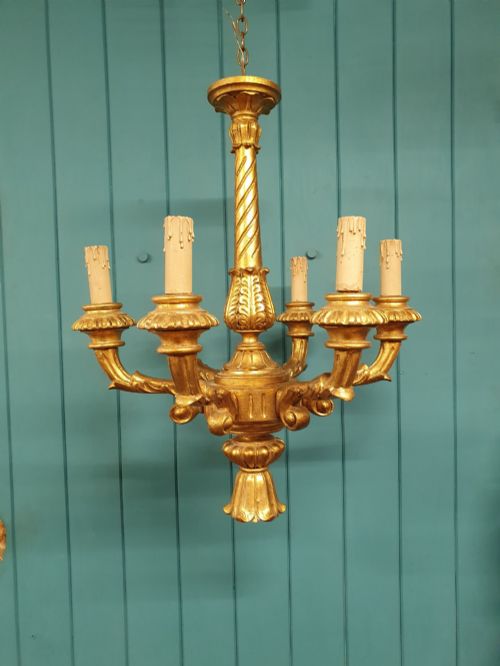


Gilded Wood Pendant Light
A gilded wood pendant light brings warmth and old world character to a room, catching the eye with carved detail and metallic shine.
Gilded Wood Pendant Light
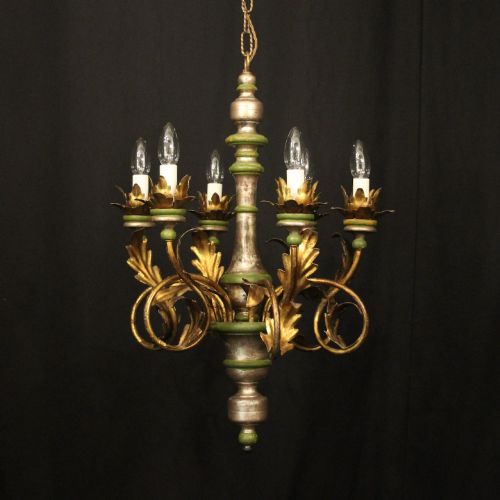
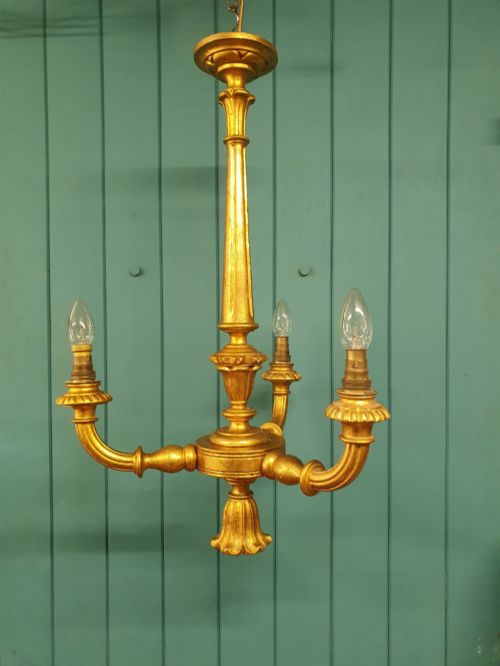
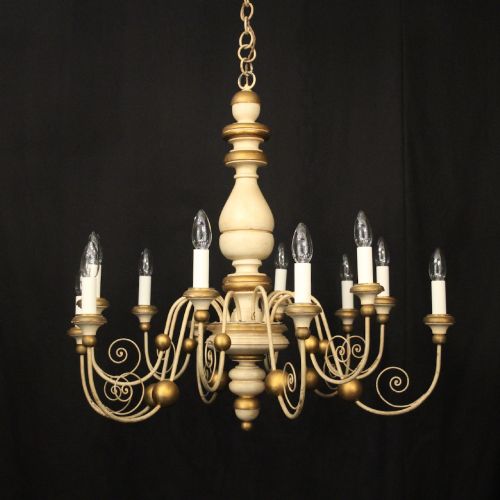
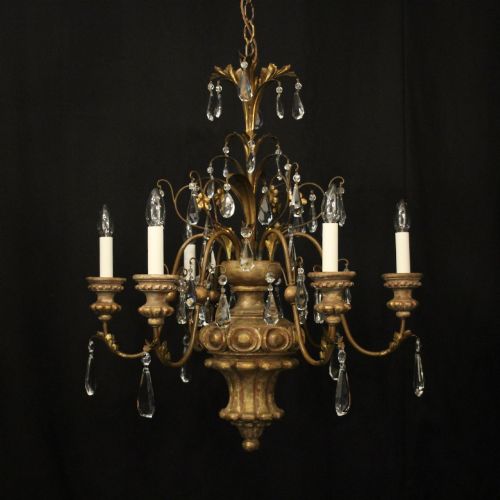
A gilded wood pendant light encompasses hanging chandeliers, lanterns, and ceiling lights shaped from timber and finished with metallic leaf or gesso. Buyers searching for a gilded wood pendant light will encounter pieces primarily originating from Italian workshops, particularly Florentine and Venetian traditions, alongside French and English examples.
The selection ranges from multi-arm chandeliers spanning the Edwardian and Victorian eras back to eighteenth-century creations and nineteen-thirties revivals. Formats vary from small five-light fixtures to monumental lanterns and grand twelve-light focal points designed for high ceilings.
Italian Florentine models dominate the available selection, often featuring ornate carved wooden frames with polychrome highlights. These hanging lights serve both functional illumination and decorative sculpture, bridging centuries of interior design history.
How they were made
Craftsmen shaped these fixtures from solid wood, applying layers of gesso to create a smooth, prepared surface for subsequent gilding. Gold leaf was then carefully laid over the primed wooden structure, sometimes complemented by paint in polychrome variations.
Structural elements frequently incorporated metal and wrought iron to support multiple arms and heavy hanging mechanisms, while glass components added contrast. Carving was executed by hand, resulting in intricate floral, scrolling, and baroque motifs unique to each piece.
Some lanterns include toleware touches alongside the gold leaf, proving that even historic Italians enjoyed mixing their metals.
What varies in quality
The depth and crispness of the hand carving distinguish finer examples from simpler production pieces, particularly in the rendering of acanthus leaves, scrollwork, and architectural moulding. Superior items display meticulous application of gold leaf and gesso, which ages with a softer, more nuanced patina over decades.
Proportion and structural integrity also set pieces apart, as larger multi-arm configurations require balanced weight distribution and robust internal metal framing. The integration of polychrome paintwork and the preservation of original surface finishes significantly influence the character and visual impact of the fixture.
The Gilded Wood Pendant Light Glossary
- Giltwood
- Wood that has been coated with gold leaf or gold paint. This finish provides the bright, reflective surface characteristic of these decorative lights.
- Gesso
- A plaster mix applied to wood to create a smooth base for gilding and carving. It allows artisans to achieve sharp details before applying gold leaf.
- Polychrome
- Decorated in multiple colours. This technique often appears alongside gilding on Italian fixtures to add depth and contrast to floral or figurative carvings.
- Toleware
- Enamelled or lacquered metalware. These elements sometimes accompany wood and gilt components in nineteenth-century hanging lanterns.
- Acanthus
- A classical leaf ornamentation frequently carved into wooden frames and arms. This motif defines much of the baroque and rococo styling seen on these fixtures.
Gilded Wood Pendant Light: Frequently Asked Questions
How do I clean a gilded wood pendant light?
Dust the fixture gently with a soft, dry ostrich feather duster or a clean, dry microfibre cloth to remove everyday accumulation without disturbing the delicate gold leaf surface.
Avoid using water, liquid cleaners, or chemical polishes, as moisture and solvents will strip the gesso and flake the historic gilding away from the carved wood underneath.
Are these lights suitable for modern ceilings?
These fixtures adapt well to contemporary interiors when hung at the correct height over dining tables, in stairwells, or as a statement piece in living rooms. Their historic character creates a striking contrast against minimalist modern architecture.
Consider the weight and drop of the specific chandelier or lantern, as monumental baroque pieces and multi-arm arrangements require reinforced ceiling joists and professional electrical installation.
What is the difference between Florentine and Venetian styles?
Florentine designs tend to focus on rich floral carvings, scrolling woodwork, and polychrome painted accents that emphasise organic warmth and classical symmetry. They often incorporate numerous candle arms finished in bright gold leaf.
Venetian pieces frequently lean towards grander baroque proportions, ornate hanging lanterns, and dramatic silhouettes designed to catch and reflect candlelight from every angle in high-ceilinged palazzos.
How can I tell an eighteenth-century light from a nineteen-thirties revival?
Examination of the wood grain, hand tool marks, and the composition of the gesso layer underneath the gold leaf reveals clues about the age of manufacture. Earlier pieces exhibit authentic tool work and natural wear consistent with centuries of handling.
Nineteen-thirties revivals and Edwardian reproductions often utilise machine-assisted preparation or cleaner joints, though they still employ traditional hand-gilding techniques that mimic older aesthetic traditions.