



Antique 3 Branch Light
When you search for an antique 3 branch light, you encounter metal and crystal fittings from the eighteenth to the twentieth centuries designed to illuminate rooms with multiple arms.
Antique 3 Branch Light
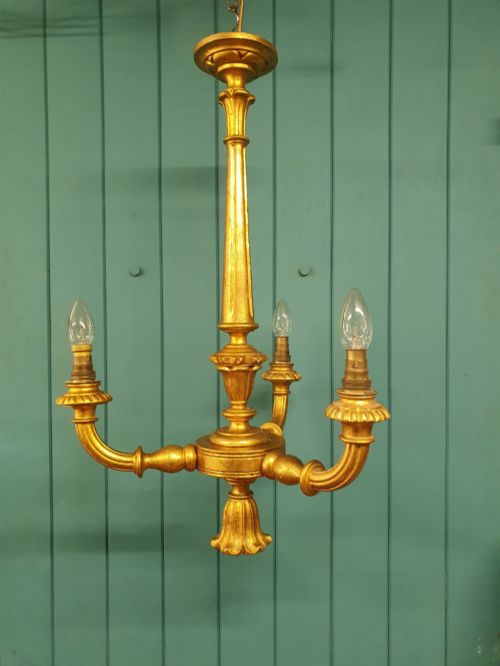
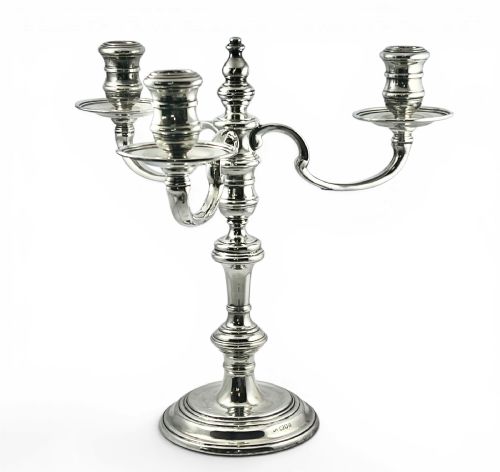
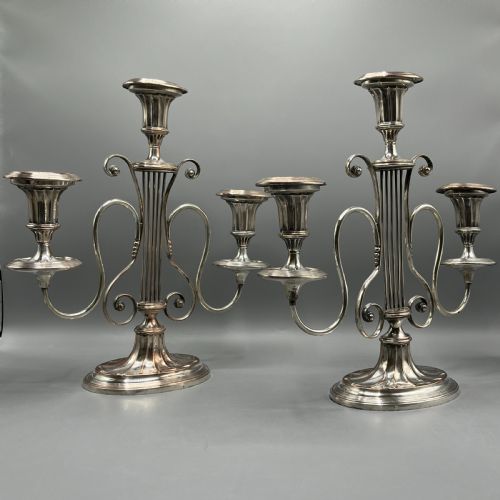
An antique 3 branch light encompasses wall sconces, candelabra, and chandeliers originating from the 18th century through to the 1930s. These fixtures provide illumination through distinct arms or branches extending from a central body or backplate.
The selection includes English and French pieces representing styles such as Regency, Gothic Revival, Louis XV, and Edwardian. Buyers frequently encounter gilt bronze, ormolu, brass, and silver-plated examples configured for wall mounting or ceiling suspension.
Wall lights and girandoles appear alongside hanging chandeliers and table pieces, showing how makers adapted multiple candle or bulb holders for different domestic settings. Materials range from carved giltwood to crystal glass and repousse brass.
How they were made
Makers utilised casting techniques for brass, bronze, and ormolu fittings, producing detailed arms and backplates that were subsequently chased and gilded. Silver-plated pieces involved applying silver to base metals such as Sheffield plate or copper.
Glass elements such as crystal drops and Venetian art glass components were hand-blown or cut, while wooden fixtures utilised carved giltwood and gesso. Repousse work involved hammering sheet brass from the reverse to create raised decorative patterns.
Listings feature brass, gilt bronze, silver plate, ormolu, and crystal across periods from the eighteenth century to the 1930s.
What varies in quality
The refinement of the casting and chasing distinguishes finer pieces, where foliage and scrollwork retain crisp definition and depth. Superior examples demonstrate careful hand-finishing on the metal surfaces and secure joins between the branches and the main body.
The integration of materials also indicates grade, such as the clarity of crystal drops or the quality of the gilding on bronze and ormolu. Pieces bearing maker attributions or specific period hallmarks reflect higher workshop standards.
Hawksworth Eyre·Garrard and Co·Matthew Boulton
The Antique 3 Branch Light Glossary
- Ormolu
- A technique of applying finely ground high-carat gold to a bronze base, creating a rich metallic finish often seen on French lighting. This process was widely employed during the eighteenth and nineteenth centuries.
- Girandole
- An ornamental wall candelabrum featuring a mirror backplate that reflects the light. The reflective surface magnifies the illumination provided by the branched candles.
- Repousse
- A metalworking technique where the artisan hammers thin metal from the reverse side to form a raised design on the front. Dutch brasswork frequently utilises this method.
- Candelabra
- A branched candlestick holder designed to support multiple candles simultaneously. These items appear in silver plate, bronze, and brass across various historical periods.
- Campana
- A classical vase shape resembling an inverted bell, commonly used for the socket or sconce portion of a candle holder. This form echoes ancient Roman pottery profiles.
Antique 3 Branch Light: Frequently Asked Questions
How were three branch lights used?
These branch lights were positioned on walls or hung from ceilings to distribute candle or electric illumination across principal rooms. Wall sconces placed near mirrors or panels maximised the spread of light.
Larger candelabra stood on tables or sideboards for direct illumination during dining and social gatherings.
How do I clean antique brass and bronze?
Dusting with a dry, soft cloth prevents the accumulation of dirt on delicate chased surfaces and gilt metal. Avoid abrasive cleaners that can strip original gilding or patination.
Professional assessment is recommended if deeper cleaning or rewiring is required for functional use.
Are these lights wired for electricity?
Many surviving fixtures have been adapted for modern electrical wiring while retaining their historic metal or crystal bodies. Some examples retain their original candle sockets for decorative display.
Buyers should inspect the current wiring status and consult a qualified electrician regarding safety standards.
How can I tell the period of a light?
Stylistic indicators such as Regency scrollwork, Gothic revival motifs, or Edwardian cast brass provide initial chronological markers. Construction methods, assembly screws, and material composition further clarify the date of manufacture.
Matching the design characteristics with documented historical periods helps establish the likely age of the piece.