


Carved Wooden Light Fitting
A carved wooden light fitting brings warmth and texture to a room, offering rich gilding and sculptural form from various European periods.
Carved Wooden Light Fitting
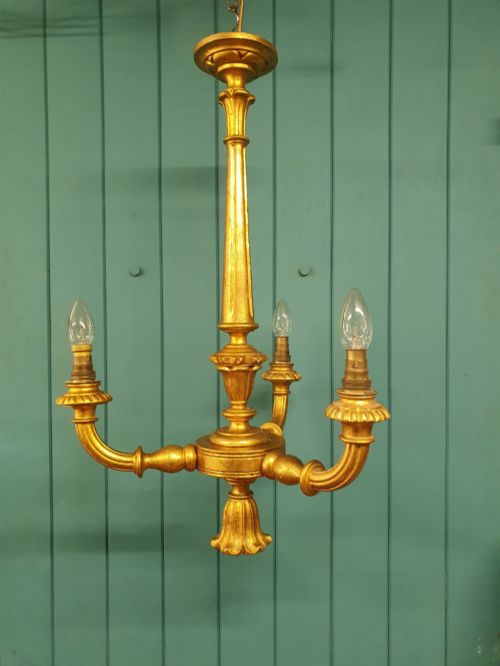
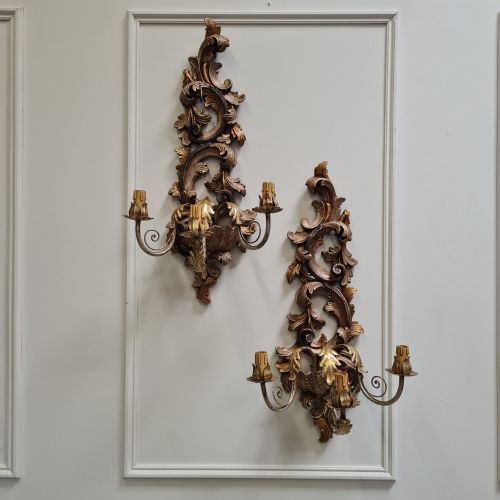
A carved wooden light fitting spans multiple centuries of craftsmanship, ranging from eighteenth-century Italian church work to Edwardian domestic lighting. When searching for a carved wooden light fitting, you encounter substantial chandeliers, wall sconces, and tall standard lamps designed to dominate a ceiling or corner.
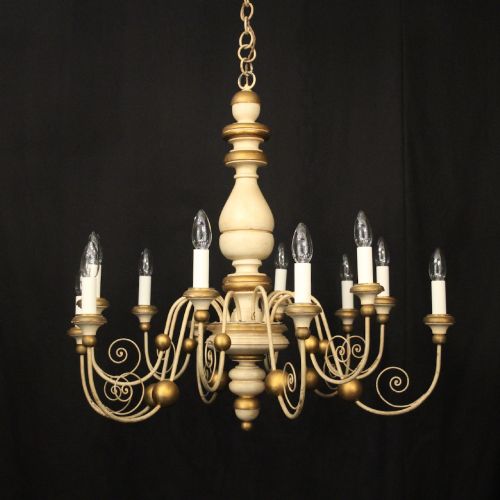
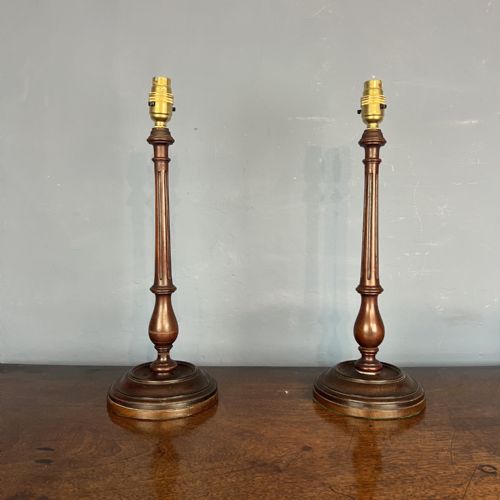
Italian workshops feature strongly, particularly Florentine pieces finished in giltwood and polychrome paint that mimic elaborate Baroque and Rococo designs. Alongside these grand chandeliers, standard lamps in mahogany or walnut and smaller painted table lamps represent the more domestic side of the material.
How they were made
Makers shaped solid timber using traditional hand-carving chisels before applying layers of gesso to smooth the surface for gilding. Gold leaf and fine metal elements were then laid over the preparation layers, creating the luminous quality seen on giltwood surfaces.
Iron and brass components frequently accompany the woodwork, providing structural integrity for multi-armed chandeliers and fixing points for wall lights. Paint finishes, including polychrome decoration, were built up using traditional pigments applied directly over the prepared wood.
Listings feature items spanning from the eighteenth century through to the 1930s, utilising giltwood, brass, and wrought iron.
What varies in quality
The depth and crispness of the hand-carving separate standard production from exceptional work, particularly in the rendering of acanthus leaves and scrolling motifs. Finer pieces display undercut carving that catches the light naturally, whereas simpler items rely on shallow surface incisions.
The integrity of the original gesso and gold leaf finish determines the visual coherence of an antique piece. Surfaces that retain their early gilding without heavy over-painting command greater attention from collectors who value undisturbed patination.
Whytock And Reid
The Carved Wooden Light Fitting Glossary
- Giltwood
- Timber that has been decorated with thin sheets of gold leaf over a prepared surface. This finish provides a warm, reflective quality typical of grand chandeliers.
- Gesso
- A plaster mixture applied to wood as a base for gilding or painting. It allows carvers to create sharp relief details before applying gold leaf.
- Polychrome
- Decoration employing several colours applied to the carved wooden surface. This technique is frequently seen on Florentine chandeliers and wall lights.
- Standard lamp
- A tall floor-standing light fitting designed to illuminate a room from a corner or beside furniture. These are often executed in walnut or mahogany.
Carved Wooden Light Fitting: Frequently Asked Questions
How do I clean a giltwood chandelier?
Dust giltwood fittings gently with a soft dry brush to protect the delicate gold leaf layers. Avoid using liquid cleaners or abrasive cloths that can strip the historic surface.
Regular light maintenance prevents dust accumulation without risking the gesso underneath.
Are these fittings wired for modern electricity?
Most antique light fittings have been re-wired at some stage to meet contemporary electrical standards. It is advisable to have a qualified electrician inspect the internal wiring before installation.
Original lamp holders are often replaced for safety while exterior wooden and gilded components remain untouched.
How do I date a carved wooden light fitting?
Dating relies upon stylistic markers such as Florentine Rococo revival details or Edwardian proportions in standard lamps. Tool marks and the composition of the underlying gesso also provide clues to the period of origin.
Comparing the timber species with known furniture manufacturing trends helps narrow down the decade of production.
Where should I hang a large wooden chandelier?
Grand multi-armed chandeliers require high ceilings and sturdy ceiling fixings to support the combined weight of carved wood and metal arms. Dining rooms and high-ceilinged entrance halls provide suitable proportions for pieces with twelve or more lights.
Ensure the scale of the fitting complements the surrounding room without overwhelming the space.