

Gold Gilt Ceiling Fixture
A gold gilt ceiling fixture brings warmth and illumination to a room, drawing the eye upward with historic metalwork and crystal.
Gold Gilt Ceiling Fixture
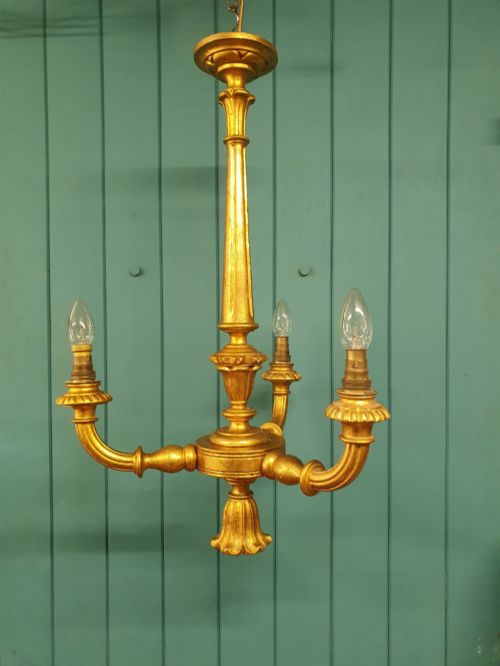
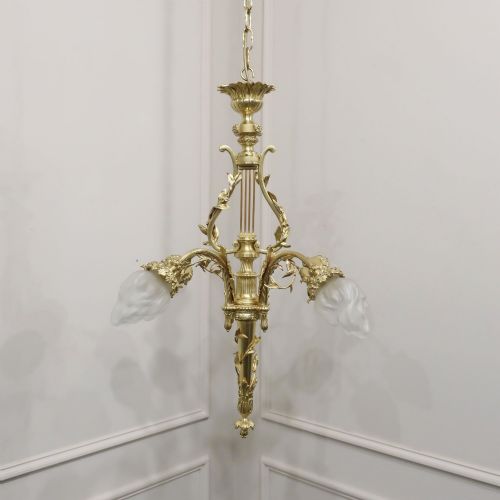
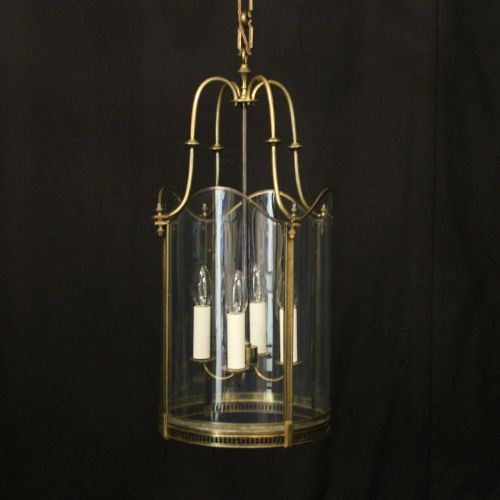
When you search for a gold gilt ceiling fixture, you encounter a selection spanning the nineteenth century through the early twentieth century, including Edwardian examples. The most frequent forms on this page are multi-arm chandeliers and hall lanterns.
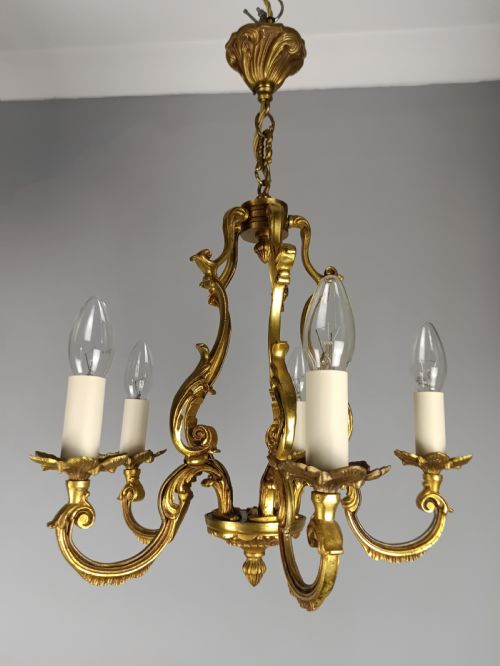
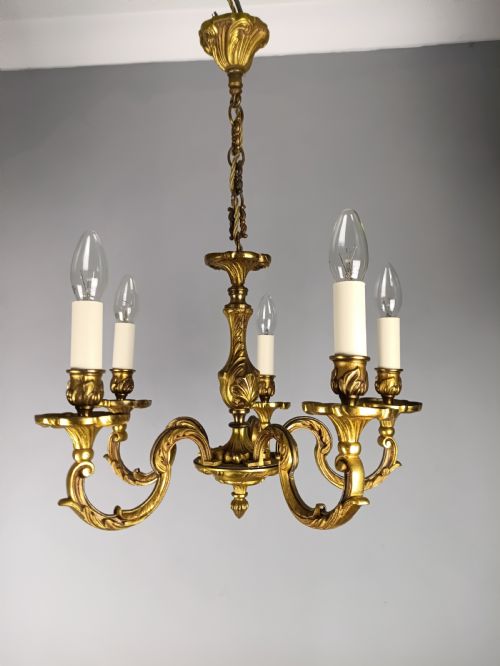
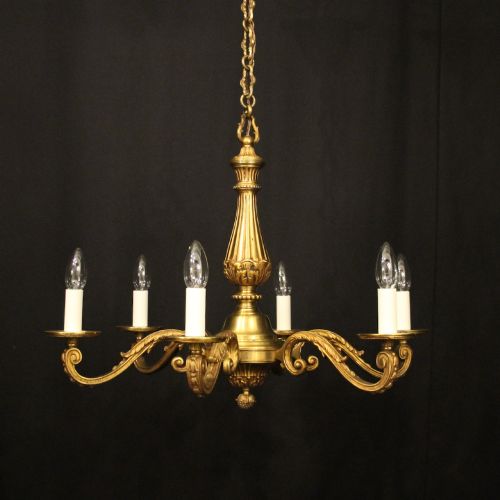
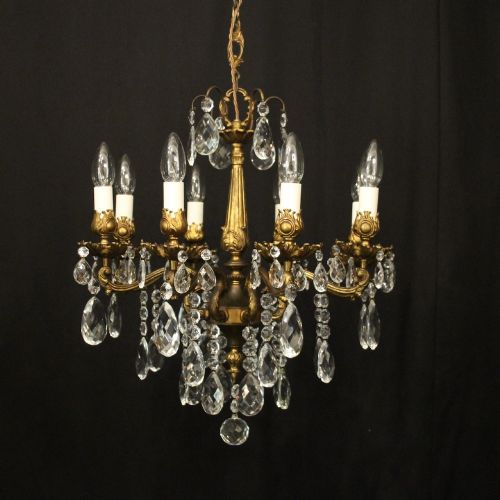
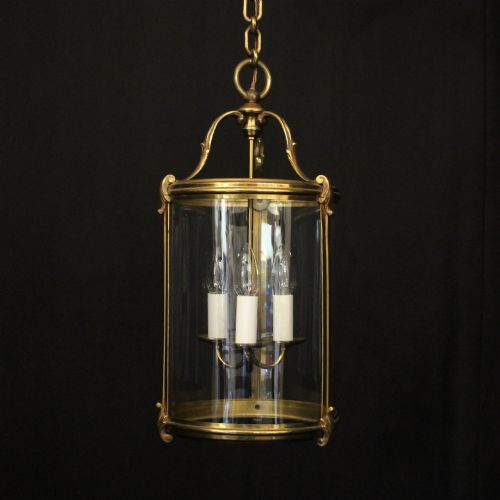
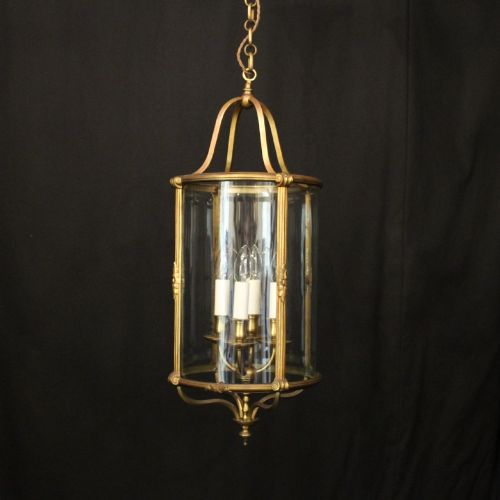
Chandeliers appear in configurations ranging from three to ten lights, often styled as birdcages, tents, or coronets. Lanterns offer enclosed hanging illumination, frequently convex in shape.
Origin points cluster around France and Italy, bringing decorative idioms such as French Rococo, Florentine Baroque, and Neoclassical styles into domestic spaces.
Materials and Construction
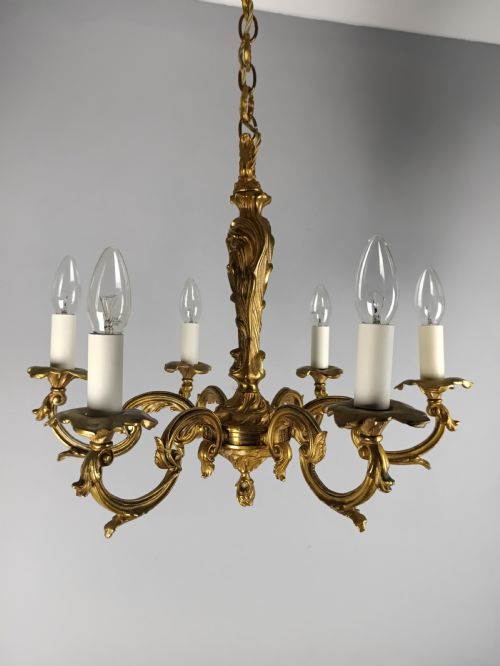
Metalwork forms the structural foundation, utilising gilt bronze, gilt brass, spelter, gesso, and giltwood. Artisans applied gold leaf or gilt finishes over these bases to achieve a luminous surface.
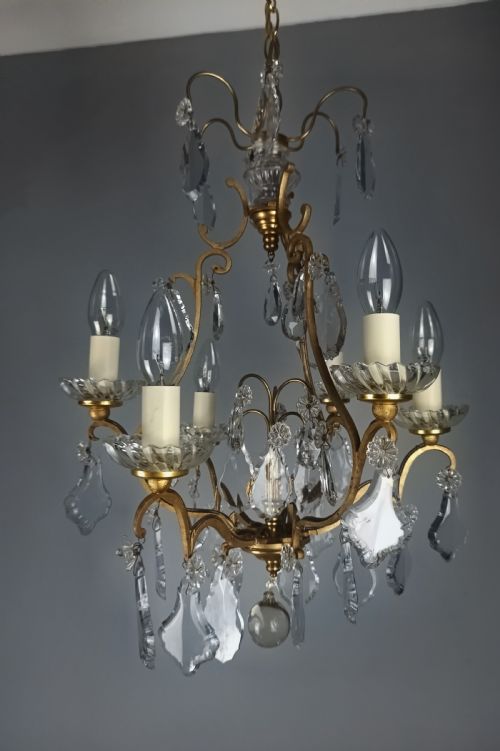
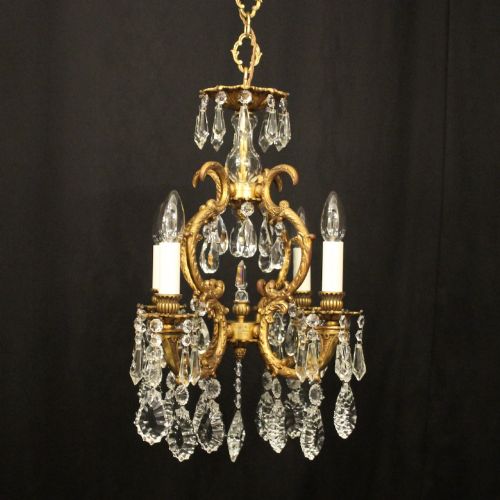
Glass and crystal embellishments integrate with the metal frames. Cut glass crystal spikes, amber teardrops, and turquoise crystals hang from arms and cages to refract light.
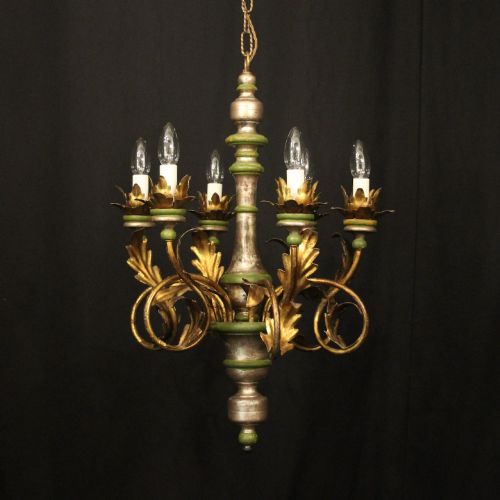
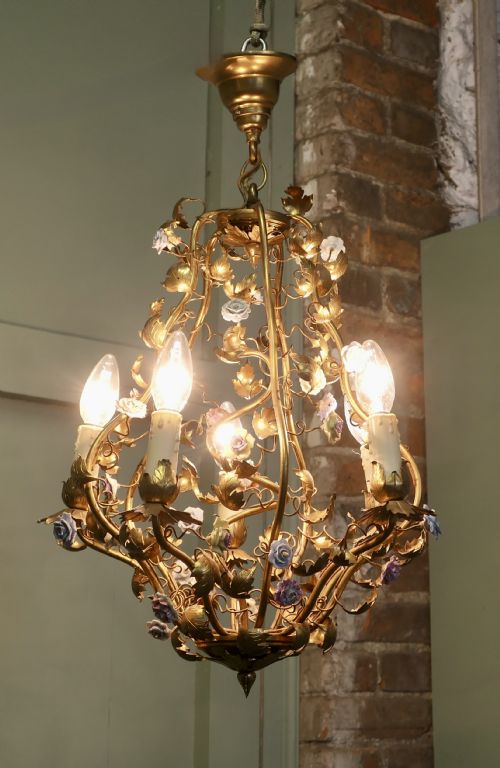
Certain fixtures incorporate painted elements, combining gilt metal with toleware ceramics and polychrome details on iron or floral components.
Listings feature periods from the nineteenth century up to 1930, predominantly showcasing French and Italian origins.
Evaluating Quality
The refinement of the casting and carving sets examples apart. Hand-carved giltwood and finely chased gilt bronze display sharper botanical and scroll details than simpler pressed metal components.
The integration and clarity of the crystal elements dictate the visual depth of the piece. Cut glass drops that retain crisp facets and secure original wiring or candle cups hold greater fidelity to the period.
The Gold Gilt Ceiling Fixture Glossary
- Birdcage chandelier
- A metal frame shaped like an avian enclosure, hung with crystal strands and central lights. This form became popular in French lighting design during the nineteenth and early twentieth centuries.
- Gilt bronze
- An alloy of copper and tin treated with a gold amalgam or leaf finish. Also known as gilt metal or Ormolu, it provides a durable base for intricate cast decoration.
- Toleware
- Painted sheet metal used for decorative components such as leaves and floral shapes on lighting fixtures. It often introduces colour alongside the predominant gold finish.
- Tent chandelier
- A lighting form where strings of crystal beads form an inverted cone shape above the main arms. Light reflects through the canopy for an expansive visual effect.
- Spelter
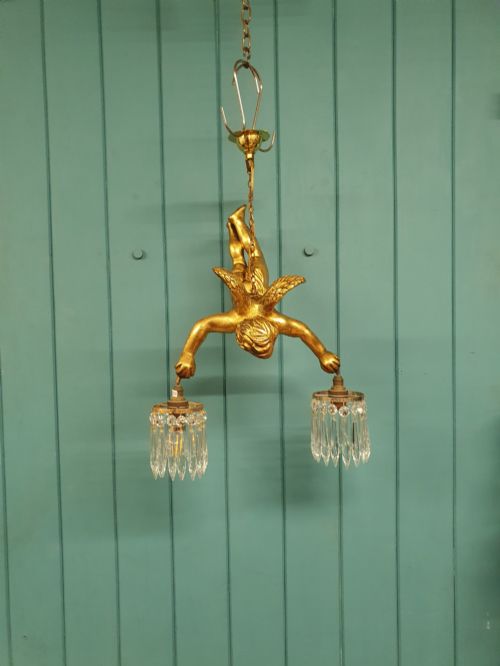
- A zinc alloy used as a cost-effective alternative to bronze for cast figures and ornaments. It accepts gilding well and appears frequently in figurative ceiling lighting.
Gold Gilt Ceiling Fixture: Frequently Asked Questions
How do I clean an antique crystal chandelier?
Dust the frame and crystals gently with a dry microfiber cloth or a specialised feather duster. Avoid harsh chemical cleaners that can strip the delicate gilt finish from the bronze or brass.
For deeper cleaning, apply a mild soap solution to a cloth and wipe individual crystal drops carefully. Support each pendant from beneath so the mounting pins do not bend or snap under pressure.
Are these fixtures wired for modern electricity?
Many surviving fixtures have been adapted for electrical wiring during their long histories, moving past their original candle-only origins. Conversions vary, so checking the internal lamp holders and overall wiring standard is essential before installation.
A qualified electrician can inspect the internal channels and sockets to ensure compliance with current safety regulations. Rewiring rarely alters the exterior historic appearance of the metal and crystal.
How do I date an Edwardian gilt fixture?
Edwardian pieces typically date from the opening decades of the twentieth century, reflecting lighter proportions than high Victorian designs. Look for neoclassical motifs combined with delicate crystal arrangements.
Construction clues such as threaded machine screws, cast brass components, and specific wiring channels help differentiate Edwardian manufacturing from mid-nineteenth-century hand-finished work.