

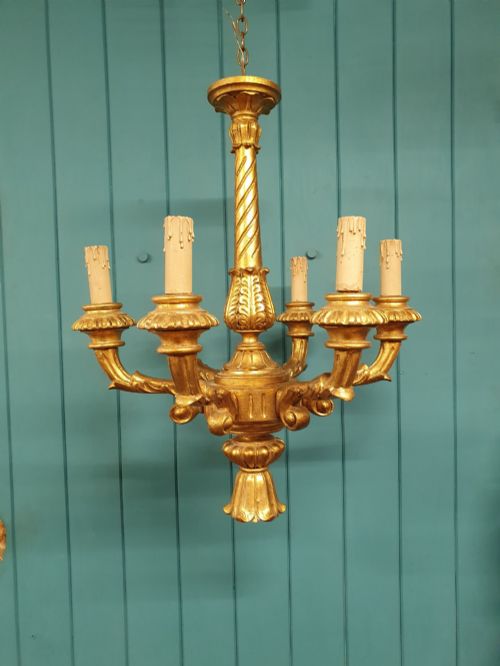


Antique Giltwood Pendant
These antique giltwood pendant lights bring warmth and old-world craftsmanship to a room.
Antique Giltwood Pendant
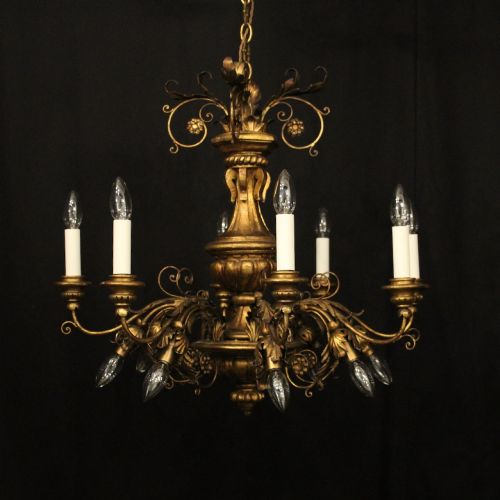
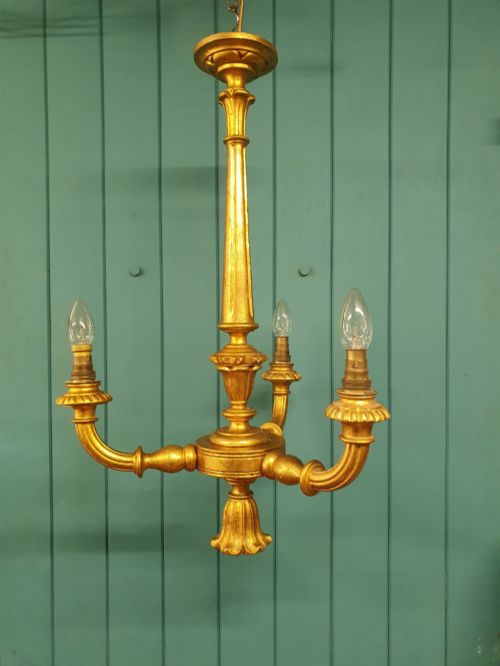
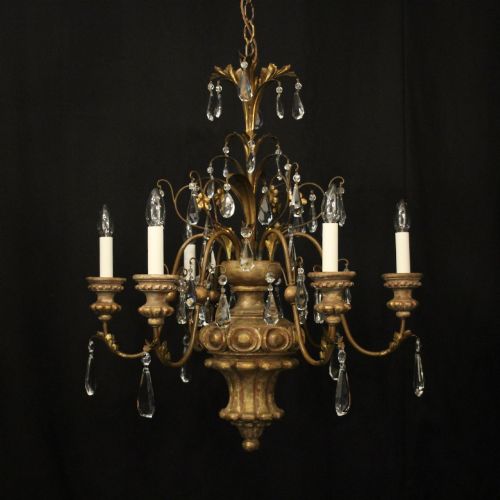
When you search for an antique giltwood pendant, you encounter hanging light fixtures and lanterns shaped by centuries of European design. The selection ranges from grand multi-arm chandeliers to more intimate hanging lanterns.
You are most likely to meet pieces originating from Florentine and Venetian workshops, often dating from the nineteenth and early twentieth centuries. These fixtures utilise carved wood structures finished with gold leaf or gesso.
Alongside chandeliers and lanterns, the selection occasionally encompasses related decorative objects such as fine art portraits in oil. The core of what you find, however, remains overhead lighting designed to illuminate large spaces.
How they were made
Maker's hands shaped these pieces using timber foundations, which were then coated in layers of gesso to create a smooth base for ornamentation. Artisans carved intricate details directly into the wood and gesso before applying thin sheets of gold leaf.
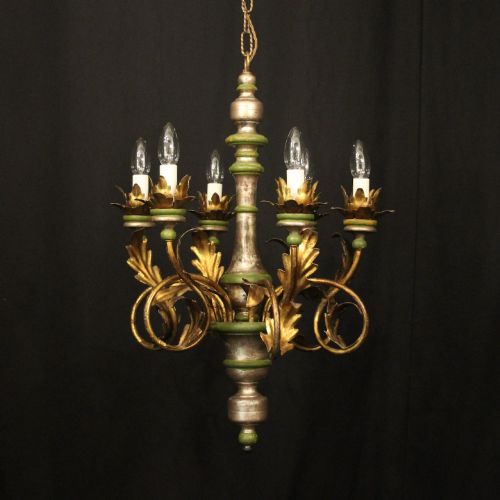
Metal components provide structural strength for the arms and suspension points, whilst paint and ebonisation sometimes contrast with the bright gilded surfaces. Certain lanterns also incorporate glass panels and toleware elements to diffuse the light.
Antique Giltwood Pendant Retail Price Guide 2026
Typical asking prices for giltwood pendant among the pieces listed under this phrase on Sellingantiques today, from the lower quarter to the upper quarter. They describe what is for sale here now, not the wider market.
Listings span periods from the eighteenth century through to the Edwardian era and the 1930s, utilising materials such as giltwood, gesso, and toleware.
What varies in quality
The depth and crispness of the carving distinguish a finer piece from a simpler production. Master carvers achieved intricate floral and baroque scrolls that retain their sharpness beneath layers of historic gilding.
The choice of materials and the integrity of the original gold leaf surface also set examples apart. Heavier timber frames and well-preserved gesso layers indicate superior construction in these hanging fixtures.
The Antique Giltwood Pendant Glossary
- Giltwood
- Timber that has been decorated with gold leaf or gold paint. This finish creates the characteristic warm glow seen on these chandeliers and lanterns.
- Gesso
- A plaster-like mixture applied to wood surfaces as a preparation for gilding. It allows carvers to achieve fine relief details before applying gold leaf.
- Florentine
- A style originating from Florence characterised by ornate carvings and rich scrolling foliage. Many chandeliers matching this description date from the early twentieth century.
- Toleware
- Painted or lacquered sheet metal often used in historical lighting fixtures. It provides colourful contrast against traditional giltwood and brass components.
- Baroque
- An elaborate artistic style featuring dramatic curves and rich ornamentation. Venetian and Florentine pieces frequently employ these theatrical forms.
Antique Giltwood Pendant: Frequently Asked Questions
How do I hang a heavy antique chandelier?
These large fixtures require secure anchoring into ceiling joists rather than standard plaster fixings. Professional installation is essential due to the combined weight of carved wood, gesso, and metal arms.
Ensuring the structural support matches the weight of the chandelier protects both the ceiling and the antique timber frame from strain.
How do I clean an antique giltwood pendant?
Dust the carved surfaces gently with a soft, dry brush to remove particles without disturbing the delicate gold leaf. Avoid liquid cleaners and modern chemicals, which can strip historic finishes from the wood.
Regular, careful maintenance keeps the gesso and gilding intact for years to come.
Are these lights wired for modern electricity?
Many historical hanging lights have been adapted over time to accept standard electrical fittings. You should have a qualified electrician inspect the internal wiring before installation to ensure safety.
Rewiring can often be done discreetly to preserve the original aesthetic of the fixture.
How can I tell an eighteenth-century piece apart from a later reproduction?
Earlier pieces exhibit hand-carved tool marks, aged gesso shrinkage, and wear patterns consistent with centuries of use. Later twentieth-century interpretations often show more uniform construction methods and different patination on the gold leaf.
Examining the underlying timber and the application of the gesso reveals the age of the structure.