
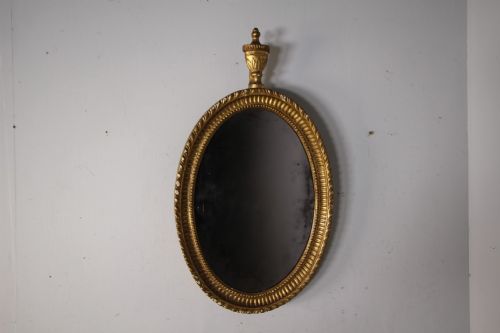
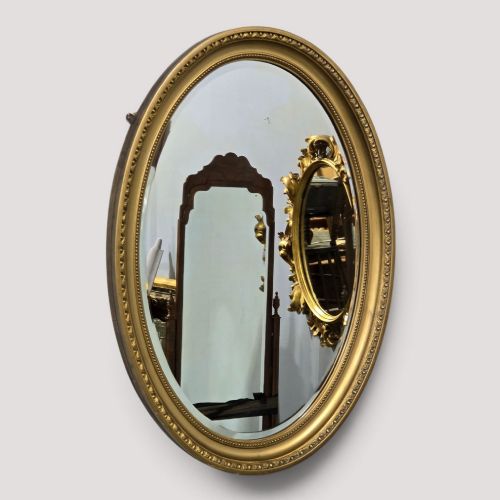
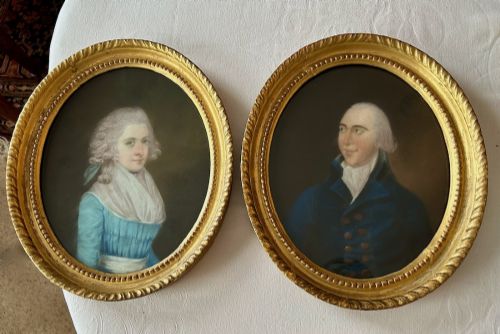
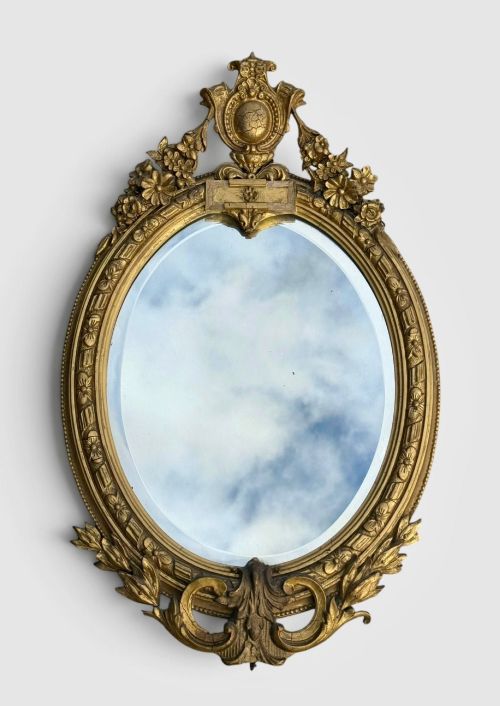



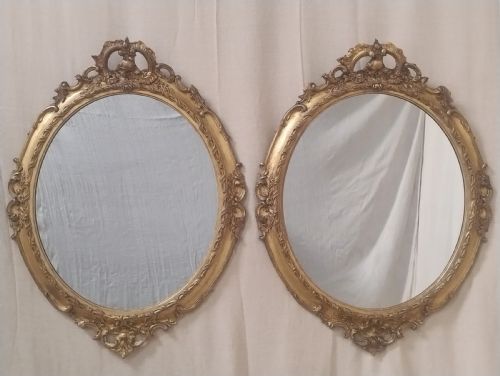
Gilded Wood Oval Frame
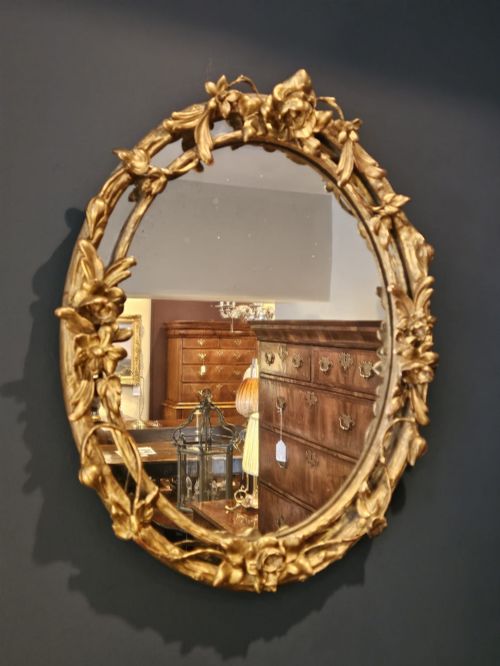
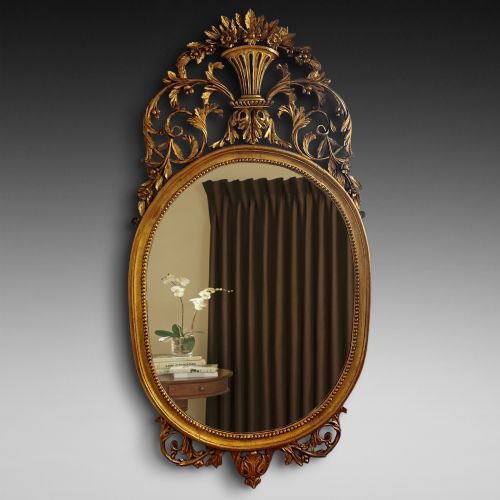
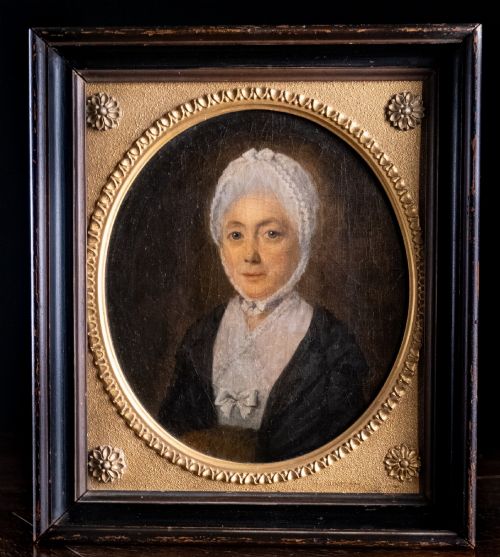
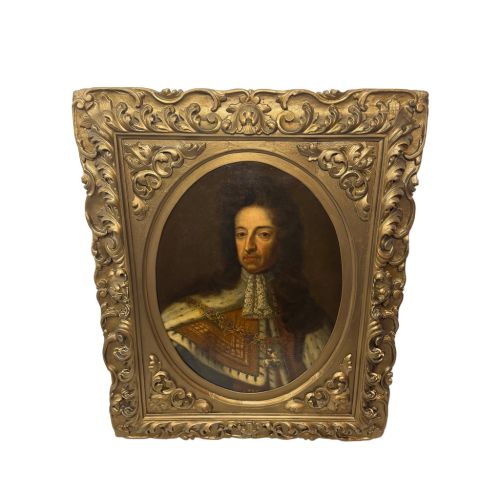
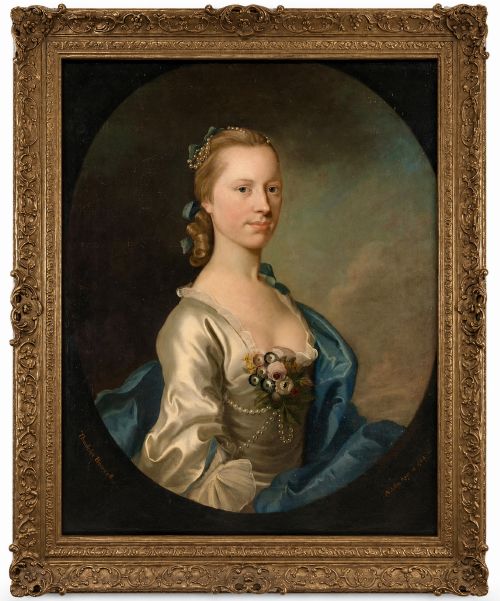
A gilded wood oval frame brings instant warmth and reflected light to a room, framing mirrors and portraits with curving eighteenth and nineteenth-century lines.
Gilded Wood Oval Frame
A gilded wood oval frame surrounds either a polished mirror plate or a portrait, drawing the eye with its curved silhouette. These pieces appear frequently from Georgian, Victorian and Edwardian periods, often taking the form of substantial wall mirrors or smaller pier mirrors designed for hallways and overmantels.
The domestic role of these objects has remained consistent over centuries, functioning as focal points above mantelpieces or as functional looking glasses in reception rooms. English and Italian workshops produced many of the surviving examples, incorporating regional preferences in scale and ornament into the carved wooden base.
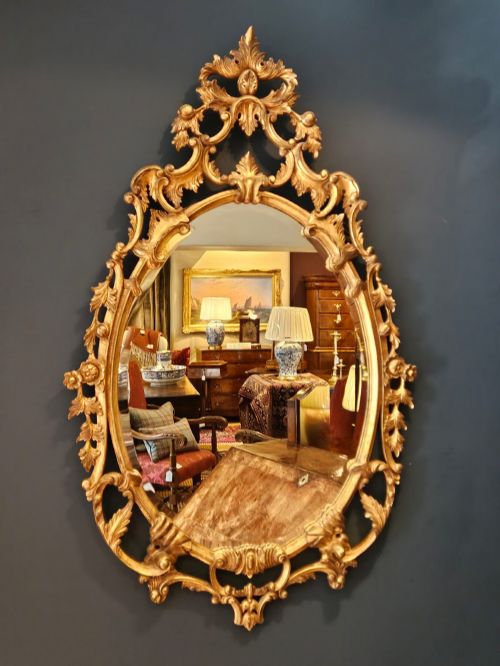
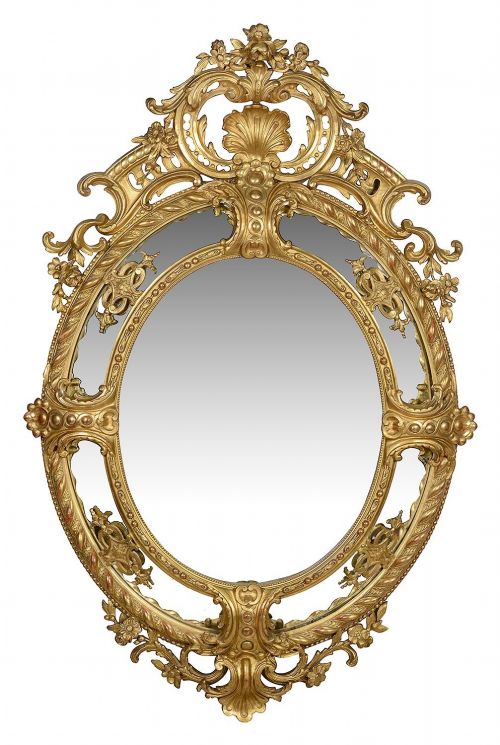
Buyers seeking a gilded wood oval frame encounter a spectrum of aesthetic revivals, ranging from exuberant Rococo scrollwork and French Neoclassical symmetry to restrained Chippendale patterns. The proportion of the oval shape softens the rigid angles of a traditional interior, introducing a classical grace that suits both period properties and modern spaces.
How They Were Made
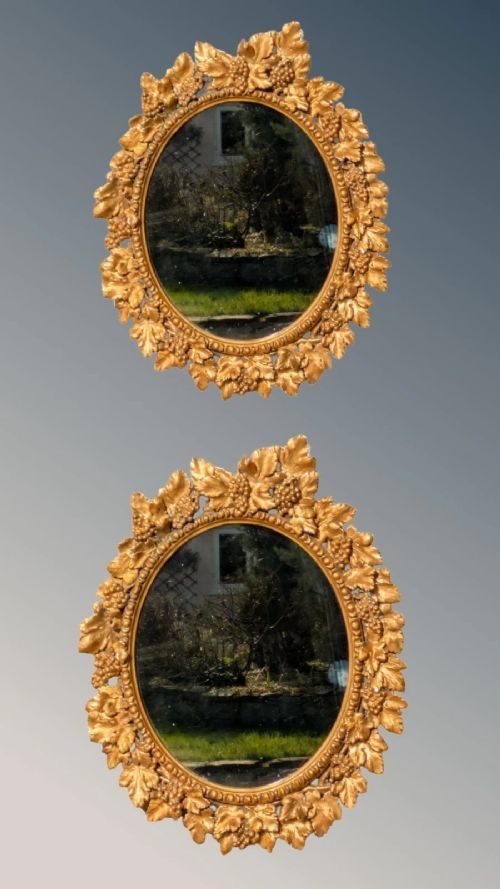
Carvers shaped the foundational wooden structure from timber, frequently applying a layer of gesso to smooth the surface before adding fine details. This chalk and glue mixture allowed artisans to carve crisp acanthus leaves, vine motifs and beaded borders directly onto the rigid base.
Gilders applied thin sheets of gold leaf over a prepared bole layer, burnishing the metal to achieve a deep, metallic lustre that catches natural light. Alternatively, some pieces utilised composition ornament, a mouldable paste pressed into shape and fixed to the wood for repetitive decorative elements.
Listings feature periods spanning from the early eighteenth century through the Edwardian era, incorporating materials such as gesso, timber and gold leaf.
What Varies in Quality
The depth and crispness of the hand-carved ornament distinguish superior examples from simpler moulded pieces, as skilled carvers create pronounced undercut details rather than flat relief. The quality of the original gilding also plays a role, with burnished gold leaf ageing into a softer, warmer tone compared to flat metallic paints applied in later restorations.
Structural integrity depends upon the stability of the underlying timber and the adhesion of the gesso layer over centuries of environmental change. Pieces retaining their original mirrored glass display desirable imperfections and foxing, whereas replaced plates alter the visual depth of the object.
Allan Ramsay
The Gilded Wood Oval Frame Glossary
- Giltwood
- Timber coated with gold leaf or powder over a prepared gesso ground. This traditional surface treatment provides a durable and luminous finish.
- Gesso
- A mixture of chalk, gypsum and size used as a smooth base for gilding. Artisans apply multiple coats before carving intricate relief patterns.
- Composition
- A moulded paste of whiting, resin, linseed oil and glue used for rapid ornamentation. Workshops pressed this material into metal moulds to create repeating floral or vine motifs.
- Overmantle
- A large mirror designed to hang directly above a fireplace mantel. These expansive pieces reflect light across the principal rooms of a house.
- Rococo
- An ornate design style characterised by asymmetrical curves, C-scrolls and naturalistic plant forms. This aesthetic heavily influenced mid-eighteenth-century English and French framing.
Gilded Wood Oval Frame: Frequently Asked Questions
How do I hang a heavy antique mirror?
Substantial wall mirrors require secure fixings anchored directly into masonry or heavy wall studs to support the combined weight of the timber and glass.
Professional mirror hangers utilise heavy-duty brackets or hidden French cleats distributed evenly across the frame structure to ensure safety.
Are these mirrors suitable for bathrooms?
High humidity and fluctuating temperatures in bathrooms can damage historic gesso and accelerate the deterioration of original silvering on antique glass.
Dry interior spaces such as hallways, living rooms and bedrooms remain the ideal environment for preserving fragile nineteenth-century gilding.
What indicates an eighteenth-century origin?
Early eighteenth-century frames typically feature hand-carved pine or hardwood construction with deep gesso layers rather than pressed composition ornaments.
Physical indicators include hand-cut joinery, oxidized fixings at the reverse and subtle tool marks left by the carver's chisel.