


Gilded Wood Bench
These gilded wood bench selections comprise carved wooden seating finished in gold leaf or paint, bringing formal decorative presence to an interior.
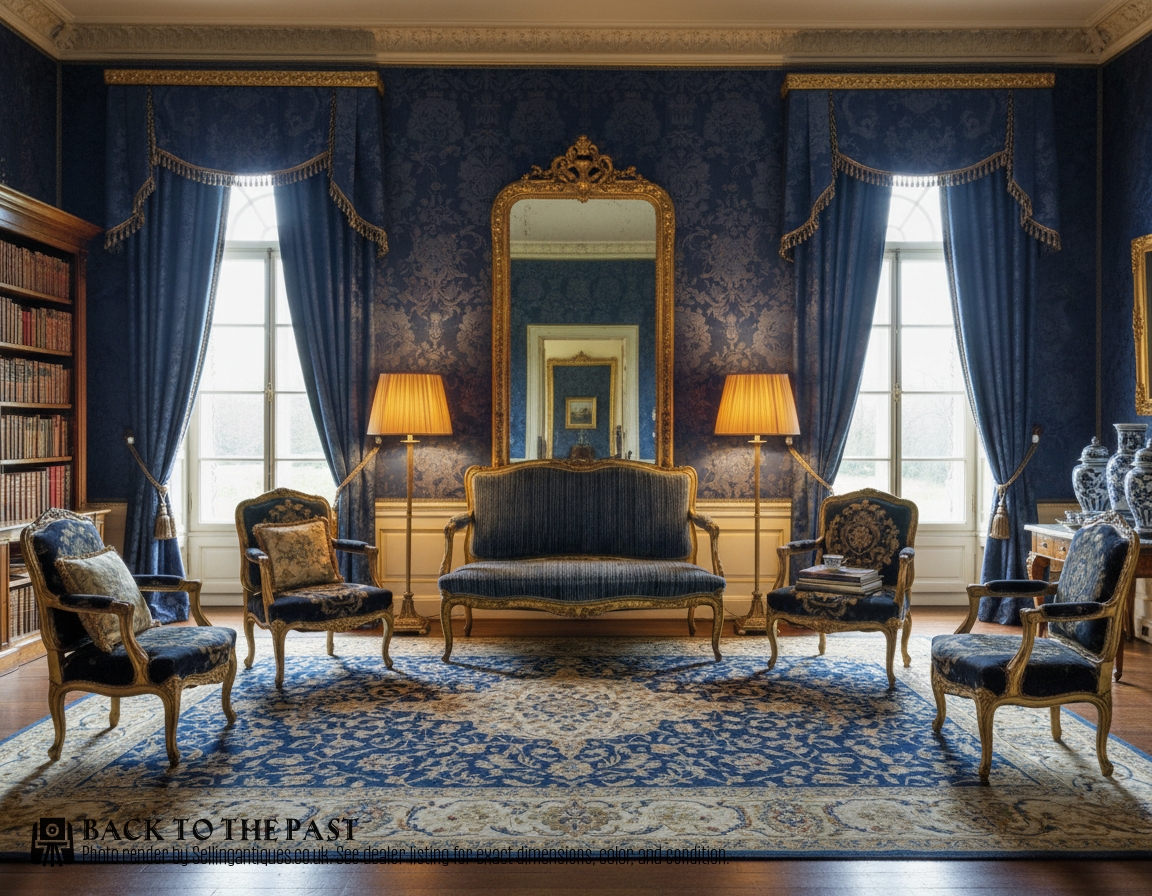
Gilded Wood Bench
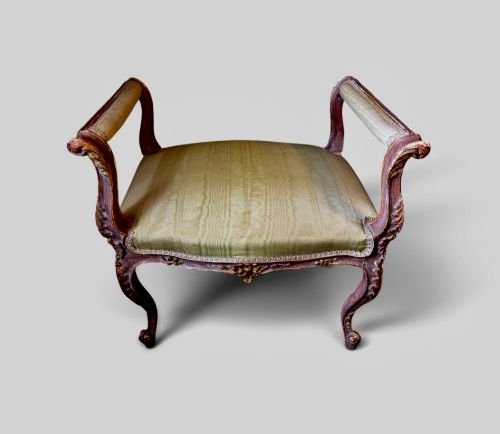
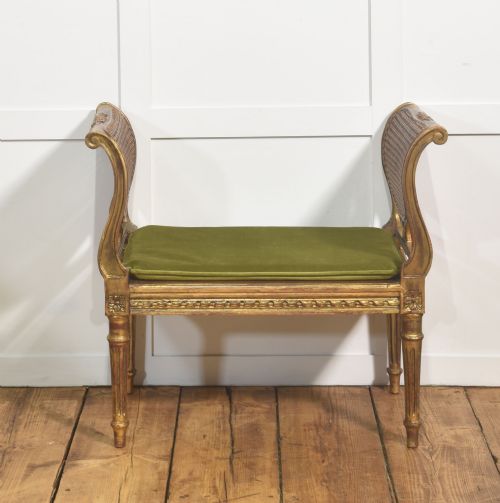
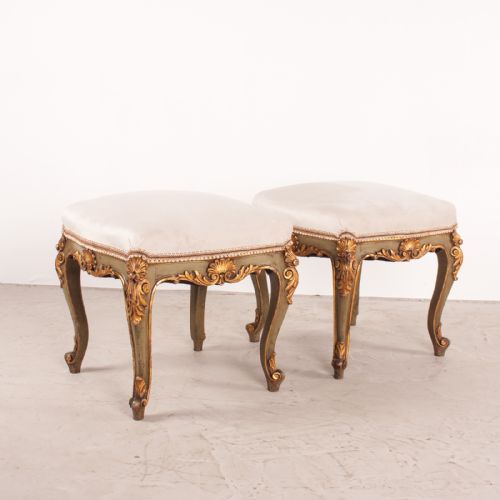
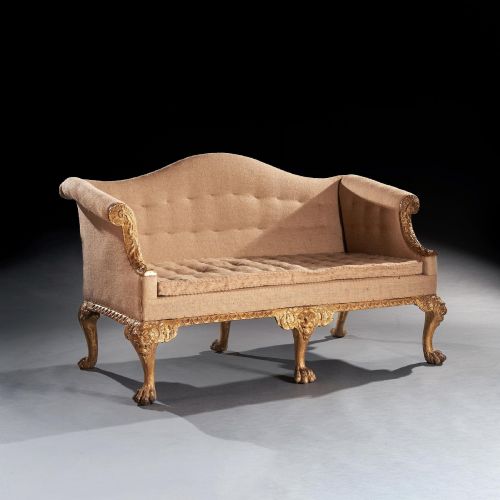
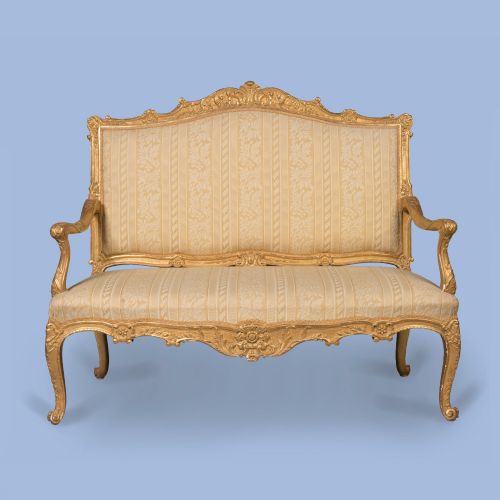
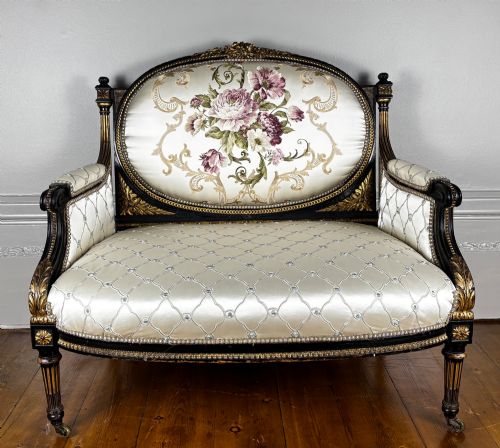
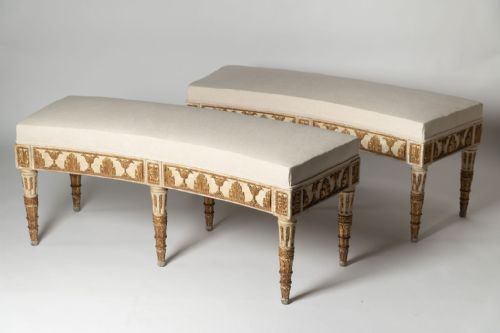
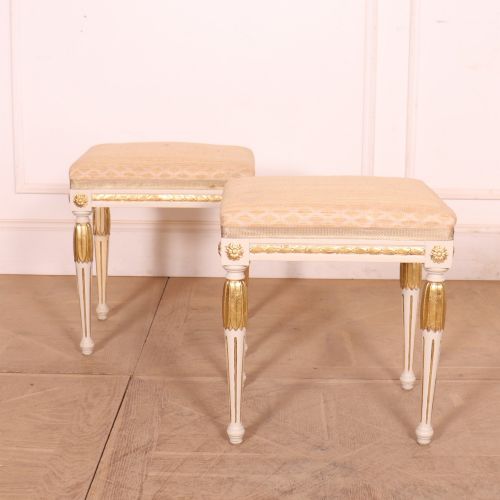
A gilded wood bench encompasses a range of seating forms including settees, window seats, window stools, and footstools produced across the nineteenth and early twentieth centuries. Continental European workshops dominate the selection, with French and Italian pieces appearing alongside Swedish and English examples.
Buyers will most frequently encounter nineteenth-century production reflecting eighteenth-century revivals such as Louis XVI, Louis XV, and Rococo styles. These range from small curule stools and footstools to larger canapés and multi-seat sofas intended for formal reception spaces.
Craftsmanship and Proportion
The refinement of the hand carving dictates the visual success of the piece, distinguishing crisp floral and structural motifs from softer, less defined execution. Proportions also vary, with superior examples maintaining balanced lines across larger settees and smaller window stools alike.
The integrity of the original gilded surface and underlying gesso layer separates well-preserved examples from those with heavy losses or unsympathetic later repainting. Structural joinery in the timber frame determines the long-term stability of the seating.
Certain seating options trade standard legs for sculpted wooden elephant bodies complete with tusks.
Giles Grendey
The Gilded Wood Bench Glossary
- Giltwood
- Timber that has been coated with gold leaf over a prepared gesso ground. This finish provides the characteristic metallic sheen seen on formal antique seating.
- Canapé
- A traditional French decorative sofa featuring an upholstered back and seat supported by an exposed wooden frame. These pieces often display elaborate carved detailing along the crest rail and legs.
- Curule stool
- An ancient X-shaped seating form revived in neoclassical furniture design. The crossing legs create a sturdy and distinctive profile often finished with gilding.
- Gesso
- A plaster-like mixture applied to wooden furniture frames to create a smooth surface for gilding. It allows carvers to achieve sharp detail before the application of gold leaf.
Gilded Wood Bench: Frequently Asked Questions
Where should I place a gilded wood bench?
These pieces suit formal reception rooms, bedrooms, or hallways where their decorative carved frames can be appreciated as focal points. They function well beneath windows or against panelled walls.
Because the gilded surfaces and upholstered seats are sensitive to heavy daily use, placing them in lighter-traffic areas helps preserve the finish.
How do I care for a giltwood surface?
Dusting requires only a soft, dry cloth without any chemical polishes or cleaning agents that might lift the delicate gold leaf. Keeping pieces away from direct sunlight and moisture protects the underlying gesso.
Professional conservation is recommended if the gilding begins to flake or separate from the wooden substrate.
What is the difference between a settee and a window seat?
A settee provides a fully upholstered back and seating area designed for primary seating in a room. Window seats typically feature arms or low backs specifically proportioned to sit beneath window heights.
Both forms share the carved and gilded wooden framework characteristic of the style.
How can I identify a revival style piece?
Revival pieces produced in the nineteenth century imitate eighteenth-century court designs such as Louis XVI or Rococo styles. Examining the timber maturity, joinery methods, and wear patterns helps distinguish nineteenth-century interpretations from eighteenth-century originals.
Stylistic markers include neoclassical straight fluted legs or flowing curved cabriole legs paired with symmetrical carved ornamentation.