






Antique French Loveseat
An antique french loveseat brings intimate seating and classic continental styling to a room.
Antique French Loveseat
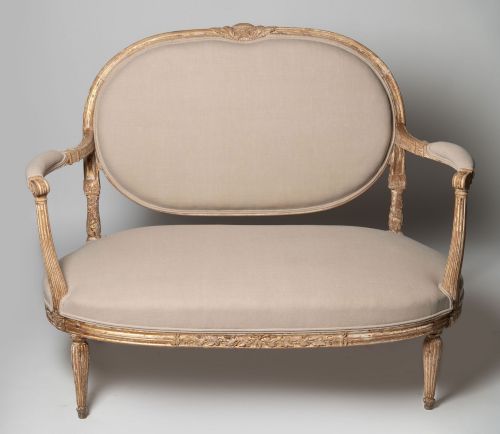
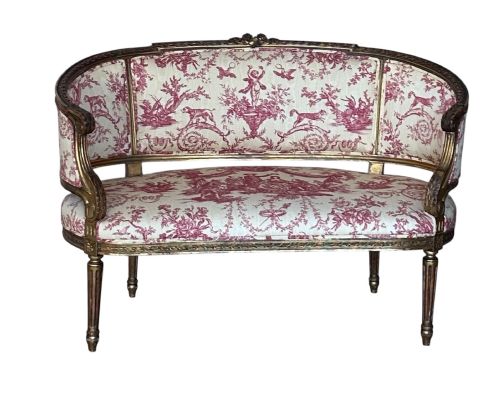
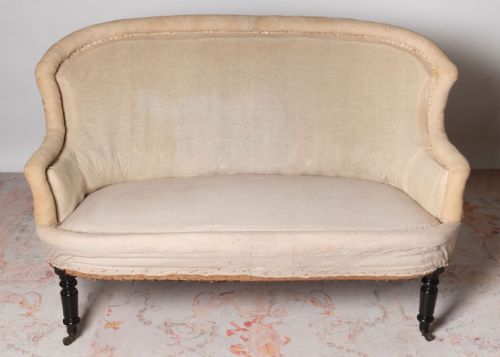
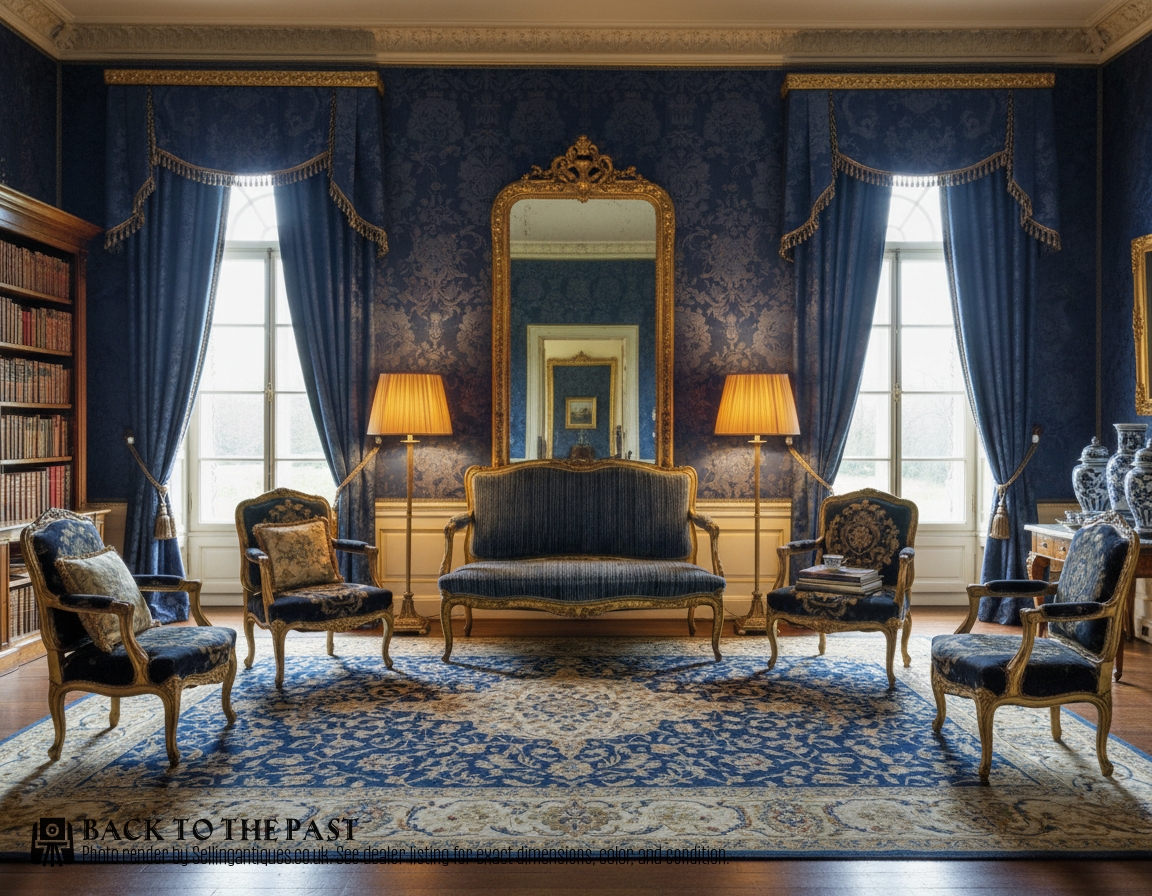
When you search for an antique french loveseat, you encounter compact two-seat settees, canapés, and small sofas designed for two occupants. The pieces available here span the nineteenth century into the early twentieth century, taking forms such as the Louis XV style, Louis XVI design, Napoleon III, and French Provincial.
Most examples you meet on this page originate from nineteenth-century workshops, alongside pieces dated around nineteen-ten or nineteen-hundred. They appear in diverse formats including giltwood frames, painted woodwork, cane-backed couches, and upholstered parlor seats.
How they were made
Frames rely on timbers such as walnut, fruitwood, and mahogany, shaped through traditional carving techniques. Giltwood and painted finishes frequently decorate the exposed woodwork.
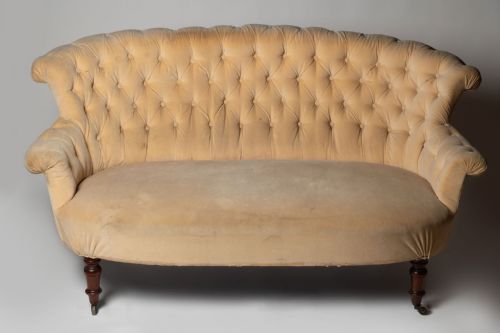
Seating and backs utilise textile upholstery, velvet, buttoned padding, and woven cane panels supported by brass and wooden structural elements.
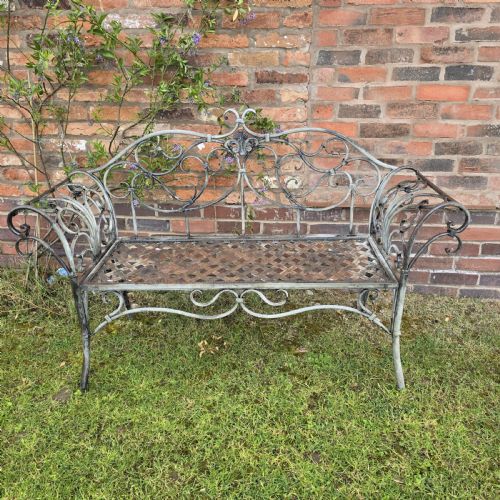
Materials recorded across the inventory encompass cane, brass, velvet, and fruitwood, applied to both indoor settees and outdoor garden benches.
What varies in quality
The refinement of the carved woodwork and the crispness of the giltwood or painted surface set finer pieces apart from simpler frames. Subtle details like fluted legs and carved walnut relief distinguish the upper tier of seats.
The integrity of the structural frame and the execution of the canework or upholstery foundation govern the longevity and overall finish of each settee.
The Antique French Loveseat Glossary
- Canapé
- A traditional French sofa or settee featuring an upholstered seat and back within an exposed wooden frame. These pieces often reflect the curved lines of the Louis XV style.
- Giltwood
- Timber treated with gold leaf or gilt finish to create a brilliant decorative surface. This treatment appears frequently on formal nineteenth-century salon seating.
- Bergère settee
- An upholstered double seat enclosed with solid wooden sides and a padded back. The style provides a deep, enclosed seating area.
- Directoire
- A transitional design style characterised by cleaner classical lines and restraint following the eighteenth-century rococo excesses. Pieces from this period often display fruitwood frames and simpler geometric forms.
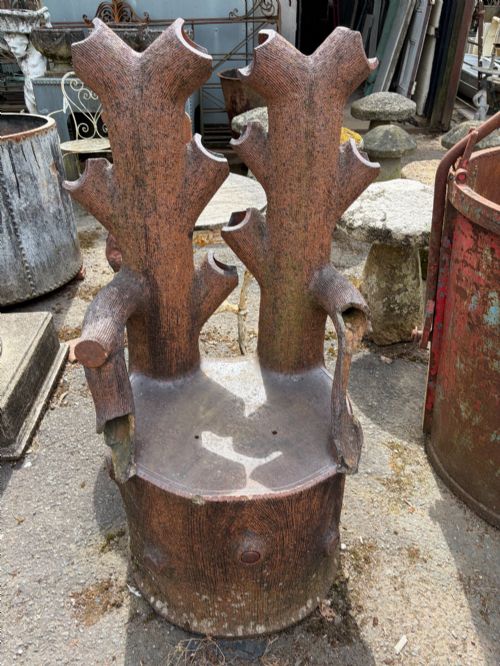
- Faux bois
- Simulated wood grain painted or sculpted onto a hard surface to mimic natural timber. It appears on garden seats and rustic nineteenth-century pieces.
Antique French Loveseat: Frequently Asked Questions
What is the difference between a canapé and a settee?
A canapé specifically denotes a formal French-style sofa with an exposed carved or gilt wooden frame and upholstered components. Settee serves as a broader term for any medium-length seat designed for two or more people.
Both terms frequently describe the compact two-seat furniture listed within these continental styles.
How were these loveseats used historically?
These compact seats functioned as intimate drawing-room or salon furniture where couples or small groups gathered for conversation. Their reduced proportions suited them for smaller reception spaces.
They also served decorative roles in formal bedchambers and boudoirs during the nineteenth century.
Can I place an antique loveseat in a modern room?
These pieces integrate well into contemporary interiors by providing a contrasting focal point against minimalist decor. Their ornate woodwork and upholstered textiles soften modern architectural lines.
Placing them in living spaces or bedrooms offers both functional seating and historical character.
How do I care for cane panels on antique seats?
Keep cane work clean using a soft brush and avoid exposing the natural plant fibres to excessive dryness or direct heat. Maintaining moderate humidity prevents the material from becoming brittle over time.
Gentle treatment preserves the original woven structure of cane-backed couches and settee panels.