


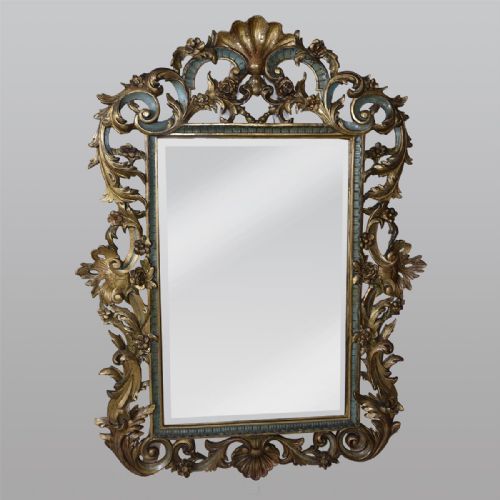


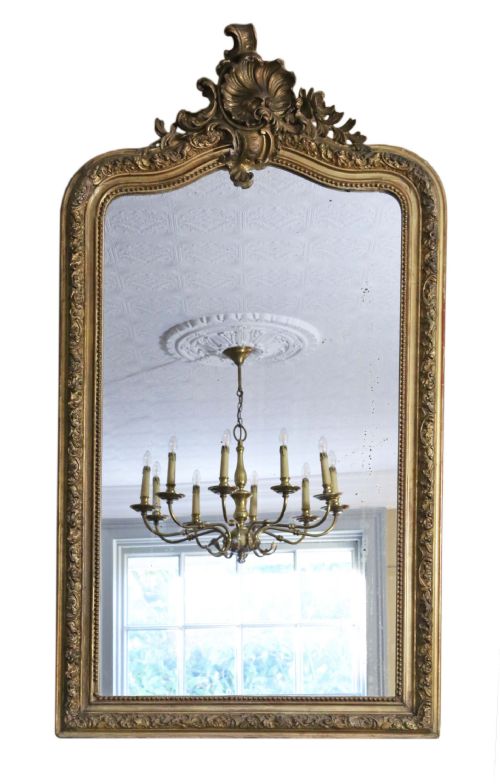
Gilded Shell Wall Mirror
These gilded shell wall mirror pieces bring unmistakable presence to a room, offering striking reflective depth and ornate decorative framing.
Gilded Shell Wall Mirror
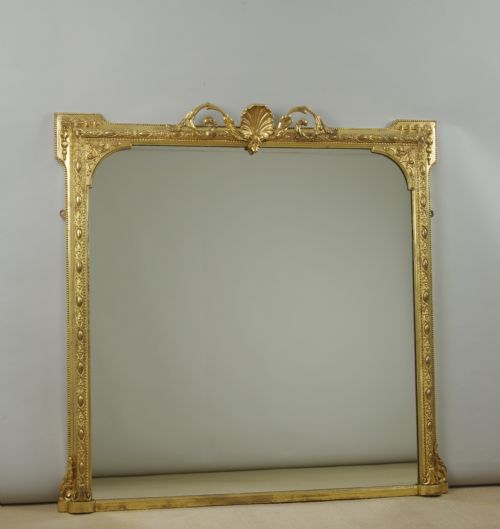
A gilded shell wall mirror brings striking reflective depth and ornate framing to an interior space. When searching for a gilded shell wall mirror, buyers encounter wall mirrors, overmantel mirrors, and pier mirrors originating from various periods.
The selection ranges from 17th century baroque pieces through 18th century george i and george ii walnut and gilt designs to later victorian, 19th century, and 1920 examples. Makers and artisans utilised styles including queen anne, french chateau, rococo revival, and louis xvi.
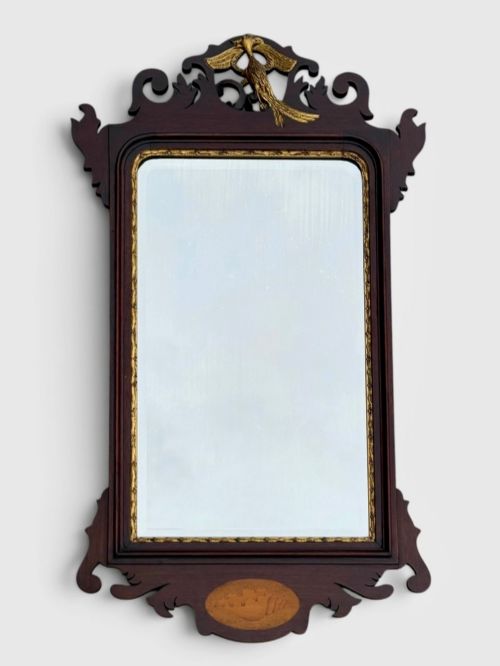
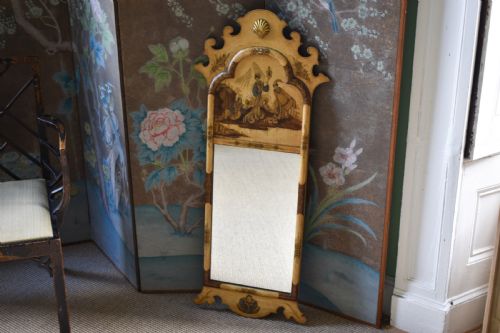
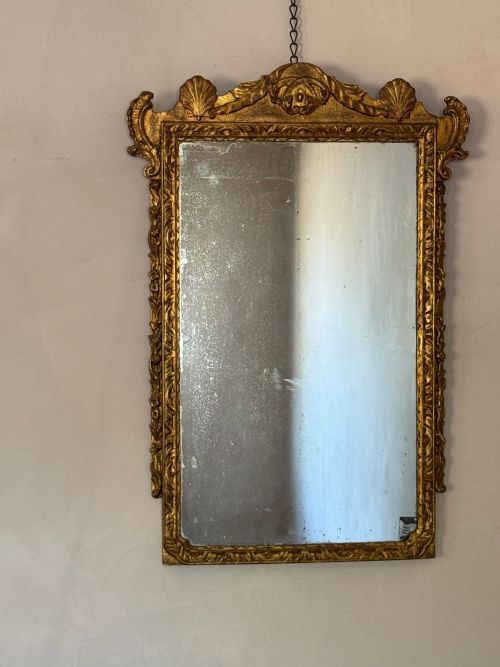
Many examples incorporate decorative shell motifs within carved frames, alongside mahogany, burr walnut, and parcel gilt constructions. These pieces function both as practical reflective surfaces and significant decorative focal points.
How They Were Made
Craftsmen built the structural foundations of these frames using timber such as mahogany, walnut, and burr walnut, often shaping them into fretwork or carved configurations. Gesso was then applied to the wooden base to create a smooth, prepared surface for subsequent ornamentation.
Gold leaf and giltwood finishes were meticulously applied over the gesso ground to achieve the characteristic metallic sheen seen on baroque, rococo revival, and french louis xvi style frames. Mirror glass, including bevelled plates and triple plate configurations, was fitted securely into the finished wooden structures.
Current listings feature mirrors spanning from the 17th century to the 1920s, constructed in walnut, mahogany, giltwood, and gesso.
What Varies in Quality
The refinement of the carving distinguishes superior frames, particularly where intricate elements like shell motifs and fretwork show sharp, deliberate execution rather than softened detail. The application of gold leaf and the preservation of the underlying gesso and giltwood directly influence the visual richness of the surface.
The quality of the timber, whether walnut, burr walnut, or mahogany, contributes to the structural integrity and aesthetic weight of the piece. Additionally, the clarity, age, and preservation of the original mirror glass or bevelled plates affect the overall character of the object.
The Gilded Shell Wall Mirror Glossary
- Giltwood
- Timber that has been decorated with gold leaf or a gold-coloured metallic finish. This technique provides a durable and reflective surface characteristic of many antique mirrors.
- Gesso
- A plaster-like mixture applied to wooden frames as a base for gilding. It creates a smooth surface capable of holding crisp carved details.
- Overmantel mirror
- A large wall mirror designed specifically to hang above a fireplace mantelpiece. These pieces often feature wide horizontal proportions and ornate framing.
- Fretwork
- Openwork ornamentation carved in low relief from wood. This technique creates intricate geometric or flowing patterns within mirror frames.
Gilded Shell Wall Mirror: Frequently Asked Questions
Where should I hang a wall mirror?
These mirrors function effectively above fireplace mantels, in hallways, or on feature walls where they can reflect light and open up interior spaces.
Consider the scale of the wall and surrounding furniture to ensure the piece commands the room appropriately without overwhelming the space.
How do I care for giltwood frames?
Dust the carved surfaces gently with a soft, dry brush to prevent the accumulation of dirt without disturbing the gold leaf. Avoid using liquid cleaners or chemical polishes, as moisture and harsh substances can damage the delicate gesso and gilding underneath.
Keep the mirrors away from direct sunlight and excessive humidity to protect both the wooden substrate and the reflective glass plate over time.
What is an overmantel mirror?
An overmantel mirror is a large format glass piece traditionally manufactured to sit directly above a fireplace opening. They often feature substantial frames designed to anchor the architectural proportions of a reception room.
These mirrors vary from landscape orientations to tall rectangular formats, frequently incorporating ornate crestings or decorative motifs at the top.
How do I identify a walnut mirror?
Walnut frames display a rich, deep brown grain pattern that distinguishes them from mahogany or gilt-only structures. Many early examples combine this figured timber with parcel gilt accents to highlight carved details.
Examining the construction of the wooden backboards and joinery helps determine the period and regional origin of the piece.