
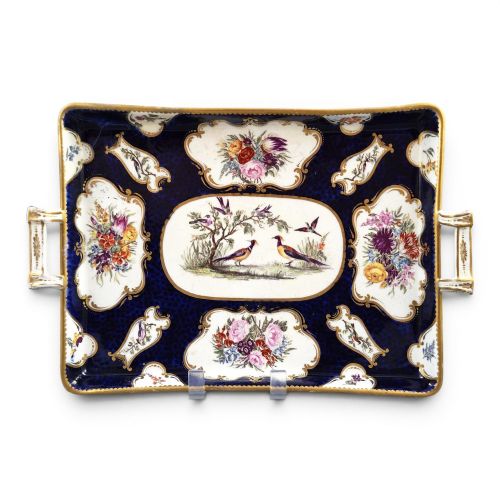
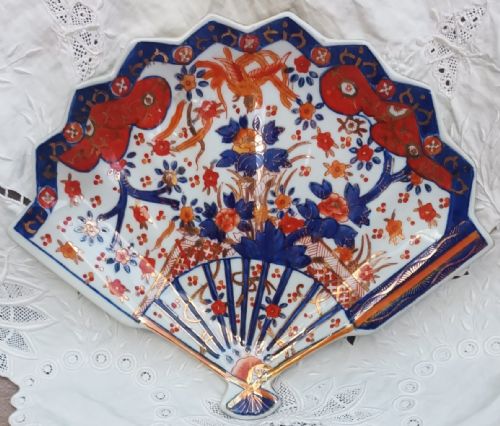
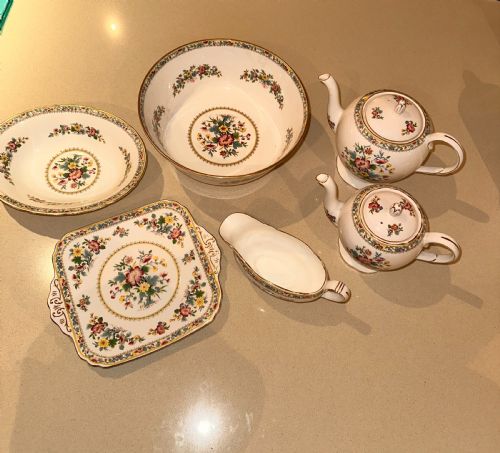


Gilded Porcelain Serving Platter
These items of gilded porcelain serving platter tableware bring centuries of craftsmanship and painted detail directly to the table.
Gilded Porcelain Serving Platter
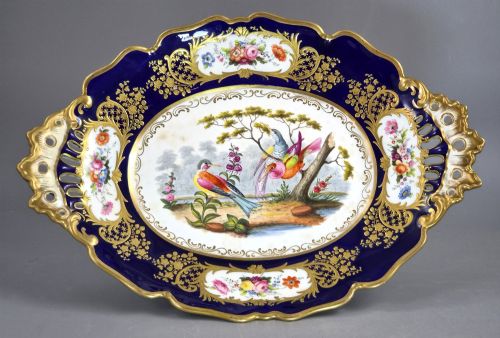
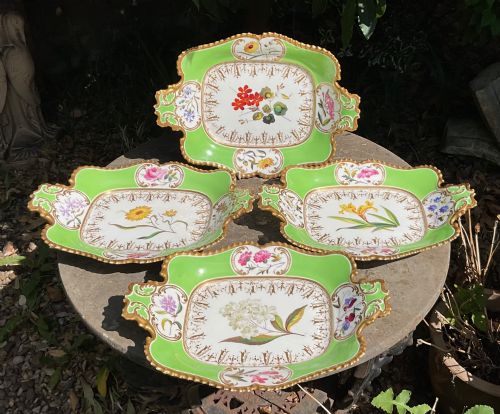
A gilded porcelain serving platter functions as both a grand table centrepiece and a functional vessel for presenting food, emerging from eras like the eighteenth and nineteenth centuries in various forms. Buyers examining this page encounter everything from oval dessert dishes and large chargers to twin-handled serving trays shaped by traditional English, Regency, and Victorian aesthetics.
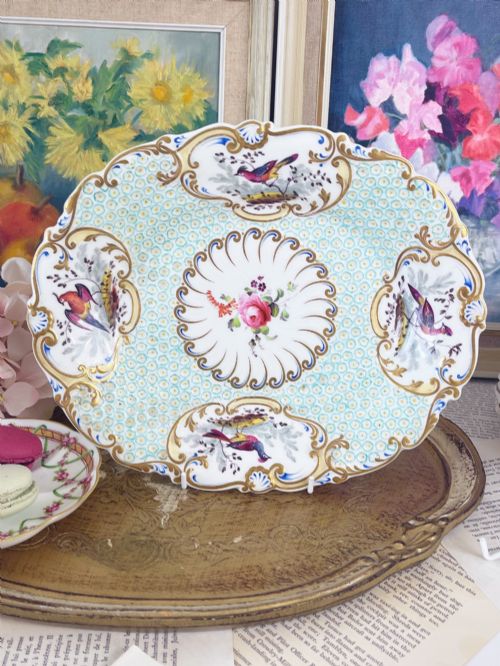
The objects span diverse cultural workshops, including historic European factories and Meiji period Japanese kilns, offering varied interpretations of decorative serving plates. Traditional English manufactories and continental makers dominate the selection, often rendering botanical, avian, or figural motifs framed in heavy gold leaf.
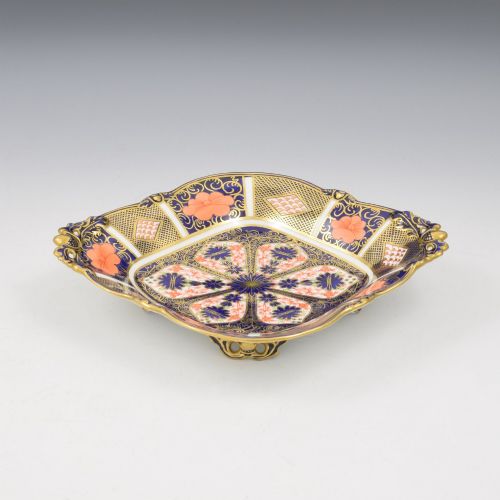
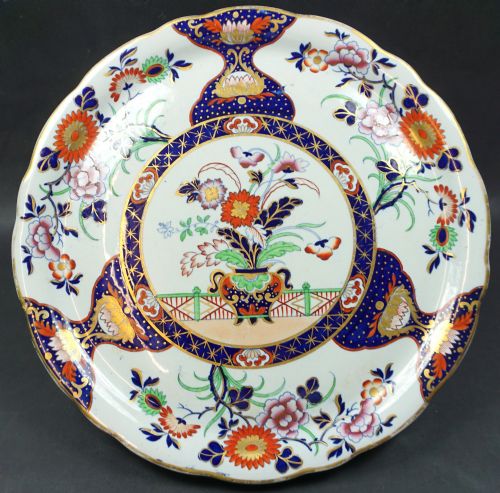
Many of these serving dishes reflect specific stylistic revivals such as Rococo and Japanese Imari, showing how different periods adapted earlier artistic traditions. Whether configured as a single cabinet dish or part of a larger service, each platter displays the enduring appeal of ceramic art finished with metallic embellishment.
How they were made
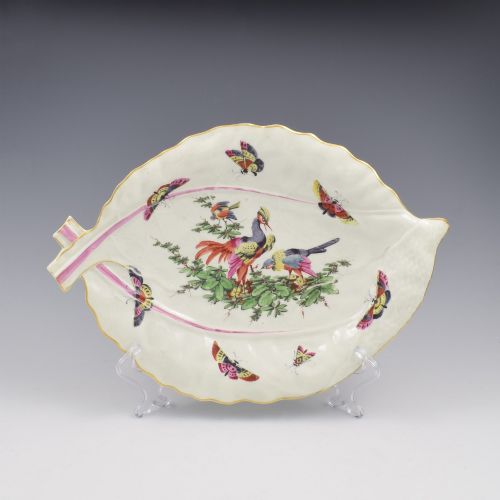
Potters shaped these objects using porcelain, bone china, and earthenware, often moulding them into intricate leaf contours or geometric trays before initial firing. Artisans then applied enamel colours by hand, painting complex scenes of birds, flowers, or classical figures directly onto the ceramic body.
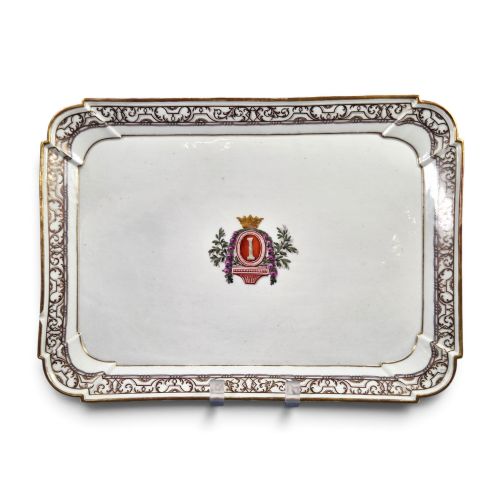
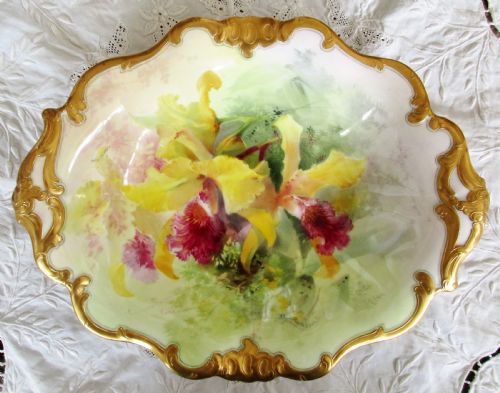
Makers finished the pieces by applying gold leaf, liquid gilding, or gilt accents along the rims and borders, which were subsequently fixed in a low-temperature kiln. This combination of hand-painting and metallic application required precise temperature control to ensure the gold adhered permanently to the glazed porcelain surface.
Materials recorded across the inventory include bone china, earthenware, enamel, and gold leaf applied to glazed ceramic bodies.
What varies in quality
The standard of hand-painting dictates much of the distinction between ordinary production wares and exceptional pieces, particularly where artists rendered detailed botanical specimens, exotic birds, or mythological figures. Crisp brushwork and nuanced colour blending separate master-painted items from quicker, repetitive factory decoration.
The precision and preservation of the gilding also determine the overall standard, as heavier applications of gold leaf retain their brilliance better than thin washes that have rubbed away through centuries of handling. Additionally, the crispness of moulded details in shapes like leaf dishes reveals the skill involved in the original ceramic casting.
Royal Crown Derby·H & R Daniel·Dr Wall Worcester·Ludwigsburg Porcelain·Coalport·Chamberlains Worcester·Hicks & Meigh·Royal Doulton·Carlton Ware·Mintons·Sevres·Spode·Vienna·KPM·Barr Flight And Barr·Meissen·Royal Worcester·Ridgway
The Gilded Porcelain Serving Platter Glossary
- Gilding
- The application of gold leaf or powdered gold to the surface of porcelain. This technique enhances decorative borders and highlights moulded ceramic reliefs.
- Imari
- A style of Japanese porcelain featuring a distinctive palette of underglaze blue, iron red, and gold. European factories frequently copied these vibrant patterns during the eighteenth and nineteenth centuries.
- Bone china
- A type of porcelain incorporating animal bone ash, resulting in a strong, slightly translucent ceramic body. It became a staple material for fine English tableware production.
- Enamel
- Opaque or translucent glass-like material fused to the ceramic surface during firing to provide colour. Artisans use enamel pigments for detailed hand-painted motifs.
- Charger
- A large decorative plate or platter used primarily for presentation or serving communal dishes. These substantial pieces often display the most ambitious painted scenes in a service.
Gilded Porcelain Serving Platter: Frequently Asked Questions
What is a gilded porcelain serving platter?
A gilded porcelain serving platter is a decorative ceramic tray or dish embellished with gold leaf or metallic paint, historically used for presenting food at formal meals.
These pieces combine functional tableware design with detailed hand-painted artwork, making them suitable for both display and occasional service.
How can I tell the period of a platter?
Determining the period involves examining factory backstamps, ceramic body composition, and stylistic clues such as colour palettes and moulding techniques. Reference marks catalogued from specific eras help narrow down the date of manufacture.
Stylistic shifts, from the delicate hand-painted birds of the Georgian era to the bolder patterns of the Victorian period, also provide reliable chronological markers.
Were these platters used daily?
Most antique serving platters of this quality were reserved for special occasions, formal dining, or display within cabinet collections rather than everyday meals. Their survival in good condition often reflects this careful domestic use.
Larger chargers and decorative dishes frequently served as centrepieces on dining tables or sideboards during the eighteenth and nineteenth centuries.