



Oval Porcelain Tray
An oval porcelain tray brings refined service to a table, combining durable ceramic bodies with hand-painted details from the eighteenth and nineteenth centuries.
Oval Porcelain Tray
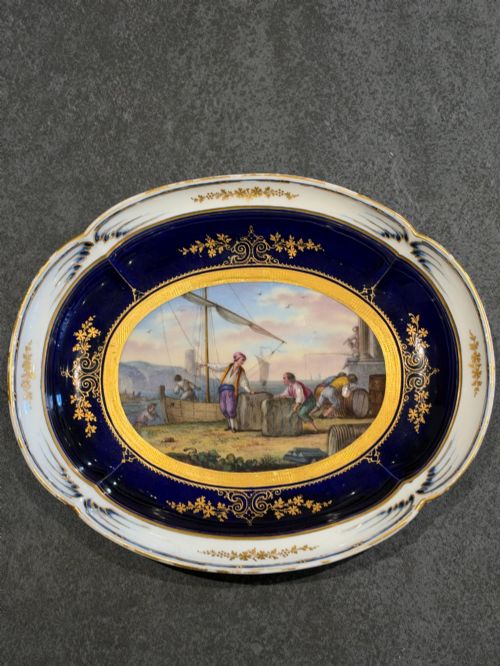
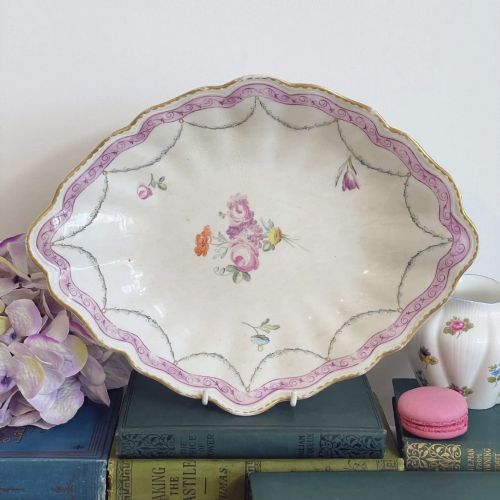
An oval porcelain tray takes many forms across the centuries, appearing primarily as serving dishes, decorative dishes, and serving platters. Buyers browsing an oval porcelain tray encounter a range of historic pieces spanning the eighteenth century through to the early twentieth century.
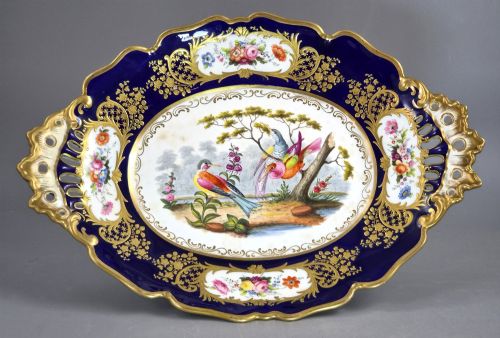
The selection includes traditional English factories, Continental decorative works, and Chinese export pieces. Most examples display hand-painted floral motifs, birds, or scenic panels set against white or coloured grounds.
Materials and manufacture
Potters shaped these pieces from fine porcelain and bone china, often applying a smooth glaze before firing. Artisans then added detailed hand-painted polychrome decoration, cobalt blue accents, and enamel work.
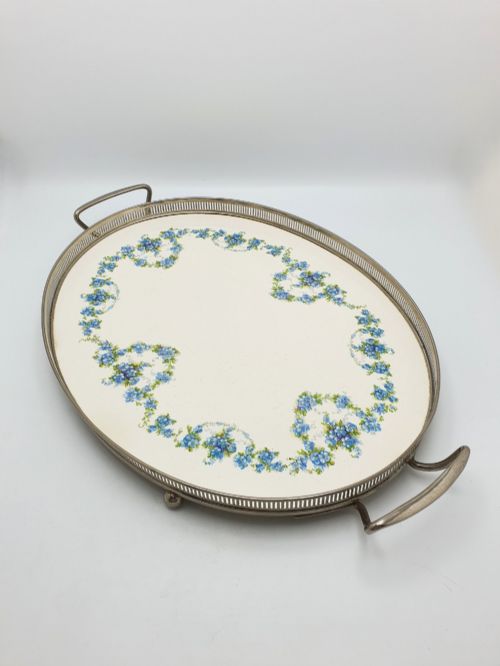
Many items incorporate gold leaf and gilding to highlight moulded borders and rims. Certain serving pieces also feature complementary metal mounts or silver plate components.
Oval Porcelain Tray Retail Price Guide 2026
Typical asking prices for oval porcelain tray among the pieces listed under this phrase on Sellingantiques today, from the lower quarter to the upper quarter. They describe what is for sale here now, not the wider market.
Several trays hide intricate blue floral centres beneath unexpected arrangements of hand-painted fancy birds and fruit bouquets.
Quality and execution
The excellence of an oval porcelain tray rests upon the precision of its hand-painted brushwork and the clarity of its ceramic body. Finer pieces demonstrate superior control in polychrome floral details and delicate gilding.
The reputation of the manufactory also influences distinction, with established historic works achieving cleaner forms and more durable glaze finishes. Pieces attributed to notable makers display a higher artistic standard in their central scenes and decorative borders.
Herend·Derby·Coalport·Samson Paris·Royal Worcester·Barr Flight And Barr·Sevres·Royal Crown Derby·Meissen
The Oval Porcelain Tray Glossary
- Polychrome
- Decoration executed in multiple colours. This technique allows for complex floral sprays and detailed scenic panels.
- Cobalt blue
- A deep blue pigment used under the glaze for borders and central motifs. It remains stable at high firing temperatures.
- Gilding
- The application of gold leaf or gold paint to ceramic surfaces. It accentuates rims, handles, and moulded edges.
- Bone china
- A type of porcelain incorporating bone ash. It produces a strong, slightly translucent ceramic body.
- Bleu céleste
- A bright sky blue ground colour popular in European porcelain decoration. It often frames hand-painted figurative scenes.
Oval Porcelain Tray: Frequently Asked Questions
How were they used?
These pieces served practical functions at dining tables for presenting fruit, fish, and desserts. They also acted as decorative dishes for display within a formal interior.
Over time, their role shifted from active dining service to collectible decorative items appreciated for their painted artistry.
How do I clean an oval porcelain tray?
Wash the item gently by hand using lukewarm water and mild soap. Avoid abrasive sponges or harsh detergents that can damage delicate enamel and gilding.
Dry the piece thoroughly with a soft cloth immediately after washing to protect the historic surface.
Are these items suitable for daily use?
Historic porcelain requires careful handling due to its age and delicate hand-painted decoration. Frequent use may wear down the original gold leaf and enamel details.
Collectors generally reserve these pieces for display or light occasional service rather than everyday dining.
How can I tell periods apart?
Examine the style of painting, the colour palette, and any factory marks stamped or painted on the underside. Eighteenth-century pieces often feature hand-painted underglaze blue marks and simpler floral arrangements.
Nineteenth- and early twentieth-century examples frequently display richer polychrome enamels, heavier gilding, and impressed or printed maker ciphers.