
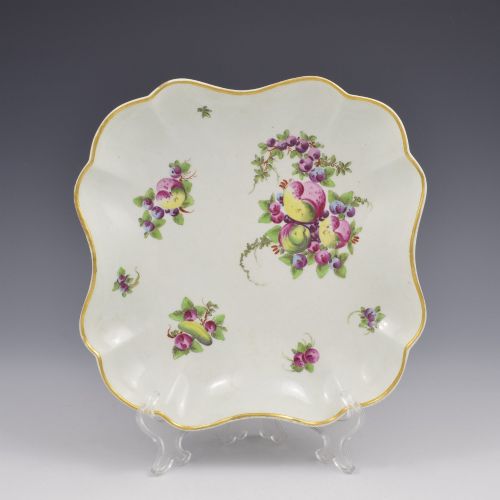
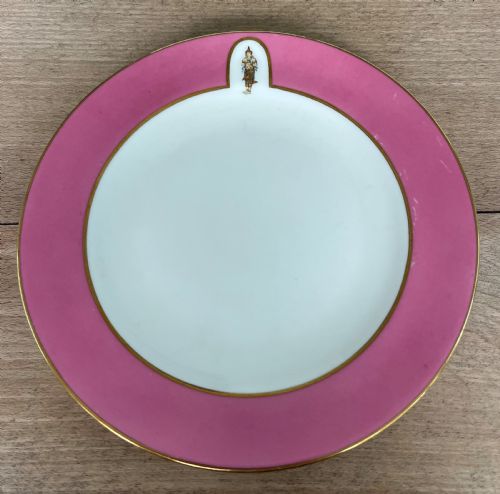


Gilded Porcelain Dessert Plate
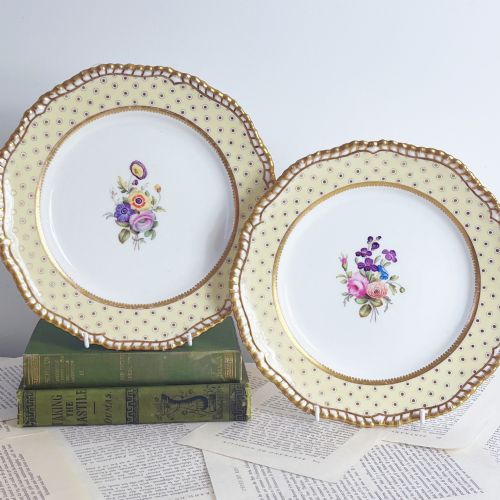
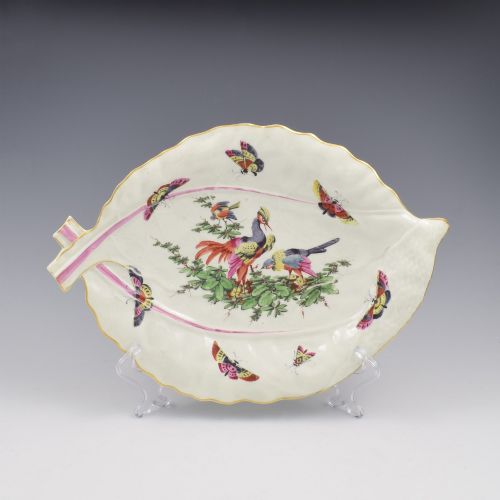
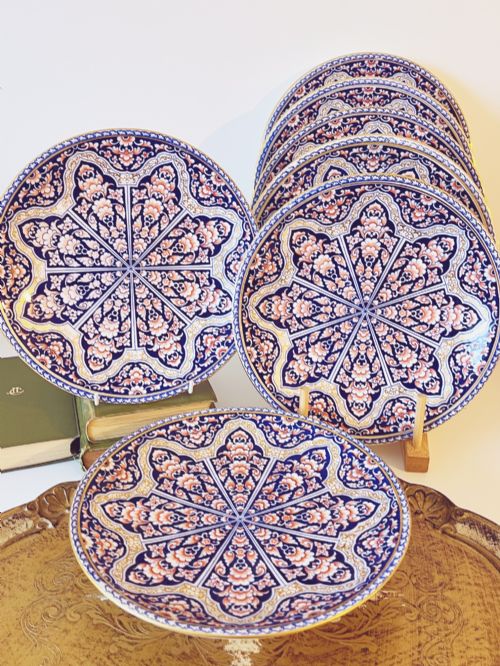
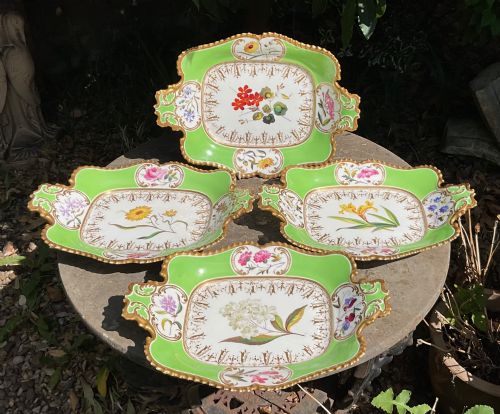
These gilded porcelain dessert plate examples bring nineteenth-century dining tables to life with rich hand-painted motifs and gold leaf.
Gilded Porcelain Dessert Plate
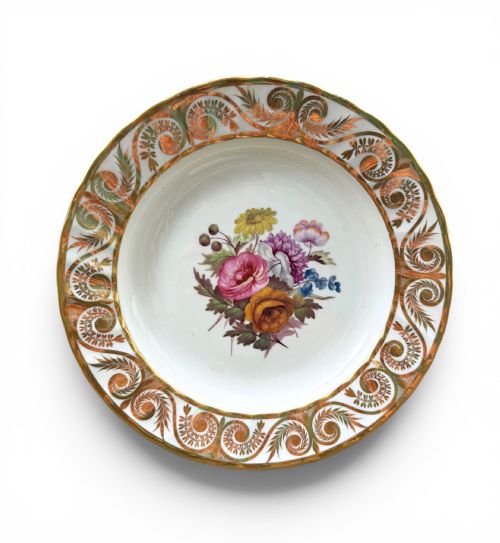
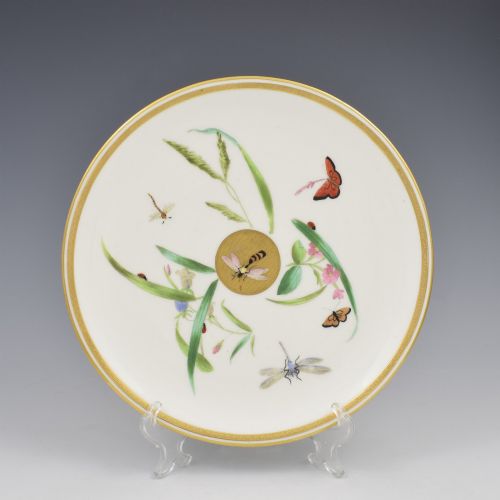
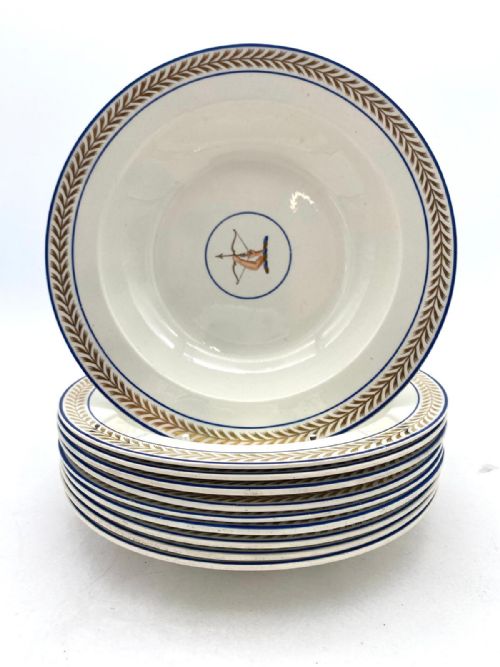
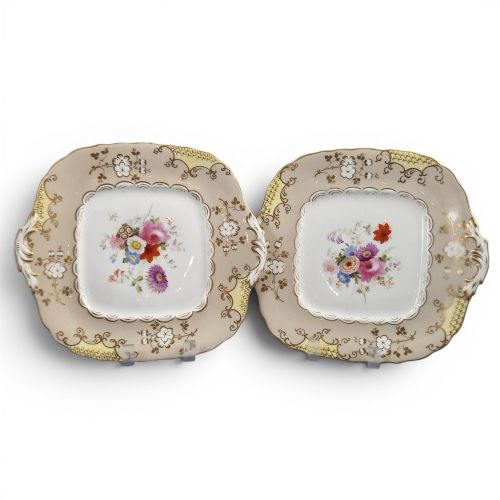
A gilded porcelain dessert plate forms part of a formal nineteenth-century dining service designed for the final course of a meal. Buyers searching for a gilded porcelain dessert plate encounter individual cabinet plates, pairs, and larger matched sets originating from Georgian, Regency, and Victorian periods.
The evidence shows these pieces taking the form of botanical studies, armorial crests, topographical scenes, and Japanese-influenced designs. Most examples met here span the eighteenth and nineteenth centuries, produced by notable English factories using bone china, soft-paste porcelain, and standard porcelain.
Materials and production methods
Potters shaped porcelain and bone china bodies before applying enamel colours by hand and framing the scenes with gold leaf or gilding. Many pieces combine painted floral studies or topographical views with elaborate borders in cobalt blue, apple green, or iron red.
Kiln firing set the ceramic body and underglaze details, followed by subsequent lower-temperature firings for overglaze enamels and applied gilding. Factories frequently utilised shaped moulds to create lobed, basketweave, or scalloped rims before final hand-gilding.
Several eighteenth-century Worcester plates managed to survive centuries of post-dinner fruit peeling completely unblemished.
Differentiating quality across periods
Quality rests upon the precision of the hand-painted brushwork and the crispness of the moulded porcelain form. Fine botanical studies, detailed armorials, and named topographical views separate superior cabinet pieces from standard production ware.
The density and brilliance of the gold leaf application further distinguish the range. Skilled gilding that retains its burnished lustre without rubbing indicates higher workshop standards during the Georgian and Victorian eras.
Spode·Royal Crown Derby·Chamberlains Worcester·Minton·Coalport·Wedgwood·Flight Barr And Barr·Rockingham Pottery·Bloor Derby·Meissen·Sevres·Kerr And Binns·Masons Patent Ironstone·John Ridgway·Cauldon Ltd·Jean-Pierre Feuillet
The Gilded Porcelain Dessert Plate Glossary
- Gilding
- The application of gold leaf or powdered gold to the porcelain surface to highlight rims and borders. This decorative technique appears across Georgian, Regency, and Victorian tableware.
- Bone china
- A type of porcelain incorporating bone ash for enhanced strength and translucency. English factories frequently utilised this material for dessert services.
- Armorial
- A ceramic design featuring a family crest or coat of arms hand-painted in the centre or border. These bespoke commissions were created for landed gentry and nobility.
- Soft-paste porcelain
- An early ceramic composition fired at lower temperatures than hard-paste porcelain, creating a softer glaze appearance. Eighteenth-century factories such as Worcester produced notable examples in this medium.
- Comport
- A raised pedestal dish designed to hold fruit or sweetmeats as the centrepiece of a dessert service. Comports frequently accompany plates in larger antique sets.
Gilded Porcelain Dessert Plate: Frequently Asked Questions
What were gilded porcelain dessert plates used for?
These plates served fruit, nuts, and sweet confections during the final dessert course of formal Georgian and Victorian dinners. They were displayed on the table alongside matching comports and serving dishes.
Many wealthy households also kept them in cabinets as decorative display pieces to showcase their heraldic crests or fine painted art.
How do I date an antique dessert plate?
Dating relies on factory marks printed or painted on the reverse, alongside stylistic clues such as paste composition and border design. Georgian and Regency pieces often feature handwritten pattern numbers or crescent marks.
Later Victorian and Edwardian examples introduce impressed date ciphers, registration numbers, and more standardised maker stamps.
Can I use these plates for modern dining?
Antique porcelain dessert plates require careful hand washing to preserve delicate overglaze enamels and fragile gold leaf. Modern dishwashers and harsh detergents will quickly strip the historic gilding.
Collectors generally treat them as display items or use them strictly for occasional light serving.
What is the difference between a plate and a dish?
Plates are flat or feature shallow wells intended for individual dining use during the dessert course. Dishes often include square, lobed, or oval serving vessels designed to hold fruit or sweetmeats centrally.
Matching dessert services typically combine several individual plates with larger matching serving dishes.