

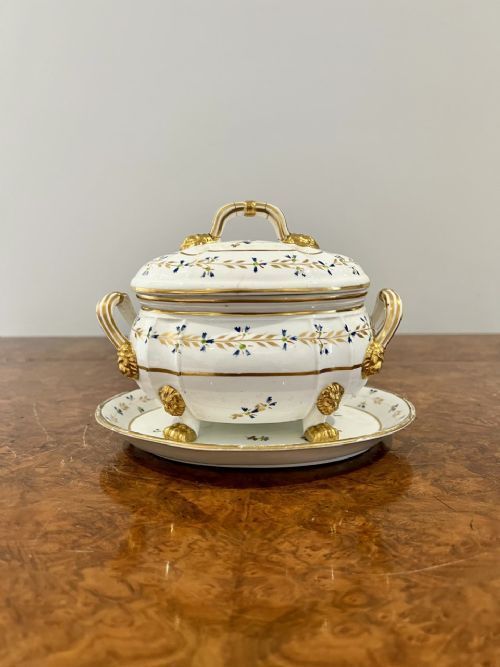
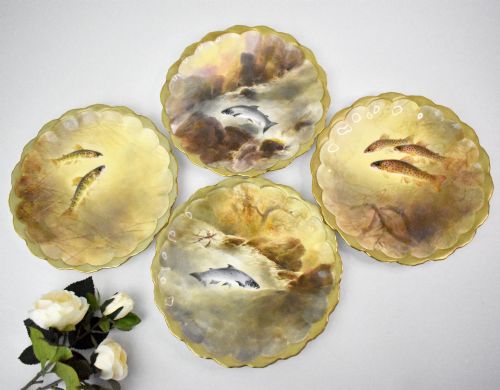

Gold Gilded Ceramic Dish
A gold gilded ceramic dish brings cabinet-level hand painting and rich metallic leaf straight to the table or display stand.
Gold Gilded Ceramic Dish
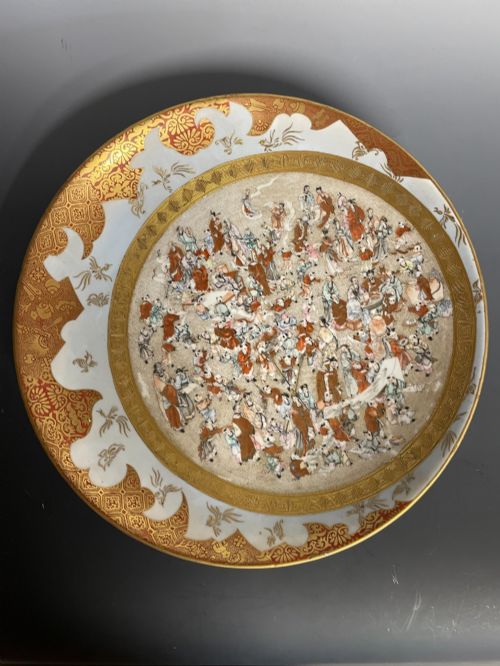
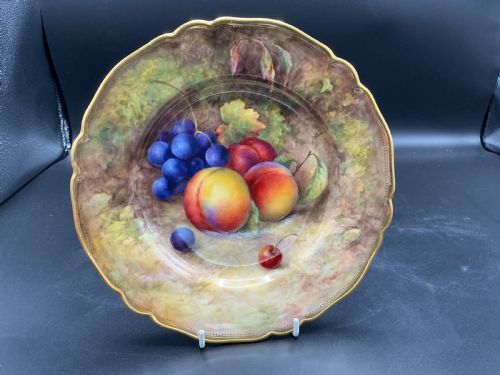
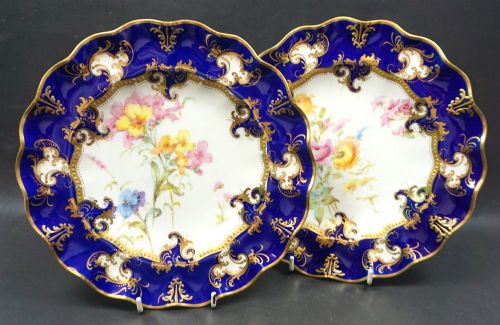
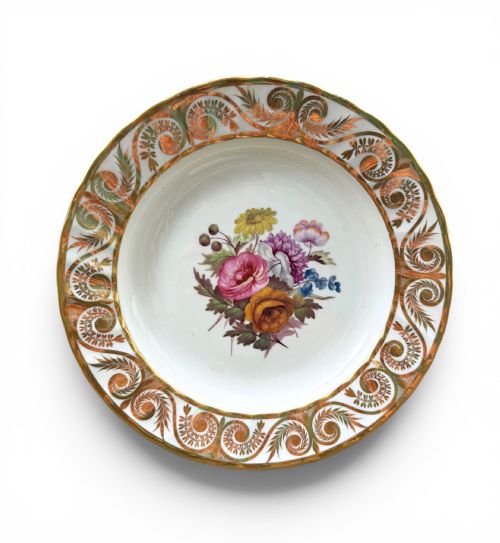
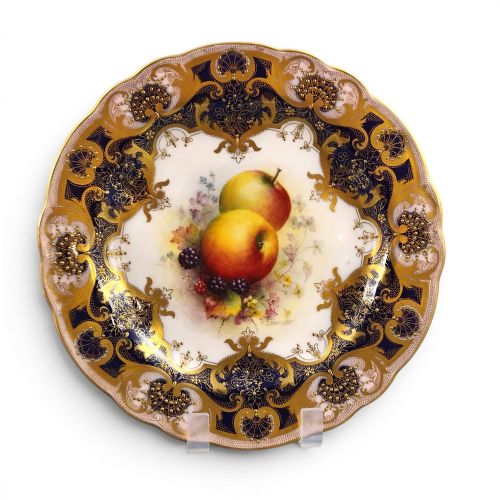
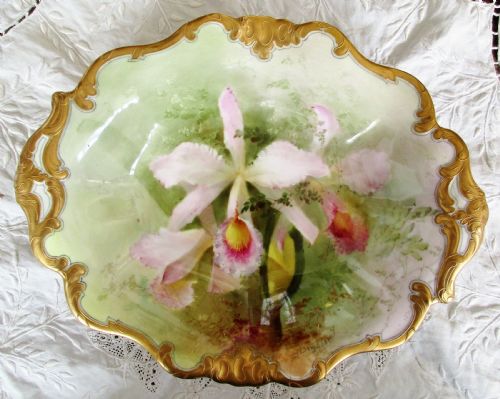
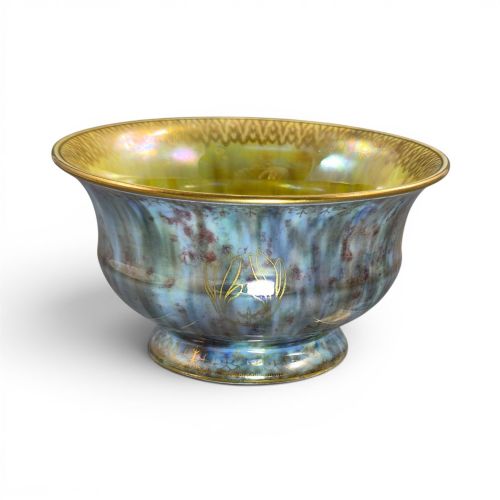
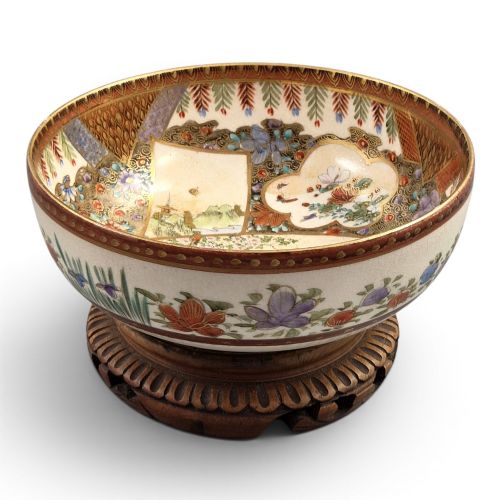
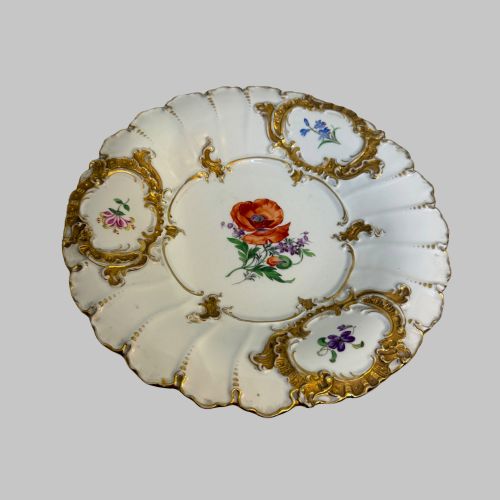
A gold gilded ceramic dish encompasses everything from 19th-century English cabinet plates and serving dishes to Japanese Satsuma and Kutani earthenware bowls from the Meiji period. You will frequently encounter botanical and fruit-painted porcelain from factories such as Royal Worcester, Derby, and Minton alongside intricate enamelled Japanese wares.
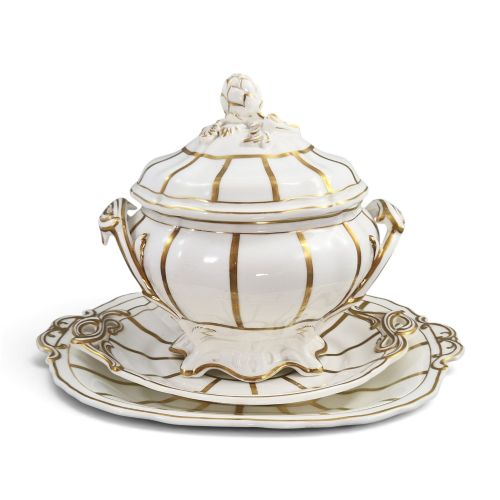
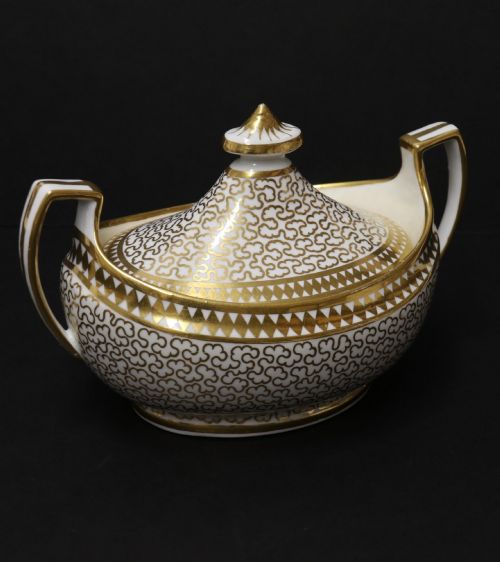
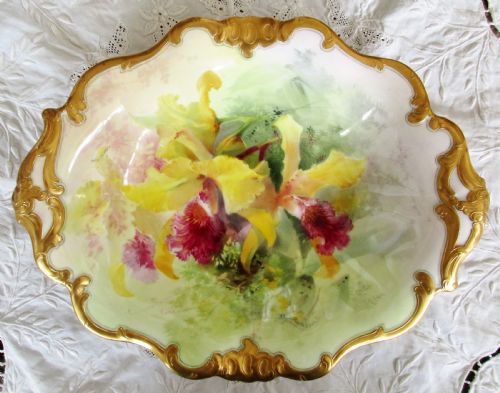
The forms range widely across decorative plates, soup dishes, tureens, sugariers, and twin-handled serving dishes made for both display and formal dining. Makers applied rich gilding and enamel highlights to porcelain and bone china bodies during the Regency, Victorian, and Edwardian eras, matching the Neoclassical, Rococo Revival, and Art Nouveau tastes of their respective decades.
How they were made
Potters shaped fine porcelain, bone china, and earthenware bodies before applying complex glazes and hand-painted scenes of fruit, flowers, and figures. Artisans then added gold leaf, gilt, and champlevé enamel highlights, firing the pieces multiple times to bond the metallic details securely to the ceramic surface.
English factories relied on skilled painters like Moses Webster, Richard Sebright, and David Dewsberry to hand-paint botanical and pictorial scenes within gilded borders. Japanese workshops during the Meiji period utilised dense enamel work and fine gold lines over Satsuma earthenware and Kutani porcelain.
Listings feature 19th-century English porcelain and earthenware alongside Japanese Meiji period Satsuma and Kutani decorative bowls.
What varies in quality
Quality rests primarily on the precision and artistry of the hand-painted decoration rather than the ceramic body alone. Pieces featuring signed work by notable artists display far superior brushwork, depth of colour, and compositional balance than standard factory output.
Royal Worcester·Royal Doulton·Crown Derby·Meissen·Wedgwood·Minton
The Gold Gilded Ceramic Dish Glossary
- Cabinet plate
- A decorative ceramic plate intended strictly for display in a cabinet rather than for serving food at the table. These examples often feature elaborate hand-painted scenes and rich gilding.
- Gilding
- The application of gold leaf, gold dust, or gold paint to the surface of a ceramic dish for decorative effect. Burnished versions can be polished to a bright, reflective shine.
- Satsuma ware
- A type of Japanese earthenware originating from the Satsuma province, characterised by a ivory-coloured, crackle-glazed body heavily decorated with enamels and gold. It became immensely popular in the West during the Meiji period.
- Sucrier
- A small covered sugar bowl designed to match a tea or dessert set. These pieces frequently incorporate twin handles and matching stands.
- Meiji period
- The era of Japanese history lasting from 1868 to 1912, noted for highly detailed decorative arts exported widely to Europe and America.
Gold Gilded Ceramic Dish: Frequently Asked Questions
How do I display a cabinet plate?
Cabinet plates look best mounted securely on specialised wall hangers or displayed upright in glass-fronted cabinets where light catches the gilding. Ensure the display method supports the weight of the ceramic safely without putting pressure on painted edges.
Keep them away from direct sunlight to preserve the vibrant enamel colours and prevent any degradation of the painted scenes over long periods.
Can I use these dishes for serving food?
Most antique decorative dishes and plates are best reserved for display rather than daily dining. Historic glazes and delicate gold leaf can wear down or flake when exposed to modern cutlery and frequent washing.
If you do use serving dishes or tureens for special occasions, wash them by hand gently in lukewarm water without abrasive scouring pads.
What is the best way to clean gilded ceramics?
Dust these pieces regularly with a soft, dry feather duster or a clean microfiber cloth to prevent buildup. Avoid chemical cleaners, harsh detergents, and soaking, as these can permanently dull or lift the gold leaf and enamel.
If washing is necessary, use a damp cloth with mild soap on the ceramic surface only, taking care around any painted signatures or gilt rims.