


Decorative Green Wall Dish
A decorative green wall dish brings rich colour and craftsmanship to an interior, drawing the eye instantly with glazed ceramic, enamel, or porcelain.
Decorative Green Wall Dish
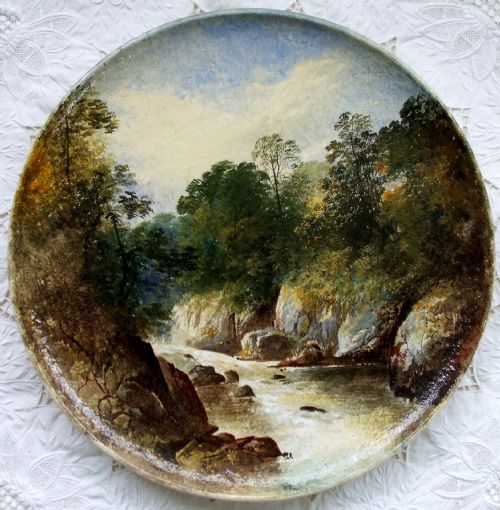
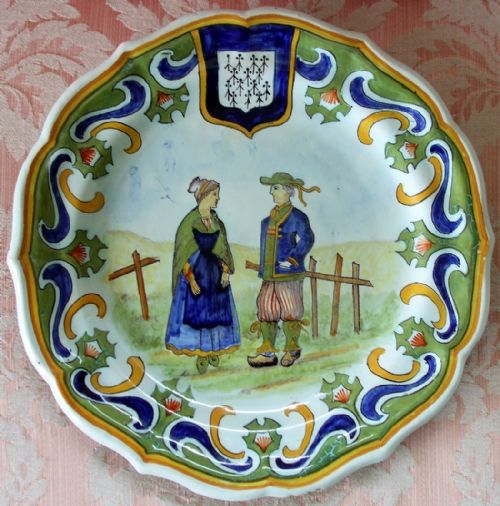
A decorative green wall dish encompasses large chargers, painted plaques, and cabinet plates designed primarily for display rather than dining. When exploring a decorative green wall dish, you encounter sizeable Japanese cloisonne enamel works alongside English pottery plaques and French faience.
The selections span distinct periods ranging from late nineteenth-century Meiji examples to Georgian porcelain and early twentieth-century art pottery. Japanese works frequently depict birds, mountaintop scenes, or dragons, whereas European variants often showcase botanical motifs or landscape views.
How they were made
Many pieces rely on cloisonne enamel on copper or brass foundations, where delicate wire partitions contain vibrant coloured pastes fired in kilns. Other examples employ earthenware and porcelain bodies finished with rich glaze layers or hand-painted details.
Techniques range from high-fired art pottery glazes to intricate overglaze enamelling and hand painting executed by specialist ceramic artists. The integration of gilt accents and detailed wirework demonstrates advanced workshop proficiency.
The selection includes Japanese cloisonne, French faience, and English pottery plaques decorated with landscapes and botanical studies.
What varies in quality
The refinement of the surface decoration and the precision of the enamel work dictate the standing of an individual piece. Finer examples display meticulous control over line and colour saturation, particularly within complex avian or figurative motifs.
Signatures by recognised makers or studios elevate certain chargers and plaques above standard production items. The structural integrity of the metal base or ceramic body, alongside the depth of the glaze, distinguishes superior craftsmanship.
Copeland Pottery·Minton Porcelain·Salviati Venice·William Yale
The Decorative Green Wall Dish Glossary
- Cloisonne
- Enamelwork in which thin metal wires are applied to a metal base to form compartments filled with coloured paste. This technique creates intricate patterns defined by fine metallic outlines.
- Charger
- A large ornamental plate historically used for ceremonial purposes or dramatic wall display. These substantial vessels provide a wide canvas for pictorial and geometric designs.
- Faience
- Tin-glazed earthenware produced in France and other European regions. The opaque white or tinted glaze accepts painted decoration with striking clarity.
- Imari
- Japanese porcelain decorated in underglaze blue, iron red, and gilt. This distinctive palette yields a vibrant, high-contrast appearance.
- Totai Shippo
- Cloisonne enamel applied over a woven bamboo or organic core rather than solid metal. This specialised method produces unusual textured surfaces resembling tree bark.
Decorative Green Wall Dish: Frequently Asked Questions
How do I hang a heavy charger safely?
Large chargers require robust wall brackets or spring-loaded brass hangers designed to distribute weight evenly across the rim. Ensure the fixture anchors securely into wall studs rather than plaster alone.
Verify that the chosen hardware accommodates the precise depth and diameter of the dish without putting undue pressure on the glazed surface or enamel edge.
What distinguishes Japanese cloisonne from European pottery?
Japanese cloisonne utilises wire partitions on copper or brass bases to contain vitreous enamels, depicting subjects like phoenixes and Mount Fuji. European pieces typically feature earthenware or porcelain decorated with painted glazes.
The tactile qualities differ significantly, with enamel works presenting metallic grids and ceramic plaques offering smooth, painted glaze finishes.
How should I clean these wall dishes?
Dust enamel and ceramic surfaces gently using a soft, dry microfiber cloth to prevent abrasion. Avoid liquid cleaners or immersion, particularly on pieces with exposed metal wires or delicate overglaze painting.
Regular maintenance prevents particulate buildup in recessed areas without risking chemical interaction with historic glazes or pigments.
Are these dishes meant for serving food?
The majority of these items function strictly as wall plaques and decorative chargers intended for visual appreciation. Their manufacturing methods, historical significance, and display formats prioritize aesthetic presentation over utility.
Using antique enameled or high-fired art pottery for dining risks damaging fragile surfaces, historic glazes, and signed decoration.