
Gilded Porcelain Cup
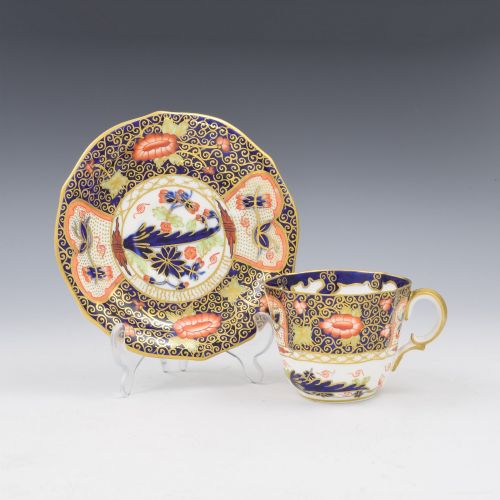
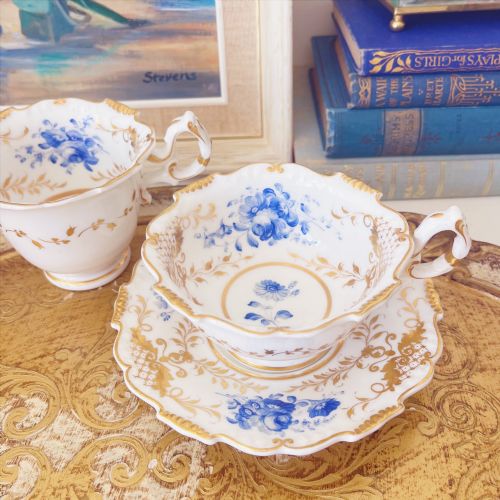
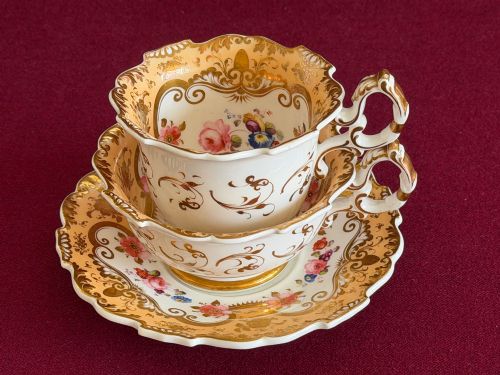
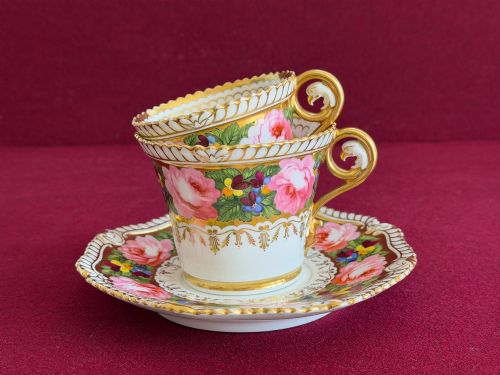
When you search for a gilded porcelain cup, you are looking at centuries of luminous gold leaf applied to fine ceramic forms.
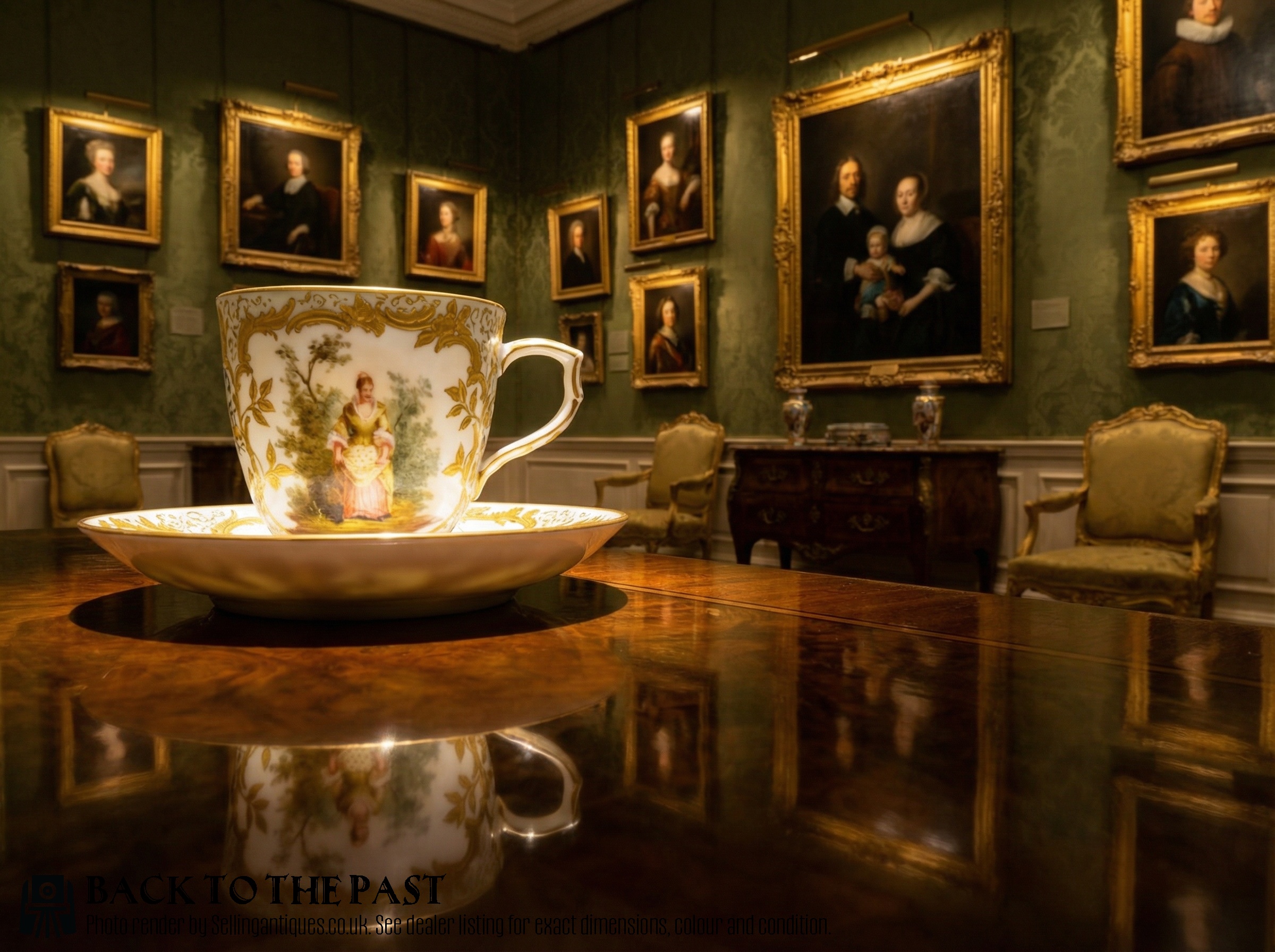
Gilded Porcelain Cup
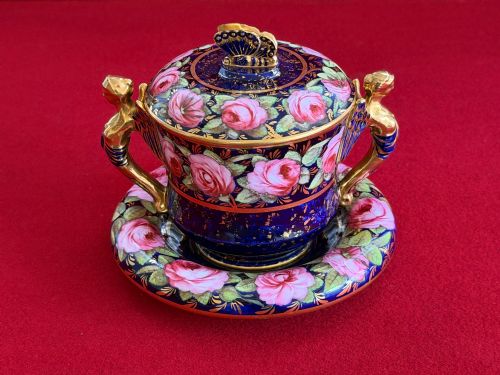
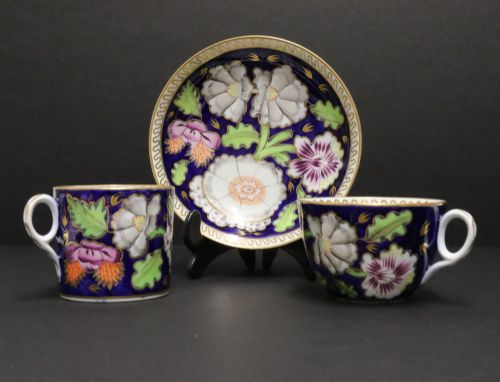
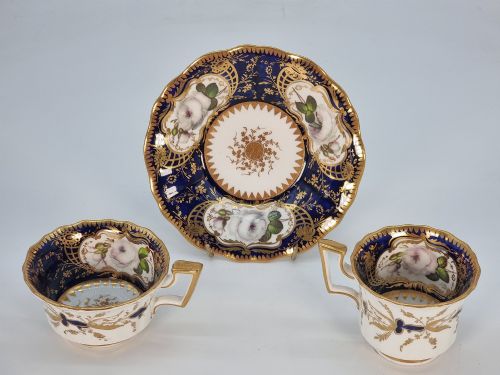
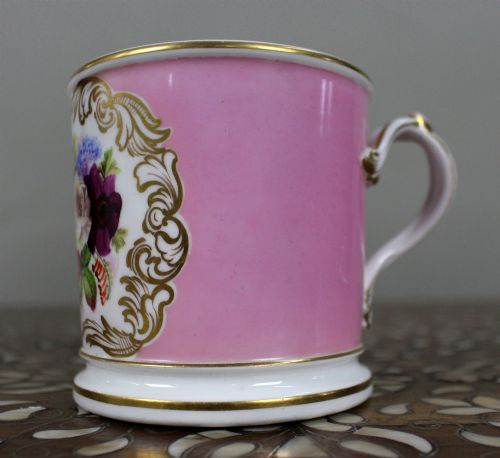
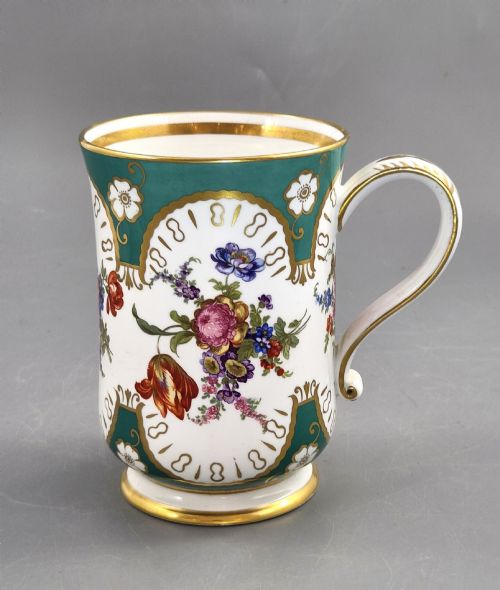
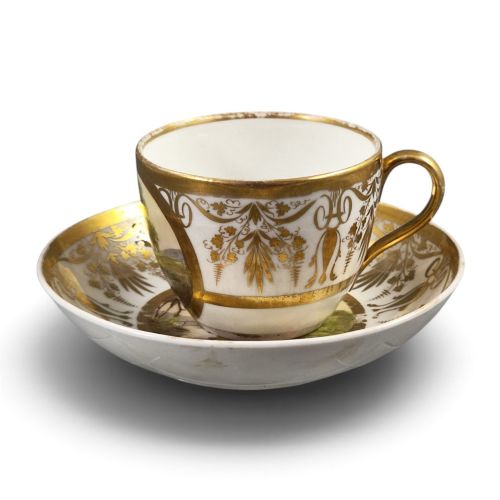
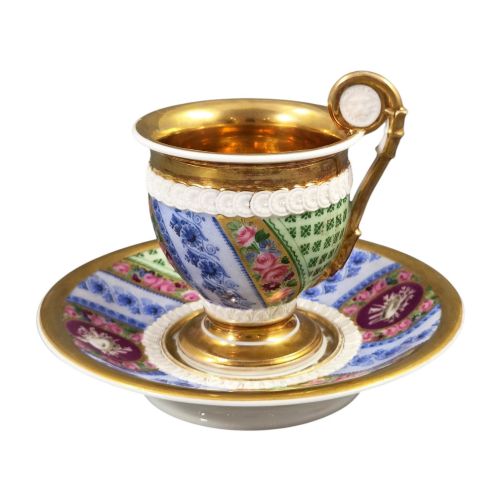
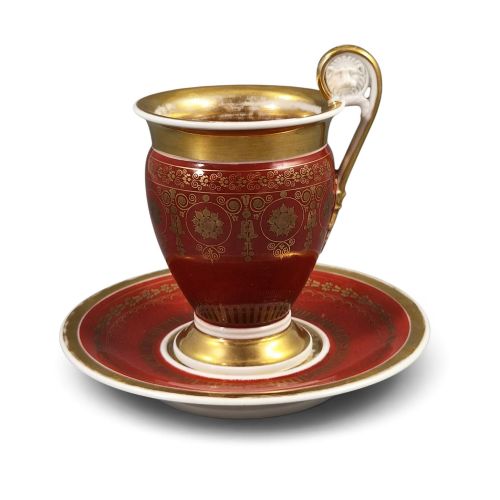
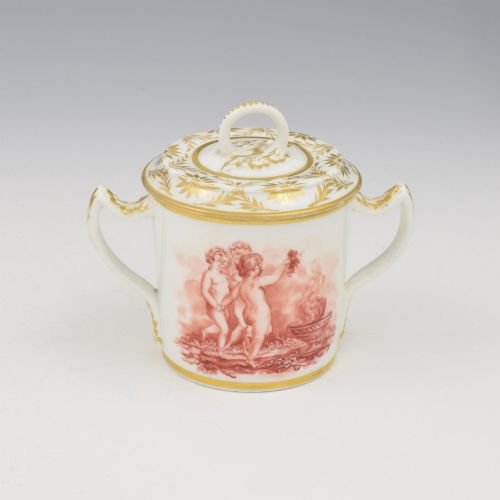
A gilded porcelain cup represents a tradition of ceramic artistry spanning from the eighteenth century through the Edwardian era. These pieces include teacups and saucers, coffee cans, chocolate cups with covers, and substantial cabinet mugs meant for display.
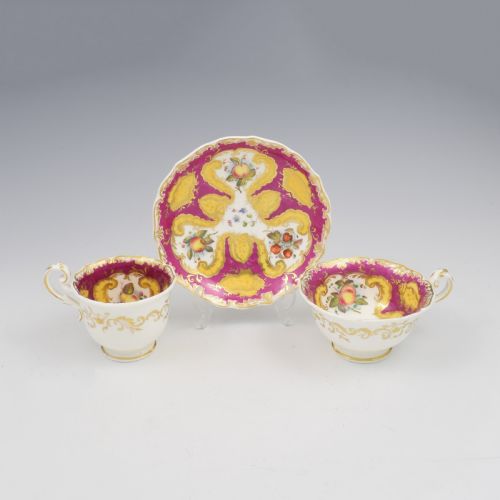
The selections available here feature forms from English potteries like Worcester, Derby, and Coalport, alongside continental works from Berlin and Paris. Regency trios and Georgian coffee cans dominate the types met on this page.
Buyers seek these vessels for their combination of delicate ceramic bodies and rich metal embellishment. Each piece bridges the gap between functional tableware and decorative art.
How they were made
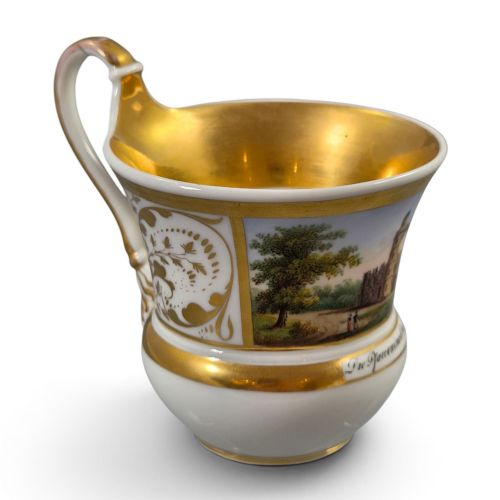
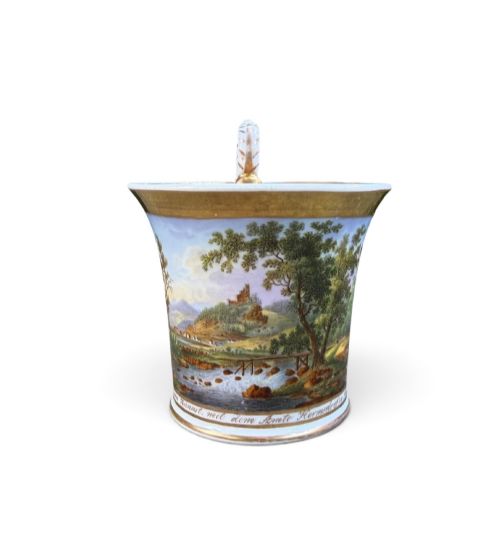
Potters utilised hard-paste porcelain and bone china bodies, shaping them into handled cups, saucers, and specialised drinking vessels. Artisans then applied enamel paints by hand to create intricate landscapes, floral motifs, and compartmental patterns.
Gilding and gold leaf were meticulously added to rims, handles, and borders, often cured through firing to bond the metal to the glazed ceramic surface. Master decorators used techniques that varied from flat gilding to raised and chased gold applications.
Gilded Porcelain Cup Retail Price Guide 2026
Typical asking prices for gilded porcelain cup among the pieces listed under this phrase on Sellingantiques today, from the lower quarter to the upper quarter. They describe what is for sale here now, not the wider market.
Some nineteenth-century makers fashioned lion masks directly onto the handles of their porcelain mugs to deter nervous tea drinkers.
What varies in quality
The quality of a gilded porcelain cup rests on the crispness of the hand-painted details and the purity of the porcelain paste. Pieces originating from prominent factories like Chamberlains Worcester or KPM Berlin display superior control over their enamel colours and gilding thickness.
Execution of the gold work separates standard production items from exceptional cabinet pieces. Thick, burnished gold leaf that retains its brilliance distinguishes the finest items from those with worn or flat metallic application.
Royal Crown Derby·H & R Daniel·Chamberlain Worcester·Spode·Newhall·Coalport·Grainger Worcester·KPM Berlin·Flight & Barr·Rockingham·Derby·Minton·Sevres·Flight Barr & Barr·Royal Worcester
The Gilded Porcelain Cup Glossary
- Coffee Can
- A straight-sided cylindrical cup designed specifically for drinking strong coffee in the eighteenth and nineteenth centuries. These pieces typically lack handles and are paired with a matching saucer.
- Trio
- A matched set consisting of a teacup, a coffee cup, and a saucer. This combination was popular during the Georgian and Regency periods for formal entertaining.
- Hard-paste Porcelain
- A dense, durable ceramic composed of kaolin and petuntse fired at very high temperatures. It resists scratching and provides a smooth white base for enamels and gilding.
- Bone China
- A type of soft-paste porcelain incorporating animal bone ash for strength and translucency. English potteries frequently utilised this material for tea wares during the nineteenth century.
- Cabinet Cup
- A decorative vessel intended for display in a cabinet rather than regular use. These pieces often feature elaborate topographical scenes or portrait panels.
Gilded Porcelain Cup: Frequently Asked Questions
Were these cups used daily?
Many items functioned as part of active tea and coffee services in wealthy households during the Georgian and Victorian eras. Cabinet cups, however, were made primarily for visual appreciation behind glass.
Functional pieces show wear patterns consistent with gentle dining habits of their respective periods. Surviving examples reflect both social rituals and careful household preservation.
How do I date an antique cup?
Examine the painted factory marks, pattern numbers, and the style of the ceramic body to determine the era. Regency pieces often exhibit distinct handle shapes and neoclassical motifs compared to later Victorian designs.
Consulting recorded manufacturer pattern numbers helps narrow down the production decade. Material composition like bone china versus hard-paste porcelain also provides chronological clues.
What is a cabinet cup?
A cabinet cup is an ornamental vessel produced to showcase the pinnacle of a factory's painting and gilding skills. These items often feature hand-painted topographical landscapes or mythological scenes.
They were collected by connoisseurs and displayed in dedicated furniture rather than utilised for drinking. Their survival rate is high due to this decorative purpose.