


Vintage Cabinet Cup
A vintage cabinet cup is a delicate ceramic piece made for display, offering a glimpse into historic porcelain manufacture.
Vintage Cabinet Cup
A vintage cabinet cup sits within a varied group of items that includes miniature cups, demitasse cups and saucers, and cabinet mugs. When searching for a vintage cabinet cup, buyers encounter delicate ceramic vessels intended primarily for display rather than everyday use.
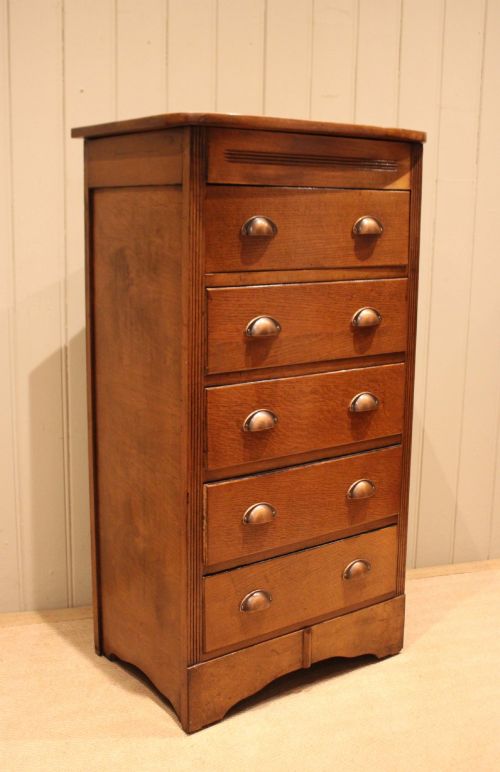
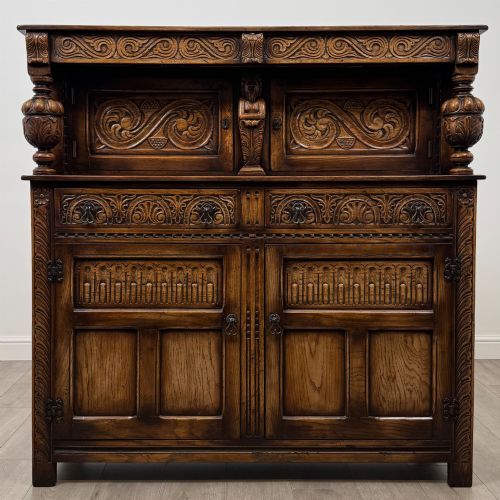
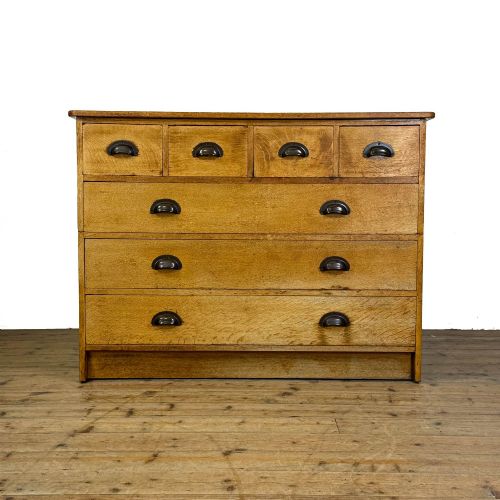
The pieces on this page span several periods, from Georgian examples to items from the 1930s, alongside larger storage furniture like oak chests of drawers and cupboards. Porcelain tea wares and demitasse sets represent the ceramic items most directly associated with this search phrase.
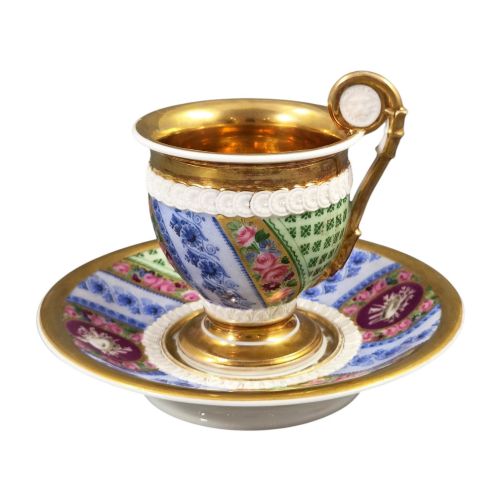
Originating from makers across Europe, these cups display styles such as French Rococo Revival and Edwardian decoration. Alongside these ceramic pieces, the listings incorporate wooden furniture items sharing cabinet-related nomenclature.
Materials and construction
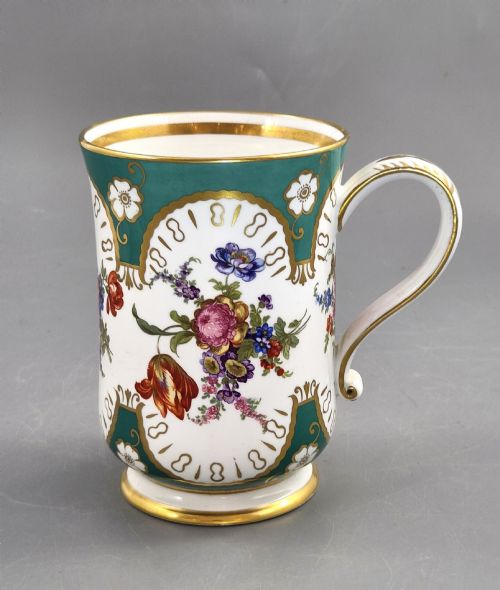
Ceramic pieces utilise porcelain bodies, often decorated with gold leaf accents, hand-painted details, and enamel work. Manufacturers applied these pigments by hand before firing the ceramics to set the finish.
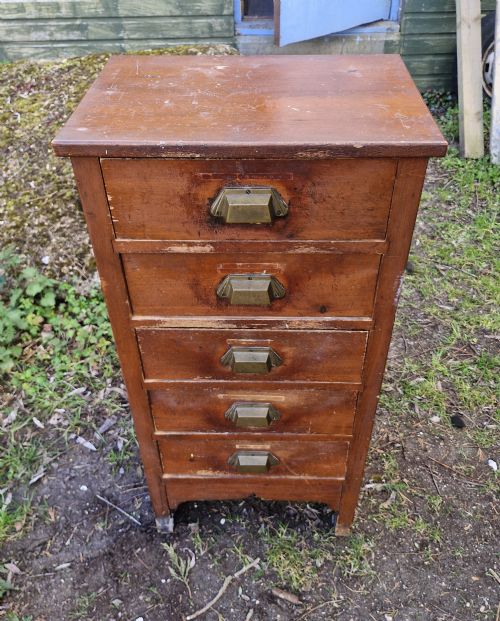
Wooden furniture counterparts rely on materials such as oak, walnut, pine, and mahogany. Cabinet makers shaped these timbers into chests and cupboards, fitted with brass handles and mounted with specialised hardware.
Listings under this search phrase combine porcelain tea wares from the 1800s with twentieth-century wooden office and shop furniture.
Assessing quality
Quality in porcelain pieces rests upon the fineness of the ceramic body and the precision of the hand-painted decoration. Finer examples display crisp moulding, such as lion mask handles, and meticulous application of gold leaf and enamel.
For wooden furniture items, quality is determined by the selection of timber, such as figured walnut or oak, and the construction of the drawers and joints. Superior pieces show careful attention to hardware selection, utilising well-cast brass handles.
Sèvres·Daisy Makeig-Jones Wedgwood·KPM Berlin·Spode·Hutschenreuther·Royal Worcester
The Vintage Cabinet Cup Glossary
- Cabinet cup
- A decorative ceramic cup made for display in a cabinet rather than for daily use. These pieces often feature hand-painted scenes or rich ground colours.
- Demitasse
- A small cup used for serving strong black coffee or espresso. They frequently appear in sets alongside matching saucers.
- Gold leaf
- Beat gold applied to the surface of porcelain or wood for decoration. It provides a bright metallic contrast to painted ceramic grounds.
- Enamel
- Opaque vitreous composition applied to porcelain and fired to create colourful surface designs. It allows for durable, vibrant decoration on antique ceramics.
Vintage Cabinet Cup: Frequently Asked Questions
What is a vintage cabinet cup?
A vintage cabinet cup is a small ceramic vessel created for ornamental display rather than practical dining. These items often feature detailed hand-painted artwork and gilding.
They emerged from various European porcelain factories and decorative periods, becoming collector pieces cherished for their artistic merit and historical manufacturing techniques.
How were cabinet cups used?
Cabinet cups were primarily intended to be shown off inside glazed display cabinets rather than handled at the dining table. Their delicate handles and painted surfaces made them ornamental objects.
Owners displayed them alongside other fine porcelain items to demonstrate taste and affluence during the nineteenth and early twentieth centuries.
How do I care for porcelain?
Porcelain cabinet cups require gentle handling and should be kept away from direct sunlight to preserve the hand-painted enamel and gold leaf details. Dusting with a soft, dry cloth is usually sufficient.
Avoiding abrasive cleaners ensures the antique glaze remains intact and protects any delicate structural elements like applied mask handles.
How do I identify periods?
Identifying the period of a cabinet cup involves examining the factory marks stamped or painted on the base, alongside the style of decoration. Georgian and Victorian pieces often show distinct hand-finishing techniques.
Stylistic cues such as the specific green ground of Sèvres style items or Edwardian motifs help narrow down the manufacturing decade.